

A built in pump with dehumidifier eliminates the need for manual water removal, enabling continuous operation even in hard-to-reach areas. It’s especially useful in basements, crawl spaces, and during heavy humidity seasons, saving you time and effort while protecting your home.
Key Takeaways
- Continuous Operation: A built in pump allows the dehumidifier to run non-stop by automatically draining water, even when you’re away.
- No Manual Emptying: Say goodbye to checking and emptying the water tank—ideal for busy households or unattended spaces.
- Perfect for Tight Spaces: Pumps enable vertical or long-distance drainage, making them ideal for basements, crawl spaces, and utility closets.
- Prevents Overflow and Damage: Automatic drainage reduces the risk of water spills, mold growth, and structural damage.
- Energy Efficiency: Many pump-equipped models optimize performance, reducing runtime and energy use over time.
- Peace of Mind: Whether you’re on vacation or managing a rental property, a built in pump ensures consistent humidity control.
- Enhanced Air Quality: Consistent dehumidification helps prevent mold, mildew, and allergens, improving indoor air quality.
📑 Table of Contents
Why Do I Need a Built in Pump with Dehumidifier?
If you’ve ever owned a dehumidifier, you know the drill: it pulls moisture from the air, collects it in a tank, and eventually, that tank fills up. Then comes the inevitable—unscrewing the cap, lugging the heavy container to the sink, and pouring it out. It’s not exactly fun, especially if you have to do it every day or two. Now imagine doing that in a cramped basement corner or a crawl space under your house. Not ideal, right?
That’s where a built in pump with dehumidifier comes in. It’s one of those features that seems like a luxury at first, but once you use it, you wonder how you ever lived without it. A built in pump automatically removes collected water by pumping it out through a hose—no lifting, no spilling, no hassle. Whether you’re dealing with high humidity in your basement, protecting stored items in a garage, or maintaining air quality in a rental unit, this feature can make a world of difference.
But is it really necessary? For some, the standard gravity drain or manual emptying works fine. However, if you want convenience, reliability, and long-term protection for your home, a built in pump is more than just a nice-to-have—it’s a game-changer. In this guide, we’ll explore exactly why a built in pump with dehumidifier is worth the investment, how it works, and when it makes the most sense for your situation.
How a Built in Pump Works

Visual guide about Why Do I Need a Built in Pump with Dehumidifier
Image source: mobileimages.lowes.com
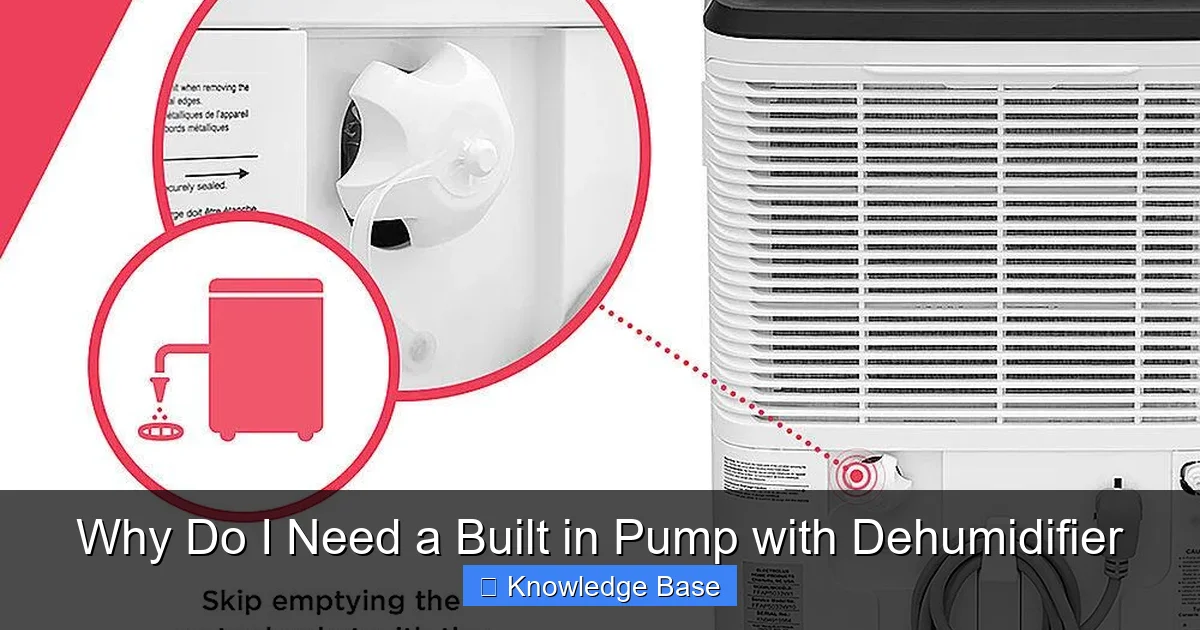
Let’s start with the basics: how does a built in pump actually function? Most dehumidifiers collect moisture in a removable water tank. When that tank fills up, the machine shuts off to prevent overflow. You then have to manually empty it. A dehumidifier with a built in pump, on the other hand, uses a small electric pump to push the collected water out through a connected hose.
Here’s the step-by-step process:
1. **Moisture Collection:** The dehumidifier pulls humid air over cold coils, causing water vapor to condense into liquid.
2. **Water Transfer:** Instead of pooling in a tank, the water is directed to a small reservoir or chamber.
3. **Pump Activation:** Once the water reaches a certain level, a float switch or sensor triggers the pump.
4. **Automatic Drainage:** The pump pushes the water through a hose, which can be routed to a floor drain, sink, sump pit, or even outside.
5. **Continuous Operation:** The dehumidifier keeps running without interruption, maintaining optimal humidity levels.
Types of Drainage Systems
Not all dehumidifiers are created equal when it comes to drainage. Here are the three main types:
– **Manual Tank Drainage:** The most basic option. You empty the tank by hand. Great for small spaces with low humidity, but not ideal for daily use or unattended areas.
– **Gravity Drain Hose:** Some models let you attach a hose that uses gravity to drain water into a nearby floor drain. This works well if the dehumidifier is placed higher than the drain, but it limits placement and can’t pump water uphill.
– **Built in Pump Drainage:** The most advanced option. The pump can push water vertically (up to 15–20 feet in many models) and over long distances (30+ feet), giving you flexibility in placement and drainage.
Why the Pump Makes a Difference
The key advantage of a built in pump is **automation**. You don’t have to be home to empty the tank. You don’t have to worry about forgetting to check it. And you don’t have to stop the dehumidifier during heavy humidity periods. This is especially important during rainy seasons or in areas with high ambient moisture.
For example, imagine you’re on a two-week vacation. Your basement dehumidifier is running non-stop due to a wet spring. Without a pump, the tank would fill up in a day or two, the machine would shut off, and humidity would spike—potentially leading to mold or musty odors. With a built in pump, the water is continuously drained, and your dehumidifier keeps working the entire time.
Top Benefits of a Built in Pump with Dehumidifier
Visual guide about Why Do I Need a Built in Pump with Dehumidifier
Image source: pisces.bbystatic.com
Now that you understand how it works, let’s dive into the real reasons why a built in pump with dehumidifier is a smart choice. These benefits go beyond convenience—they impact your home’s health, your energy bills, and your peace of mind.
1. Hands-Free Operation
Let’s face it—no one likes chores. Emptying a dehumidifier tank is one of those small but annoying tasks that can easily be forgotten. With a built in pump, that chore disappears. The pump does the work for you, 24/7. Whether you’re at work, on vacation, or just relaxing at home, your dehumidifier keeps running without interruption.
This is especially valuable in spaces you don’t access often, like crawl spaces, attics, or rental properties. You can set it and forget it, knowing the pump will handle the water removal automatically.
2. Ideal for Basements and Crawl Spaces
Basements and crawl spaces are prime candidates for dehumidifiers—but they’re also the hardest places to empty a tank. These areas are often dark, cramped, and difficult to reach. Carrying a heavy water tank up stairs or through tight spaces is no fun.
A built in pump solves this problem. You can place the dehumidifier in the most effective spot—even in a corner or under stairs—and run a hose to a nearby floor drain, sump pump, or even out a basement window. The pump can push water vertically, so you don’t need to worry about elevation differences.
For instance, many homeowners use a dehumidifier with a pump in their basement to prevent musty smells and protect stored items like boxes, tools, or holiday decorations. The pump ensures continuous operation, even during heavy rain or flooding events.
3. Prevents Water Damage and Mold Growth
One of the biggest risks of a full dehumidifier tank is overflow. If the tank fills up and you’re not around to empty it, water can spill onto the floor. Over time, this can lead to warped flooring, stained walls, or even structural damage.
Worse yet, stagnant water and high humidity create the perfect environment for mold and mildew. These fungi not only damage your home but can also trigger allergies, asthma, and other respiratory issues.
A built in pump with dehumidifier drastically reduces this risk. By continuously removing water, it maintains a dry environment and prevents the conditions that lead to mold growth. This is especially important in older homes or areas prone to dampness.
4. Energy Efficiency and Long-Term Savings
You might think a pump adds extra energy use, but in many cases, it actually improves efficiency. Here’s why:
– **Consistent Performance:** A dehumidifier that shuts off due to a full tank isn’t doing its job. Humidity levels rise, and when you finally empty the tank, the unit has to work harder to catch up. This cycle wastes energy.
– **Optimized Runtime:** With a pump, the dehumidifier runs only when needed, maintaining a steady humidity level. This prevents overworking the compressor and reduces wear and tear.
– **Smart Sensors:** Many pump-equipped models include humidity sensors and auto-shutoff features, so they only run when necessary.
Over time, this efficiency can lead to lower energy bills and a longer lifespan for your dehumidifier. Plus, you’re less likely to need costly repairs or replacements due to water damage or mold remediation.
5. Peace of Mind for Homeowners and Renters
Whether you own your home or manage rental properties, a built in pump offers unmatched peace of mind. You don’t have to worry about tenants forgetting to empty the tank or returning from vacation to a flooded basement.
For landlords, this feature can prevent disputes and reduce maintenance calls. For homeowners, it means one less thing to stress about—especially during humid summer months or storm seasons.
Think of it like a sump pump for your air. Just as a sump pump protects your basement from flooding, a dehumidifier with a built in pump protects your home from moisture damage.
When Should You Choose a Dehumidifier with a Built in Pump?
Not every home needs a dehumidifier with a built in pump. But in certain situations, it’s practically essential. Here’s when you should strongly consider this feature:
High Humidity Areas
If you live in a humid climate—think Florida, Louisiana, or the Pacific Northwest—your dehumidifier will work overtime. In these regions, a standard tank may fill up multiple times per day. A built in pump ensures continuous operation without constant monitoring.
Unattended or Hard-to-Reach Spaces
Crawl spaces, garages, utility closets, and vacation homes are perfect examples. You can’t check these areas daily, so automation is key. A pump lets you set up the dehumidifier once and trust it to work indefinitely.
Frequent Travelers or Busy Households
If you travel often or have a packed schedule, you won’t always be home to empty the tank. A built in pump eliminates this concern, so your dehumidifier keeps running even when you’re away.
Homes with Sump Pumps or Floor Drains
If your basement has a sump pump or floor drain, a dehumidifier with a pump can easily connect to it. This creates a seamless moisture management system that handles both groundwater and humidity.
Allergy or Asthma Sufferers
High humidity worsens indoor air quality by promoting dust mites, mold, and mildew—common triggers for allergies and asthma. A dehumidifier with a built in pump maintains consistent humidity levels, helping you breathe easier.
Installation and Maintenance Tips
Getting the most out of your built in pump with dehumidifier requires proper setup and occasional maintenance. Here’s how to do it right:
Choosing the Right Hose
Most dehumidifiers with pumps come with a drainage hose, but you may need to purchase a longer one depending on your setup. Use a reinforced vinyl or PVC hose that’s resistant to kinking and crushing. Avoid cheap plastic tubing—it can collapse under pressure.
Routing the Hose Correctly
– **Avoid Sharp Bends:** Keep the hose as straight as possible to prevent clogs.
– **Secure the Hose:** Use zip ties or clips to hold the hose in place, especially if it runs along walls or under floors.
– **Slope Downward:** Even with a pump, gravity helps. Ensure the hose slopes slightly downward toward the drain to assist flow.
Connecting to a Drain or Sump Pit
– **Floor Drain:** Simply place the hose into the drain. Use a drain adapter if needed to prevent air leaks.
– **Sump Pit:** Insert the hose into the pit, but don’t let it rest on the bottom. Suspend it slightly to avoid clogging with debris.
– **Outdoor Drain:** If routing outside, ensure the hose is protected from weather and animals. Use a freeze-resistant hose in cold climates.
Regular Maintenance
Even with a pump, your dehumidifier needs care:
– **Clean the Air Filter:** Every 4–6 weeks, remove and wash the filter to maintain airflow.
– **Check the Pump:** Periodically inspect the pump chamber for debris or mineral buildup, especially in hard water areas.
– **Test the Pump:** Pour a small amount of water into the reservoir to ensure the pump activates.
– **Inspect the Hose:** Look for cracks, clogs, or leaks. Replace if necessary.
Winter Considerations
In cold climates, water in the hose can freeze, blocking drainage. To prevent this:
– Use a heated hose or wrap the hose with insulation.
– Drain the system before winter if the dehumidifier won’t be used.
– Choose a model with a freeze protection feature.
Common Misconceptions About Built in Pumps
Despite their benefits, some people hesitate to buy a dehumidifier with a built in pump due to common myths. Let’s clear them up:
“It’s Too Expensive”
Yes, models with pumps cost more upfront—typically $50–$150 more than basic units. But consider the long-term savings: reduced energy use, fewer repairs, and prevention of water damage. Over time, the investment pays for itself.
“It Uses Too Much Electricity”
The pump uses minimal power—usually less than 10 watts. Compared to the dehumidifier’s compressor (which uses 300–700 watts), the pump’s impact on your energy bill is negligible.
“I Can Just Use a Gravity Hose”
Gravity drainage works, but only if the dehumidifier is higher than the drain. In basements or crawl spaces, this isn’t always possible. A pump gives you flexibility and reliability.
“It’s Complicated to Install”
Not at all. Most pumps are plug-and-play. Attach the hose, route it to a drain, and you’re done. No plumbing skills required.
“I Don’t Need It—I Empty the Tank Regularly”
That’s great—if you’re always home and remember to do it. But life happens. A pump ensures your dehumidifier works even when you don’t.
Conclusion
So, why do you need a built in pump with dehumidifier? The answer is simple: convenience, protection, and peace of mind. Whether you’re battling high humidity in your basement, protecting stored items in a garage, or managing a rental property, a built in pump ensures your dehumidifier works continuously—without you having to lift a finger.
It eliminates the hassle of manual emptying, prevents water damage and mold growth, and improves energy efficiency. While it may cost a bit more upfront, the long-term benefits far outweigh the price. For anyone dealing with persistent moisture issues, a dehumidifier with a built in pump isn’t just a luxury—it’s a smart, practical investment in your home’s health and your own comfort.
If you’re serious about controlling indoor humidity, don’t settle for a basic model. Go for one with a built in pump. Your future self—and your basement—will thank you.
Frequently Asked Questions
Do all dehumidifiers come with a built in pump?
No, not all dehumidifiers have a built in pump. Many basic models rely on manual tank emptying or gravity drainage. You’ll need to check the product specifications to see if a pump is included.
Can I add a pump to my existing dehumidifier?
Some dehumidifiers allow you to add an external condensate pump, but it’s not universal. Check your model’s compatibility or consider upgrading to a unit with a built in pump for better integration.
How far can a built in pump push water?
Most built in pumps can push water vertically up to 15–20 feet and horizontally 30 feet or more, depending on the model. Always check the manufacturer’s specifications for exact limits.
Will a built in pump work during a power outage?
No, the pump requires electricity to operate. If you’re concerned about outages, consider a battery backup or a dehumidifier with a large tank as a temporary solution.
Can I use a built in pump with a window or portable dehumidifier?
Yes, as long as the model supports it. Many portable and basement dehumidifiers come with built in pumps. Just ensure the unit is designed for continuous drainage.
Is a built in pump noisy?
Most built in pumps are quiet, producing a low hum similar to the dehumidifier’s fan. Noise levels are typically under 50 decibels—quieter than a refrigerator.