

People use dehumidifiers to reduce excess moisture in the air, which helps prevent mold, dust mites, and musty odors. They also improve indoor air quality, protect belongings, and support better respiratory health—especially in humid climates or damp spaces like basements.
Key Takeaways
- Prevent mold and mildew growth: High humidity creates ideal conditions for mold, which can damage walls, furniture, and health. Dehumidifiers keep moisture levels in check.
- Improve indoor air quality: By reducing humidity, dehumidifiers help minimize allergens like dust mites and mold spores, making breathing easier.
- Protect home and belongings: Excess moisture can warp wood, rust metal, and ruin electronics. A dehumidifier helps preserve your home and valuables.
- Enhance comfort and reduce odors: Damp air feels sticky and uncomfortable. Dehumidifiers make rooms feel cooler and fresher, eliminating musty smells.
- Support respiratory health: Lower humidity reduces triggers for asthma and allergies, helping people breathe more easily.
- Save on energy costs: Dry air feels cooler, so you may use air conditioning less, lowering your utility bills.
- Ideal for specific areas: Basements, bathrooms, laundry rooms, and crawl spaces benefit most from dehumidifiers due to poor ventilation and high moisture.
📑 Table of Contents
- Why Do People Use Dehumidifiers? A Complete Guide
- 1. Preventing Mold and Mildew Growth
- 2. Improving Indoor Air Quality
- 3. Protecting Your Home and Belongings
- 4. Enhancing Comfort and Reducing Odors
- 5. Supporting Respiratory Health
- 6. Saving on Energy Costs
- When and Where to Use a Dehumidifier
- Conclusion
Why Do People Use Dehumidifiers? A Complete Guide
Have you ever walked into a room and felt that sticky, heavy sensation in the air? Or noticed a musty smell in your basement that just won’t go away? These are common signs of high humidity—a problem that affects millions of homes worldwide. While a little moisture in the air is normal, too much can lead to serious issues for your health, your home, and your comfort. That’s where dehumidifiers come in.
Dehumidifiers are appliances designed to remove excess moisture from the air. They work by drawing in humid air, cooling it to condense the water vapor, and then releasing dry air back into the room. The collected water is either stored in a tank or drained directly. But why do people use dehumidifiers? The reasons go far beyond just feeling more comfortable. From preventing mold growth to protecting your belongings and improving your health, dehumidifiers play a vital role in maintaining a safe and pleasant living environment.
In this article, we’ll explore the many reasons people choose to use dehumidifiers. Whether you live in a humid climate, have a damp basement, or suffer from allergies, understanding how dehumidifiers work and why they’re beneficial can help you make smarter decisions for your home and well-being.
1. Preventing Mold and Mildew Growth
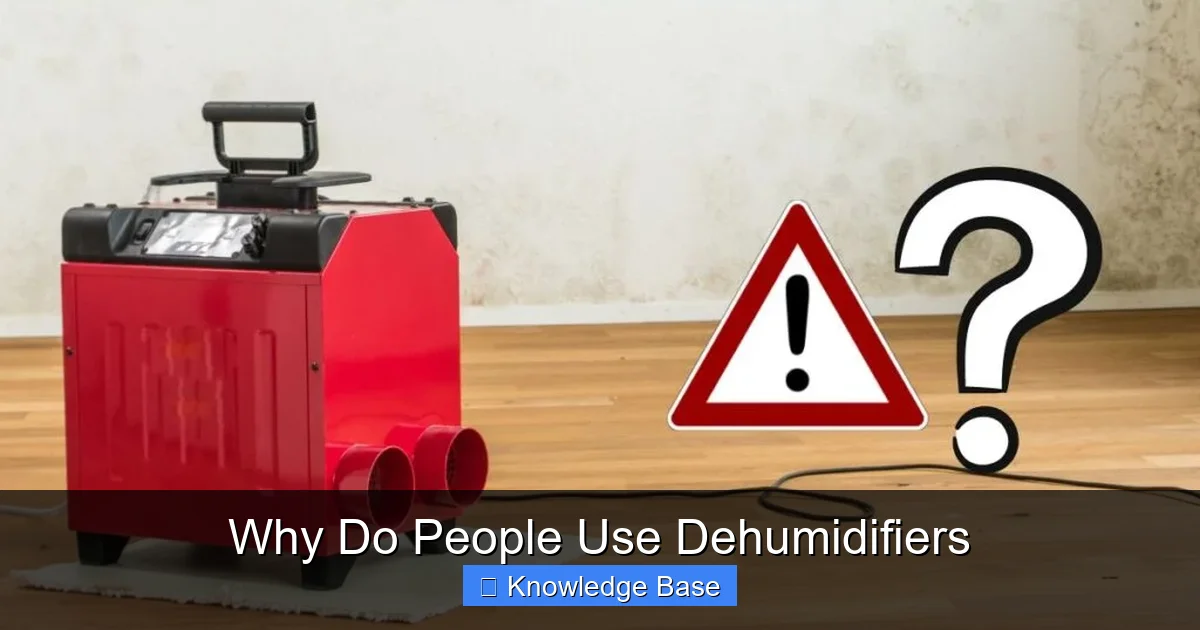
Visual guide about Why Do People Use Dehumidifiers
Image source: attainablehome.com
One of the most important reasons people use dehumidifiers is to prevent mold and mildew. These fungi thrive in moist environments, and once they take hold, they can spread quickly—often in hidden areas like behind walls, under carpets, or in attics.
Mold doesn’t just look unsightly; it can also cause structural damage. Over time, it can weaken wood, ruin drywall, and even compromise the integrity of your home’s foundation. But perhaps more concerning is the health risk. Mold releases spores into the air, which can trigger allergic reactions, respiratory problems, and worsen conditions like asthma.
For example, imagine a family living in a coastal city where humidity levels regularly exceed 70%. Without a dehumidifier, their basement might develop black spots on the walls—a clear sign of mold. By using a dehumidifier to maintain humidity between 30% and 50%, they can stop mold in its tracks. This not only protects their home but also keeps their family safe from potential health issues.
How Dehumidifiers Stop Mold
Dehumidifiers reduce the amount of moisture in the air, making it harder for mold and mildew to grow. Most molds need humidity levels above 60% to flourish. By keeping indoor humidity below this threshold, dehumidifiers create an environment where mold simply can’t survive.
Additionally, many modern dehumidifiers come with built-in hygrometers, which measure humidity levels and automatically adjust operation to maintain the ideal range. Some even have timers and smart features that allow you to control them remotely via smartphone apps.
Practical Tips for Mold Prevention
- Place a dehumidifier in high-moisture areas like basements, bathrooms, or laundry rooms.
- Empty the water tank regularly to prevent overflow and bacterial growth.
- Clean the filter every few weeks to ensure efficient operation.
- Use exhaust fans in bathrooms and kitchens to reduce steam buildup.
- Inspect your home for leaks or water damage and repair them promptly.
By combining a dehumidifier with good home maintenance habits, you can significantly reduce the risk of mold and mildew.
2. Improving Indoor Air Quality

Visual guide about Why Do People Use Dehumidifiers
Image source: doofinder.com
Another major reason people use dehumidifiers is to improve indoor air quality. While we often think of air pollution as something that happens outside, the air inside our homes can be just as—if not more—contaminated. High humidity contributes to this problem by encouraging the growth of allergens and irritants.
Dust mites, for instance, are microscopic creatures that feed on dead skin cells and thrive in humid environments. They are one of the most common triggers for allergies and asthma. According to the Asthma and Allergy Foundation of America, dust mites can be found in nearly every home, but their populations explode when humidity levels rise above 50%.
By using a dehumidifier to keep humidity in check, you create an environment where dust mites struggle to survive. This can lead to fewer allergy symptoms, less sneezing, and easier breathing—especially for children and seniors who are more sensitive to air quality issues.
Reducing Other Airborne Irritants
Beyond dust mites, high humidity can also promote the growth of bacteria and viruses. Damp surfaces provide ideal breeding grounds for these microorganisms, which can then become airborne and affect your health. Additionally, musty odors—often a sign of microbial growth—can make your home feel unclean and unwelcoming.
Dehumidifiers help by drying out the air and surfaces, making it harder for these irritants to thrive. Some models even include air filters that capture particles like pollen, pet dander, and mold spores, further enhancing air quality.
Real-Life Example: The Allergy Sufferer
Consider Sarah, a 35-year-old woman who lives in the southeastern United States. She suffers from seasonal allergies and has noticed that her symptoms worsen during the summer months when humidity is high. After installing a dehumidifier in her bedroom, she reports fewer nighttime coughing fits and less congestion. Her doctor confirms that reducing indoor humidity has likely decreased her exposure to dust mites and mold, leading to improved respiratory health.
This example shows how a simple appliance can make a big difference in daily comfort and well-being.
3. Protecting Your Home and Belongings
Your home is one of your biggest investments, and excess moisture can put it at risk. High humidity doesn’t just affect the air—it can damage walls, floors, furniture, and personal items. That’s why many homeowners use dehumidifiers to protect their property.
Wood is especially vulnerable to moisture. When humidity levels are too high, wooden floors, cabinets, and furniture can swell, warp, or even rot. In basements, this can lead to structural issues over time. Similarly, metal objects like tools, appliances, and even musical instruments can rust or corrode in damp conditions.
Electronics are another concern. Moisture can seep into devices like computers, televisions, and gaming consoles, causing short circuits or permanent damage. In extreme cases, this can result in costly repairs or replacements.
Preserving Valuables and Collections
People who collect books, artwork, photographs, or vintage clothing often use dehumidifiers to preserve their items. Paper and fabric absorb moisture easily, leading to yellowing, mold, or deterioration. By maintaining a stable, dry environment, collectors can protect their treasures for years to come.
For instance, a stamp collector might store their albums in a climate-controlled room with a dehumidifier to prevent humidity-related damage. Similarly, a wine enthusiast might use a dehumidifier in their cellar to protect corks from drying out and wine from spoiling.
Tips for Home Protection
- Use a dehumidifier in areas prone to dampness, such as basements, garages, or crawl spaces.
- Store important documents and photos in sealed containers with silica gel packets.
- Avoid placing furniture directly against exterior walls, which may be cooler and more prone to condensation.
- Ensure proper ventilation in attics and under floors to allow moisture to escape.
- Check for condensation on windows, which can indicate high indoor humidity.
By taking these steps, you can safeguard your home and belongings from the damaging effects of excess moisture.
4. Enhancing Comfort and Reducing Odors
Have you ever felt hot and sticky even when the air conditioning is running? This is a common experience in humid environments. High humidity makes it harder for sweat to evaporate from your skin, which is your body’s natural cooling mechanism. As a result, you feel warmer and more uncomfortable—even if the temperature is technically cool.
This is why people use dehumidifiers to improve comfort. By removing excess moisture, dehumidifiers make the air feel lighter and more refreshing. You may find that you can set your thermostat a few degrees higher without sacrificing comfort, which can lead to energy savings.
Eliminating Musty Smells
Another benefit of dehumidifiers is their ability to eliminate musty odors. These unpleasant smells often come from damp areas like basements, closets, or under sinks. They’re not just annoying—they can also be a sign of hidden mold or mildew.
When you run a dehumidifier, it dries out the air and surfaces, removing the source of the odor. Over time, the musty smell fades, and your home begins to smell fresher and cleaner. Some dehumidifiers even include activated carbon filters that absorb odors, providing an extra layer of freshness.
Creating a More Pleasant Living Space
Imagine walking into a cool, dry basement instead of a damp, smelly one. Or stepping into a bedroom that feels crisp and comfortable, even on a humid summer night. These small improvements can make a big difference in your quality of life.
Dehumidifiers also help reduce static electricity, which can be a nuisance in dry winter months but also a sign of imbalanced humidity. By maintaining a balanced moisture level, you create a more pleasant and consistent indoor environment.
5. Supporting Respiratory Health
For people with asthma, allergies, or other respiratory conditions, controlling indoor humidity is crucial. High humidity can worsen symptoms by increasing exposure to allergens and irritants. That’s why many healthcare professionals recommend using dehumidifiers as part of a comprehensive health strategy.
Asthma sufferers, in particular, are sensitive to mold and dust mites. According to the American Lung Association, indoor air pollution—including high humidity—can trigger asthma attacks. By using a dehumidifier to maintain optimal humidity levels, patients may experience fewer flare-ups and better overall control of their condition.
Benefits for Children and the Elderly
Children and older adults are especially vulnerable to respiratory issues. Their immune systems may be weaker, and their lungs may be more sensitive to irritants. In homes with young kids or elderly family members, a dehumidifier can provide peace of mind by reducing the risk of mold-related illnesses.
For example, a family with a toddler who has asthma might use a dehumidifier in the child’s bedroom to ensure clean, dry air. This simple step can lead to fewer nighttime coughing episodes and better sleep for the whole family.
Combining with Other Air Quality Measures
While dehumidifiers are effective, they work best when combined with other air quality improvements. Using HEPA air purifiers, changing HVAC filters regularly, and avoiding smoking indoors can all contribute to a healthier home environment.
6. Saving on Energy Costs
You might be surprised to learn that people use dehumidifiers to save money on energy bills. Here’s how it works: when the air is dry, it feels cooler than humid air at the same temperature. This means you can raise your thermostat setting without feeling uncomfortable.
For example, if your home feels comfortable at 72°F with low humidity, you might feel just as comfortable at 75°F with a dehumidifier running. That 3-degree difference can lead to significant savings on your cooling costs, especially during hot summer months.
How Dehumidifiers Complement Air Conditioning
Air conditioners do remove some moisture from the air, but they’re not as efficient at dehumidification as dedicated dehumidifiers. In fact, running an AC at full blast just to reduce humidity can waste energy and strain the system.
By using a dehumidifier, you take the moisture load off your air conditioner. This allows the AC to focus on cooling, making it more efficient and extending its lifespan. In humid climates, this combination can lead to noticeable energy savings.
Choosing an Energy-Efficient Model
When shopping for a dehumidifier, look for models with the ENERGY STAR label. These units meet strict efficiency guidelines set by the U.S. Environmental Protection Agency and can save you money in the long run. Features like auto-humidistats, timers, and low-watt operation also help reduce energy use.
When and Where to Use a Dehumidifier
Not every room needs a dehumidifier, but certain areas benefit the most. Here are the top places to consider:
- Basements: Often the dampest part of the home due to poor ventilation and ground moisture.
- Bathrooms: Steam from showers increases humidity quickly.
- Laundry Rooms: Wet clothes and dryers release moisture into the air.
- Crawl Spaces: Enclosed areas under homes that are prone to dampness.
- Closets: Especially in humid climates, closets can trap moisture and cause mildew on clothes.
For whole-home dehumidification, consider a whole-house model that integrates with your HVAC system. These are more expensive but provide consistent humidity control throughout your home.
Conclusion
So, why do people use dehumidifiers? The answer is clear: to create a healthier, more comfortable, and more durable living environment. From preventing mold and improving air quality to protecting your home and saving on energy, the benefits are both practical and long-lasting.
Whether you’re dealing with a damp basement, battling allergies, or simply want to feel more comfortable at home, a dehumidifier can be a smart investment. By maintaining optimal humidity levels—ideally between 30% and 50%—you can enjoy cleaner air, fewer odors, and peace of mind knowing your home is protected.
If you’ve been on the fence about buying a dehumidifier, now is the time to act. With so many affordable and efficient models on the market, there’s never been a better time to take control of your indoor climate. Your health, your home, and your wallet will thank you.
Frequently Asked Questions
What humidity level should I maintain in my home?
Experts recommend keeping indoor humidity between 30% and 50%. Levels above 60% encourage mold and dust mite growth, while levels below 30% can cause dry skin and respiratory irritation.
Can a dehumidifier help with allergies?
Yes, dehumidifiers can reduce allergens like dust mites and mold spores by lowering humidity. This can lead to fewer allergy symptoms and easier breathing, especially for sensitive individuals.
Do dehumidifiers use a lot of electricity?
Modern dehumidifiers, especially ENERGY STAR models, are designed to be energy-efficient. While they do consume electricity, the savings from reduced air conditioning use can offset the cost.
How often should I empty the water tank?
It depends on the humidity level and tank size, but most people empty the tank every 1–3 days. Some models have continuous drainage options to avoid frequent emptying.
Can I use a dehumidifier in winter?
Yes, but only if needed. In winter, indoor humidity is often low, so a dehumidifier may not be necessary. However, in poorly ventilated bathrooms or basements, it can still help prevent condensation and mold.
Is a dehumidifier the same as an air purifier?
No. A dehumidifier removes moisture from the air, while an air purifier removes particles like dust, pollen, and smoke. They serve different purposes but can be used together for better air quality.