

People use dehumidifiers to maintain healthy indoor humidity levels, prevent mold and mildew, reduce allergens, and protect their homes and belongings. These devices improve air quality, enhance comfort, and can even lower energy bills by making air feel cooler and easier to breathe.
Key Takeaways
- Control Indoor Humidity: Dehumidifiers help maintain optimal humidity levels (30–50%) to prevent discomfort and health issues.
- Prevent Mold and Mildew: By reducing excess moisture, dehumidifiers stop mold growth on walls, ceilings, and furniture.
- Reduce Allergens: Lower humidity discourages dust mites, mold spores, and other allergens that thrive in damp environments.
- Protect Home and Belongings: Excess moisture can damage wood, electronics, books, and clothing—dehumidifiers help preserve them.
- Improve Air Quality and Comfort: Dryer air feels cooler, reduces musty odors, and makes breathing easier, especially for asthma sufferers.
- Save on Energy Costs: Dehumidified air feels cooler, allowing you to raise the thermostat and reduce AC usage.
- Ideal for Specific Spaces: Basements, bathrooms, laundry rooms, and crawl spaces benefit most from dehumidifier use.
📑 Table of Contents
- Why Do People Use Dehumidifiers? A Complete Guide to Better Indoor Air
- Understanding Humidity and Why It Matters
- Health Benefits of Using a Dehumidifier
- Protecting Your Home and Belongings
- Energy Efficiency and Cost Savings
- Best Places to Use a Dehumidifier
- Choosing the Right Dehumidifier for Your Needs
- Maintenance Tips for Long-Term Performance
- Conclusion: A Healthier, More Comfortable Home
Why Do People Use Dehumidifiers? A Complete Guide to Better Indoor Air
Have you ever walked into a room and felt that sticky, heavy sensation in the air? Or noticed a musty smell in your basement, even though it looks clean? Chances are, you’re dealing with high humidity. While a little moisture in the air is normal, too much can lead to a host of problems—from health concerns to structural damage in your home. That’s where dehumidifiers come in.
Dehumidifiers are appliances designed to remove excess moisture from the air, helping maintain a balanced and comfortable indoor environment. But why do people use dehumidifiers? The reasons go far beyond just comfort. From protecting your health to preserving your home’s integrity, dehumidifiers play a vital role in creating a safer, cleaner, and more pleasant living space. Whether you live in a humid climate, have a damp basement, or suffer from allergies, understanding the benefits of dehumidifiers can help you make smarter choices for your home and well-being.
In this guide, we’ll explore the top reasons people use dehumidifiers, how they work, where they’re most effective, and how to choose the right one for your needs. You’ll also find practical tips and real-life examples to help you get the most out of your investment. Let’s dive in.
Understanding Humidity and Why It Matters

Visual guide about Why Do People Yuse Dehumidifiers
Image source: cdn.mos.cms.futurecdn.net
Before we get into the benefits of dehumidifiers, it’s important to understand what humidity is and why it matters. Humidity refers to the amount of water vapor present in the air. It’s measured as a percentage, known as relative humidity (RH). The ideal indoor humidity level is between 30% and 50%. When humidity rises above 60%, problems start to emerge.
High humidity can make the air feel thick and uncomfortable, even if the temperature isn’t that high. It also creates the perfect breeding ground for mold, dust mites, and bacteria. On the other hand, air that’s too dry (below 30%) can cause dry skin, irritated sinuses, and static electricity. Finding the right balance is key.
What Causes High Indoor Humidity?
Several factors contribute to high indoor humidity. In humid climates, outdoor air naturally contains more moisture, which can seep indoors. But even in drier regions, everyday activities can raise indoor humidity levels. Cooking, showering, doing laundry, and even breathing release moisture into the air. Poor ventilation, especially in bathrooms and kitchens, traps this moisture inside.
Basements and crawl spaces are particularly prone to high humidity because they’re often below ground level and poorly ventilated. Water can seep through foundation walls or floors, especially after heavy rain or snowmelt. Without proper drainage or ventilation, this moisture evaporates into the air, increasing humidity.
The Science Behind Dehumidifiers
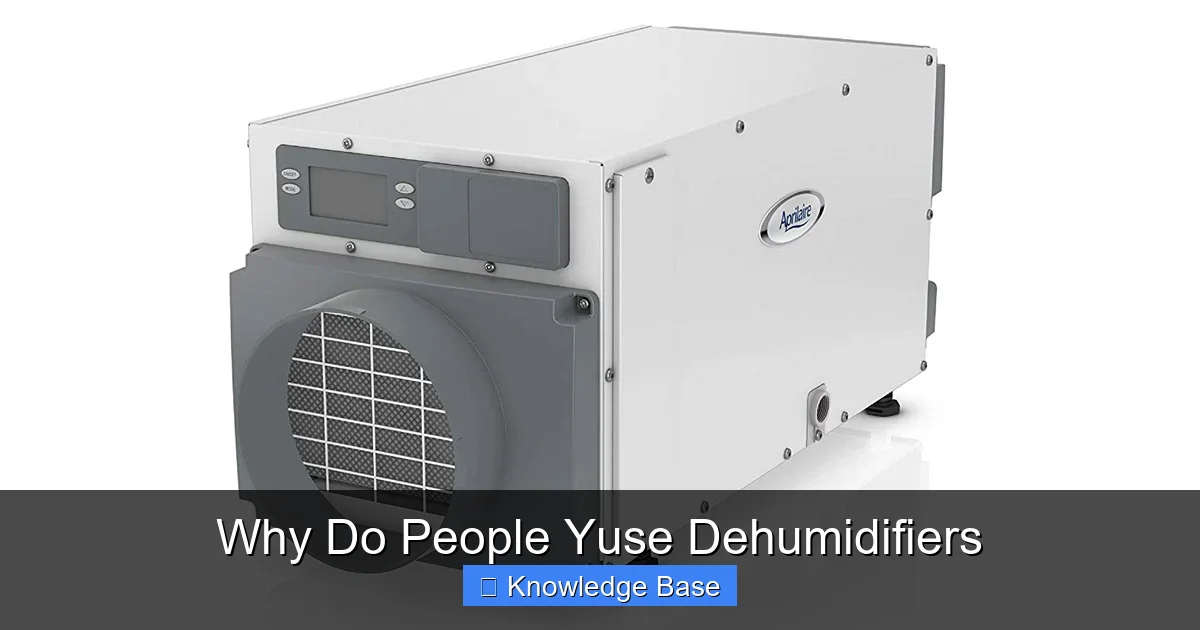
So how do dehumidifiers work? Most home dehumidifiers use a refrigeration process similar to an air conditioner. Here’s a simplified breakdown:
1. A fan pulls humid air into the unit.
2. The air passes over cold coils, causing moisture to condense into water droplets.
3. The collected water drips into a built-in tank or is drained directly via a hose.
4. The drier air is then reheated slightly and blown back into the room.
This process repeats continuously until the desired humidity level is reached. Some advanced models even have built-in hygrometers (humidity sensors) and automatic shut-off features to maintain optimal levels without constant monitoring.
Health Benefits of Using a Dehumidifier
Visual guide about Why Do People Yuse Dehumidifiers
Image source: essentialhomeandgarden.com
One of the most compelling reasons people use dehumidifiers is to improve their health. High humidity doesn’t just feel uncomfortable—it can actively harm your well-being, especially if you have respiratory conditions or allergies.
Reducing Allergens and Irritants
Dust mites, mold spores, and mildew thrive in damp environments. Dust mites, for example, can’t survive in humidity below 50%. By keeping indoor humidity in check, dehumidifiers make it harder for these allergens to survive and multiply.
For people with asthma or allergies, this can mean fewer symptoms like sneezing, coughing, and wheezing. A study published in the *Journal of Allergy and Clinical Immunology* found that reducing indoor humidity significantly decreased dust mite populations and improved respiratory health in allergy sufferers.
Preventing Mold Growth
Mold is not only unsightly—it’s dangerous. Mold spores can trigger allergic reactions, respiratory issues, and even infections in people with weakened immune systems. Mold grows quickly in areas with high moisture, such as behind walls, under sinks, or in basements.
A dehumidifier helps prevent mold by removing the moisture it needs to grow. This is especially important in homes with poor ventilation or past water damage. Even if you can’t see mold, it may be lurking in hidden spaces. A dehumidifier acts as a proactive defense.
Improving Sleep and Comfort
High humidity can make it harder to sleep. Stuffy, damp air feels heavier and can cause night sweats, congestion, and restlessness. By lowering humidity, dehumidifiers help create a cooler, drier sleeping environment. Many users report better sleep quality and fewer nighttime awakenings after using a dehumidifier in the bedroom.
Protecting Your Home and Belongings
Beyond health, dehumidifiers offer significant benefits for your home and possessions. Excess moisture can cause long-term damage that’s expensive and difficult to repair.
Preventing Structural Damage
Wood is highly sensitive to moisture. Over time, high humidity can cause wood floors, beams, and furniture to warp, swell, or rot. In basements and crawl spaces, moisture can weaken foundation walls and lead to cracks or leaks.
Metal components, like nails, screws, and appliances, are also at risk. Rust and corrosion occur more rapidly in damp environments. A dehumidifier helps preserve the structural integrity of your home by keeping moisture levels in check.
Preserving Furniture, Electronics, and Valuables
Your belongings are also vulnerable to humidity. Leather furniture can develop mold, books and photos can warp or mildew, and electronics can short-circuit due to moisture buildup. Even clothing stored in closets can develop musty odors if the air is too damp.
By using a dehumidifier in storage areas, you can extend the life of your valuables. For example, a dehumidifier in a basement storage room can protect seasonal clothing, holiday decorations, and important documents from moisture damage.
Eliminating Musty Odors
That “basement smell” isn’t just unpleasant—it’s a sign of excess moisture. Musty odors are caused by mold, mildew, and bacteria growing in damp environments. A dehumidifier doesn’t just mask the smell; it eliminates the source by drying out the air.
Many users notice a dramatic improvement in indoor air quality within days of using a dehumidifier. Rooms feel fresher, cleaner, and more inviting.
Energy Efficiency and Cost Savings
You might be surprised to learn that dehumidifiers can actually save you money on energy bills. Here’s how.
Making Air Conditioning More Effective
When the air is humid, your air conditioner has to work harder. Humid air feels warmer because sweat doesn’t evaporate as easily from your skin. This makes you feel hotter, prompting you to lower the thermostat.
But dehumidified air feels cooler and more comfortable at the same temperature. This means you can set your thermostat a few degrees higher without sacrificing comfort. According to the U.S. Department of Energy, raising your thermostat by just 7–10 degrees for 8 hours a day can save up to 10% a year on heating and cooling costs.
Reducing Strain on HVAC Systems
High humidity forces your HVAC system to run longer and more frequently. Over time, this can lead to wear and tear, higher maintenance costs, and even premature failure. By using a dehumidifier, you reduce the load on your air conditioner, helping it last longer and operate more efficiently.
Some modern HVAC systems even come with built-in dehumidification features, but standalone dehumidifiers are often more effective—especially in problem areas like basements.
Lowering the Risk of Costly Repairs
Water damage from mold, rot, or leaks can cost thousands of dollars to repair. Insurance may not cover all types of moisture-related damage, especially if it’s due to neglect or poor maintenance. A dehumidifier is a small investment that can prevent major expenses down the road.
For example, a $200 dehumidifier can save you from a $5,000 mold remediation job. It’s a smart, proactive step in home maintenance.
Best Places to Use a Dehumidifier
Not all rooms need a dehumidifier, but certain areas benefit greatly from one. Here are the most common and effective locations.
Basements
Basements are the number one spot for dehumidifier use. They’re typically below ground, poorly ventilated, and prone to water seepage. Even if your basement looks dry, humidity levels can still be high. A dehumidifier helps keep the space usable—whether it’s a storage area, home gym, or living room.
Bathrooms and Laundry Rooms
These rooms generate a lot of moisture from showers, baths, and washing machines. Without proper ventilation, humidity can build up quickly. A small, portable dehumidifier or a vent fan with a humidity sensor can make a big difference.
Closets and Wardrobes
Small, enclosed spaces like closets can trap moisture, especially if they’re near bathrooms or outside walls. A mini dehumidifier or moisture-absorbing packets can prevent musty odors and protect clothing.
Crawl Spaces
Crawl spaces are often overlooked but can be major sources of indoor humidity. Moisture rises from the ground and enters the home, affecting air quality and structural health. A crawl space dehumidifier or encapsulation system can solve this problem.
Whole-House Dehumidifiers
For larger homes or severe humidity issues, a whole-house dehumidifier may be the best option. These units are installed directly into your HVAC system and treat the entire home. They’re more expensive but offer comprehensive coverage and automatic humidity control.
Choosing the Right Dehumidifier for Your Needs
With so many models on the market, how do you pick the right one? Here are key factors to consider.
Size and Capacity
Dehumidifiers are rated by how many pints of moisture they can remove in 24 hours. For small spaces like bathrooms, a 25–30 pint model may suffice. For basements or large rooms, look for 50–70 pint units.
Measure the square footage of the area and check the manufacturer’s recommendations. A unit that’s too small won’t be effective; one that’s too large may cycle on and off too frequently, reducing efficiency.
Energy Efficiency
Look for ENERGY STAR certified models, which use less electricity and cost less to operate. Check the energy factor (liters of water removed per kilowatt-hour) to compare efficiency.
Drainage Options
Most dehumidifiers have a built-in tank that needs to be emptied regularly. For convenience, choose a model with a continuous drainage option—just attach a hose and let the water flow directly into a floor drain or sump pump.
Noise Level
If you plan to use the dehumidifier in a bedroom or living area, consider the noise level. Look for models with quiet operation (under 50 decibels) and features like auto-defrost to prevent ice buildup on coils.
Smart Features
Some advanced models come with Wi-Fi connectivity, allowing you to monitor and control humidity levels from your smartphone. Others have built-in hygrometers, automatic shut-off, and programmable timers for added convenience.
Maintenance Tips for Long-Term Performance
To keep your dehumidifier running efficiently, regular maintenance is essential.
Clean the Filter
Most dehumidifiers have an air filter that traps dust and debris. Check and clean it monthly, or replace it as recommended. A dirty filter reduces airflow and efficiency.
Empty the Water Tank
If your unit doesn’t have continuous drainage, empty the tank regularly to prevent overflow. Some models have alarms or auto-shutoff when the tank is full.
Inspect Coils and Drain Pan
Over time, coils can collect dust and the drain pan can develop mold. Wipe them down with a damp cloth and mild detergent. Avoid using harsh chemicals that could damage the unit.
Check for Ice Buildup
In cold environments, coils can freeze. If you notice ice, turn off the unit and let it thaw. Use a model with auto-defrost if you live in a cooler climate.
Store Properly During Off-Seasons
If you only use your dehumidifier seasonally, clean it thoroughly before storing. Keep it in a dry, dust-free place to prevent damage.
Conclusion: A Healthier, More Comfortable Home
So, why do people use dehumidifiers? The answer is simple: to create a healthier, more comfortable, and more durable living environment. From reducing allergens and preventing mold to protecting your home and saving on energy costs, the benefits are clear and far-reaching.
Whether you’re dealing with a damp basement, musty odors, or allergy symptoms, a dehumidifier can make a noticeable difference. It’s not just about comfort—it’s about long-term health and home preservation.
Investing in a quality dehumidifier is one of the smartest decisions you can make for your indoor air quality. With the right model and proper maintenance, you’ll enjoy cleaner air, fewer health issues, and a home that feels fresh and inviting year-round.
Don’t wait for mold to grow or your energy bills to spike. Take control of your indoor humidity today and experience the difference a dehumidifier can make.
Frequently Asked Questions
Do dehumidifiers help with allergies?
Yes, dehumidifiers can significantly reduce allergens like dust mites and mold spores by lowering indoor humidity. This helps alleviate allergy symptoms such as sneezing, coughing, and congestion.
Can a dehumidifier replace an air conditioner?
No, a dehumidifier only removes moisture from the air, not heat. However, it can make the air feel cooler and more comfortable, allowing you to use your AC less.
How often should I run my dehumidifier?
Run your dehumidifier continuously during humid months or whenever indoor humidity exceeds 50%. Many models have auto-settings that maintain optimal levels automatically.
Will a dehumidifier increase my electricity bill?
While dehumidifiers use electricity, they can actually lower overall energy costs by reducing the need for air conditioning. ENERGY STAR models are especially efficient.
Can I use a dehumidifier in the winter?
Yes, but only if indoor humidity is high. In cold weather, some models may ice up. Look for units with auto-defrost features for winter use.
How do I know if I need a dehumidifier?
Signs include musty odors, condensation on windows, peeling paint, or visible mold. A hygrometer can measure indoor humidity—anything above 50% suggests you may need one.