
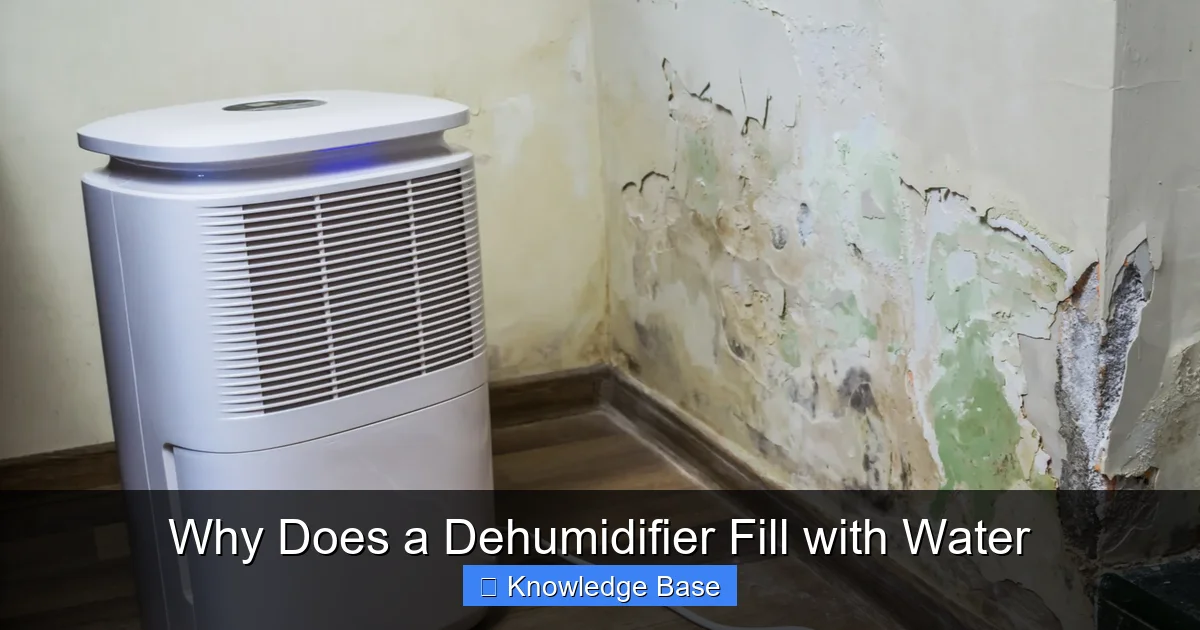
A dehumidifier fills with water because it actively removes moisture from the air through a refrigeration process. This collected water is stored in an internal bucket or drained continuously, helping maintain healthy humidity levels in your home.
Key Takeaways
- Dehumidifiers extract moisture from air: They pull humid air in, cool it to condense water vapor, and collect the liquid in a tank.
- Water collection is normal and expected: A full tank means the unit is working properly to reduce indoor humidity.
- Humidity levels affect fill rate: Higher indoor humidity causes faster water accumulation in the reservoir.
- Proper placement improves efficiency: Position the dehumidifier in damp areas like basements or laundry rooms for optimal performance.
- Regular maintenance prevents issues: Emptying the tank, cleaning filters, and checking drainage prevent overflow and mold growth.
- Continuous drainage is an option: Use a hose to bypass the bucket and avoid frequent emptying in high-moisture environments.
- Frost or ice buildup can slow water collection: Low temperatures may cause coils to freeze, reducing efficiency until defrosted.
📑 Table of Contents
- Why Does a Dehumidifier Fill with Water? Understanding the Science Behind It
- How a Dehumidifier Works: The Step-by-Step Process
- Factors That Influence How Fast a Dehumidifier Fills with Water
- Is It Normal for a Dehumidifier to Fill with Water Quickly?
- How to Manage and Maintain Your Dehumidifier’s Water Tank
- Common Misconceptions About Dehumidifier Water Collection
- When to Be Concerned: Signs of a Problem
- Conclusion
Why Does a Dehumidifier Fill with Water? Understanding the Science Behind It
If you’ve ever walked past your dehumidifier and noticed the water tank is full—again—you might wonder, “Why does a dehumidifier fill with water so quickly?” The short answer? It’s doing exactly what it’s supposed to do. A dehumidifier fills with water because it’s actively pulling moisture out of the air in your home. This process is essential for maintaining comfortable, healthy indoor air quality, especially in damp or humid environments.
But how does this actually work? Think of your dehumidifier as a mini weather system inside your home. It draws in warm, moist air from the room, cools it down to condense the water vapor, and then releases drier, cooler air back into the space. The moisture that’s removed collects as liquid water in a built-in reservoir or bucket. Over time, this bucket fills up—sometimes in just a few hours, depending on the humidity level.
This might seem counterintuitive at first. After all, you bought a dehumidifier to *remove* water, not collect it. But the presence of water in the tank is actually a sign that the unit is functioning correctly. Without this collection process, the moisture would remain in the air, leading to problems like mold growth, musty odors, and damage to furniture or walls.
Understanding why your dehumidifier fills with water helps you appreciate its role in your home’s climate control. It’s not a flaw—it’s a feature. And knowing how and why this happens can help you maintain the unit properly, avoid common issues, and get the most out of your investment.
How a Dehumidifier Works: The Step-by-Step Process

Visual guide about Why Does a Dehumidifier Fill with Water
Image source: bestdehumidifier.reviews
To truly grasp why a dehumidifier fills with water, it helps to break down the internal mechanics. Most residential dehumidifiers use a refrigeration-based system, which is similar to how an air conditioner works. Here’s a simple step-by-step explanation of the process:
1. Air Intake
The dehumidifier starts by drawing in humid air from the room using an internal fan. This air is typically warm and carries a high concentration of water vapor—especially in areas like basements, bathrooms, or laundry rooms.
2. Cooling the Air
Once inside, the air passes over a set of cold evaporator coils. These coils are cooled by a refrigerant circulating through the system. As the warm, moist air touches the cold surface, the temperature drops rapidly.
3. Condensation Forms
When air cools, its ability to hold moisture decreases. This causes the water vapor in the air to condense into liquid droplets—just like how dew forms on grass in the morning. These droplets collect on the coils.
4. Water Collection
The condensed water drips off the coils and into a collection tray or bucket located beneath them. This is the water you see filling up in the tank. Depending on the model, the bucket may hold anywhere from 1 to 2 gallons of water.
5. Drying and Reheating
After the moisture is removed, the now-dry air passes over a set of warm condenser coils. This reheats the air slightly before it’s blown back into the room. The result is cooler, drier air that helps reduce overall humidity levels.
6. Repeat Cycle
The process repeats continuously as long as the dehumidifier is running and the humidity level is above the set threshold. Most units have a built-in humidistat that monitors air moisture and turns the system on or off as needed.
This cycle is highly efficient and effective at reducing indoor humidity. But it also means that water will accumulate in the tank over time—especially in high-humidity environments. That’s why regular maintenance, like emptying the bucket, is so important.
Factors That Influence How Fast a Dehumidifier Fills with Water
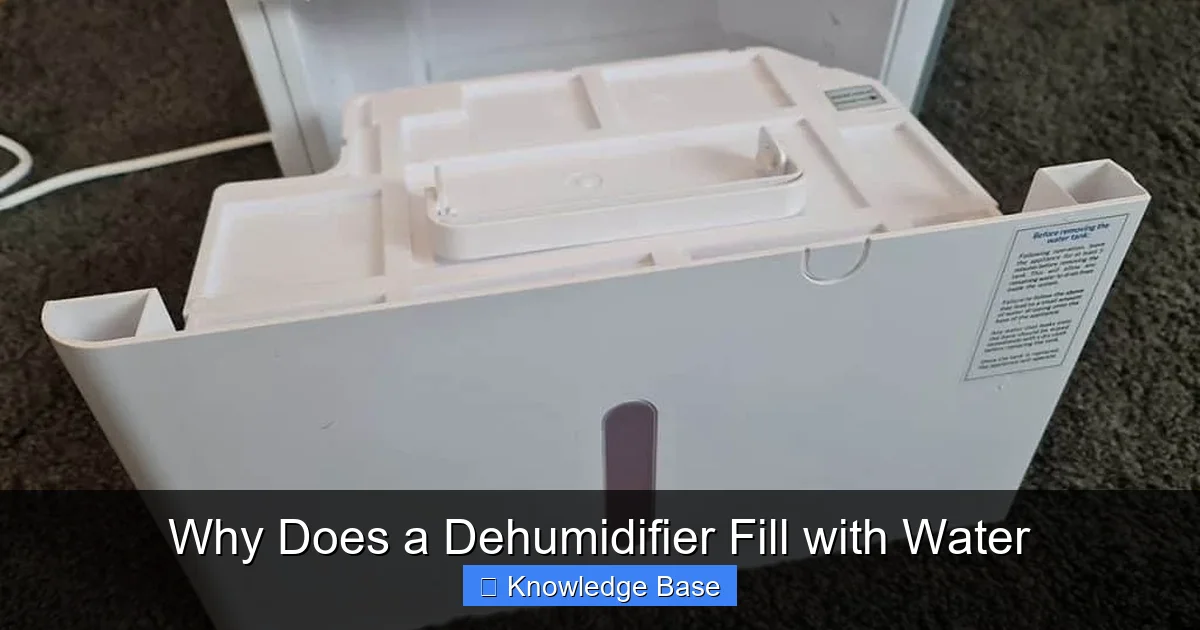
Visual guide about Why Does a Dehumidifier Fill with Water
Image source: thehumidistat.com
Not all dehumidifiers fill at the same rate. Several factors determine how quickly water accumulates in the tank. Understanding these can help you manage expectations and optimize performance.
Indoor Humidity Levels
The most significant factor is the relative humidity (RH) in your home. If the air is very humid—say, above 60% RH—your dehumidifier will work harder and collect water faster. For example, in a damp basement after a rainy week, you might find the tank full every 6 to 8 hours. In contrast, a dry living room with 40% RH may only require emptying once a day or less.
Room Size and Airflow
Larger rooms or spaces with poor airflow can slow down the dehumidification process. If the unit is too small for the area, it may run constantly but still struggle to keep up. Conversely, a properly sized dehumidifier in a well-ventilated room will operate more efficiently and fill the tank at a predictable rate.
Temperature
Dehumidifiers work best in temperatures between 65°F and 80°F (18°C to 27°C). In colder environments—like an unheated garage or crawl space—the coils can drop below freezing. This causes moisture to freeze instead of condensing, leading to ice buildup. When this happens, the unit may stop collecting water until it defrosts, either automatically or manually.
Frequency of Use
How often you run the dehumidifier also affects water collection. Running it continuously during humid seasons will naturally result in more frequent tank fills. Some models have auto-restart features after a power outage, which can lead to unexpected water accumulation if you’re not monitoring it.
Filter Condition
A dirty or clogged air filter restricts airflow, reducing the unit’s ability to pull in moist air. This slows down the dehumidification process and can cause the tank to fill more slowly than expected. Regular filter cleaning—usually every 4 to 6 weeks—ensures optimal performance.
Drainage Setup
If your dehumidifier is connected to a continuous drainage hose, the water bypasses the bucket entirely and flows directly into a floor drain or sump pump. In this case, the tank won’t fill at all. However, if the hose becomes kinked, clogged, or improperly positioned, water may back up and still collect in the bucket.
By monitoring these factors, you can better predict how often your dehumidifier will fill with water and adjust usage or maintenance accordingly.
Is It Normal for a Dehumidifier to Fill with Water Quickly?
Yes—it’s completely normal for a dehumidifier to fill with water quickly, especially under certain conditions. In fact, a rapidly filling tank is often a sign that the unit is working efficiently to combat high humidity.
For instance, if you live in a tropical climate or experience seasonal monsoons, your indoor air may contain a lot of moisture. A dehumidifier in such an environment can extract several pints of water per day. Some high-capacity models can remove up to 70 pints (about 8.75 gallons) in 24 hours under extreme conditions.
Similarly, activities that generate moisture—like showering, cooking, or doing laundry—can spike indoor humidity levels. If you run your dehumidifier in a bathroom or kitchen during or after these activities, expect the tank to fill faster than usual.
However, if your dehumidifier is filling unusually fast—even in a dry environment—it could indicate an issue. For example:
– A malfunctioning humidistat might cause the unit to run nonstop.
– A refrigerant leak could reduce cooling efficiency, leading to inconsistent condensation.
– A blocked drain hose (in continuous drainage setups) might cause water to back up into the bucket.
In most cases, though, a fast-filling tank is nothing to worry about. It simply means your dehumidifier is doing its job. The key is to stay on top of maintenance and empty the tank regularly to prevent overflow.
How to Manage and Maintain Your Dehumidifier’s Water Tank
Proper maintenance is essential to keep your dehumidifier running smoothly and prevent water-related problems. Here are some practical tips to manage the water tank effectively:
Empty the Tank Regularly
Check the water level daily, especially during humid weather. Most dehumidifiers have a float switch that automatically shuts off the unit when the tank is full. But if you forget to empty it, the switch can fail, leading to overflow and potential water damage.
To empty the tank:
1. Turn off and unplug the dehumidifier.
2. Remove the bucket carefully to avoid spilling.
3. Pour the water into a sink, toilet, or outdoor drain.
4. Wipe the interior with a clean cloth to remove any residue or mold.
5. Reinsert the bucket and restart the unit.
Clean the Tank Weekly
Over time, mineral deposits, mold, and bacteria can grow inside the tank, especially if water sits for long periods. To prevent this:
– Use a mixture of white vinegar and water (1:1 ratio) to scrub the interior.
– Rinse thoroughly and let it air dry before reinserting.
– Avoid harsh chemicals that could damage the plastic or leave harmful residues.
Use a Continuous Drainage Hose
If you’re tired of emptying the tank, consider installing a continuous drainage system. Most dehumidifiers have a built-in hose connector at the back. Simply attach a standard garden hose and route it to a floor drain, sump pump, or outside.
Tips for successful drainage:
– Ensure the hose slopes downward to allow gravity flow.
– Secure the hose with clips to prevent kinks or disconnection.
– Check the drain line periodically for clogs, especially if you have hard water.
Inspect and Clean the Air Filter
A clean filter ensures proper airflow and efficient moisture removal. Most manufacturers recommend cleaning the filter every 4 to 6 weeks. To clean:
– Remove the filter from the front or side panel.
– Vacuum loose dust or rinse it under lukewarm water.
– Let it dry completely before reinstalling.
Check for Frost or Ice Buildup
If you notice ice forming on the coils, the unit may be operating in temperatures below 65°F (18°C). Turn off the dehumidifier and let it defrost for a few hours. Consider moving it to a warmer area or using a model with an auto-defrost feature.
Monitor Humidity Levels
Use a hygrometer to track indoor humidity. Aim for a range of 30% to 50% for comfort and health. If levels are consistently high, you may need a larger unit or additional ventilation.
By following these maintenance steps, you’ll extend the life of your dehumidifier and ensure it continues to fill with water efficiently—without causing headaches.
Common Misconceptions About Dehumidifier Water Collection
Despite their widespread use, dehumidifiers are often misunderstood. Here are some common myths and the truth behind them:
Myth: The Water Is Dirty and Should Be Avoided
While the collected water isn’t potable, it’s not “dirty” in the traditional sense. It’s essentially distilled water that has condensed from the air. However, it can contain trace minerals, dust, or mold spores if the tank isn’t cleaned regularly. Never drink it, but it’s safe to pour down the drain.
Myth: A Full Tank Means the Dehumidifier Is Broken
On the contrary—a full tank means the unit is working correctly. If the tank never fills, it could indicate a problem like a refrigerant leak, faulty fan, or clogged coils.
Myth: Dehumidifiers Waste Energy by Producing Water
While dehumidifiers do use electricity, the energy is used to remove moisture, not create water. The process is highly efficient, especially compared to the cost of repairing mold damage or replacing warped wood.
Myth: You Only Need a Dehumidifier in the Summer
Humidity can be a problem year-round, especially in basements or coastal areas. Winter indoor heating can also create condensation issues. Running a dehumidifier in colder months helps prevent mold and musty odors.
Myth: All Dehumidifiers Work the Same Way
There are different types—refrigerant, desiccant, and thermoelectric—each with unique mechanisms. Refrigerant models are most common and best for warm, humid climates. Desiccant dehumidifiers work better in cold environments but may be less efficient in high heat.
Understanding these facts helps you use your dehumidifier more effectively and appreciate why it fills with water.
When to Be Concerned: Signs of a Problem
While water collection is normal, certain signs may indicate a malfunction:
– The tank fills but the air still feels damp (possible humidistat issue).
– Water leaks from the unit (check seals, hose connections, or cracks in the tank).
– The unit runs constantly but collects little water (could be low refrigerant or dirty coils).
– Unusual noises or odors (may signal mechanical failure or mold growth).
If you notice any of these issues, consult the user manual or contact the manufacturer for support.
Conclusion
So, why does a dehumidifier fill with water? Because it’s successfully removing excess moisture from your home’s air. This process is essential for preventing mold, reducing allergens, and maintaining a comfortable living environment. The water in the tank is a byproduct of condensation—proof that your unit is doing its job.
By understanding how dehumidifiers work, what affects their performance, and how to maintain them, you can enjoy cleaner, drier air without the hassle of constant tank emptying. Whether you use a basic bucket model or a continuous drainage system, regular care ensures long-term efficiency and reliability.
Remember: a full water tank isn’t a problem—it’s a success. And with the right knowledge and habits, your dehumidifier will keep your home healthy and comfortable for years to come.
Frequently Asked Questions
Why does my dehumidifier fill with water so fast?
Your dehumidifier may fill quickly due to high indoor humidity, frequent use, or activities that add moisture to the air, like showering or cooking. This is normal and indicates the unit is working efficiently.
Is the water in a dehumidifier safe to drink?
No, the collected water is not safe to drink. While it’s technically distilled, it can contain dust, mold, or minerals from the air and tank. Always dispose of it properly.
Can I leave my dehumidifier on all the time?
Yes, most dehumidifiers are designed for continuous use. Just ensure the tank is emptied regularly or use a drainage hose to prevent overflow.
Why isn’t my dehumidifier collecting any water?
Possible causes include low humidity, a dirty filter, frozen coils, or a malfunctioning component. Check the environment and perform basic maintenance first.
How often should I clean my dehumidifier’s water tank?
Clean the tank weekly with vinegar and water to prevent mold and bacteria growth, especially if you notice odors or residue.
Can I use a dehumidifier in cold temperatures?
Most refrigerant dehumidifiers work best above 65°F (18°C). In colder areas, consider a desiccant model or one with auto-defrost to avoid ice buildup.