

A dehumidifier freezes when cold coils meet moist air, forming ice that blocks airflow and reduces efficiency. This often happens in low temperatures, poor ventilation, or due to dirty filters and refrigerant issues. Regular maintenance and proper placement can prevent freezing and extend your unit’s life.
Key Takeaways
- Low ambient temperatures: Dehumidifiers are designed for use in rooms above 65°F (18°C). In colder spaces like basements or garages, the coils can drop below freezing, causing ice buildup.
- Dirty air filters and coils: Clogged filters restrict airflow, making coils colder and more prone to freezing. Regular cleaning prevents this issue.
- Refrigerant leaks or low levels: Insufficient refrigerant reduces cooling efficiency, leading to uneven temperatures and potential ice formation on coils.
- Overworking the unit: Running a dehumidifier continuously in high-humidity, low-temperature environments can overwhelm the system and cause freezing.
- Poor ventilation or blocked vents: Restricted airflow prevents proper heat exchange, increasing the risk of coil freezing.
- Defrost cycle malfunction: Some units have automatic defrost features. If this fails, ice accumulates and the unit may shut down.
- Prevention is key: Regular cleaning, proper placement, and using the right-sized unit for your space help avoid freezing problems.
📑 Table of Contents
Understanding How a Dehumidifier Works
Before diving into why a dehumidifier freezes, it helps to understand how it operates. A dehumidifier removes excess moisture from the air, making indoor spaces more comfortable and preventing mold, mildew, and musty odors. Most home dehumidifiers use a refrigeration-based system, similar to an air conditioner.
Here’s how it works: The unit pulls in humid air using a fan. This air passes over cold evaporator coils, where moisture condenses into water droplets. These droplets collect in a built-in bucket or drain hose. The now-drier air then moves over warm condenser coils, reheats slightly, and is released back into the room. This cycle repeats continuously to maintain your desired humidity level.
The evaporator coils are especially important—they’re the coldest part of the system. When warm, moist air hits these coils, the moisture turns to water. But if the coils get too cold—below freezing—that moisture turns to ice instead. Over time, this ice builds up, blocks airflow, and can damage the unit.
Knowing this process helps explain why freezing occurs. It’s not that the dehumidifier is broken—it’s often a sign that conditions aren’t ideal for its operation. Whether it’s the room temperature, airflow, or maintenance habits, several factors can tip the balance and lead to ice formation.
Why Does a Dehumidifier Freeze? The Top Causes
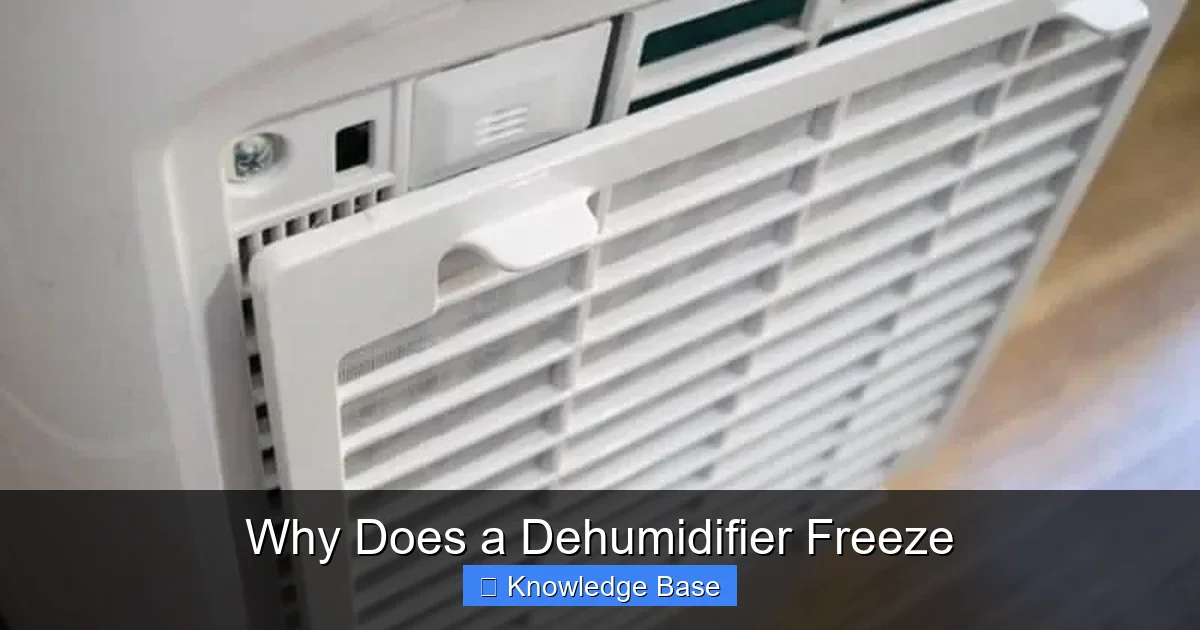
Visual guide about Why Does a Dehumidifier Freeze
Image source: hvac-boss.com
There’s no single reason why a dehumidifier freezes. Instead, it’s usually a combination of environmental and mechanical factors. Let’s break down the most common causes so you can spot them early and take action.
1. Operating in Low Temperatures
This is the number one reason dehumidifiers freeze. Most standard dehumidifiers are designed to work best in temperatures between 65°F and 80°F (18°C to 27°C). When you place one in a cold basement, garage, or unheated crawl space—especially during winter—the air temperature can drop below 60°F (15°C).
In these conditions, the evaporator coils can cool down to 32°F (0°C) or lower. When warm, humid air from the room hits these freezing coils, the moisture doesn’t just condense—it freezes instantly. Over time, a thick layer of ice builds up, blocking airflow and stopping the dehumidifier from working.
For example, imagine running a dehumidifier in a basement that’s 55°F (13°C) with high humidity. The unit pulls in damp air, but the coils are already near freezing. Within hours, ice forms, and the machine may shut off due to a safety sensor.
The solution? Use a dehumidifier rated for low temperatures. These models, often labeled “cold-climate” or “basement dehumidifiers,” have special components like larger coils or enhanced defrost systems to handle colder environments.
2. Dirty or Clogged Air Filters
Your dehumidifier has an air filter—usually a mesh or foam screen—that traps dust, pet hair, and other particles. Over time, this filter gets dirty and restricts airflow. When air can’t flow freely, the evaporator coils don’t get enough warm air to balance their temperature. As a result, they get colder than normal and are more likely to freeze.
Think of it like this: if you cover part of a fan, the blades slow down and the motor works harder. Similarly, a clogged filter forces the dehumidifier to work harder, but with less effective cooling. The coils stay cold, moisture freezes, and ice builds up.
Cleaning the filter every 2–4 weeks during heavy use can prevent this. Simply remove the filter, rinse it with warm water, and let it dry completely before reinstalling. If it’s damaged or too dirty to clean, replace it with a new one.
3. Blocked Vents or Poor Air Circulation
Dehumidifiers need good airflow to function properly. If the intake or exhaust vents are blocked—by furniture, walls, or even dust buildup—the unit can’t pull in enough air. This leads to the same problem as a dirty filter: reduced airflow causes coils to overcool and freeze.
For instance, placing a dehumidifier in a tight corner or behind a couch limits air movement. The machine pulls in the same small pocket of air repeatedly, which cools down quickly. Without fresh, warmer air flowing over the coils, ice forms.
To avoid this, keep at least 6–12 inches of space around all sides of the unit. Make sure vents are clean and unobstructed. If you’re using it in a small closet or bathroom, consider a compact model designed for tight spaces.
4. Refrigerant Issues
Refrigerant is the chemical that absorbs and releases heat inside the dehumidifier. If the refrigerant level is low—due to a leak or improper charging—the system can’t regulate temperature properly. This often causes the evaporator coils to become excessively cold, leading to ice buildup.
You might notice other signs of a refrigerant problem, such as reduced moisture removal, strange noises, or the unit running constantly without lowering humidity. Unlike a dirty filter, refrigerant issues usually require professional repair. Attempting to fix it yourself can be dangerous and may void your warranty.
If you suspect a refrigerant leak, turn off the dehumidifier and contact a certified HVAC technician. They can test the system, locate the leak, and recharge the refrigerant safely.
5. Overworking the Unit
Dehumidifiers are built to run continuously, but they’re not meant to operate 24/7 in extreme conditions. If you’re using a small unit in a very humid, cold space—like a damp garage in winter—it may struggle to keep up. The constant demand causes the coils to stay cold for too long, increasing the risk of freezing.
For example, a 30-pint dehumidifier in a 1,000-square-foot basement with 80% humidity and 50°F (10°C) air will work much harder than the same unit in a 500-square-foot room at 70°F (21°C). The colder, wetter environment pushes the system beyond its ideal range.
To prevent overworking, choose the right size dehumidifier for your space. Check the manufacturer’s recommendations based on square footage and humidity level. Also, consider using a hygrometer to monitor humidity and only run the unit when needed.
6. Defrost Cycle Malfunction
Many modern dehumidifiers have an automatic defrost feature. When sensors detect ice buildup, the unit temporarily switches to defrost mode—warming the coils to melt the ice. This usually takes a few minutes and happens without interrupting normal operation.
But if the defrost cycle fails—due to a faulty sensor, timer, or heating element—ice continues to build up. The dehumidifier may eventually shut down to prevent damage.
Signs of a defrost problem include visible ice on the coils, the unit turning on and off frequently, or reduced performance. If you suspect a defrost issue, consult your user manual or contact customer support. In some cases, a simple reset or filter cleaning can fix it. In others, professional repair is needed.
How to Prevent Your Dehumidifier from Freezing
Prevention is always better than repair. By taking a few simple steps, you can keep your dehumidifier running smoothly and avoid the frustration of ice buildup.
1. Maintain Proper Room Temperature
Keep the room where your dehumidifier operates above 65°F (18°C). If you’re using it in a basement or garage, consider using a space heater during colder months—just make sure it’s safe and not too close to the dehumidifier.
Alternatively, invest in a cold-climate dehumidifier. These models are specifically designed to work in temperatures as low as 41°F (5°C). They often have larger coils, better insulation, and enhanced defrost systems.
2. Clean the Filter Regularly
Set a reminder to clean the air filter every 2–4 weeks, especially during humid seasons. A clean filter ensures proper airflow and prevents coils from overcooling.
To clean it:
– Turn off and unplug the dehumidifier.
– Remove the filter (usually behind a front or side panel).
– Rinse it under warm water. Use a mild detergent if needed.
– Let it dry completely before reinstalling.
Never run the unit with a wet or missing filter.
3. Ensure Good Airflow
Place your dehumidifier in an open area with at least 6 inches of clearance on all sides. Avoid corners, behind furniture, or near walls.
If you’re using it in a small space, choose a compact model with front or top vents for better airflow. Also, clean the vents periodically to remove dust and debris.
4. Use the Right-Sized Unit
A dehumidifier that’s too small for your space will run constantly and may freeze. One that’s too large may cycle on and off too quickly, reducing efficiency.
Check the pint rating—this indicates how much moisture the unit can remove in 24 hours. For example:
– 30-pint: up to 500 sq. ft., moderate humidity
– 50-pint: up to 1,000 sq. ft., high humidity
– 70-pint: large basements or very damp areas
Match the size to your room and humidity level for best results.
5. Monitor Humidity Levels
Use a hygrometer to check indoor humidity. Ideal levels are between 30% and 50%. If humidity is too high, run the dehumidifier. If it’s already low, turn it off to avoid over-drying and unnecessary strain.
Some dehumidifiers have built-in hygrometers and auto-humidistats that adjust operation based on current conditions. These features help prevent overworking and freezing.
6. Schedule Regular Maintenance
In addition to cleaning the filter, inspect the coils, drain hose, and water bucket regularly. Remove any dust, mold, or debris.
If your unit has a washable coil cleaner, use it every few months to remove buildup. Never use harsh chemicals or abrasive tools.
Also, check the drain hose for clogs if you’re using continuous drainage. A blocked hose can cause water to back up and affect performance.
What to Do If Your Dehumidifier Is Already Frozen
If you discover ice on your dehumidifier, don’t panic. Here’s how to safely thaw and restart it.
1. Turn It Off and Unplug
Safety first. Turn off the dehumidifier and unplug it from the wall. This prevents electrical hazards and gives the unit time to thaw.
2. Let It Thaw Naturally
Place towels or a drip pan under the unit to catch melting ice. Let it sit for several hours—or overnight—until all ice has melted. Do not use a hairdryer or heat gun, as this can damage internal components.
3. Clean the Filter and Coils
Once thawed, remove and clean the air filter. Also, gently wipe the coils with a soft cloth to remove any remaining moisture or debris.
If the coils are heavily iced or corroded, consider professional cleaning.
4. Check for Blockages
Inspect the intake and exhaust vents for dust, lint, or obstructions. Clear any blockages to restore proper airflow.
5. Restart and Monitor
Plug the unit back in and turn it on. Set it to a moderate humidity level (around 45–50%) and monitor it for the first few hours. If ice forms again, there may be a deeper issue—like a refrigerant leak or defrost malfunction—that requires professional help.
Choosing the Right Dehumidifier for Cold Spaces
If you frequently deal with cold, damp areas, a standard dehumidifier may not be enough. Here’s what to look for in a cold-climate model.
1. Low-Temperature Rating
Check the manufacturer’s specifications. Look for units rated to operate at 41°F (5°C) or lower. These are often labeled “basement dehumidifiers” or “cold-weather models.”
2. Enhanced Defrost System
Cold-climate dehumidifiers typically have advanced defrost cycles that activate more frequently and efficiently. Some use hot gas defrost, which is faster and more reliable than electric heating elements.
3. Larger Coils and Better Insulation
These units often have larger evaporator and condenser coils to improve heat exchange. Better insulation helps maintain internal temperatures, reducing the risk of freezing.
4. Energy Efficiency
Even in cold conditions, you want a model that uses energy wisely. Look for ENERGY STAR-certified dehumidifiers, which meet strict efficiency guidelines.
5. Additional Features
Consider models with:
– Auto-restart after power outages
– Continuous drainage options
– Built-in humidistat
– Washable filters
– Quiet operation (under 50 decibels)
Popular cold-climate brands include Frigidaire, hOmeLabs, and AprilAire. Read reviews and compare specs to find the best fit for your needs.
Conclusion
A dehumidifier freezing is a common but preventable issue. It usually happens when cold coils meet moist air in less-than-ideal conditions—like low temperatures, poor airflow, or lack of maintenance. While it can be frustrating, understanding the causes helps you take action before it becomes a serious problem.
By keeping your unit clean, placing it correctly, and using the right model for your environment, you can avoid ice buildup and enjoy consistent performance. Regular maintenance, like filter cleaning and coil inspection, goes a long way in extending the life of your dehumidifier.
If your unit does freeze, don’t force it—let it thaw naturally and address the root cause. And if problems persist, don’t hesitate to consult a professional.
Remember, a dehumidifier is an investment in your home’s comfort and health. With a little care, it will keep your air dry, fresh, and ice-free for years to come.
Frequently Asked Questions
Can a dehumidifier freeze in summer?
It’s rare, but possible. If the room is air-conditioned to very low temperatures or the unit is placed near a cold surface, the coils might still drop below freezing. However, this is uncommon in typical summer conditions.
How often should I clean my dehumidifier filter?
Clean the filter every 2–4 weeks during heavy use, or monthly during lighter use. A dirty filter restricts airflow and increases the risk of freezing.
Will a frozen dehumidifier damage my home?
Not directly, but if ice blocks the drain or causes water to overflow, it could lead to water damage. Also, a frozen unit won’t remove moisture, which can encourage mold growth.
Can I use a space heater to prevent freezing?
Yes, but use caution. Place the heater safely away from the dehumidifier and flammable materials. Only use it to raise the room temperature above 65°F (18°C).
Should I run my dehumidifier in winter?
Only if the room is above 65°F (18°C) and humidity is high. In cold, dry winter air, dehumidifiers are usually unnecessary and may freeze.
What’s the difference between a regular and cold-climate dehumidifier?
Cold-climate models are designed to operate efficiently in temperatures as low as 41°F (5°C). They have better insulation, larger coils, and improved defrost systems to prevent freezing.