

If your dehumidifier isn’t collecting water, it’s likely due to low humidity, a full tank, or mechanical issues. This guide walks you through the most common reasons and how to fix them quickly and safely.
Key Takeaways
- Low indoor humidity levels: If the air is already dry (below 40-50%), the dehumidifier won’t extract much moisture.
- Full or improperly installed water tank: A full tank or misaligned container triggers an automatic shut-off, stopping water collection.
- Frozen coils or airflow blockage: Dust, frost, or poor ventilation can freeze the coils, preventing the unit from pulling moisture from the air.
- Incorrect settings or mode selection: Using the wrong humidity setting or fan speed can reduce efficiency and water output.
- Mechanical or refrigerant issues: Compressor failure, low refrigerant, or sensor malfunctions can halt the dehumidifying process entirely.
- Environmental factors: Cold room temperatures (below 65°F) can cause frost buildup, while high airflow areas may reduce efficiency.
- Maintenance neglect: Dirty filters, clogged coils, or infrequent cleaning can severely impact performance over time.
📑 Table of Contents
Why Does a Dehumidifier Not Collect Water?
You’ve just set up your dehumidifier in the basement, turned it on, and waited. But after several hours—or even a full day—you check the water tank and find it completely empty. No water. Nothing. You start to wonder: “Why does a dehumidifier not collect water?” You’re not alone. This is one of the most common concerns homeowners face, especially during seasonal changes or when using a dehumidifier for the first time.
At first glance, it might seem like the unit is broken. But in many cases, the issue isn’t mechanical failure—it’s something much simpler. Dehumidifiers work by pulling in humid air, cooling it to condense moisture, and then releasing dry air back into the room. If any part of this process is disrupted, water collection stops. The good news? Most causes are easy to identify and fix with a little troubleshooting.
In this comprehensive guide, we’ll explore the top reasons why your dehumidifier might not be collecting water. From environmental conditions to mechanical problems, we’ll break down each possibility, explain how it affects performance, and offer practical solutions. Whether you’re dealing with a brand-new unit or an older model that’s suddenly stopped working, this article will help you get your dehumidifier back on track—so you can enjoy a drier, more comfortable home.
Understanding How a Dehumidifier Works
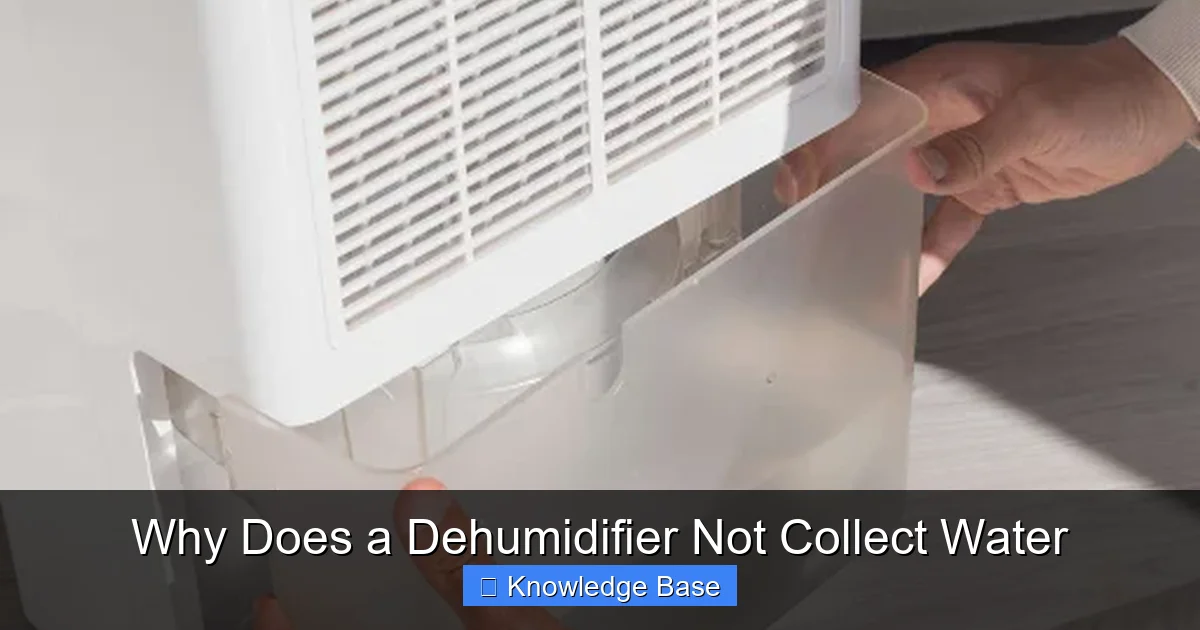
Visual guide about Why Does a Dehumidifier Not Collect Water
Image source: wisdommachining.com
Before diving into the reasons your dehumidifier isn’t collecting water, it’s important to understand how these devices function. Knowing the basics helps you spot problems faster and make smarter decisions about maintenance and usage.
Most residential dehumidifiers use a refrigeration-based system, similar to an air conditioner. Here’s a simplified breakdown of the process:
First, a fan draws humid air from the room into the unit. This air passes over cold evaporator coils. As the air cools, the moisture in it condenses into water droplets—just like how dew forms on grass in the morning. These droplets collect on the coils and drip into a built-in water tank or drain hose. Meanwhile, the now-dry air is reheated slightly as it passes over warm condenser coils and is blown back into the room.
This cycle repeats continuously, lowering the overall humidity level. The amount of water collected depends on several factors: the initial humidity, room temperature, airflow, and the efficiency of the unit itself.
It’s also worth noting that dehumidifiers have internal sensors and controls. They monitor humidity levels and automatically adjust operation or shut off when the desired humidity is reached or if a problem is detected—like a full water tank. This automation is great for convenience, but it can also be the reason your unit appears “broken” when it’s actually working as intended.
Understanding this process helps explain why your dehumidifier might not collect water. If the air isn’t humid enough, the coils aren’t cold enough, or the system is interrupted, condensation won’t occur. Let’s explore these scenarios in detail.
The Role of Humidity Levels
One of the most overlooked reasons a dehumidifier doesn’t collect water is simply that the air isn’t humid enough to begin with. Dehumidifiers are designed to reduce excess moisture, not to work in already dry environments.
For example, if your indoor humidity is already at 35%, the unit may not pull much—if any—water from the air. Most dehumidifiers operate most efficiently when humidity is between 50% and 80%. Below 40%, the amount of moisture available for condensation drops significantly.
Imagine trying to collect rain in a desert. There’s just not enough water in the air. The same logic applies here. If you’re running a dehumidifier in a dry climate or during winter when indoor air is naturally drier due to heating, you may see little to no water collection—even if the unit is working perfectly.
To check this, use a hygrometer (a device that measures humidity) to test the air in the room where the dehumidifier is running. If the reading is below 40%, that’s likely the culprit. In such cases, the dehumidifier isn’t broken—it’s just doing its job by maintaining a healthy, dry environment.
Temperature and Airflow Considerations
Another key factor is room temperature. Dehumidifiers rely on cold coils to condense moisture. If the air entering the unit is too warm or too cold, the process can be disrupted.
Most standard dehumidifiers work best in temperatures between 65°F and 80°F (18°C to 27°C). When the room is colder than 65°F, the evaporator coils can drop below freezing, causing moisture to freeze on the surface instead of dripping into the tank. This is called frost buildup, and it stops the dehumidification process entirely.
You might notice the unit running but not collecting water, or hear the fan spinning while the compressor cycles on and off frequently. In severe cases, the unit may shut down automatically to prevent damage.
On the flip side, if the room is too hot or the dehumidifier is placed near a heat source (like a furnace or radiator), the air may not cool enough on the coils to allow condensation. This reduces water collection efficiency.
Airflow is equally important. If the unit is placed in a corner, behind furniture, or in a cramped space, air can’t circulate properly. The fan can’t pull in enough humid air, and the system becomes less effective. Always ensure at least 6–12 inches of clearance around the dehumidifier for optimal airflow.
Common Causes and How to Fix Them
Now that you understand how dehumidifiers work, let’s dive into the most common reasons why yours might not be collecting water—and what you can do about it.
1. The Water Tank Is Full or Not Properly Installed
This is one of the simplest and most frequent causes. Most dehumidifiers have a float switch or sensor that detects when the water tank is full. When triggered, the unit automatically shuts off to prevent overflow. If you don’t notice the tank is full, you might assume the dehumidifier isn’t working.
To check, turn off the unit and remove the tank. Look for a float mechanism—a small plastic piece that rises as water fills the tank. If it’s lifted, the tank is full. Empty it, wipe it clean, and reinsert it firmly. Make sure it clicks into place or sits level. A misaligned tank can prevent the sensor from resetting, keeping the unit off even after emptying.
Some models also have a “tank full” indicator light. If this light is on, the unit won’t run until the tank is emptied and reseated properly.
Pro tip: If you’re using a continuous drain hose, ensure it’s not kinked, clogged, or positioned higher than the drain outlet. Gravity needs to work in your favor for water to flow out smoothly.
2. Frozen Evaporator Coils
Frost or ice buildup on the evaporator coils is a major reason dehumidifiers stop collecting water—especially in cold basements or garages.
As mentioned earlier, when the coils get too cold (below 32°F or 0°C), moisture freezes instead of dripping. Over time, this ice layer insulates the coils, preventing them from cooling the incoming air. The result? No condensation, no water collection.
You can often spot this issue by looking through the air intake grille. If you see a layer of frost or ice on the coils, that’s the problem.
To fix it, turn off the dehumidifier and let it sit for several hours to thaw completely. Never use a hairdryer or sharp object to speed up the process—this can damage the coils or electrical components.
Once thawed, check the room temperature. If it’s consistently below 65°F, consider moving the unit to a warmer area or using a dehumidifier specifically designed for low-temperature environments (often labeled as “cold-climate” or “low-temp” models).
Regular maintenance also helps. Clean the air filter monthly to ensure proper airflow. Restricted airflow forces the compressor to work harder, increasing the risk of freezing.
3. Dirty or Clogged Air Filter
The air filter is your dehumidifier’s first line of defense against dust, pet hair, and debris. Over time, it gets clogged, reducing airflow and efficiency.
When airflow is restricted, the unit can’t pull in enough air to cool the coils effectively. This leads to reduced condensation and less water collection. In extreme cases, the reduced airflow can cause the coils to freeze, even in warmer rooms.
Check your filter every 4–6 weeks, especially during high-use seasons. Most filters are washable—rinse them under warm water, let them dry completely, and reinstall. If the filter is damaged or too dirty to clean, replace it with a compatible model.
A clean filter not only improves water collection but also extends the life of your dehumidifier and reduces energy consumption.
4. Incorrect Humidity Settings
Dehumidifiers come with adjustable humidity settings, usually ranging from 30% to 80%. If the setting is too low—say, 30%—the unit will keep running until it reaches that level. But if the current humidity is already at 40%, it may take a long time to collect any noticeable water.
Conversely, if the setting is too high (like 70%), the unit might shut off too soon, before significant moisture is removed.
To get the best results, set the humidity between 45% and 50%. This is the ideal range for comfort and health, and it allows the dehumidifier to work efficiently without overworking.
Also, check the fan speed. Some models have low, medium, and high settings. A higher fan speed pulls in more air, increasing moisture removal. If your unit has this feature, try setting it to “high” for faster results.
5. Mechanical or Refrigerant Issues
If you’ve ruled out all the above causes and your dehumidifier still isn’t collecting water, there may be a mechanical problem.
Common issues include:
– **Compressor failure:** The compressor is the heart of the refrigeration system. If it’s not working, the coils won’t cool, and no condensation will occur. You might hear a clicking sound or notice the unit running but not cooling the air.
– **Low refrigerant:** Over time, refrigerant can leak, reducing the system’s ability to cool the coils. This requires professional repair or replacement.
– **Faulty sensors or controls:** Humidity sensors, float switches, or control boards can malfunction, causing the unit to shut off prematurely or not start at all.
These issues are harder to diagnose and usually require a technician. If your dehumidifier is under warranty, contact the manufacturer. If not, weigh the cost of repair against buying a new unit—especially if it’s more than 5–7 years old.
Environmental and Usage Factors
Sometimes, the problem isn’t the dehumidifier itself—it’s how or where you’re using it.
Room Size and Placement
Dehumidifiers are rated for specific room sizes, measured in square feet or pints per day (PPD). A unit rated for 30 pints may struggle in a large, damp basement but work fine in a small bathroom.
If your dehumidifier is undersized for the space, it will run constantly but collect little water because it can’t keep up with the moisture load.
Similarly, placement matters. Avoid putting the unit near sources of dry air (like vents or windows) or in areas with poor air circulation. The best spot is usually the center of the room or near the source of moisture—like a washing machine, water heater, or damp wall.
Seasonal Changes
Humidity levels fluctuate with the seasons. In winter, indoor air is often dry due to heating systems. In summer, humidity spikes, especially in basements and crawl spaces.
If you notice your dehumidifier collects less water in winter, it’s likely because the air is already dry. That’s normal. Conversely, during humid months, you should see more water collection—sometimes several pints per day.
Adjust your expectations based on the season. A dehumidifier that collects 2 pints in January might collect 8 pints in July.
High Airflow Areas
Placing a dehumidifier near a fan, open window, or air conditioner can disrupt its operation. Strong airflow can blow dry air into the unit, reducing the amount of moisture it can extract.
Similarly, if the room has constant air exchange (like a basement with a sump pump pit or crawl space vent), the dehumidifier may struggle to lower humidity because new moist air keeps entering.
In such cases, consider sealing air leaks, closing vents, or using a more powerful unit.
Maintenance Tips to Keep Your Dehumidifier Running Smoothly
Regular maintenance is the key to consistent performance and long-term reliability. Here’s how to keep your dehumidifier in top shape:
Clean the Filter Monthly
As mentioned earlier, a clean filter ensures proper airflow. Set a calendar reminder to check and clean the filter every 4–6 weeks.
Inspect and Clean the Coils
Every 6 months, turn off and unplug the unit. Use a soft brush or vacuum with a brush attachment to gently remove dust from the evaporator and condenser coils. Avoid using water or cleaning sprays unless specified by the manufacturer.
Check the Water Tank and Drain Hose
Empty the tank regularly—even if it’s not full—to prevent mold or bacteria growth. Wipe the interior with a mild bleach solution (1 tablespoon per gallon of water) once a month. Rinse thoroughly.
If using a drain hose, flush it with water periodically to remove any buildup.
Keep the Area Around the Unit Clear
Ensure at least 6–12 inches of space around the dehumidifier. Don’t block the air intake or exhaust vents with furniture, boxes, or curtains.
Run the Unit Regularly
Even in dry seasons, run the dehumidifier for a few hours a week to keep internal components lubricated and prevent seals from drying out.
When to Call a Professional
While many issues can be fixed at home, some problems require expert help. Contact a technician if:
– The unit runs but doesn’t cool the air or collect water after troubleshooting.
– You hear unusual noises (grinding, buzzing, or constant clicking).
– There’s a refrigerant leak (you might see oily residue near the coils).
– The compressor won’t start, even after resetting the unit.
– The dehumidifier trips the circuit breaker repeatedly.
Attempting to repair electrical or refrigerant components yourself can be dangerous and may void your warranty.
Conclusion
So, why does a dehumidifier not collect water? The answer is rarely “it’s broken.” More often, it’s a combination of environmental conditions, user settings, or maintenance oversights.
From low humidity and frozen coils to a full tank or dirty filter, the causes are usually straightforward to identify and fix. By understanding how your dehumidifier works and following a regular maintenance routine, you can ensure it performs efficiently year after year.
Remember: a dehumidifier is only as effective as the conditions it operates in. Keep the room at the right temperature, maintain proper airflow, and check the settings regularly. With a little attention, your unit will keep your home dry, comfortable, and free from mold and mildew.
If you’ve tried everything and still see no water collection, it may be time to consult a professional or consider upgrading to a more suitable model. But in most cases, the solution is simpler than you think—and well within your reach.
Frequently Asked Questions
Why is my dehumidifier running but not collecting water?
This is often due to low humidity, a full tank, or frozen coils. Check the humidity level, empty the tank, and inspect for ice buildup. Clean the filter and ensure proper airflow.
Can a dehumidifier work in cold temperatures?
Standard models struggle below 65°F and may freeze. Use a cold-climate dehumidifier designed for low temperatures if you’re running it in a basement or garage during winter.
How often should I empty the water tank?
Empty the tank when the “full” light comes on or every 1–2 days during high humidity. If using a drain hose, check it weekly for clogs.
Why does my dehumidifier keep shutting off?
It may be due to a full tank, frozen coils, or a faulty sensor. Check the tank, let the unit thaw if needed, and ensure the filter is clean.
Can I use a dehumidifier in a bathroom?
Yes, but choose a compact, high-moisture model. Ensure it’s placed away from water spray and has proper ventilation to avoid overworking.
How much water should a dehumidifier collect per day?
It depends on humidity and room size. In high humidity, a 30-pint unit may collect 15–30 pints daily. In dry conditions, it may collect little to no water.