
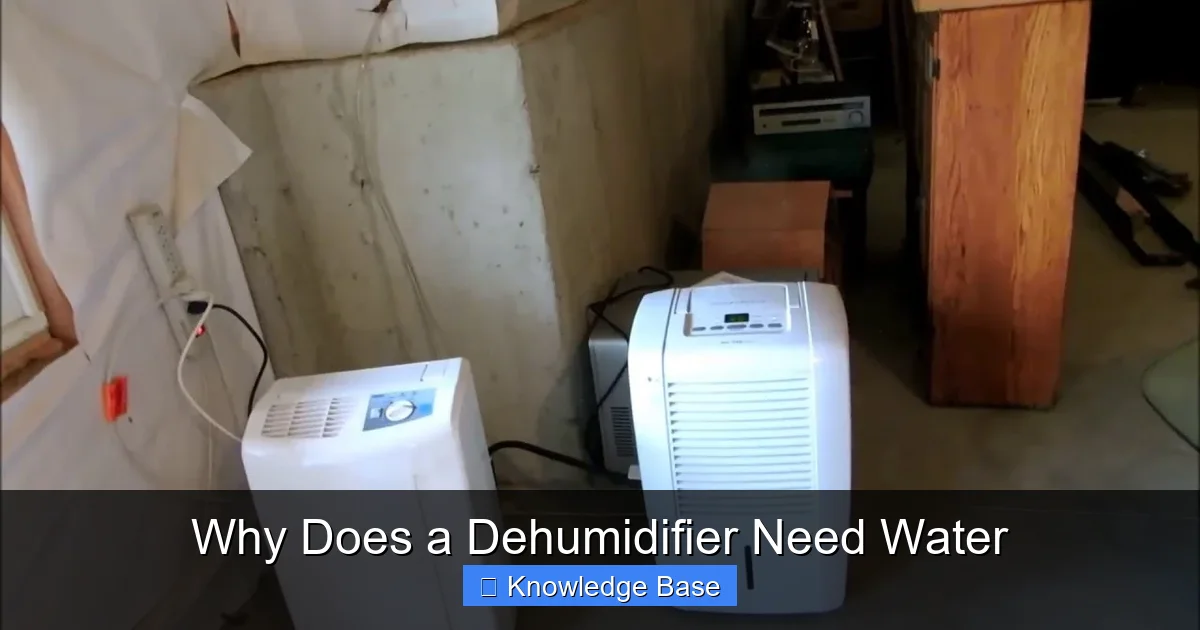
Dehumidifiers need water because they actively extract moisture from the air, collecting it in a built-in reservoir or draining it continuously. This process reduces humidity levels, prevents mold, and improves air quality. Without proper water management, the unit can’t function efficiently or may shut down.
Key Takeaways
- Dehumidifiers remove moisture from the air: They pull in humid air, cool it to condense water vapor, and collect the liquid in a tank or drain hose.
- Water collection is essential for operation: The collected water must be emptied or drained regularly to prevent overflow and maintain performance.
- High humidity triggers the need for water removal: In damp environments like basements or bathrooms, excess moisture can lead to mold, mildew, and structural damage.
- Proper maintenance ensures efficiency: Cleaning the water tank and checking drainage systems helps prevent bacterial growth and mechanical issues.
- Automatic shut-off prevents overflow: Most modern dehumidifiers stop working when the tank is full, protecting your home and the unit.
- Continuous drainage options exist: Using a hose allows uninterrupted operation in areas prone to high moisture, eliminating frequent tank emptying.
- Energy efficiency improves with proper water management: A well-maintained dehumidifier uses less energy and lasts longer.
📑 Table of Contents
- Why Does a Dehumidifier Need Water?
- How Dehumidifiers Work: The Science Behind Moisture Removal
- The Role of Water in Dehumidifier Operation
- Types of Dehumidifier Water Collection Systems
- Maintenance Tips to Keep Your Dehumidifier Running Smoothly
- Common Misconceptions About Dehumidifier Water
- Conclusion: Water Is a Sign Your Dehumidifier Is Working
Why Does a Dehumidifier Need Water?
Have you ever walked into a damp basement or a stuffy bathroom and noticed that the air feels thick and heavy? That’s high humidity at work—and it’s not just uncomfortable. Excess moisture in the air can lead to mold growth, musty odors, and even damage to your home’s structure and furniture. This is where a dehumidifier comes in. But here’s a question many people ask: why does a dehumidifier need water? After all, isn’t it supposed to *remove* moisture, not use it?
The answer lies in how dehumidifiers work. These appliances don’t create dry air out of thin air—they actively pull moisture from the surrounding environment and collect it as liquid water. So, while it might seem counterintuitive, the presence of water in a dehumidifier is actually a sign that it’s doing its job correctly. In fact, if your dehumidifier isn’t collecting water, it might not be working properly.
Understanding why a dehumidifier needs water helps you appreciate its role in maintaining a healthy indoor environment. It’s not about consuming water like a humidifier does—it’s about capturing and storing the excess moisture that’s already in your home. This process improves air quality, protects your belongings, and creates a more comfortable living space. In this article, we’ll explore the science behind dehumidification, how water is collected and managed, and why proper maintenance is key to keeping your unit running smoothly.
How Dehumidifiers Work: The Science Behind Moisture Removal
To truly understand why a dehumidifier needs water, it helps to know how it operates. At its core, a dehumidifier is designed to reduce the amount of water vapor in the air—a process known as dehumidification. But how exactly does it pull moisture out of thin air?
Most residential dehumidifiers use a refrigeration-based system, similar to how an air conditioner works. Here’s a step-by-step breakdown of the process:
Step 1: Air Intake
The dehumidifier draws in warm, humid air from the room using an internal fan. This air passes over a series of cold coils inside the unit.
Step 2: Cooling and Condensation
As the warm air hits the cold evaporator coils, the temperature drops rapidly. When air cools, its ability to hold moisture decreases. This causes the water vapor in the air to condense into liquid droplets—just like how dew forms on grass in the morning.
Step 3: Water Collection
The condensed water drips down into a collection tray or bucket located beneath the coils. This is the water you see when you open the dehumidifier. It’s essentially purified water, though it may contain some dust or minerals from the air.
Step 4: Reheating and Air Return
After the moisture is removed, the now-drier air passes over a set of warm condenser coils. This reheats the air to near its original temperature before it’s blown back into the room. The result? Cooler, drier, and more comfortable air.
This entire cycle repeats continuously as long as the dehumidifier is running and the humidity level is above the set threshold. The collected water must be removed—either manually by emptying the tank or automatically via a drain hose—so the unit can keep working efficiently.
It’s important to note that dehumidifiers don’t “use” water in the way a washing machine or dishwasher does. Instead, they *collect* water that’s already present in the air. This is why the amount of water collected varies depending on the humidity level, temperature, and size of the space.
The Role of Water in Dehumidifier Operation
Now that we understand how dehumidifiers work, let’s dive deeper into why water is such a crucial part of the process. You might be wondering: if the goal is to remove moisture, why does the machine need to store it? The answer is simple—physics.
Water vapor in the air is invisible, but it’s still matter. When it condenses into liquid form, it needs somewhere to go. That’s where the water tank or drainage system comes in. Without a place to collect the extracted moisture, the dehumidifier would quickly flood, malfunction, or shut down.
Water as a Byproduct of Dehumidification
Think of a dehumidifier like a sponge. It soaks up moisture from the air, but eventually, the sponge gets full and needs to be wrung out. Similarly, the dehumidifier collects water until its reservoir is full. At that point, most models will automatically shut off to prevent overflow. This safety feature protects both your home and the appliance.
The amount of water collected depends on several factors:
– **Humidity level:** The higher the relative humidity, the more water the dehumidifier will extract.
– **Room temperature:** Warmer air holds more moisture, so dehumidifiers work more efficiently in temperatures above 65°F (18°C).
– **Size of the space:** Larger rooms or areas with poor ventilation may require longer run times and collect more water.
– **Unit capacity:** Dehumidifiers are rated by how many pints of water they can remove in 24 hours (e.g., 30-pint, 50-pint models).
For example, a 50-pint dehumidifier running in a damp basement during humid summer months might collect 1–2 gallons of water per day. In contrast, the same unit in a dry climate or during winter might collect very little.
Why Can’t the Water Just Evaporate?
You might wonder why the collected water doesn’t just evaporate back into the air inside the machine. The answer lies in the design. The water is collected in a sealed tank or drained directly outside, preventing re-evaporation. If the water were allowed to sit and evaporate, it would defeat the purpose of dehumidification—and could even create a breeding ground for bacteria or mold inside the unit.
This is why regular maintenance is essential. Stagnant water in the tank can lead to unpleasant odors, microbial growth, and reduced efficiency. That’s why most manufacturers recommend emptying and cleaning the water tank at least once a week.
Types of Dehumidifier Water Collection Systems
Not all dehumidifiers handle water the same way. Depending on the model and intended use, they may use one of several collection methods. Understanding these options can help you choose the right dehumidifier for your needs and maintain it properly.
Manual Water Tank
The most common type of water collection system is the built-in water tank or bucket. This removable container sits inside the dehumidifier and collects condensed water. When the tank is full, the unit typically shuts off automatically, and you’ll need to empty it manually.
Pros:
– Simple and affordable
– No plumbing required
– Portable and easy to move
Cons:
– Requires frequent emptying (daily in high-humidity areas)
– Risk of overflow if not checked regularly
– Can be heavy when full
Tip: Choose a model with a clear water level indicator and an automatic shut-off feature to avoid overflow. Some tanks also have built-in handles for easier carrying.
Continuous Drainage with Hose
For areas with consistently high humidity—like basements, crawl spaces, or laundry rooms—a continuous drainage system is often more practical. This setup uses a hose connected to the dehumidifier that directs water directly into a floor drain, sump pump, or outside.
Pros:
– No need to empty the tank
– Ideal for unattended operation
– Prevents overflow and water damage
Cons:
– Requires access to a drain or outdoor area
– Hose must be positioned correctly to avoid leaks
– Less portable
Tip: Use a hose with a slight downward slope to ensure gravity does the work. Secure the hose with clips to prevent kinks or disconnections.
Pump-Assisted Drainage
Some high-end dehumidifiers come with built-in condensate pumps. These allow you to drain water vertically or over longer distances—perfect for situations where a floor drain isn’t directly below the unit.
Pros:
– Can pump water up to 15 feet vertically
– Great for upstairs bathrooms or tight spaces
– Fully automated
Cons:
– More expensive
– Requires power for the pump
– May need occasional pump maintenance
Tip: If you’re installing a pump-assisted system, make sure the discharge hose is rated for continuous use and routed away from electrical outlets.
Gravity Drain with Overflow Protection
Some models combine a small internal tank with a gravity drain outlet. When the tank fills, excess water flows into the drain hose. This hybrid system offers the convenience of continuous drainage with a backup in case the hose gets clogged.
Pros:
– Reduces risk of overflow
– Good for moderate humidity levels
– Low maintenance
Cons:
– Still requires occasional tank cleaning
– Drain hose must be accessible
No matter which system your dehumidifier uses, the key is to ensure that water can exit the unit safely and efficiently. A clogged hose, full tank, or improper setup can lead to reduced performance, water damage, or even mold growth inside the machine.
Maintenance Tips to Keep Your Dehumidifier Running Smoothly
Now that you know why a dehumidifier needs water and how it collects it, let’s talk about keeping your unit in top shape. Proper maintenance not only extends the life of your dehumidifier but also ensures it operates efficiently and safely.
Empty and Clean the Water Tank Regularly
Even if your dehumidifier has a continuous drain, it’s still important to check and clean the internal tank periodically. Stagnant water can harbor bacteria, mold, and mildew, which can be blown back into the air when the unit runs.
How to clean:
1. Unplug the dehumidifier and remove the water tank.
2. Empty any remaining water.
3. Wash the tank with warm, soapy water and a soft brush.
4. Rinse thoroughly and dry completely before reinserting.
5. Wipe down the interior of the unit with a damp cloth.
Frequency: Clean the tank at least once a week during heavy use, or every two weeks during lighter use.
Check and Clean the Air Filter
The air filter traps dust, pollen, and other particles before they enter the unit. A clogged filter restricts airflow, reducing efficiency and forcing the dehumidifier to work harder.
How to clean:
1. Remove the filter (usually located behind a front or side panel).
2. Vacuum it gently or rinse it under warm water if it’s washable.
3. Let it dry completely before reinstalling.
Frequency: Clean or replace the filter every 1–2 months, or as recommended by the manufacturer.
Inspect the Coils and Drain Hose
Over time, the evaporator and condenser coils can accumulate dust and frost, especially in cold environments. A clogged drain hose can also cause water to back up.
How to inspect:
– Use a soft brush or vacuum attachment to clean the coils.
– Check the drain hose for kinks, cracks, or blockages.
– Flush the hose with water if necessary.
Tip: If you live in a cold climate, consider using a dehumidifier with auto-defrost functionality to prevent ice buildup on the coils.
Monitor Humidity Levels
Most modern dehumidifiers come with built-in hygrometers and humidistats that let you set your desired humidity level (typically between 30% and 50%). Keeping the humidity in this range helps prevent mold growth while avoiding over-drying the air.
Tip: Use a standalone hygrometer to double-check the readings, as built-in sensors can sometimes be inaccurate.
Store Properly During Off-Seasons
If you only use your dehumidifier during certain times of the year (like summer), store it properly during the off-season.
How to store:
1. Clean the tank, filter, and coils.
2. Run the unit for 10–15 minutes to dry internal components.
3. Cover it with a breathable cloth or store it in its original box.
4. Keep it in a dry, temperature-controlled area.
By following these maintenance tips, you’ll ensure your dehumidifier continues to collect water efficiently and keep your home comfortable year-round.
Common Misconceptions About Dehumidifier Water
Despite their widespread use, dehumidifiers are often misunderstood—especially when it comes to the water they collect. Let’s clear up some common myths and misconceptions.
Myth 1: The Water Is Dirty and Unsafe
Many people assume that the water collected in a dehumidifier is contaminated and should be disposed of immediately. While it’s true that the water may contain trace amounts of dust, pollen, or minerals, it’s generally clean and safe to handle.
In fact, dehumidifier water is often referred to as “distilled-like” because it’s formed through condensation. However, it’s not recommended for drinking or cooking, as it can absorb chemicals from the air or the unit’s internal components.
Safe uses: Watering non-edible plants, cleaning, or flushing toilets.
Myth 2: A Dehumidifier Should Always Be Full of Water
Some users worry that if their dehumidifier isn’t collecting much water, it’s not working. But the amount of water collected depends on the environment. In dry climates or during winter, a dehumidifier may collect very little—and that’s normal.
What to look for: If the unit runs but collects no water over several days in a humid environment, it may need servicing (e.g., low refrigerant, dirty coils).
Myth 3: You Can Drink the Collected Water
While the water is relatively clean, it’s not potable. It may contain bacteria, mold spores, or chemicals from the air or the dehumidifier’s materials. Always treat dehumidifier water as non-potable.
Myth 4: Dehumidifiers Waste Water
Unlike humidifiers, which add moisture to the air, dehumidifiers remove excess moisture that can cause damage. The collected water is a byproduct of improving indoor air quality—not waste.
In fact, using a dehumidifier can reduce the need for air conditioning, as dry air feels cooler. This can lead to energy savings and lower utility bills.
Myth 5: All Dehumidifiers Need to Be Emptied Daily
This depends on the model and usage. Units with continuous drainage or large tanks may only need attention once a week. Always check your owner’s manual for specific guidelines.
Conclusion: Water Is a Sign Your Dehumidifier Is Working
So, why does a dehumidifier need water? The answer is clear: because it’s successfully removing moisture from your home. The water you see in the tank or draining from the hose is proof that the unit is doing its job—protecting your health, your home, and your belongings from the damaging effects of excess humidity.
From basements and bathrooms to laundry rooms and crawl spaces, dehumidifiers play a vital role in maintaining a comfortable and healthy indoor environment. By understanding how they work, how they collect water, and how to maintain them, you can get the most out of your investment.
Remember, a dehumidifier doesn’t create water—it captures it. And with proper care, that water can be safely managed, whether through manual emptying, continuous drainage, or pump-assisted systems. So the next time you see water in your dehumidifier, don’t worry. Celebrate it. It’s a sign that your home is drier, cleaner, and more comfortable than before.
Frequently Asked Questions
Why does my dehumidifier collect so much water?
High humidity levels, warm temperatures, and poor ventilation can cause your dehumidifier to collect more water. This is normal and indicates the unit is working effectively to reduce moisture in the air.
Can I drink the water from my dehumidifier?
No, you should not drink dehumidifier water. While it’s formed through condensation, it may contain dust, bacteria, or chemicals from the air and unit components, making it unsafe for consumption.
How often should I empty the dehumidifier water tank?
Empty the tank whenever it’s full, which could be daily in high-humidity areas. Most models have an automatic shut-off feature to prevent overflow when the tank reaches capacity.
What should I do if my dehumidifier isn’t collecting water?
Check if the air filter is clogged, the coils are dirty or frozen, or the humidity level is already low. If the unit runs but collects no water in a humid environment, it may need professional servicing.
Can I use a hose to drain my dehumidifier continuously?
Yes, most dehumidifiers have a drain hose connection. This allows for continuous drainage into a floor drain, sump pump, or outside, eliminating the need to empty the tank manually.
Is dehumidifier water good for plants?
Yes, you can use dehumidifier water to water non-edible plants. It’s free of chlorine and fluoride, but avoid using it on vegetables or herbs due to potential contaminants.