

Adding a pump to your dehumidifier isn’t just a luxury—it’s a game-changer for convenience and performance. It allows continuous drainage without manual emptying, especially in hard-to-reach or below-grade spaces like basements and crawl spaces, making moisture control effortless and reliable.
Key Takeaways
- Enables Continuous Operation: A pump lets your dehumidifier run non-stop by automatically draining collected water, eliminating the need to manually empty the bucket.
- Ideal for Below-Grade Areas: Basements, crawl spaces, and garages often lack easy access to floor drains—pumps solve this by pushing water upward or over long distances.
- Prevents Overflow and Damage: Without a pump, full water tanks can shut off the unit or cause leaks, risking water damage and mold growth.
- Improves Air Quality and Efficiency: Consistent moisture removal keeps humidity levels stable, reducing mold, dust mites, and musty odors more effectively.
- Reduces Maintenance Hassle: No more checking and dumping water every few hours—perfect for busy households or unattended spaces.
- Supports Remote or Tight Installations: Pumps allow flexible placement in closets, under stairs, or behind furniture where gravity drainage isn’t possible.
- Enhances Safety in Flood-Prone Areas: In high-moisture environments like laundry rooms or near sump pumps, a built-in pump ensures reliable protection against excess humidity.
📑 Table of Contents
Why Do You Need a Pump on a Dehumidifier?
Let’s face it—nobody likes dealing with damp basements, musty smells, or that constant worry about mold creeping into your home. A dehumidifier is one of the best tools to fight excess moisture, but if you’ve ever had to empty a full water tank in the middle of the night, you know it’s not always convenient. That’s where a pump comes in.
A pump on a dehumidifier isn’t just an add-on—it’s a smart upgrade that transforms how your unit works. Instead of relying on gravity to drip water into a bucket (which needs regular emptying), a pump actively pushes collected moisture out through a hose, even uphill or across long distances. This means your dehumidifier can run continuously, even when you’re not around to check it. Whether you’re dealing with a humid crawl space, a damp basement, or a tight closet full of stored items, a pump makes moisture control effortless.
In this guide, we’ll break down exactly why you need a pump on a dehumidifier, how it works, and the real-world benefits it brings to your home. From preventing water damage to improving indoor air quality, the advantages go far beyond just convenience. So if you’re tired of playing bucket duty or worried about your dehumidifier shutting off when you need it most, keep reading—this could be the solution you’ve been looking for.
How a Dehumidifier Works (and Where the Pump Fits In)
Visual guide about Why Do You Need a Pump on a Dehumidifier
Image source: hvacseer.com
Before we dive into why a pump is so helpful, let’s quickly cover how a standard dehumidifier operates. Most residential dehumidifiers use a refrigeration cycle to pull moisture from the air. Here’s the basic process:
Warm, humid air is drawn into the unit by a fan. As the air passes over cold coils (the evaporator), moisture condenses into water droplets—just like how dew forms on a cold drink can. This water drips down into a collection tank or bucket inside the machine. Meanwhile, the now-drier air passes over warm coils (the condenser) and is blown back into the room, slightly warmer but much less humid.
Now, here’s the catch: that collected water has to go somewhere. In basic models, it ends up in an internal bucket that fills up over time. Once full, most units automatically shut off to prevent overflow. That’s where the pump becomes essential.
The Role of the Pump in Moisture Removal
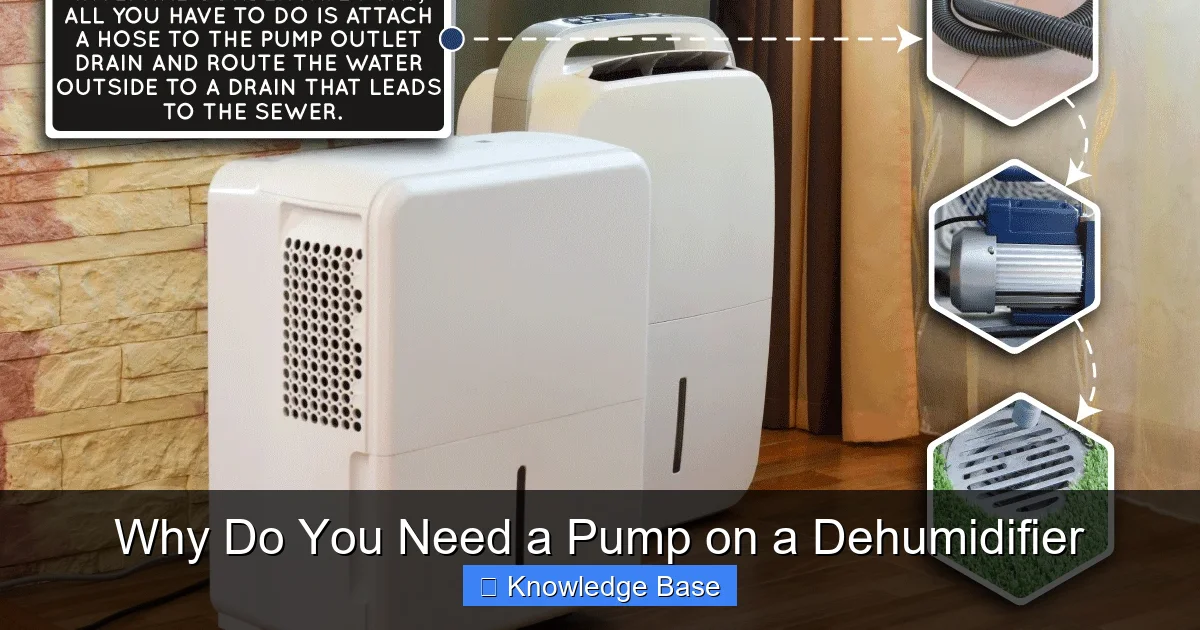
A dehumidifier with a built-in pump—or one that supports an external pump accessory—doesn’t rely on gravity or manual emptying. Instead, it uses a small, quiet electric pump to push the collected water through a connected hose. This hose can be routed to a floor drain, a sink, a sump pit, or even outside through a wall.
The pump kicks in automatically when the water level reaches a certain point, ensuring the tank never overflows. This allows the dehumidifier to run 24/7 without interruption, maintaining optimal humidity levels even in high-moisture environments.
Think of it like a sump pump for your dehumidifier: instead of waiting for water to build up, it actively removes it. This is especially useful in spaces where you can’t easily access the unit or where a floor drain isn’t nearby.
Gravity Drainage vs. Pump-Assisted Drainage
Some dehumidifiers offer a “continuous drain” option using gravity—just attach a hose and let water flow downhill into a drain. While this works in ideal setups (like a basement with a floor drain), it has major limitations:
– The hose must slope downward the entire way.
– You can’t lift water uphill.
– Long distances or tight spaces make routing difficult.
– If the hose kinks or gets blocked, drainage stops.
A pump eliminates these issues. It can push water up to 15 feet vertically and over 100 feet horizontally, depending on the model. That means you can place your dehumidifier in a corner, under a workbench, or in a crawl space and still drain water to a distant sump or utility sink.
In short, while gravity drainage is better than nothing, a pump offers far greater flexibility, reliability, and peace of mind.
Top Reasons You Need a Pump on Your Dehumidifier

Visual guide about Why Do You Need a Pump on a Dehumidifier
Image source: i.pinimg.com
Now that you understand how the pump works, let’s explore the real-world reasons why it’s worth the investment. Whether you’re dealing with a damp basement, a humid crawl space, or just want a hands-off solution, a pump makes a big difference.
1. Enables True Continuous Operation
One of the biggest frustrations with basic dehumidifiers is the need to empty the water tank. Depending on humidity levels, this can happen every few hours—especially in summer or in high-moisture areas. If you forget or can’t get to the unit in time, it shuts off, and humidity starts creeping back up.
With a pump, that problem disappears. The unit keeps running non-stop, automatically draining water as it collects. This is crucial for maintaining consistent indoor humidity, which is key to preventing mold, mildew, and dust mites.
For example, imagine you’re on vacation and your basement dehumidifier fills up after two days. Without a pump, it stops working, and by the time you return, the space could be musty and damp. With a pump, it keeps going the entire time—no interruptions, no worries.
2. Perfect for Below-Grade and Hard-to-Reach Spaces
Basements, crawl spaces, and garages are common problem areas for excess moisture, but they’re also tough to access. Many don’t have floor drains, and routing a gravity hose to a sink or outside can be nearly impossible.
A pump solves this by allowing vertical lift. You can place the dehumidifier in a low corner of a crawl space and run a hose up through the floor joists to a utility sink in the laundry room. Or, in a basement with a sump pit, the pump can push water directly into the sump basin, where it’s removed by the sump pump.
This flexibility means you can install your dehumidifier exactly where it’s needed most—without being limited by drainage logistics.
3. Prevents Water Damage and Overflow
A full water tank doesn’t just stop the dehumidifier—it can also cause leaks or spills if the unit is bumped or the seal isn’t perfect. Over time, even small leaks can damage flooring, walls, or stored items.
A pump eliminates this risk. Since water is removed continuously, there’s no chance of overflow. This is especially important in areas prone to flooding or high humidity, like near water heaters, washing machines, or exterior walls.
Plus, many pump-equipped models include safety features like float switches and alarms that alert you if the pump fails or the hose gets clogged. It’s an extra layer of protection for your home.
4. Reduces Maintenance and Saves Time
Let’s be honest—no one enjoys hauling a heavy, sloshing water bucket up from the basement. It’s messy, inconvenient, and easy to forget.
With a pump, you can go weeks—or even months—without touching the dehumidifier. No more checking the tank, no more spills, no more interruptions. This is a huge win for busy families, rental properties, or anyone who wants a truly “set it and forget it” solution.
Some advanced models even include remote monitoring via smartphone apps, so you can check humidity levels and pump status from anywhere. It’s like having a personal humidity manager working around the clock.
5. Improves Air Quality and Health
Excess moisture doesn’t just damage your home—it affects your health. High humidity creates the perfect breeding ground for mold, mildew, dust mites, and bacteria. These allergens can trigger asthma, allergies, and respiratory issues, especially in children and the elderly.
By maintaining a steady humidity level (ideally between 30% and 50%), a pump-equipped dehumidifier helps keep these pollutants in check. Continuous operation means fewer humidity spikes, which means fewer allergens and a healthier indoor environment.
For example, in a humid climate or during rainy seasons, indoor humidity can swing wildly. A pump ensures your dehumidifier keeps up, providing consistent protection against musty odors and airborne irritants.
Where a Pump Makes the Biggest Difference
Not every dehumidifier needs a pump—but in certain locations, it’s almost essential. Here are the top scenarios where a pump delivers maximum value.
Basements
Basements are ground zero for moisture problems. They’re below ground level, often poorly ventilated, and prone to leaks, condensation, and flooding. Many basements don’t have floor drains, and even if they do, routing a gravity hose can be tricky.
A pump allows you to place the dehumidifier in the most effective spot—like a damp corner or near a water heater—and drain water to a sump pit, utility sink, or even outside. This ensures constant moisture control, even during heavy rains or humid summers.
Crawl Spaces
Crawl spaces are notoriously damp and hard to access. They’re often dark, cramped, and filled with insulation, pipes, and electrical wires. Installing a dehumidifier here is smart, but draining it is a challenge.
With a pump, you can run a small-diameter hose up through the subfloor to a nearby drain or sump. Some homeowners even use a condensate pump to lift water to a window or exterior wall. This keeps the crawl space dry, which helps protect the structural integrity of your home and prevents mold from spreading to living areas.
Laundry Rooms and Utility Areas
Laundry rooms are naturally humid due to washing machines and dryers. Over time, this moisture can damage walls, cabinets, and appliances. A dehumidifier helps, but if it’s near a floor drain or utility sink, a pump makes drainage simple.
You can connect the hose directly to the sink’s P-trap or route it to a nearby drain. No more worrying about overflow when you’re running multiple loads of laundry.
Closets and Storage Areas
Closets, especially those near bathrooms or exterior walls, can become damp and musty. Stored clothes, shoes, and documents are at risk of mold and mildew.
A small, quiet dehumidifier with a pump can be installed inside or near the closet, with the hose running to a nearby drain. This keeps the space dry and your belongings protected—without needing to check the unit daily.
Rental Properties and Vacation Homes
If you own a rental or vacation home, you can’t always be there to maintain the dehumidifier. A pump ensures it keeps running even when you’re away, preventing moisture buildup and potential damage.
This is especially important in humid climates or during off-seasons when the home is unoccupied. A dry, well-maintained property is more attractive to tenants and less likely to develop costly mold issues.
Types of Dehumidifier Pumps and How to Choose
Not all pumps are created equal. When shopping for a dehumidifier with a pump, or considering an add-on pump, it’s important to understand your options.
Built-In vs. External Pumps
Some dehumidifiers come with a built-in pump, while others support an external pump accessory. Built-in pumps are convenient and often more reliable, since they’re designed specifically for the unit. External pumps can be added later but may require extra setup.
Built-in pumps are common in high-end or commercial-grade models, especially those designed for basements and crawl spaces. They’re typically more powerful and include features like automatic restart after power outages.
Pump Capacity and Lift Height
Pump performance is measured by two key factors: lift height (how high it can push water) and flow rate (how much water it can move per hour).
Most residential pumps can lift water 10 to 15 feet vertically and push it 50 to 100 feet horizontally. For most homes, this is more than enough. But if you need to lift water higher—say, from a crawl space to a second-floor drain—look for a model with higher lift capacity.
Also consider the hose diameter. A 1/4-inch or 3/8-inch hose is standard, but make sure it’s long enough and flexible enough for your setup.
Noise Level and Energy Use
Pumps are generally quiet—most produce less than 50 decibels, about the sound of a quiet conversation. But if you’re placing the dehumidifier in a living area or bedroom, look for a model with a low-noise pump.
Energy use is minimal—typically just a few watts—so it won’t significantly increase your electricity bill. In fact, by enabling continuous operation, a pump can improve overall efficiency by preventing the unit from cycling on and off frequently.
Smart Features and Alarms
Advanced models include smart features like:
– Automatic pump activation when the tank is full
– Clog detection and alarms
– Remote monitoring via app
– Self-diagnostic systems
These features add convenience and reliability, especially in unattended spaces.
Installation Tips and Best Practices
Adding a pump to your dehumidifier is usually straightforward, but a few tips can make the process smoother and more effective.
Choose the Right Hose
Use a durable, kink-resistant hose designed for condensate drainage. PVC or reinforced vinyl hoses work well. Avoid cheap plastic tubing, which can collapse or crack over time.
Make sure the hose is long enough to reach your drain point with a slight downward slope (even with a pump, a gentle slope helps prevent backflow).
Secure the Hose Properly
Use zip ties, clips, or conduit to secure the hose along walls, floors, or joists. This prevents tripping hazards and keeps the hose from moving or kinking.
If running the hose through walls or floors, use a grommet or sealant to prevent air leaks and pest entry.
Test the System
Before relying on the pump, run a test cycle. Fill the tank manually or run the dehumidifier until the pump activates. Check for leaks, proper drainage, and any unusual noises.
If the pump doesn’t activate, check the float switch, hose connections, and power supply.
Maintain the Pump
Like any mechanical part, pumps need occasional maintenance. Clean the intake filter every few months to prevent clogs. Inspect the hose for cracks or blockages. And if you notice reduced performance, it may be time to replace the pump.
Most pumps last 5 to 10 years with proper care.
Conclusion
So, why do you need a pump on a dehumidifier? The answer is simple: it transforms your dehumidifier from a helpful appliance into a reliable, hands-free moisture control system. Whether you’re battling damp basements, protecting stored belongings, or just want to breathe easier at home, a pump delivers unmatched convenience, safety, and performance.
It eliminates the hassle of manual emptying, prevents overflow and water damage, and ensures your dehumidifier works when you need it most—even when you’re not around. In high-moisture areas like crawl spaces, basements, and laundry rooms, a pump isn’t just nice to have—it’s essential.
When shopping for a dehumidifier, look for models with built-in pumps or pump compatibility. Consider your home’s layout, drainage options, and humidity challenges. And don’t forget to factor in smart features, noise levels, and ease of installation.
Investing in a pump-equipped dehumidifier is an investment in your home’s health, comfort, and longevity. It’s one of those upgrades that pays off every single day—quietly, efficiently, and without you even noticing. So say goodbye to bucket duty and hello to peace of mind. Your home—and your lungs—will thank you.
Frequently Asked Questions
Do all dehumidifiers have a pump?
No, not all dehumidifiers come with a pump. Many basic models rely on a water tank that needs manual emptying. However, many mid- to high-end models offer built-in pumps or support external pump accessories for continuous drainage.
Can I add a pump to my existing dehumidifier?
Yes, if your dehumidifier has a pump-ready design or a drain port, you can often add an external condensate pump. Check your user manual or contact the manufacturer to confirm compatibility before purchasing.
How high can a dehumidifier pump lift water?
Most residential dehumidifier pumps can lift water 10 to 15 feet vertically and push it 50 to 100 feet horizontally. Higher-end models may offer greater lift capacity, so check the specifications for your unit.
Will a pump increase my electricity bill?
No, the pump uses very little power—typically just a few watts. The energy cost is minimal, and the improved efficiency from continuous operation often offsets any added usage.
What happens if the pump fails?
Most pump-equipped dehumidifiers have a backup system: if the pump fails, the unit will switch to bucket mode and shut off when full. Many also include alarms or alerts to notify you of a problem.
Can I use a dehumidifier pump outdoors?
Yes, you can route the drainage hose outside through a wall or window, but make sure the outlet is protected from pests and weather. Avoid draining directly onto surfaces that could be damaged by moisture.