
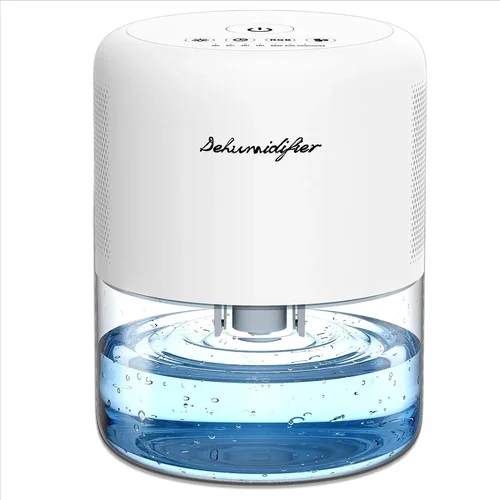
Mold is more than just an unsightly nuisance—it’s a serious threat to your health, your home’s structural integrity, and your peace of mind. Whether you’ve noticed dark spots creeping along basement walls, a musty odor in your bathroom, or worsening allergy symptoms at home, the root cause is often excess moisture. And when humidity levels rise above 50–60%, mold spores find fertile ground to grow and multiply. That’s where a high-quality dehumidifier becomes not just a convenience, but a necessity.
This comprehensive buying guide is designed for homeowners, renters, and property managers who are serious about tackling mold at its source. Whether you’re dealing with a chronically damp crawl space, a humid basement, or simply want to prevent future mold growth, choosing the right dehumidifier can make all the difference. In this guide, we’ll walk you through everything you need to know—from understanding how dehumidifiers work to comparing top models, avoiding common pitfalls, and making a smart investment that delivers long-term results. By the time you finish reading, you’ll have the knowledge and confidence to select the best dehumidifier for mold prevention and remediation in your specific environment.
The market for dehumidifiers has expanded significantly in recent years, with options ranging from compact 30-pint units ideal for small bathrooms to industrial-grade 70-pint machines capable of handling entire basements or water-damaged areas. Brands like Frigidaire, hOmeLabs, GE, AprilAire, and Midea now offer advanced features such as smart humidity control, auto-defrost, energy-efficient operation, and even Wi-Fi connectivity. However, not all dehumidifiers are created equal—especially when it comes to mold control. Some models prioritize quiet operation over moisture removal power, while others lack the durability needed for continuous use in harsh environments. This guide cuts through the marketing noise and focuses on what truly matters: performance, reliability, and effectiveness against mold.

What to Look for When Buying Buying Guide
1. Moisture Removal Capacity (Pints per Day)
The most critical specification when choosing a dehumidifier for mold is its moisture removal capacity, measured in pints per day (PPD). This number tells you how much water the unit can extract from the air in a 24-hour period under standard testing conditions (typically 80°F and 60% relative humidity). For mold prevention and control, you need a unit that matches or exceeds the moisture load in your space.
Small spaces like bathrooms or closets may only require a 20–30 PPD model, but basements, crawl spaces, or flood-prone areas often need 50–70 PPD or more. If you’re dealing with active mold growth, opt for a higher-capacity unit to ensure rapid drying. Underestimating your needs can result in insufficient dehumidification, allowing mold to persist or return. Always check the AHAM (Association of Home Appliance Manufacturers) rating, which provides standardized performance data you can trust.
2. Operating Temperature Range
Not all dehumidifiers perform well in cold environments. If you’re using the unit in a basement, garage, or unheated crawl space, temperature tolerance is crucial. Standard refrigerant-based dehumidifiers typically work best between 65°F and 80°F. Below 60°F, their efficiency drops sharply, and many will shut off entirely to prevent coil freezing.
For colder spaces, look for models with auto-defrost functionality or those specifically designed for low-temperature operation (often labeled as “cold-climate” or “basement-rated”). These units use enhanced refrigeration systems or hybrid technology to continue removing moisture even when temperatures dip near freezing. AprilAire and Santa Fe are known for their cold-weather performance, making them ideal for northern climates or seasonal use.
3. Humidity Control & Sensors
Precise humidity control is essential for preventing mold. Look for a dehumidifier with a built-in humidistat that allows you to set and maintain your desired humidity level—ideally between 30% and 50%. Units with digital displays and adjustable settings give you greater control and peace of mind.
Advanced models feature smart sensors that continuously monitor ambient humidity and automatically adjust fan speed and compressor operation accordingly. Some even include alerts when the water tank is full or when filter maintenance is needed. Avoid units with only basic on/off switches or analog dials, as they offer little precision and may lead to over-drying or under-dehumidification.
4. Drainage Options
Emptying a water tank every few hours is tedious and impractical, especially for continuous mold prevention. That’s why drainage options are a key consideration. Most dehumidifiers offer two main drainage methods: manual tank removal and continuous gravity drainage via a hose.
For long-term or unattended operation, choose a model with a built-in pump or gravity drain port. A gravity drain hose (usually 5/16″ or 3/8″ diameter) can be routed directly to a floor drain, sump pump, or outside—eliminating the need to empty the tank. Some premium models include internal condensate pumps that can push water vertically up to 15 feet, offering even greater flexibility in placement.
5. Energy Efficiency & Operating Costs
Dehumidifiers can be energy hogs, especially if run continuously. To minimize electricity bills and environmental impact, prioritize Energy Star-certified models. These units meet strict efficiency guidelines set by the U.S. Environmental Protection Agency and typically use 15–30% less energy than standard models.
Check the unit’s wattage and annual energy consumption (listed in kWh/year). A 50-pint Energy Star dehumidifier might use around 500–600 watts and cost $50–$80 per year to operate, depending on local electricity rates and usage patterns. While energy-efficient models may cost more upfront, the long-term savings often justify the investment—particularly in humid climates or large spaces requiring constant operation.
6. Noise Level
If your dehumidifier will be running in a living area, bedroom, or finished basement, noise can be a major concern. Most residential units operate between 45 and 60 decibels (dB)—comparable to a quiet conversation or moderate rainfall. However, some budget models can be noticeably louder, especially at higher fan speeds.
Look for units with variable fan speeds and “quiet mode” settings. Inverter compressors and insulated cabinets also help reduce operational noise. For ultra-quiet performance, consider desiccant dehumidifiers, which tend to be quieter than compressor-based models—though they’re generally less efficient in warm, humid conditions.
7. Build Quality & Durability
A dehumidifier fighting mold must withstand moisture, dust, and continuous use. Cheap plastic housings, flimsy wheels, and thin internal components won’t hold up over time. Invest in a unit with a sturdy metal or high-impact polymer cabinet, corrosion-resistant coils, and sealed electrical components.
Pay attention to the compressor type: rotary compressors are quieter and more durable than reciprocating ones. Also, check if the evaporator and condenser coils are coated with anti-corrosion treatments like hydrophilic or epoxy coatings—these significantly extend the unit’s lifespan in damp environments.
8. Filter Quality & Maintenance
The air filter plays a vital role in capturing dust, mold spores, and other airborne contaminants before they enter the dehumidifier’s internals. A clogged or low-quality filter reduces airflow, strains the compressor, and can even redistribute mold spores back into the room.
Choose a model with a washable, reusable filter made from high-efficiency materials like activated carbon or HEPA-like mesh. Some units include dual filters—one for particulates and another for odor control. Regular cleaning (every 2–4 weeks) is essential for optimal performance and hygiene. Avoid models with non-removable or hard-to-replace filters.
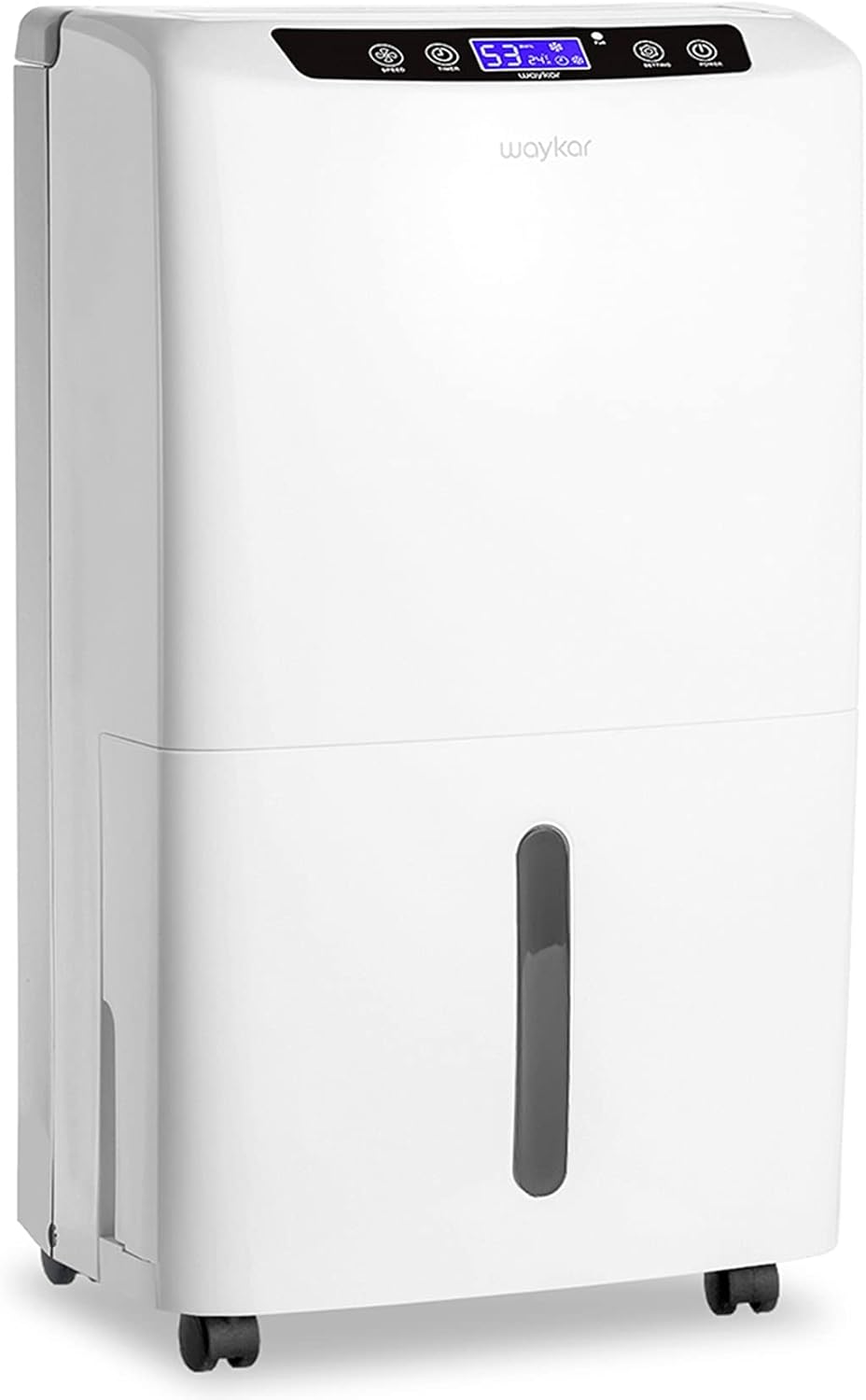
Different Types of Buying Guide
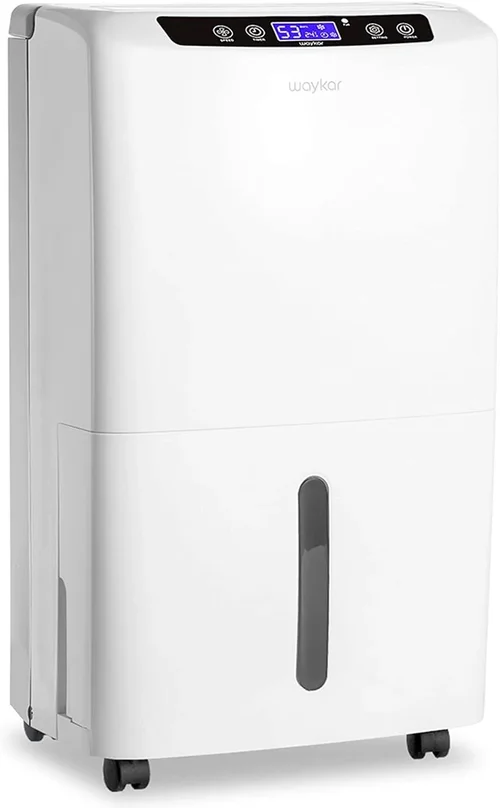
Common Buying Mistakes to Avoid
❌ Mistake: Choosing Based Solely on Price
Why it’s bad: The cheapest dehumidifier often lacks the capacity, durability, or features needed for effective mold control. Low-cost models may use inferior compressors, thin coils, or weak fans that fail under continuous load—leading to premature breakdowns and ongoing mold issues.
What to do instead: View your dehumidifier as a long-term investment in health and home protection. Spend a little more upfront for a reliable, high-capacity unit with Energy Star certification and strong user reviews. A $300 model that lasts 8 years is far better value than a $150 unit that fails after 18 months.
❌ Mistake: Ignoring Room Size and Moisture Level
Why it’s bad: A 30-pint dehumidifier won’t make a dent in a 1,500-square-foot flooded basement. Undersized units run constantly, overheat, and still can’t keep up—wasting energy and failing to stop mold growth.
What to do instead: Measure your space and assess the severity of dampness. Use manufacturer sizing guides or consult with a professional if unsure. When in doubt, go one size up—especially if you live in a humid climate or have poor ventilation.
❌ Mistake: Overlooking Drainage Needs
Why it’s bad: If you don’t plan for continuous drainage, you’ll be emptying the tank multiple times a day—especially during humid seasons or after water intrusion. This is not only inconvenient but can lead to overflow and water damage if forgotten.
What to do instead: Choose a model with a built-in drain port and connect a hose to a nearby floor drain, sump pit, or exterior outlet. For elevated installations, opt for a unit with an internal pump.
❌ Mistake: Neglecting Filter Maintenance
Why it’s bad: A dirty filter restricts airflow, reduces efficiency, and can harbor mold spores that get blown back into the room—defeating the purpose of the dehumidifier.
What to do instead: Clean the filter every 2–4 weeks during peak usage. Keep a spare filter on hand if replacements are needed. Consider models with filter change indicators for added convenience.
❌ Mistake: Buying Without Checking Warranty
Why it’s bad: Dehumidifiers contain complex mechanical parts that can fail. A short or limited warranty leaves you vulnerable to costly repairs or replacements.
What to do instead: Look for at least a 1-year full warranty and 2–5 years on the compressor. Brands like AprilAire and Santa Fe offer extended coverage, reflecting confidence in their products.
❌ Mistake: Assuming All Dehumidifiers Prevent Mold
Why it’s bad: While all dehumidifiers reduce moisture, not all are optimized for mold prevention. Some lack precise humidity control, while others don’t operate effectively in cold or high-moisture conditions.
What to do instead: Prioritize models with digital humidistats, auto-restart after power outages, and strong moisture removal ratings. Pair your dehumidifier with proper ventilation and source moisture control (e.g., fixing leaks) for best results.
❌ Mistake: Placing the Unit Incorrectly
Why it’s bad: Putting a dehumidifier in a corner, behind furniture, or near walls restricts airflow and reduces efficiency. Poor placement can also cause the unit to overheat or shut down prematurely.
What to do instead: Position the dehumidifier in the center of the room or near the source of moisture, with at least 6–12 inches of clearance on all sides. Ensure intake and exhaust vents are unobstructed.
Budget Guidelines: How Much Should You Spend?
Entry-Level ($80–$200): These compact units are ideal for small spaces like bathrooms, closets, or RVs. Expect 20–30 PPD capacity, basic controls, and manual tank drainage. While affordable, they’re not suitable for basements or active mold remediation. Brands like Eva-Dry and Pro Breeze offer decent options in this range, but durability and efficiency may be limited.
Mid-Range ($200–$400): This is the sweet spot for most homeowners. Units in this tier typically offer 50–70 PPD, Energy Star certification, digital humidistats, auto-defrost, and continuous drainage options. Models from hOmeLabs, Frigidaire, and GE dominate this category and provide excellent value for basements, crawl spaces, and large rooms. Expect reliable performance, quieter operation, and better build quality than entry-level models.
Premium ($400–$800): Designed for serious mold control and whole-house applications, these dehumidifiers feature advanced sensors, Wi-Fi connectivity, internal pumps, and rugged construction. Brands like AprilAire and Santa Fe excel here, offering units that integrate with HVAC systems or operate efficiently in cold climates. These are ideal for humid regions, large homes, or post-flood recovery.
Luxury ($800+): At this level, you’re investing in commercial-grade performance and smart home integration. Whole-house dehumidifiers can cost $1,500–$2,500 and are professionally installed to maintain consistent humidity throughout your home. These systems are overkill for most but essential for luxury properties, historic homes, or individuals with severe mold allergies.
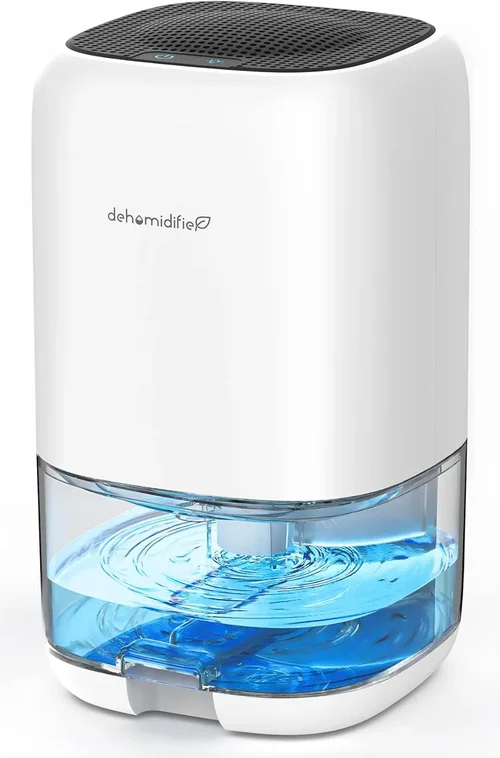
Expert Tips for Getting the Best Deal
1. Buy During Off-Peak Seasons: Dehumidifiers are in highest demand during summer and hurricane season. Shop in late fall or winter (October–February) when retailers offer discounts to clear inventory. You can often save 20–30% on last year’s models.
2. Compare Retailers: Check prices across Amazon, Home Depot, Lowe’s, and specialty HVAC suppliers. Online retailers frequently run flash sales, while brick-and-mortar stores may offer in-store pickup discounts or bundle deals with accessories like hoses or filters.
3. Look for Rebates and Incentives: Some utility companies offer rebates for Energy Star-certified dehumidifiers, especially in humid states like Florida or Louisiana. Check your local provider’s website for current programs.
4. Read Real User Reviews: Don’t rely solely on manufacturer specs. Search for reviews from users in similar climates or situations (e.g., “dehumidifier for basement mold in Michigan”). Look for patterns in feedback about noise, durability, and actual performance.
5. Test Before Committing: If possible, run the dehumidifier for a week and monitor humidity levels with a separate hygrometer. This helps verify that the unit is performing as advertised and meeting your needs.
6. Consider Refurbished or Open-Box Units: Reputable sellers like Amazon Renewed or manufacturer-certified refurbished programs offer high-quality dehumidifiers at 20–40% off. These units are tested, cleaned, and often come with warranties.
7. Don’t Skip the Warranty: Always register your product and keep receipts. Some brands extend warranties if you register within 30 days. Avoid third-party extended warranties unless they offer real value.
8. Pair with Other Moisture Controls: A dehumidifier works best when combined with proper ventilation, gutter maintenance, and leak repairs. Address the root cause of moisture to maximize effectiveness and reduce runtime.

Frequently Asked Questions
Q: Can a dehumidifier completely eliminate mold?
A: A dehumidifier alone cannot remove existing mold, but it is one of the most effective tools for preventing new growth and supporting remediation. To eliminate active mold, you must physically clean or remove affected materials (following safety guidelines) and then use a dehumidifier to maintain low humidity levels (below 50%) to prevent recurrence.
Q: How often should I run my dehumidifier?
A: For mold prevention, run your dehumidifier continuously or set it to maintain 30–50% humidity. In humid climates or during rainy seasons, 24/7 operation may be necessary. Use the built-in humidistat to automate this process and save energy.
Q: Is a bigger dehumidifier always better?
A: Not necessarily. An oversized unit may cycle on and off too frequently, reducing efficiency and failing to properly dehumidify the air. Choose a model matched to your room size and moisture level for optimal performance.
Q: Can I use a dehumidifier in winter?
A: Yes, but only if it’s designed for cold temperatures. Standard models may freeze or shut down below 60°F. Look for “cold-climate” or “basement-rated” units with auto-defrost if using in unheated spaces.
Q: Do dehumidifiers use a lot of electricity?
A: It depends on the model and usage. Energy Star-certified units are significantly more efficient. A typical 50-pint model uses about 500–600 watts and may cost $50–$100 per year to run continuously, depending on local electricity rates.
Q: Should I leave windows open while using a dehumidifier?
A: Generally, no. Open windows let in humid outdoor air, forcing the dehumidifier to work harder. Keep windows and doors closed for maximum efficiency, especially during humid weather.
Q: Can I place a dehumidifier on carpet?
A: Yes, but ensure the unit has sturdy feet or wheels and that the intake vent isn’t blocked. Some models include anti-tip features or elevated bases for carpet use. Avoid placing it on wet or saturated carpet.
Q: How do I know if my dehumidifier is working properly?
A: Check the humidity level with a hygrometer. If it’s not dropping, inspect the filter, coils, and drainage system. Listen for unusual noises or signs of overheating. Most units have indicator lights for full tanks or errors.
Q: Are desiccant dehumidifiers better for mold?
A: Desiccant models excel in cold or low-humidity environments and are quieter, but they’re less efficient in warm, humid conditions where mold thrives. For most mold-prone areas (basements, bathrooms), compressor-based units are more effective.
Q: Can I use a dehumidifier in an apartment or rental?
A: Absolutely. Portable dehumidifiers are ideal for rentals since they require no permanent installation. Just ensure you have a drainage solution and check your lease for any restrictions on electrical usage.
Our Final Recommendations
Best for Budget-Conscious Buyers: hOmeLabs 50 Pint Dehumidifier – At around $250, this Energy Star-certified model offers excellent moisture removal, a digital humidistat, and continuous drainage. It’s quiet, reliable, and perfect for basements up to 1,500 sq ft.
Best Overall Value: Frigidaire FFAD7033R1 70 Pint Dehumidifier – With 70 PPD capacity, auto-defrost, and a washable filter, this unit delivers top-tier performance at a mid-range price. It’s a favorite among homeowners for its durability and efficiency.
Best Premium Option: AprilAire E080 Pro 80 Pint Dehumidifier – Built for whole-house or large basement use, this cold-climate model features a built-in pump, Wi-Fi connectivity, and professional-grade components. Ideal for serious mold prevention in humid climates.
Best for Beginners: GE APER50LZ 50 Pint Dehumidifier – Simple controls, clear display, and reliable performance make this a great entry point. It includes a hose connector and easy-to-clean filter, perfect for first-time users.
Best for Advanced Users: Santa Fe Compact 70 Dehumidifier – Designed for crawl spaces and basements, this ultra-efficient unit operates down to 39°F and includes a built-in condensate pump. It’s a top choice for contractors and homeowners dealing with chronic moisture issues.
Conclusion: Making the Right Choice
Choosing the best dehumidifier for mold isn’t just about picking the most powerful or expensive model—it’s about matching the right tool to your specific environment, needs, and budget. From understanding moisture removal capacity and drainage options to avoiding common pitfalls and leveraging expert tips, this guide equips you with the knowledge to make a confident, informed decision.
Remember, mold thrives in hidden, damp places, and once it takes hold, it can be difficult and costly to remove. A high-quality dehumidifier is your first line of defense—not just for cleaner air and a fresher home, but for long-term health and structural protection. Prioritize performance, durability, and smart features, and don’t hesitate to invest a little more for peace of mind.
Take action today. Assess your space, set your humidity target, and choose a dehumidifier that will work as hard as you do to keep your home mold-free. Your future self—and your walls—will thank you.