
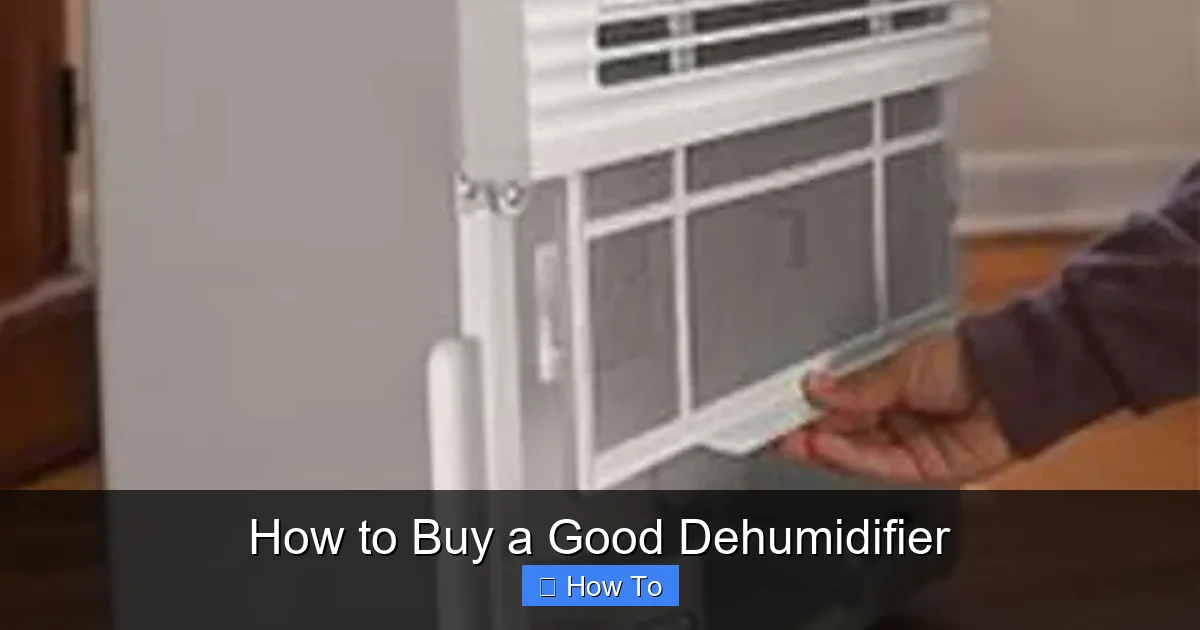
Choosing the right dehumidifier can improve air quality, prevent mold, and protect your home. This guide walks you through everything you need to know—from sizing and types to key features and placement—so you can buy a good dehumidifier with confidence.
Quick Answers to Common Questions
What size dehumidifier do I need for a 1,000 sq ft basement?
For a 1,000 sq ft basement with moderate humidity, choose a 20–30 pint unit. If the basement is severely damp or prone to flooding, go with a 30–50 pint model.
Can I run a dehumidifier all the time?
Yes, especially if you use a model with an auto-humidistat. It will cycle on and off as needed, saving energy while maintaining ideal humidity levels.
Should I buy a dehumidifier with a pump?
If your basement doesn’t have a floor drain and you need to drain water upward (e.g., to a sink), a built-in pump is worth the extra cost.
Is a larger dehumidifier always better?
Not necessarily. An oversized unit may short-cycle, reducing efficiency and not removing moisture effectively. Match the size to your room and humidity level.
Can I use a dehumidifier in winter?
Yes, but compressor models lose efficiency below 65°F. For cold spaces like garages, choose a desiccant dehumidifier designed for low temperatures.
How to Buy a Good Dehumidifier
Is your basement feeling damp? Are you noticing musty smells, peeling paint, or condensation on windows? These are all signs of excess moisture—and they’re more than just annoying. High humidity can lead to mold growth, dust mites, and even damage to your home’s structure. The good news? A good dehumidifier can solve these problems and make your living space healthier and more comfortable.
In this complete guide, you’ll learn exactly how to buy a good dehumidifier—no guesswork, no confusion. We’ll cover everything from understanding humidity levels and choosing the right size to comparing types, evaluating features, and placing your unit for maximum efficiency. By the end, you’ll know exactly what to look for and feel confident in your purchase.
Step 1: Understand Why You Need a Dehumidifier
Before you start shopping, it’s important to understand what a dehumidifier does and why you might need one. Simply put, a dehumidifier removes excess moisture from the air. It pulls in humid air, cools it to condense the water vapor, collects the water in a tank or drains it away, and then releases drier air back into the room.
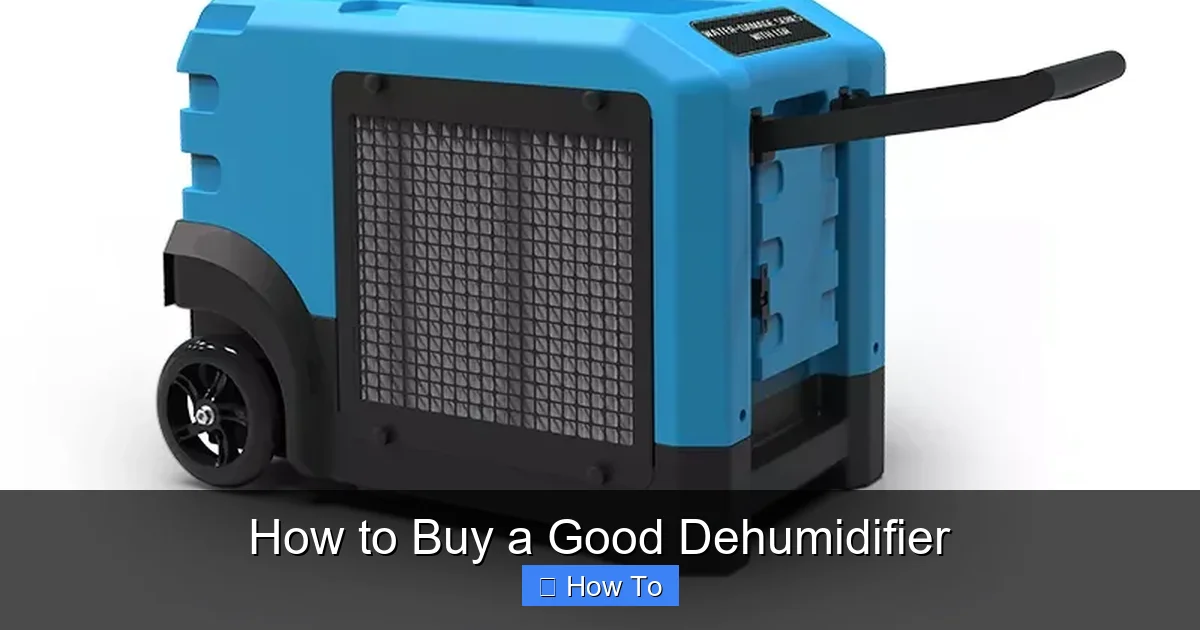
Visual guide about How to Buy a Good Dehumidifier
Image source: iororwxhqijjlk5q.ldycdn.com
You might need a dehumidifier if you experience any of the following:
- Musty or earthy odors
- Visible mold or mildew spots
- Condensation on windows, walls, or pipes
- Allergies or respiratory issues that worsen indoors
- Warped wood, peeling wallpaper, or rust on metal fixtures
Ideal indoor humidity levels should be between 30% and 50%. You can check your home’s humidity with a hygrometer—a small, inexpensive device available at most hardware stores. If your readings are consistently above 50%, it’s time to consider a dehumidifier.
Tip: Test Before You Buy
Use a hygrometer in different areas of your home—especially basements, bathrooms, and laundry rooms—to identify problem zones. This will help you decide whether you need one unit or multiple.
Step 2: Determine the Right Size (Pint Capacity)
One of the most common mistakes people make when buying a dehumidifier is choosing the wrong size. A unit that’s too small won’t effectively reduce humidity, while one that’s too large will cycle on and off too quickly, wasting energy and not running long enough to remove moisture properly.
Dehumidifiers are rated by pint capacity—the amount of moisture they can remove in 24 hours. But this number alone isn’t enough. You also need to consider:
- Room size (square footage)
- Humidity level (mild, moderate, or severe)
- Room type (basement, bathroom, crawl space, etc.)
How to Calculate the Right Size
Follow these steps to find the ideal pint capacity:
1. Measure the Square Footage
Use a tape measure to find the length and width of the room. Multiply them to get the square footage. For example, a 12 ft x 15 ft room is 180 square feet.
2. Assess the Humidity Level
Use your hygrometer or look for visual signs:
- Mild humidity (50–60%): Occasional dampness, no strong odors.
- Moderate humidity (60–70%): Noticeable dampness, musty smell, possible mold.
- Severe humidity (70%+): Standing water, heavy condensation, visible mold.
3. Match to Pint Capacity
Use this general guide based on room size and humidity:
| Room Size | Mild Humidity | Moderate Humidity | Severe Humidity |
|---|---|---|---|
| Up to 500 sq ft | 10–15 pints | 15–20 pints | 20–30 pints |
| 500–1,000 sq ft | 15–20 pints | 20–30 pints | 30–50 pints |
| 1,000–1,500 sq ft | 20–30 pints | 30–50 pints | 50–70 pints |
| 1,500+ sq ft | 30–50 pints | 50–70 pints | 70+ pints |
For example, a 1,200 sq ft basement with moderate humidity would need a 30–50 pint dehumidifier.
Special Cases
- Basements: Often damp and poorly ventilated. Choose a higher capacity and consider a model with a pump for continuous drainage.
- Bathrooms: Small spaces with high humidity after showers. A 10–15 pint unit may suffice, but ensure it’s moisture-resistant.
- Crawl spaces: Tight, enclosed areas. Look for compact, ductable models or whole-house systems.
Step 3: Choose the Right Type of Dehumidifier
Not all dehumidifiers are the same. There are three main types, each with pros and cons depending on your climate, room temperature, and usage needs.
1. Compressor (Refrigerant) Dehumidifiers
This is the most common type. It uses a compressor and refrigerant coils to cool the air, causing moisture to condense and collect in a tank.
- Best for: Warm, humid climates (above 65°F)
- Pros: Highly efficient, great for large spaces, affordable
- Cons: Less effective in cold temperatures, can be noisy
- Example: Most residential dehumidifiers sold at stores like Home Depot or Amazon
2. Desiccant Dehumidifiers
These use a moisture-absorbing material (like silica gel) to pull water from the air. They don’t rely on cooling, so they work well in cold environments.
- Best for: Cold climates, garages, crawl spaces, or winter use
- Pros: Works in low temperatures (as low as 40°F), quiet operation
- Cons: Less efficient in warm, humid conditions, higher energy use
- Example: Often used in RVs, boats, or unheated basements
3. Thermoelectric (Peltier) Dehumidifiers
These use a small fan and a Peltier module to create a cold surface for condensation. They’re compact and quiet but less powerful.
- Best for: Small spaces (closets, RVs, bathrooms under 200 sq ft)
- Pros: Very quiet, energy-efficient, portable
- Cons: Low capacity, not suitable for high humidity
- Example: Mini dehumidifiers for closets or wardrobes
Which Type Should You Choose?
- If you live in a warm, humid area and need to dehumidify a basement or large room, go with a compressor model.
- If your space is cold (like an unheated garage), choose a desiccant dehumidifier.
- If you only need to control moisture in a small closet or bathroom, a thermoelectric unit may be enough.
Step 4: Look for Essential Features
A good dehumidifier isn’t just about size and type—it’s also about smart features that make it easier to use and more effective. Here are the top features to look for:
Auto-Humidistat
This built-in sensor measures the room’s humidity and automatically turns the unit on or off to maintain your desired level (e.g., 45%). This saves energy and ensures consistent comfort.
Auto-Restart
If the power goes out, this feature restarts the dehumidifier at its previous settings once power returns. Essential for areas with frequent outages.
Continuous Drainage Option
Instead of emptying a water tank every day, you can attach a hose to drain water directly into a floor drain, sink, or sump pump. This is ideal for basements or 24/7 operation.
Built-in Pump
Some models include a pump that can push water upward (e.g., from a basement to a sink). This is a game-changer if you don’t have a floor drain nearby.
Washable or Reusable Filter
A clean filter improves air quality and efficiency. Look for a washable filter you can rinse monthly instead of replacing costly disposable ones.
Adjustable Fan Speeds
Multiple fan speeds let you choose between quiet operation (low speed) and faster drying (high speed).
Timer
Set the dehumidifier to run for a specific number of hours or turn on/off at certain times. Great for saving energy.
Digital Display and Controls
Easy-to-read displays show humidity levels, settings, and alerts (like a full tank). Touch controls are more durable than buttons.
Portability Features
Look for built-in handles, wheels, or casters—especially for larger units. You’ll appreciate them when moving the dehumidifier between rooms.
Step 5: Consider Noise and Energy Efficiency
You don’t want your dehumidifier to sound like a jet engine—or drive up your electricity bill. Here’s how to balance performance with comfort and cost.
Noise Level (Decibels)
Dehumidifiers typically range from 35 to 60 decibels (dB). For reference:
- 35–45 dB: Quiet, like a whisper or library
- 45–55 dB: Moderate, like a refrigerator
- 55–60 dB: Noticeable, like a conversation
If you’re placing the unit in a bedroom or living area, aim for under 50 dB. Check product specs or customer reviews for real-world noise levels.
Energy Efficiency
Look for the Energy Star label. Energy Star-certified dehumidifiers use 15–30% less energy than standard models, saving you money over time.
Also check the energy factor (L/kWh)—the amount of water removed per kilowatt-hour of electricity. A higher number means better efficiency. For example:
- Good: 1.5–1.8 L/kWh
- Better: 1.8–2.2 L/kWh
- Best: 2.2+ L/kWh
Use this formula to estimate annual cost:
Annual Cost = (Pints per day × 365 × 0.001) ÷ Energy Factor × Electricity Rate ($/kWh)
Example: A 30-pint unit with an energy factor of 2.0, running 12 hours/day, in an area with $0.12/kWh electricity:
(30 × 365 × 0.001) ÷ 2.0 × 0.12 = ~$6.57 per year
Step 6: Choose the Right Placement and Installation
Even the best dehumidifier won’t work well if it’s in the wrong spot. Proper placement ensures maximum airflow and efficiency.
Where to Place Your Dehumidifier
- Central location: Place it in the middle of the room or near the source of moisture (e.g., basement corner with water stains).
- Unobstructed: Keep at least 6–12 inches of space around all sides for airflow.
- On a stable surface: Avoid carpet if possible—hard floors reduce vibration and noise.
- Away from walls and furniture: Don’t block the intake or exhaust vents.
Special Placement Tips
- Basements: Place near the sump pump or lowest point. Use a riser or stand if flooding is a risk.
- Closets: Use a small unit with a hose to drain into a nearby sink.
- Whole-house systems: Install in the HVAC ductwork by a professional.
Installation Tips
- Level the unit to prevent water spillage.
- Use a GFCI outlet for safety, especially in damp areas.
- If using a drain hose, ensure it slopes downward and is secured to prevent kinks.
Step 7: Maintain Your Dehumidifier
Regular maintenance keeps your dehumidifier running efficiently and prevents mold or bacteria buildup inside the unit.
Monthly Maintenance
- Clean the water tank: Empty and wash with mild soap and water. Rinse thoroughly.
- Wash the filter: Remove and rinse under warm water. Let it dry completely before reinserting.
- Check the coils: Dust can build up on the evaporator coils. Use a soft brush or vacuum attachment to clean gently.
Seasonal Maintenance
- Inspect the drain hose for clogs or leaks.
- Check for frost buildup (in cold climates)—this can indicate a problem with the defrost function.
- Store properly if not in use: Clean, dry, and cover the unit.
Troubleshooting Common Issues
- Unit not collecting water: Check if humidity is already low, the filter is clogged, or the room is too cold.
- Water leaking: Ensure the tank is seated correctly, the drain hose isn’t kinked, or the unit isn’t overfilled.
- Excessive noise: Make sure the unit is level and not vibrating against a wall or floor.
- Frost on coils: This happens in cold environments. Look for a model with an auto-defrost feature.
Step 8: Know When to Call a Professional
While a dehumidifier can solve many moisture problems, it’s not a cure-all. If you notice:
- Recurring water leaks or flooding
- Structural damage (cracks, bowed walls)
- Mold growth larger than 10 square feet
- Persistent high humidity despite using a dehumidifier
…it’s time to consult a professional. A waterproofing expert or HVAC technician can assess your home and recommend solutions like improved drainage, vapor barriers, or whole-house ventilation.
Conclusion
Buying a good dehumidifier doesn’t have to be overwhelming. By following these steps—assessing your needs, choosing the right size and type, prioritizing key features, and maintaining the unit—you can effectively control humidity and create a healthier, more comfortable home.
Remember: the best dehumidifier is the one that fits your space, your climate, and your lifestyle. Take your time, compare models, and don’t hesitate to read reviews or ask for recommendations. With the right unit in place, you’ll breathe easier—literally and figuratively.