
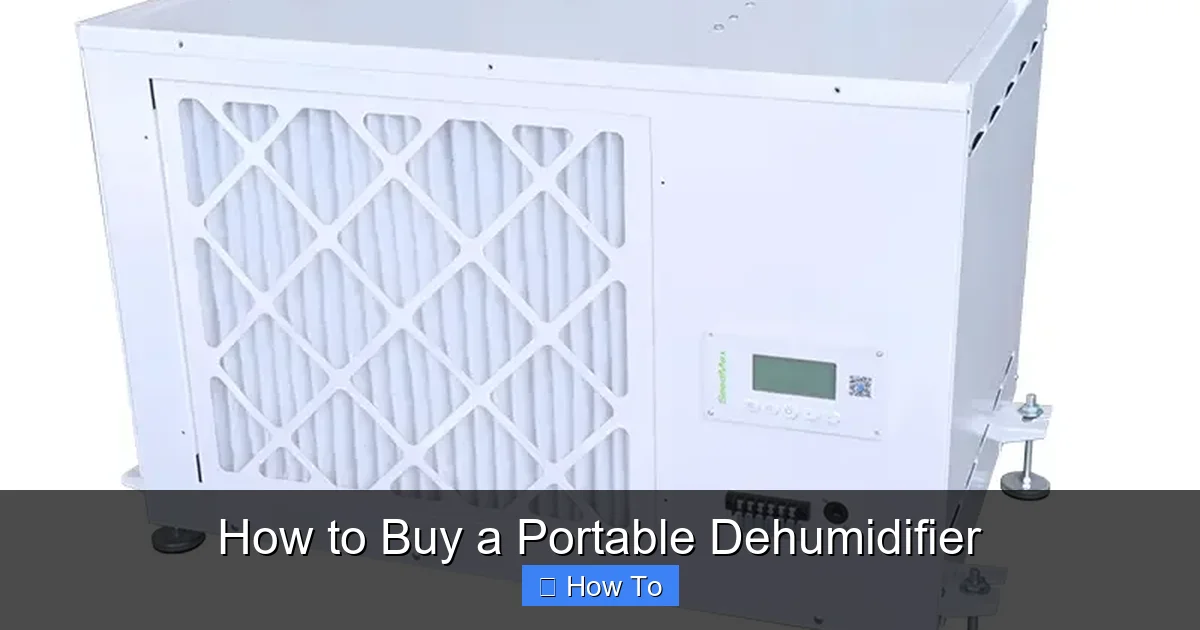
Buying a portable dehumidifier doesn’t have to be confusing. This guide walks you through everything you need to know—from choosing the right size and capacity to understanding key features like auto-shutoff and drainage options. By the end, you’ll be ready to pick the perfect model for your space and needs.
Quick Answers to Common Questions
Tip/Question?
How do I know if my room is too humid?
Use a hygrometer to measure humidity. If it’s above 60%, or you see condensation, mold, or a musty smell, it’s time for a dehumidifier.
Tip/Question?
Can I run a dehumidifier 24/7?
Yes, but use a model with continuous drainage or a large tank. ENERGY STAR models are designed for safe, efficient all-day operation.
Tip/Question?
Should I buy a dehumidifier with a pump?
Only if you need to drain water upward (e.g., from a basement to a sink). Otherwise, a standard hose is usually sufficient.
Tip/Question?
Are portable dehumidifiers safe to leave unattended?
Yes, as long as they have auto shut-off, are placed safely, and the area is well-ventilated. Avoid blocking vents or placing near flammable materials.
Tip/Question?
How often should I clean my dehumidifier?
Clean the filter every 2–4 weeks and wipe the tank monthly. Deep clean with vinegar every few months to prevent mold.
How to Buy a Portable Dehumidifier: A Complete Step-by-Step Guide
High humidity isn’t just uncomfortable—it can lead to mold, mildew, musty odors, and even damage your home’s structure. Whether you’re dealing with a damp basement, a humid bathroom, or a stuffy bedroom, a portable dehumidifier can make a big difference. But with so many models on the market, how do you choose the right one?
In this guide, we’ll walk you through every step of buying a portable dehumidifier. You’ll learn how to assess your needs, understand key features, compare brands, and make a smart purchase that fits your budget and lifestyle. By the end, you’ll know exactly what to look for—and avoid—so you can breathe easier in a healthier, more comfortable home.
Step 1: Understand What a Portable Dehumidifier Does
Before you start shopping, it’s important to understand how a portable dehumidifier works and why it’s useful. These devices pull moisture from the air using a refrigeration system. Air is drawn into the unit, cooled over cold coils to condense the moisture, and then reheated and released back into the room. The collected water is stored in a tank or drained continuously.
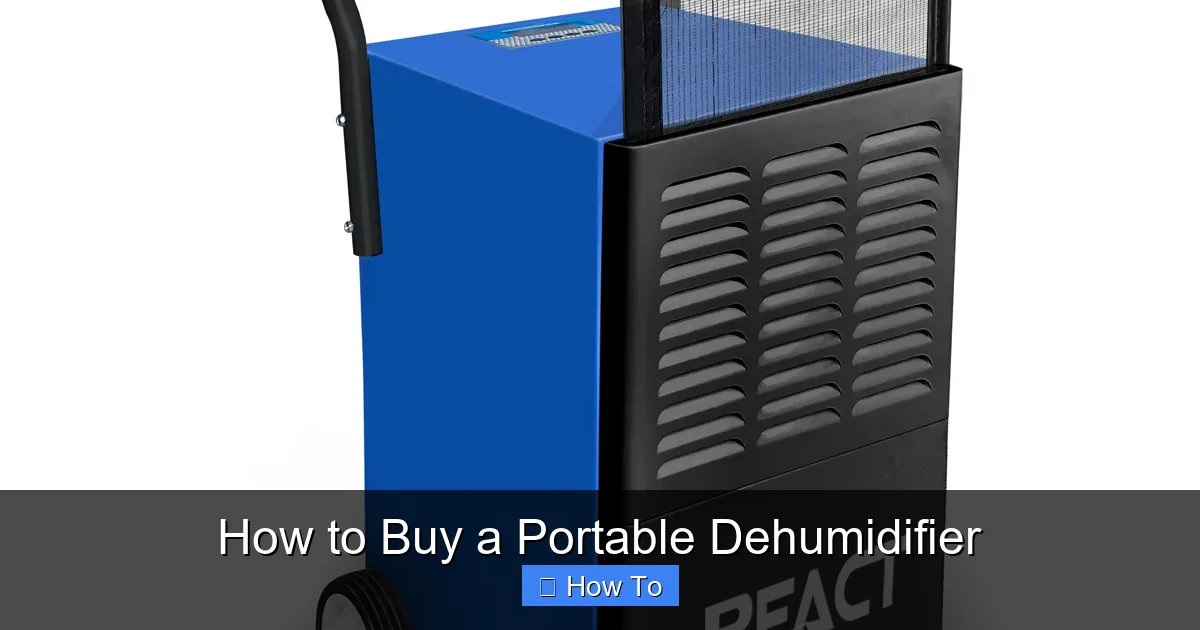
Visual guide about How to Buy a Portable Dehumidifier
Image source: zjreact.com
Portable dehumidifiers are ideal for:
- Basements and crawl spaces
- Bathrooms and laundry rooms
- Closets and small storage areas
- Bedrooms and living rooms in humid climates
- RVs, boats, and tiny homes
They’re called “portable” because they’re lightweight, come with wheels or handles, and can be moved from room to room. Unlike whole-house dehumidifiers, which are built into your HVAC system, portable units are standalone and easy to set up.
How Humidity Affects Your Home
Indoor humidity levels should ideally stay between 30% and 50%. Levels above 60% create a breeding ground for mold, dust mites, and bacteria. You might notice peeling paint, warped wood, or a persistent musty smell. A dehumidifier helps maintain healthy air quality and protects your belongings.
Step 2: Determine the Right Size and Capacity
One of the most common mistakes people make is buying a dehumidifier that’s too small—or too big—for their space. Size matters, but not in the way you might think. It’s not about physical dimensions; it’s about capacity, measured in pints per day (PPD).
Capacity refers to how much moisture the unit can remove in 24 hours. A 30-pint dehumidifier removes 30 pints of water daily, for example. To choose the right capacity, consider two factors: room size and humidity level.
Step 2.1: Measure Your Room
Start by measuring the square footage of the area you want to dehumidify. Use a tape measure or a laser measurer for accuracy. For irregular spaces, break them into rectangles and add the totals.
Example: A basement that’s 20 feet by 30 feet = 600 square feet.
Step 2.2: Assess Humidity Level
Next, determine how damp the space is. You can use a hygrometer (a small, inexpensive device that measures humidity) or look for visual clues:
- Slightly damp: Occasional musty smell, minor condensation on windows.
- Moderately damp: Persistent odor, damp spots on walls or floors.
- Very damp: Standing water, visible mold, or flooding history.
Step 2.3: Match Capacity to Your Needs
Use this general guide to match capacity to room size and humidity:
- 20–30 pints: Small spaces (up to 500 sq ft), slightly damp areas (bathrooms, closets).
- 30–50 pints: Medium spaces (500–1,500 sq ft), moderately damp areas (basements, laundry rooms).
- 50+ pints: Large or very damp spaces (1,500+ sq ft), high humidity or flood-prone areas.
For example, a 700-square-foot basement with moderate dampness would do well with a 30- to 50-pint model. If it’s very damp, go for 50+ pints.
Pro Tip: Don’t Overbuy
A dehumidifier that’s too large will cycle on and off too quickly, which can reduce efficiency and lifespan. It may also cool the air too much, making the room feel chilly. Choose a model that matches your needs—don’t oversize “just in case.”
Step 3: Choose the Right Type of Portable Dehumidifier
Not all portable dehumidifiers are the same. There are two main types: compressor-based and desiccant. Each has pros and cons depending on your environment.
Compressor-Based Dehumidifiers
These are the most common and use a refrigeration system with a compressor and coils. They work best in warm, humid environments (above 65°F).
- Pros: Highly efficient, great for large spaces, lower long-term cost.
- Cons: Less effective in cold temperatures, can be noisy, may produce some heat.
Best for: Basements, living rooms, and garages in temperate or warm climates.
Desiccant Dehumidifiers
These use a moisture-absorbing material (like silica gel) to pull water from the air. They don’t rely on cooling coils, so they work well in cold environments.
- Pros: Quiet, effective in cold spaces (like crawl spaces or unheated garages), lightweight.
- Cons: Less efficient in warm, humid conditions, higher energy use, smaller capacity.
Best for: Cold climates, RVs, boats, or small spaces where noise is a concern.
Hybrid Models
Some newer models combine both technologies for better performance across temperatures. These are more expensive but offer versatility.
Step 4: Evaluate Key Features
Once you’ve narrowed down the size and type, it’s time to look at features. The right features can make your dehumidifier easier to use, more efficient, and more effective.
Auto-Humidistat
This built-in sensor measures the room’s humidity and adjusts the dehumidifier’s operation to maintain your desired level (e.g., 45%). You set it once, and the unit does the rest. Look for models with digital displays and precise controls.
Auto Shut-Off and Tank Full Alert
When the water tank is full, the unit should automatically shut off to prevent overflow. A light or alarm will notify you to empty it. This is essential if you’re not home often or forget to check the tank.
Continuous Drainage Option
Instead of manually emptying the tank, you can attach a hose to drain water directly into a floor drain, sink, or sump pump. This is ideal for basements or 24/7 operation. Make sure the model includes a drain port and compatible hose.
Built-In Pump (Optional)
Some high-end models have a built-in pump that can push water upward (e.g., from a basement to a sink upstairs). This adds convenience but increases cost.
Timer and Remote Control
A 24-hour timer lets you schedule when the dehumidifier runs—great for energy savings. Remote control or smartphone app compatibility (via Wi-Fi) allows you to adjust settings from anywhere.
Washable Air Filter
A reusable filter captures dust, allergens, and mold spores. Look for a filter that’s easy to remove and clean. Some models alert you when it’s time to wash it.
Noise Level
Dehumidifiers can be noisy, especially compressor models. Check the decibel (dB) rating. For quiet operation in bedrooms or living areas, aim for under 50 dB. Desiccant models are usually quieter.
Energy Efficiency
Look for the ENERGY STAR label. These models use 15–30% less energy than standard units, saving you money on electricity. Check the “Energy Factor” (liters of water removed per kilowatt-hour)—higher is better.
Step 5: Consider Portability and Design
Since it’s a portable dehumidifier, ease of movement matters. Here’s what to look for:
Wheels and Handles
Most models come with casters (wheels) and a handle for easy rolling. Test the wheels—some are stiff or don’t swivel well. A telescoping handle (like on luggage) is a bonus.
Weight
Even with wheels, a heavy unit can be hard to move upstairs or into tight spaces. Aim for under 40 pounds if you plan to move it frequently.
Compact Size
If space is tight, measure the area where the dehumidifier will sit. Some models are tall and narrow; others are short and wide. Choose one that fits your storage spot.
Aesthetics
While not critical, a sleek, modern design might blend better in a living room or bedroom. Some brands offer white, black, or stainless steel finishes.
Step 6: Compare Brands and Read Reviews
Not all dehumidifiers are created equal. Some brands are known for reliability, while others cut corners. Here are top brands to consider:
- Frigidaire: Reliable, energy-efficient, great for basements.
- hOmeLabs: Popular for home use, good value, strong customer support.
- Eva-Dry: Compact, quiet, ideal for small spaces and RVs.
- GE: Trusted brand, wide range of sizes and features.
- Keystone: Budget-friendly, solid performance for the price.
How to Read Reviews
Don’t just look at the star rating—read the details. Focus on:
- Long-term performance (does it still work after 6 months?)
- Noise level in real homes
- Ease of emptying the tank
- Customer service experiences
- Any recurring issues (e.g., leaks, compressor failure)
Check multiple sources: Amazon, Home Depot, Lowe’s, and independent review sites like Wirecutter or Consumer Reports.
Step 7: Set a Budget and Compare Prices
Portable dehumidifiers range from $100 to $500+, depending on size and features. Here’s a general price guide:
- $100–$200: Small to medium units (20–30 pints), basic features.
- $200–$350: Mid-range (30–50 pints), better efficiency, more features.
- $350+: Large or premium models (50+ pints), smart features, pumps, quiet operation.
Value vs. Price
Don’t just go for the cheapest option. A $150 dehumidifier that breaks in a year isn’t a good deal. Look for the best value—a balance of price, performance, and durability.
Where to Buy
You can buy portable dehumidifiers online or in-store. Online offers more selection and reviews, while in-store lets you see the size and build quality. Consider:
- Amazon: Wide selection, fast shipping, easy returns.
- Home Depot / Lowe’s: In-store pickup, expert advice, seasonal sales.
- Best Buy: Good for smart models with app control.
- Manufacturer websites: Sometimes offer exclusive deals or extended warranties.
Step 8: Check Warranty and Return Policy
A good warranty protects your investment. Most brands offer:
- 1-year limited warranty: Covers defects and parts.
- 2–3 year extended warranty: Often available for purchase or included with premium models.
Look for brands with responsive customer service. Read the fine print—some warranties require registration or proof of purchase.
Also, check the return policy. Can you return it within 30 days if it doesn’t work? Is there a restocking fee?
Step 9: Install and Maintain Your Dehumidifier
Once you’ve bought your dehumidifier, proper setup and maintenance are key to long-term performance.
Placement Tips
- Place it at least 6–12 inches away from walls and furniture for proper airflow.
- Avoid placing it near heat sources (furnaces, radiators) or in direct sunlight.
- In basements, position it near the dampest area or center of the room.
Initial Setup
- Remove all packaging and let the unit sit upright for 2–4 hours before plugging in (especially after shipping).
- Install the air filter and attach a drain hose if using continuous drainage.
- Set your desired humidity level (usually 40–50%) and turn it on.
Regular Maintenance
- Empty the tank daily (or as needed).
- Clean the filter every 2–4 weeks with warm, soapy water.
- Wipe the exterior and coils with a damp cloth monthly.
- Check for mold or mildew inside the tank—rinse with vinegar if needed.
Troubleshooting Common Issues
Even the best dehumidifiers can have problems. Here’s how to fix common issues:
Unit Won’t Turn On
- Check the power cord and outlet.
- Ensure the tank isn’t full (auto shut-off may be triggered).
- Reset the unit by unplugging it for 10 minutes.
Not Removing Enough Moisture
- Make sure the room is sealed (close doors and windows).
- Check if the air filter is clogged.
- Verify the humidity setting isn’t too low.
- The unit may be too small for the space.
Leaking Water
- Ensure the tank is properly seated.
- Check for cracks in the tank or drain hose.
- If using a hose, make sure it’s not kinked or blocked.
Too Noisy
- Place the unit on a flat, stable surface to reduce vibration.
- Check if anything is blocking the fan or vents.
- Consider moving it to a less sensitive area.
Conclusion
Buying a portable dehumidifier is a smart investment in your home’s comfort and health. By following this guide, you’ve learned how to assess your needs, choose the right size and type, evaluate key features, and make a confident purchase. Remember: the best dehumidifier is the one that fits your space, your budget, and your lifestyle.
Take your time, compare options, and don’t rush. A little research now can save you money, hassle, and humidity problems down the road. With the right unit, you’ll enjoy fresher air, fewer odors, and a healthier home for years to come.