
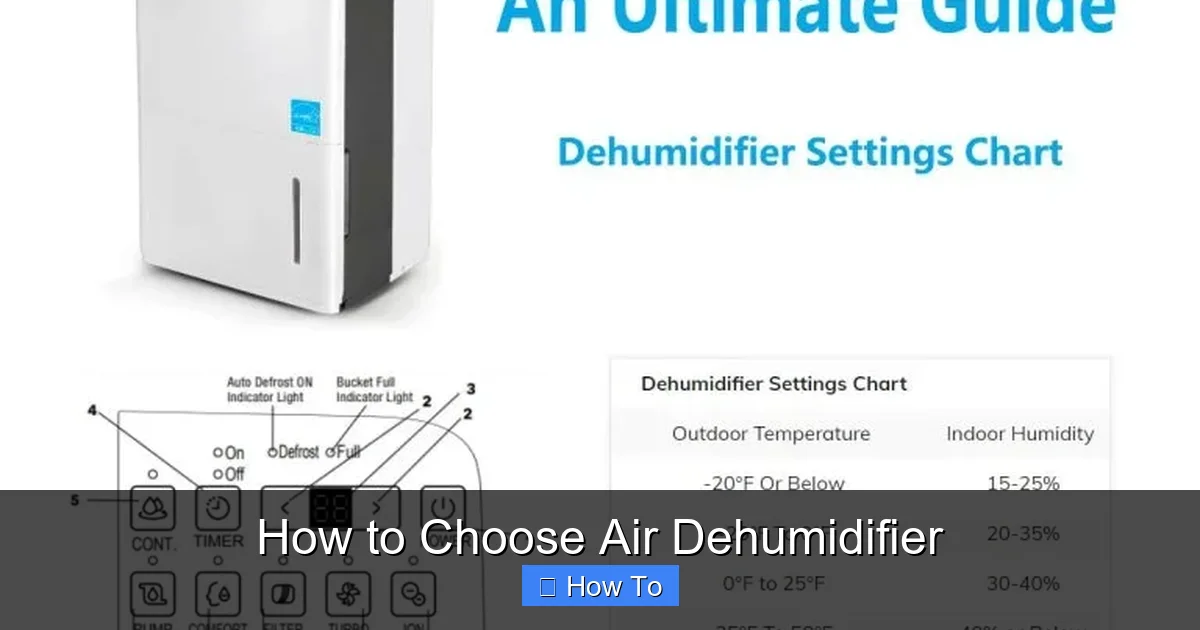
Choosing the right air dehumidifier can improve indoor air quality, reduce mold, and boost comfort. This guide walks you through size, type, features, and placement to help you pick the best model for your space.
Quick Answers to Common Questions
What size dehumidifier do I need for a 1,200 sq. ft. basement?
A 50-pint dehumidifier is ideal for a 1,200 sq. ft. basement with high humidity. If the space is only moderately damp, a 30-pint model may suffice.
Can I run a dehumidifier all the time?
Yes, especially if using continuous drainage. Most modern units are designed for 24/7 operation and have auto-shutoff when the desired humidity is reached.
Do dehumidifiers use a lot of electricity?
It depends on the model and usage. ENERGY STAR units are more efficient. On average, a 30-pint dehumidifier costs $30–$60 per year to run.
Where should I place my dehumidifier?
Place it in the most humid area, away from walls and furniture. In basements, center placement works best for even air circulation.
How often should I clean the filter?
Clean the filter every 2–4 weeks during heavy use. A dirty filter reduces efficiency and can cause the unit to overheat.
How to Choose Air Dehumidifier: A Complete Step-by-Step Guide
Too much humidity in your home can lead to musty odors, mold growth, peeling paint, and even health issues like allergies or asthma. Whether you live in a damp basement, a humid coastal area, or just notice condensation on your windows, an air dehumidifier can make a big difference. But with so many models on the market, how do you choose the right one?
This guide will walk you through everything you need to know to pick the perfect air dehumidifier for your home. We’ll cover how to assess your needs, understand capacity and types, compare features, and avoid common mistakes. By the end, you’ll feel confident selecting a model that improves your indoor air quality, protects your home, and fits your budget.
Step 1: Assess Your Humidity Problem
Before buying any appliance, it’s important to understand the scope of your humidity issue. Not all dampness is the same, and the right solution depends on the cause and severity.
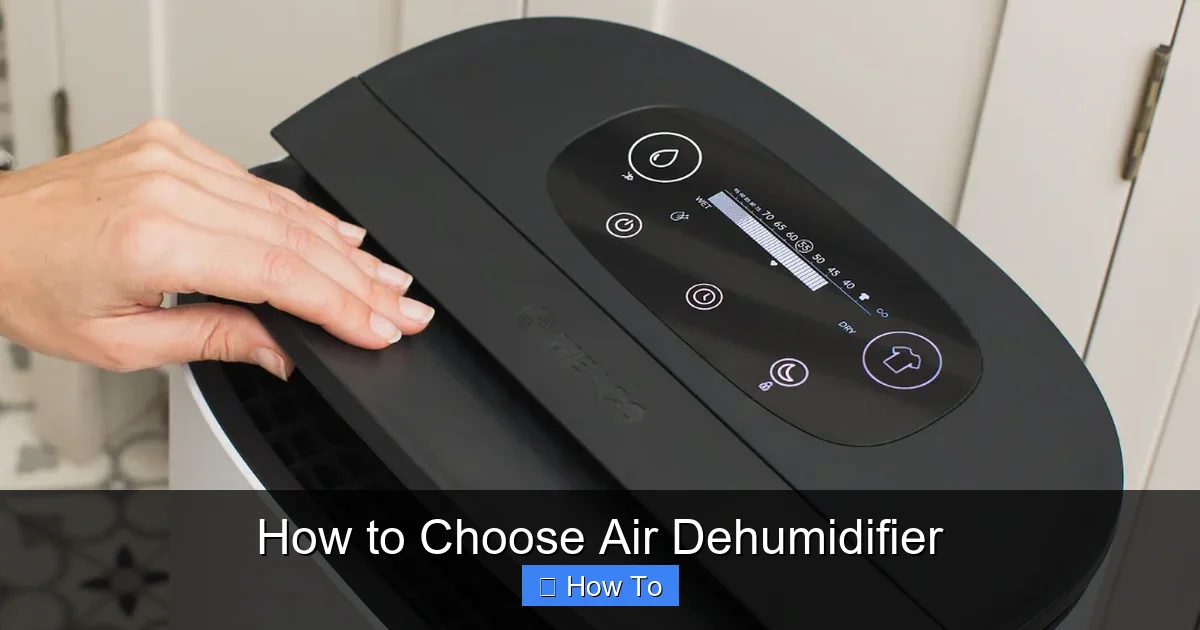
Visual guide about How to Choose Air Dehumidifier
Image source: meaco.com
Check the Humidity Level
The ideal indoor humidity level is between 30% and 50%. Anything above 60% creates a breeding ground for mold, dust mites, and bacteria. Use a hygrometer—a simple, inexpensive device—to measure the humidity in the problem area. You can find digital hygrometers at hardware stores or online for under $20.
Identify the Source of Moisture
Ask yourself: Where is the moisture coming from? Common sources include:
- Basements with poor ventilation or water seepage
- Bathrooms without exhaust fans
- Laundry rooms with wet clothes drying indoors
- Homes in humid climates (e.g., Florida, Louisiana, or the Pacific Northwest)
- Newer, tightly sealed homes that trap moisture
Understanding the source helps determine whether a dehumidifier is the right fix—or if you also need better ventilation, insulation, or waterproofing.
Determine the Affected Area
Measure the square footage of the space where you plan to use the dehumidifier. A small bathroom (50 sq. ft.) needs a very different unit than a large basement (1,500 sq. ft.). Most dehumidifiers list their coverage area, so this step is crucial for choosing the right size.
Step 2: Choose the Right Capacity (Pint Rating)
Dehumidifiers are rated by how many pints of moisture they can remove in 24 hours. This is known as the pint rating. Choosing the correct capacity ensures the unit can handle your humidity load without running constantly or underperforming.
Understand Pint Ratings
Here’s a general guide based on room size and humidity level:
- 10–20 pints: Small spaces (under 500 sq. ft.), mild dampness (e.g., closet, small bathroom)
- 20–30 pints: Medium spaces (500–1,000 sq. ft.), moderate humidity (e.g., bedroom, laundry room)
- 30–50 pints: Large spaces (1,000–2,000 sq. ft.), high humidity (e.g., basement, crawl space)
- 50+ pints: Very large or extremely damp areas (e.g., flood-damaged rooms, commercial spaces)
For example, a 30-pint dehumidifier is ideal for a typical basement with average humidity. But if your basement is damp or prone to flooding, go for a 50-pint model.
Use a Sizing Chart
Many manufacturers provide sizing charts based on square footage and humidity level. Here’s a simplified version:
| Room Size (sq. ft.) | Low Humidity | Moderate Humidity | High Humidity |
|---|---|---|---|
| Up to 500 | 10–20 pints | 20–30 pints | 30–50 pints |
| 500–1,000 | 20–30 pints | 30–50 pints | 50+ pints |
| 1,000–2,000 | 30–50 pints | 50+ pints | 70+ pints (or multiple units) |
Note: These are estimates. Always check the manufacturer’s recommendations.
Step 3: Choose the Right Type of Dehumidifier
Not all dehumidifiers work the same way. The two main types are compressor (refrigerant) and desiccant. Each has pros and cons depending on your climate and needs.
Compressor (Refrigerant) Dehumidifiers
These are the most common and affordable type. They work by pulling air over cold coils, causing moisture to condense and drip into a tank.
- Best for: Warm, humid climates (above 65°F)
- Pros: Energy-efficient, effective at removing large amounts of moisture
- Cons: Less effective in cold temperatures; can freeze up in unheated spaces
Example: A 30-pint compressor dehumidifier in a basement during summer works great. But in winter, when temperatures drop below 60°F, it may struggle.
Desiccant Dehumidifiers
These use a moisture-absorbing material (like silica gel) to pull water from the air. They don’t rely on cold coils, so they work well in cold environments.
- Best for: Cold climates, garages, crawl spaces, or winter use
- Pros: Effective in low temperatures; quieter operation
- Cons: Less energy-efficient; higher running costs; smaller capacity
Example: A desiccant model is ideal for a cabin or garage in Minnesota, where winter temperatures often dip below freezing.
Hybrid Models
Some newer units combine both technologies for better performance across temperatures. These are more expensive but offer flexibility.
Step 4: Look for Key Features
Modern dehumidifiers come with a range of features that improve convenience, efficiency, and performance. Here’s what to look for.
Auto-Humidistat
This built-in sensor measures humidity and automatically turns the unit on or off to maintain your desired level (e.g., 45%). It saves energy and prevents over-drying.
Continuous Drainage Option
Instead of manually emptying a water tank, you can attach a hose to drain water directly into a floor drain or sump pump. This is a must-have for basements or 24/7 operation.
Auto-Restart
If the power goes out, the unit will automatically resume its previous settings when power returns. Great for areas with frequent outages.
Washable Air Filter
A reusable filter captures dust and allergens. Look for models with easy-to-clean filters—just rinse monthly to maintain airflow and efficiency.
Adjustable Fan Speeds
Multiple fan settings let you control noise and drying speed. Use high speed for quick drying, low speed for quiet nighttime operation.
Timer Function
Set the dehumidifier to run for a specific number of hours (e.g., 2, 4, or 8 hours). Useful for energy savings or targeted drying.
Digital Display and Controls
Clear displays show humidity levels, settings, and alerts (like a full tank). Touch controls are more durable than buttons.
Portability Features
Look for built-in handles and caster wheels if you plan to move the unit between rooms.
Step 5: Consider Noise Levels
Dehumidifiers can be noisy, especially on high settings. If you’re placing one in a bedroom, living room, or home office, noise matters.
Check the Decibel (dB) Rating
Most dehumidifiers operate between 45 and 65 decibels. For reference:
- 45 dB: Quiet library
- 50 dB: Quiet conversation
- 60 dB: Normal conversation
- 65 dB: Vacuum cleaner
For quiet operation, choose a model under 50 dB. Desiccant units are generally quieter than compressor types.
Test in Person (If Possible)
If you’re shopping in-store, ask to hear the unit run. Online, check customer reviews for comments about noise.
Step 6: Evaluate Energy Efficiency
Dehumidifiers run for hours each day, so energy use adds up. An efficient model saves money and reduces environmental impact.
Look for ENERGY STAR Certification
ENERGY STAR-certified dehumidifiers use 10–20% less energy than standard models. They must meet strict efficiency guidelines set by the EPA.
Check the Energy Factor (L/kWh)
This measures how many liters of water the unit removes per kilowatt-hour of electricity. Higher numbers mean better efficiency. Aim for at least 1.5 L/kWh.
Estimate Annual Operating Cost
Use this formula:
Annual Cost = (Watts × Hours per Day × Days per Year × Electricity Rate) ÷ 1,000
Example: A 300-watt dehumidifier running 8 hours/day, 180 days/year, at $0.12/kWh:
(300 × 8 × 180 × 0.12) ÷ 1,000 = $51.84 per year
Compare this across models to find the most cost-effective option.
Step 7: Choose the Right Size and Design
Dehumidifiers come in various sizes and styles. Pick one that fits your space and lifestyle.
Compact vs. Full-Size Models
Compact units (under 30 lbs) are easy to move and store. Full-size models (50+ lbs) are more powerful but harder to relocate.
Upright vs. Horizontal Designs
Upright models take up less floor space and are easier to place in corners. Horizontal units may offer larger tanks but require more room.
Aesthetic Considerations
Some models come in white, black, or stainless steel finishes. While function matters most, a sleek design can blend better with your home.
Step 8: Read Reviews and Compare Brands
Don’t rely solely on specs. Real-world performance matters.
Check Customer Reviews
Look for consistent feedback on:
- Noise level
- Ease of use
- Tank capacity and drainage
- Reliability over time
- Customer service
Compare Top Brands
Some trusted brands include:
- Frigidaire: Reliable, energy-efficient, great for basements
- hOmeLabs: High-capacity, user-friendly, popular for large spaces
- GE: Affordable, widely available, good basic models
- Eva-Dora: Premium desiccant units, excellent for cold climates
- Keystone: Budget-friendly, compact options
Compare at least 3–5 models before deciding.
Step 9: Set a Budget
Dehumidifiers range from $100 to $600+. Set a realistic budget based on your needs.
- $100–$200: Basic 20–30 pint models, limited features
- $200–$350: Mid-range with auto-humidistat, drainage, and filters
- $350–$500: High-capacity, ENERGY STAR, advanced features
- $500+: Commercial-grade, hybrid, or smart models
Remember: A higher upfront cost may save money in the long run through energy savings and durability.
Step 10: Install and Maintain Properly
Even the best dehumidifier won’t work well if installed or maintained incorrectly.
Placement Tips
- Place the unit at least 6–12 inches away from walls and furniture for proper airflow.
- Avoid placing near heat sources (e.g., furnace, dryer).
- In basements, position near the center or where moisture is worst.
- Elevate slightly on a stand or mat to prevent floor damage.
Maintenance Routine
- Empty the tank daily if not using continuous drainage.
- Clean the filter every 2–4 weeks with warm, soapy water.
- Wipe the coils annually to prevent dust buildup.
- Check the hose for clogs if using drainage.
- Store properly in dry conditions during off-seasons.
Troubleshooting Common Issues
Even with the right model, problems can occur. Here’s how to fix common issues.
Unit Won’t Turn On
- Check power cord and outlet.
- Ensure the tank isn’t full (most units have a safety shut-off).
- Reset the circuit breaker.
Not Removing Enough Moisture
- Clean the air filter—clogged filters reduce efficiency.
- Check for frost on coils (common in cold rooms)—defrost or switch to a desiccant model.
- Ensure the room is sealed (close windows and doors).
Too Noisy
- Place on a flat, stable surface to reduce vibration.
- Check for loose parts or debris in the fan.
- Use on low fan speed at night.
Water Leaking
- Ensure the tank is seated properly.
- Check the drain hose for cracks or improper connection.
- Elevate the unit if water is pooling underneath.
Conclusion
Choosing the right air dehumidifier doesn’t have to be overwhelming. By following these steps—assessing your humidity, selecting the right capacity and type, comparing features, and maintaining the unit—you can improve your home’s air quality, protect your property, and enjoy a more comfortable living space.
Remember: The best dehumidifier is the one that fits your specific needs. Don’t overspend on features you won’t use, but don’t skimp on capacity or efficiency. With the right choice, you’ll breathe easier and live better.