
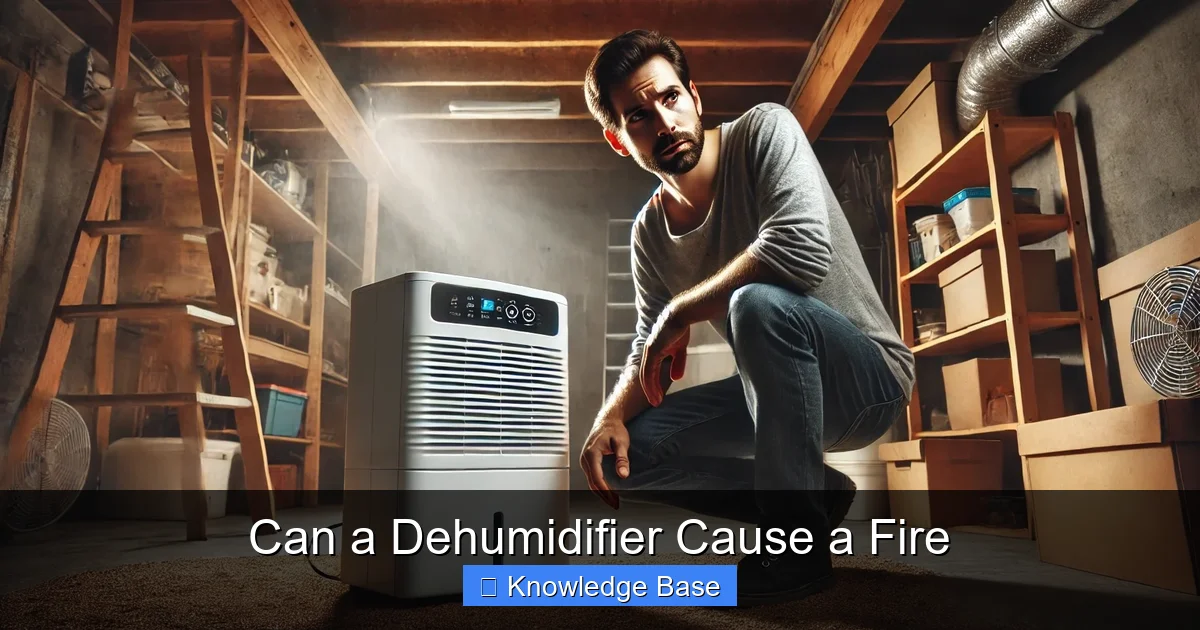
While dehumidifiers are generally safe, they can pose a fire risk if poorly maintained, defective, or used improperly. Understanding how these appliances work and following safety guidelines significantly reduces the chance of overheating or electrical fires.
Key Takeaways
- Dehumidifiers can cause fires, but it’s rare: Most incidents are linked to electrical faults, overheating, or poor maintenance.
- Older or recalled models are higher risk: Units with outdated components or known defects are more likely to malfunction.
- Regular cleaning prevents overheating: Dust buildup on coils and filters can block airflow and cause the unit to overheat.
- Use surge protectors and proper outlets: Plugging into overloaded circuits or damaged outlets increases fire risk.
- Never run a dehumidifier unattended for long periods: Always monitor the unit, especially in basements or crawl spaces.
- Follow manufacturer instructions: Proper setup, placement, and maintenance are key to safe operation.
- Replace old units every 5–10 years: Wear and tear on internal parts can lead to electrical failure over time.
Quick Answers to Common Questions
Can a dehumidifier cause a fire?
Yes, but it’s rare. Most fires are caused by electrical faults, overheating, or poor maintenance. Regular cleaning and proper use greatly reduce the risk.
How often should I clean my dehumidifier?
Clean the filter every 2–4 weeks during heavy use. Wipe down the coils and water tank monthly to prevent dust and mold buildup.
Is it safe to run a dehumidifier overnight?
Yes, as long as it’s in good condition and properly maintained. Use a timer or smart plug to limit runtime if you’re concerned.
What should I do if my dehumidifier smells like it’s burning?
Unplug it immediately. The smell could indicate overheating wires or motor failure. Have it inspected by a professional before using it again.
How long do dehumidifiers last?
Most last 5–10 years with proper care. Replace older units if you notice performance issues or signs of wear.
📑 Table of Contents
- Can a Dehumidifier Cause a Fire? Understanding the Real Risks
- How Dehumidifiers Work and Why They Can Overheat
- Real-Life Examples: When Dehumidifiers Caused Fires
- Manufacturer Recalls and Safety Standards
- Preventing Dehumidifier Fires: Best Practices
- Signs Your Dehumidifier Might Be a Fire Hazard
- What to Do If Your Dehumidifier Catches Fire
- Conclusion: Safe Use Is Smart Use
Can a Dehumidifier Cause a Fire? Understanding the Real Risks
You’ve probably seen a dehumidifier humming away in your basement, laundry room, or crawl space, quietly pulling moisture from the air. These appliances are lifesavers in humid climates, helping prevent mold, mildew, and musty odors. But like any electrical device, they come with some risks—especially when it comes to fire safety.
So, can a dehumidifier cause a fire? The short answer is yes, but it’s not common. Most dehumidifiers are designed with multiple safety features to prevent overheating and electrical faults. However, under certain conditions—like poor maintenance, manufacturing defects, or misuse—these devices can become fire hazards. The good news? Most of these risks are preventable with proper care and awareness.
In this article, we’ll dive deep into how dehumidifiers work, what makes them potentially dangerous, real-life fire incidents, and—most importantly—how you can use your dehumidifier safely. Whether you’re a first-time buyer or have been using one for years, this guide will help you stay informed and protected.
How Dehumidifiers Work and Why They Can Overheat

Visual guide about Can a Dehumidifier Cause a Fire
Image source: alpineintel.com
To understand the fire risk, it helps to know how a dehumidifier operates. Most residential dehumidifiers use a refrigeration cycle, similar to an air conditioner. Here’s a simplified breakdown:
– A fan pulls humid air into the unit.
– The air passes over cold coils, causing moisture to condense into water droplets.
– The collected water drips into a reservoir or drains out through a hose.
– The now-drier air is reheated slightly and released back into the room.
This process involves several electrical components: a compressor, fan motor, thermostat, and control board. All of these generate heat during operation. Under normal conditions, the unit is designed to dissipate this heat safely. But when something goes wrong—like blocked airflow or a failing motor—the internal temperature can rise dangerously.
Common Causes of Overheating
Several factors can lead to overheating, which is a primary precursor to fire:
– Dust and debris buildup: Over time, dust accumulates on the evaporator and condenser coils. This insulation layer traps heat, reducing efficiency and causing the compressor to work harder.
– Clogged air filters: A dirty filter restricts airflow, making the fan motor strain and overheat.
– Blocked vents or poor placement: Placing the dehumidifier too close to walls or furniture can block intake and exhaust vents, trapping heat inside.
– Faulty thermostat or sensors: If the thermostat fails to detect temperature changes, the unit may run continuously without cooling down.
– Compressor failure: The compressor is the heart of the system. If it seizes or overheats, it can emit smoke or sparks.
For example, imagine your dehumidifier has been running for months without cleaning. The filter is caked with dust, and the coils are barely visible under a layer of grime. The fan struggles to pull air through, the motor heats up, and the compressor runs nonstop. Eventually, the internal temperature spikes—creating a fire hazard.
Real-Life Examples: When Dehumidifiers Caused Fires
Visual guide about Can a Dehumidifier Cause a Fire
Image source: 4.bp.blogspot.com
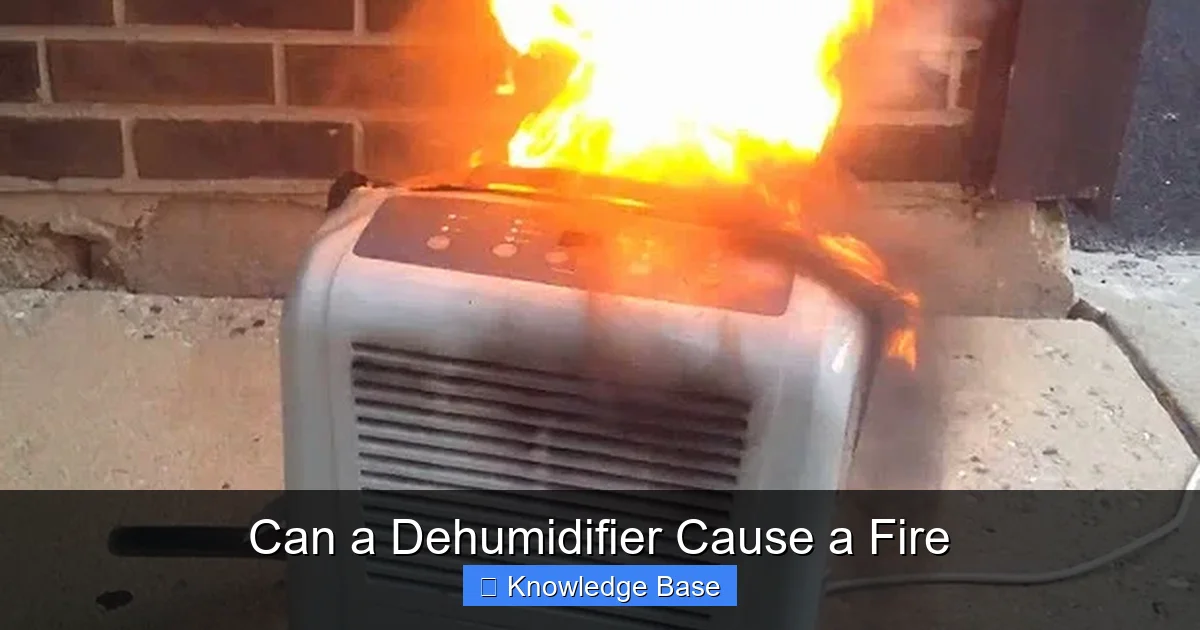
While rare, there have been documented cases of dehumidifiers causing fires. These incidents often make headlines because they highlight the importance of safety and maintenance.
One notable case occurred in 2013 when the U.S. Consumer Product Safety Commission (CPSC) issued a massive recall of over 2 million dehumidifiers sold under brands like Frigidaire, GE, and Kenmore. The units, manufactured by a Chinese company, had a defect in the compressor relay switch. This component could overheat, smoke, and catch fire—even when the unit wasn’t in use. The recall followed reports of more than 2,000 overheating incidents and at least 46 fires.
Another incident in 2018 involved a basement fire in Ohio. Fire investigators determined that a 10-year-old dehumidifier had short-circuited due to worn wiring. The unit had been running continuously for days, and the homeowner hadn’t cleaned it in over a year. The resulting fire caused significant water and smoke damage.
These stories aren’t meant to scare you—they’re meant to inform you. Most dehumidifier fires are preventable. But they do show that even seemingly harmless appliances can become dangerous when neglected.
Manufacturer Recalls and Safety Standards
One of the biggest red flags for fire risk is a product recall. If a dehumidifier model has been recalled due to fire hazards, it should be unplugged and returned immediately.
The 2013 recall mentioned earlier is a prime example. The CPSC worked with manufacturers to identify affected models and offer free repairs or replacements. Many of these units had been sold for years before the defect was discovered.
How to Check if Your Dehumidifier Is Recalled
You can check for recalls in a few simple steps:
1. Find the model and serial number: These are usually on a label inside the water tank compartment or on the back of the unit.
2. Visit the CPSC website: Go to [www.cpsc.gov](https://www.cpsc.gov) and use the search tool to look up your model.
3. Check the manufacturer’s website: Most brands have a recall section where you can enter your model number.
4. Sign up for alerts: The CPSC offers email notifications for new recalls.
If your unit is recalled, follow the instructions carefully. Some recalls require you to stop using the appliance immediately, while others may offer a repair kit or replacement.
Safety Certifications to Look For
When buying a new dehumidifier, look for safety certifications like:
– UL Listed: Underwriters Laboratories tests appliances for fire and electrical safety.
– ETL Listed: Intertek’s certification is similar to UL and indicates compliance with safety standards.
– Energy Star: While focused on efficiency, Energy Star-certified models often have better build quality and safety features.
These labels don’t guarantee a fire won’t happen, but they do mean the unit has passed rigorous testing.
Preventing Dehumidifier Fires: Best Practices
The best way to avoid a dehumidifier fire is through regular maintenance and safe usage. Here are practical steps you can take today.
Clean Your Dehumidifier Regularly
Dust and mold love damp environments—and your dehumidifier is no exception. Clean it every 2–4 weeks during heavy use.
– Unplug the unit first.
– Remove and wash the air filter with warm, soapy water. Let it dry completely before reinstalling.
– Use a soft brush or vacuum attachment to clean the coils. Be gentle—bent fins can reduce efficiency.
– Wipe down the water tank with a mild disinfectant to prevent mold growth.
Ensure Proper Ventilation
Never place your dehumidifier in a tight space. Leave at least 6–12 inches of clearance around all sides, especially near vents.
– Avoid running it in enclosed cabinets or behind furniture.
– If using a drain hose, make sure it’s not kinked or blocked.
– Keep the area around the unit clean and free of clutter.
Use the Right Electrical Setup
Electrical issues are a leading cause of appliance fires.
– Plug the dehumidifier directly into a wall outlet—never use an extension cord.
– Avoid power strips or multi-plug adapters, especially if they’re overloaded.
– Use a surge protector if you’re in an area with frequent power fluctuations.
– Make sure the outlet is grounded and in good condition.
If you notice the outlet is warm, sparks, or has burn marks, stop using it immediately and call an electrician.
Monitor Runtime and Settings
Dehumidifiers are designed to run for long periods, but they shouldn’t run nonstop without breaks.
– Set the humidity level between 30% and 50%. Going too low forces the unit to work harder.
– Use a timer or smart plug to limit runtime, especially overnight.
– If the unit shuts off frequently, check for blockages or full water tanks.
Replace Old or Damaged Units
Most dehumidifiers last 5–10 years with proper care. After that, internal components wear out.
– If your unit is more than 10 years old, consider replacing it.
– Watch for signs of trouble: strange noises, burning smells, frequent tripping of circuit breakers, or visible damage to the cord.
– Don’t try to repair it yourself unless you’re qualified. Tampering with electrical components increases fire risk.
Signs Your Dehumidifier Might Be a Fire Hazard
Even with good maintenance, problems can arise. Watch for these warning signs:
– Burning smell: This could indicate overheating wires or motor.
– Excessive heat: The exterior feels hot to the touch, especially near the back or bottom.
– Frequent tripping of the circuit breaker: This suggests an electrical fault.
– Visible smoke or sparks: Stop using the unit immediately and unplug it.
– Unusual noises: Grinding, buzzing, or clicking sounds may signal motor or compressor failure.
– Water leaks or rust: Corrosion can damage internal wiring.
If you notice any of these, turn off the dehumidifier, unplug it, and contact the manufacturer or a qualified technician.
What to Do If Your Dehumidifier Catches Fire
In the worst-case scenario, your dehumidifier starts smoking or catches fire. Here’s what to do:
1. Stay calm and act quickly.
2. Unplug the unit if it’s safe to do so. Do not touch it if it’s hot or sparking.
3. Use a fire extinguisher rated for electrical fires (Class C). Never use water—it can conduct electricity and cause electrocution.
4. Evacuate the area if the fire spreads. Call 911 immediately.
5. Do not re-enter the home until firefighters say it’s safe.
After the incident, document everything for insurance purposes. Take photos, keep receipts, and file a report with the CPSC if the fire was due to a defect.
Conclusion: Safe Use Is Smart Use
So, can a dehumidifier cause a fire? Yes—but the risk is low when you follow basic safety practices. Most fires are caused by neglect, outdated models, or electrical issues that could have been prevented.
By cleaning your unit regularly, using it correctly, and staying alert to warning signs, you can enjoy the benefits of a dehumidifier without worry. Remember: safety isn’t just about avoiding disasters—it’s about peace of mind.
If you’re unsure about your current dehumidifier, take a few minutes to check for recalls, inspect the cords, and clean the filter. It’s a small effort that could make a big difference.
Your home should be a place of comfort, not concern. With the right knowledge and habits, your dehumidifier can keep your air dry—and your family safe.
Frequently Asked Questions
Are all dehumidifiers fire hazards?
No, most modern dehumidifiers are safe when used correctly. Fire risks are typically linked to defects, poor maintenance, or misuse.
Can a dehumidifier overheat and catch fire while turned off?
It’s unlikely, but possible if there’s a defect in the wiring or compressor. That’s why recalled units should be unplugged immediately.
Should I use an extension cord with my dehumidifier?
No. Always plug the dehumidifier directly into a wall outlet. Extension cords can overheat and increase fire risk.
What’s the safest place to put a dehumidifier?
Place it in a well-ventilated area with at least 6–12 inches of clearance around all sides. Avoid tight spaces or behind furniture.
Can mold in a dehumidifier cause a fire?
Mold itself won’t cause a fire, but it can clog filters and coils, leading to overheating. Clean the unit regularly to prevent this.
How do I know if my dehumidifier is recalled?
Check the model number on the CPSC website or the manufacturer’s site. Sign up for recall alerts to stay informed.