
Using a dehumidifier correctly actually protects your furniture from moisture damage—mold, warping, and mildew. However, improper use, such as over-drying or poor placement, can cause dryness, cracking, or finish damage. With the right settings and care, a dehumidifier is a powerful ally in preserving your home’s furnishings.
Key Takeaways
- Dehumidifiers prevent moisture damage: They reduce humidity levels, protecting wood, leather, and fabric furniture from warping, mold, and mildew.
- Over-drying can harm furniture: Excessively low humidity (below 30%) may cause wood to crack, joints to loosen, and finishes to deteriorate.
- Proper placement matters: Keep the unit away from direct contact with furniture and ensure good air circulation to avoid localized drying.
- Ideal humidity range is 40–50%: Maintaining this balance protects furniture without over-drying the air.
- Monitor with a hygrometer: Regularly check indoor humidity to adjust dehumidifier settings as needed.
- Different materials need different care: Wood, leather, and upholstery respond differently to humidity changes—adjust care routines accordingly.
- Regular maintenance extends furniture life: Combine dehumidifier use with cleaning, polishing, and inspections for best results.
Quick Answers to Common Questions
Can a dehumidifier dry out wood furniture?
Yes, if humidity drops below 30%, wood can dry out, crack, or warp. Maintain 40–50% humidity to prevent this.
Should I run a dehumidifier near my leather sofa?
Not directly. Keep the unit at least 12–18 inches away to avoid localized drying and cracking.
What humidity level is best for furniture?
The ideal range is 40–50% relative humidity. This protects wood, leather, and fabric without over-drying.
Can a dehumidifier cause mold on furniture?
No—it prevents mold by reducing moisture. But if the unit isn’t maintained, mold can grow inside it and spread spores.
Do I need a dehumidifier in a dry climate?
Not usually. In arid regions, indoor air is often dry enough. Use a hygrometer to check—only run a dehumidifier if humidity exceeds 50%.
📑 Table of Contents
- Can a Dehumidifier Damage Furniture? The Truth You Need to Know
- How Dehumidifiers Work and Their Role in Home Climate Control
- The Ideal Humidity Level for Furniture Protection
- Can a Dehumidifier Damage Furniture? Risks and Realities
- How Different Furniture Materials React to Dehumidifiers
- Best Practices for Using a Dehumidifier Safely
- When to Use—and Not Use—a Dehumidifier Around Furniture
- Conclusion: Dehumidifiers Protect—When Used Wisely
Can a Dehumidifier Damage Furniture? The Truth You Need to Know
When it comes to protecting your home and belongings, few appliances are as misunderstood as the dehumidifier. Many people buy one to tackle damp basements, musty smells, or allergy triggers—only to worry: Can a dehumidifier damage furniture? It’s a fair question, especially if you’ve invested in beautiful wooden tables, leather sofas, or vintage armchairs.
The short answer? A dehumidifier, when used properly, does not damage furniture—it protects it. In fact, it’s one of the best tools you can use to preserve the look, feel, and longevity of your furnishings. But like any powerful appliance, it needs to be used wisely. Too much of a good thing—like overly dry air—can lead to problems such as cracking wood, brittle leather, or weakened fabric fibers. The key is balance, awareness, and smart usage.
In this guide, we’ll explore how dehumidifiers work, how they affect different types of furniture, and how to use them safely. You’ll learn the ideal humidity levels for your home, how to avoid common mistakes, and how to combine dehumidifier use with proper furniture care. Whether you’re dealing with a humid coastal climate or a damp basement apartment, this information will help you keep your furniture looking its best for years to come.
How Dehumidifiers Work and Their Role in Home Climate Control
Before we dive into furniture safety, let’s understand what a dehumidifier actually does. At its core, a dehumidifier is an appliance designed to remove excess moisture from the air. It pulls in humid air, cools it to condense the water vapor, collects the water in a tank or drains it away, and then releases drier air back into the room. This process helps control indoor humidity levels, which is crucial for both comfort and health.

Visual guide about Can a Dehumidifier Damage Furniture
Image source: thumbs.dreamstime.com
The Science Behind Humidity and Furniture
Wood, leather, and fabric are all hygroscopic materials—meaning they absorb and release moisture based on the surrounding air. In high humidity, they soak up water, which can cause swelling, warping, or mold growth. In low humidity, they dry out, potentially leading to cracks, splits, or weakened structures. This natural expansion and contraction is why climate control is so important for furniture longevity.
For example, a solid wood dining table in a humid basement might warp over time, causing doors to stick or drawers to jam. Similarly, a leather armchair in a damp room could develop mildew or soften and lose its shape. A dehumidifier helps stabilize the environment, reducing these risks.
Types of Dehumidifiers and Their Impact
There are two main types of dehumidifiers: refrigerant (compressor-based) and desiccant. Refrigerant models are the most common and work best in warm, humid environments. They’re effective at pulling moisture from the air but can make rooms feel cooler. Desiccant dehumidifiers use a moisture-absorbing material and are better for colder spaces, like garages or unheated rooms.
Both types can affect furniture, but not inherently in a negative way. The key is ensuring they don’t create excessively dry conditions. Some high-capacity models can lower humidity too much if not monitored, especially in smaller rooms. That’s why understanding your home’s needs and choosing the right size and settings is essential.
The Ideal Humidity Level for Furniture Protection
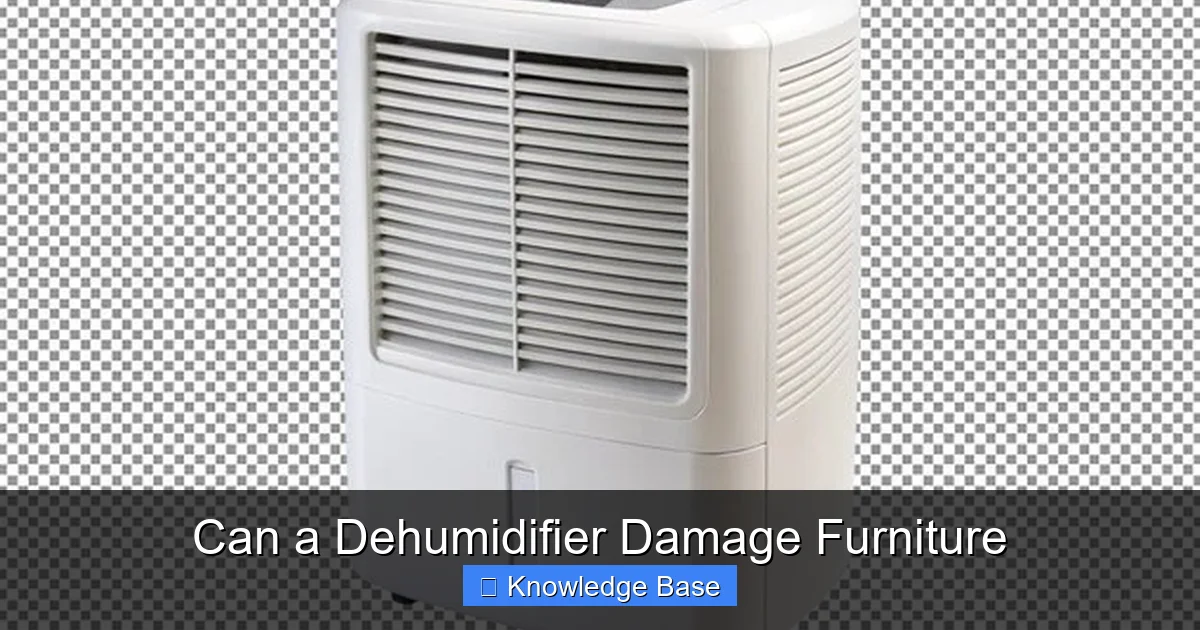
So, what’s the magic number? Experts agree that the ideal indoor humidity level for furniture and overall home health is between 40% and 50%. This range strikes a balance—it’s low enough to prevent mold, mildew, and insect infestations, but high enough to keep wood from drying out and cracking.
Visual guide about Can a Dehumidifier Damage Furniture
Image source: img.freepik.com
Why 40–50% Humidity Is the Sweet Spot
At 40–50% relative humidity, wood furniture remains stable. It doesn’t absorb excess moisture or lose too much of its natural oils. Leather stays supple, and fabrics resist mold growth. This range also supports human comfort—reducing dust mites, static electricity, and respiratory irritation.
For example, a study by the Forest Products Laboratory found that wood furniture maintained its structural integrity best when stored in environments with 45% humidity. Deviations above or below this range increased the risk of damage over time.
What Happens Outside the Ideal Range?
If humidity drops below 30%, wood can become brittle. You might notice fine cracks along joints or finishes starting to flake. Leather can dry out, lose elasticity, and develop surface cracks. Upholstery fabrics may become stiff or prone to tearing.
On the flip side, humidity above 60% encourages mold and mildew. Wood swells, joints loosen, and finishes bubble. In extreme cases, furniture can rot or become infested with pests like termites or powderpost beetles. A dehumidifier helps prevent these issues by maintaining a consistent, healthy environment.
How to Monitor Humidity Levels
The best way to stay on top of humidity is to use a hygrometer—a small, affordable device that measures relative humidity. Place one in the room where your furniture is located, ideally away from windows, doors, or heat sources. Check it regularly, especially during seasonal changes when indoor humidity can fluctuate.
Many modern dehumidifiers come with built-in hygrometers and automatic shut-off features. These “smart” models adjust their operation based on current humidity, helping maintain the ideal range without constant manual adjustments. If your unit doesn’t have this feature, consider upgrading or using a standalone hygrometer to guide your settings.
Can a Dehumidifier Damage Furniture? Risks and Realities
Now, let’s address the core question: Can a dehumidifier damage furniture? The answer is nuanced. While dehumidifiers are generally safe and beneficial, improper use can lead to problems. The main risk isn’t the appliance itself—it’s how it’s used.
Over-Drying: The Hidden Danger
The most common way a dehumidifier can harm furniture is by creating excessively dry air. If you run a high-capacity unit in a small, well-sealed room without monitoring humidity, you might drop levels below 30%. This can cause:
- Wood cracking: Especially in solid wood pieces like chairs, tables, or cabinets.
- Finish damage: Varnish, lacquer, or polyurethane coatings may crack or peel.
- Joint separation: Glued or doweled joints can loosen as wood shrinks.
- Leather drying: Sofas and chairs may lose softness and develop surface cracks.
- Fabric brittleness: Upholstery and drapes may become fragile over time.
For instance, a homeowner in Arizona ran a dehumidifier continuously in a sealed living room to combat dust mites. Within six months, their antique oak coffee table developed hairline cracks along the legs. A hygrometer revealed humidity had dropped to 25%—far too low for wood stability.
Improper Placement and Airflow
Another risk comes from poor placement. If you position a dehumidifier too close to furniture, especially wood or leather pieces, the constant flow of dry air can create localized drying. This isn’t the same as ambient low humidity—it’s a concentrated effect that can accelerate damage.
For example, placing a dehumidifier directly behind a leather sofa might dry out the backrest faster than the rest of the piece, leading to uneven wear or cracking. Similarly, sitting a unit near a wooden bookshelf could cause the nearby shelves to shrink and warp.
To avoid this, keep the dehumidifier at least 12–18 inches away from furniture. Ensure there’s good airflow around the unit so dry air circulates evenly. Avoid blocking vents or placing the appliance in corners where air can’t move freely.
Ignoring Seasonal Changes
Humidity levels change with the seasons. In winter, indoor air tends to be drier due to heating systems. In summer, especially in humid climates, moisture levels rise. If you run your dehumidifier at the same setting year-round, you might over-dry in winter or under-dry in summer.
A better approach is to adjust settings seasonally. Use a lower extraction rate in winter and increase it during humid months. Some smart dehumidifiers do this automatically, but if yours doesn’t, make it a habit to check and adjust every few months.
How Different Furniture Materials React to Dehumidifiers
Not all furniture is created equal when it comes to humidity sensitivity. Understanding how different materials respond will help you tailor your dehumidifier use and care routine.
Wood Furniture: The Most Sensitive
Solid wood is the most vulnerable to humidity changes. It expands in moisture and contracts in dry air. Over time, this cycle can lead to warping, splitting, or joint failure. Engineered wood (like MDF or plywood) is slightly more stable but still at risk from extreme dryness.
To protect wood furniture:
- Maintain 40–50% humidity.
- Avoid placing dehumidifiers directly near wood pieces.
- Use wood conditioner or polish every few months to replenish natural oils.
- Inspect joints and finishes regularly for signs of stress.
For example, a mahogany dining set in a dry climate might benefit from occasional light oiling (like lemon oil) to prevent surface drying, even with a dehumidifier running.
Leather Furniture: Needs Moisture Balance
Leather is durable but sensitive to extreme dryness. It needs some moisture to stay soft and flexible. Over-drying can cause it to stiffen, crack, or lose its luster. However, too much humidity leads to mold and mildew.
Tips for leather care:
- Keep humidity in the 40–50% range.
- Clean and condition leather every 6–12 months with a pH-balanced product.
- Avoid direct airflow from dehumidifiers or heaters.
- Use a leather protector spray to guard against drying.
A well-maintained leather recliner in a climate-controlled room can last decades. But one exposed to constant dry air may show wear in just a few years.
Upholstered and Fabric Furniture
Fabric-covered furniture is less prone to cracking but can suffer from mold, mildew, or fiber degradation in high humidity. In very dry conditions, some synthetic fibers may become brittle, but this is rare.
To protect upholstery:
- Use a dehumidifier to prevent mold growth.
- Vacuum regularly to remove dust and allergens.
- Rotate cushions to ensure even wear.
- Consider a fabric protector for spill and moisture resistance.
For example, a velvet sofa in a damp basement can develop mildew spots if humidity isn’t controlled. A dehumidifier prevents this, but over-drying won’t typically harm the fabric.
Best Practices for Using a Dehumidifier Safely
Now that you understand the risks and benefits, here’s how to use your dehumidifier without harming your furniture.
Choose the Right Size and Capacity
Dehumidifiers are rated by how many pints of water they can remove per day. A small 30-pint unit might be fine for a bedroom, but a large basement may need a 70-pint model. Using an undersized unit won’t effectively control humidity, while an oversized one can over-dry the air.
Match the unit to your space. Check the manufacturer’s recommendations based on square footage and humidity level (mild, moderate, or severe).
Set the Correct Humidity Level
Most dehumidifiers allow you to set a target humidity. Aim for 45% as a starting point. Use a hygrometer to verify the actual level. Adjust as needed based on seasonal changes and furniture condition.
Maintain Proper Air Circulation
Don’t block the dehumidifier’s intake or exhaust vents. Keep it away from walls and furniture. Use fans to help circulate air if needed, ensuring even drying.
Clean and Maintain the Unit Regularly
A dirty dehumidifier is less efficient and can harbor mold. Clean the water tank weekly, replace or clean filters monthly, and inspect coils for dust buildup. Follow the manufacturer’s maintenance guide.
Combine with Other Furniture Care Habits
A dehumidifier is just one part of furniture protection. Pair it with:
- Regular dusting and cleaning.
- Using coasters and placemats to prevent water rings.
- Avoiding direct sunlight, which can dry out finishes.
- Using area rugs to protect wood floors and reduce static.
When to Use—and Not Use—a Dehumidifier Around Furniture
There are times when a dehumidifier is essential, and times when it’s better to limit use.
Use a Dehumidifier When:
- You live in a humid climate (coastal areas, rainy regions).
- You have a damp basement or crawl space.
- You notice musty odors, mold spots, or warping.
- You store valuable or antique furniture.
- Family members have allergies or asthma triggered by mold.
Limit or Adjust Use When:
- Indoor humidity is already below 40%.
- It’s winter and heating systems are drying the air.
- You have very old or delicate antiques that need stable conditions.
- You’re in a dry climate (desert regions) where low humidity is normal.
In dry climates, you might not need a dehumidifier at all—or only during rare humid periods. In such cases, focus on other preservation methods like regular cleaning and conditioning.
Conclusion: Dehumidifiers Protect—When Used Wisely
So, can a dehumidifier damage furniture? The answer is: only if misused. When operated correctly, a dehumidifier is one of the best investments you can make to protect your home’s furnishings. It prevents the most common threats—mold, warping, mildew, and insect damage—by maintaining a stable, healthy indoor environment.
The key is balance. Aim for 40–50% humidity, monitor levels with a hygrometer, and avoid over-drying or poor placement. Combine dehumidifier use with regular furniture care, and you’ll extend the life of your wood, leather, and fabric pieces for generations.
Think of your dehumidifier not as a threat, but as a guardian. It quietly works in the background, keeping your home comfortable and your furniture safe. With a little knowledge and attention, you can enjoy the benefits without the risks.
Frequently Asked Questions
Can a dehumidifier damage antique furniture?
Antique furniture is especially sensitive to humidity changes. Use a dehumidifier carefully, maintain 45% humidity, and avoid direct airflow to prevent cracking or joint damage.
How often should I check humidity levels?
Check weekly with a hygrometer, especially during seasonal transitions. Adjust your dehumidifier settings as needed to stay within the 40–50% range.
Can I use a dehumidifier in a room with wooden floors?
Yes, but monitor humidity closely. Wood floors can cup or gap if humidity swings too much. Maintain consistent levels and avoid placing the unit directly on the floor.
Is it safe to run a dehumidifier all the time?
It’s safe if humidity stays in the ideal range. Use a model with an auto-humidistat to prevent over-drying. Turn it off if levels drop below 40%.
Can a dehumidifier help with musty smells on furniture?
Yes. Musty odors often come from mold or mildew due to high humidity. A dehumidifier reduces moisture, eliminating the source of the smell.
What’s the difference between a dehumidifier and a humidifier for furniture?
A dehumidifier removes moisture to prevent mold and warping. A humidifier adds moisture to prevent drying and cracking. Use each based on your climate and indoor humidity levels.