

Yes, a dehumidifier can help get rid of dust mites by reducing indoor humidity to levels where they can’t survive. While it won’t eliminate them overnight, maintaining humidity below 50% creates an environment that starves dust mites of moisture, drastically cutting their population over time.
If you’ve ever woken up with itchy eyes, a stuffy nose, or a sneezing fit, you might be sharing your home with tiny, invisible roommates: dust mites. These microscopic creatures live in our mattresses, carpets, upholstery, and even stuffed animals—and they love warm, humid environments. While they don’t bite or spread disease, their waste products and body fragments are common triggers for allergies and asthma. That’s why so many people are searching for effective ways to reduce or eliminate them from their homes.
One popular solution that often comes up is the dehumidifier. You’ve probably heard that dust mites need moisture to survive, so it makes sense that removing excess humidity could help. But can a dehumidifier actually get rid of dust mites? The short answer is yes—but not in the way you might think. A dehumidifier won’t suck up dust mites like a vacuum or kill them on contact. Instead, it works by changing the environment they depend on. By lowering the humidity in your home, you make it much harder for dust mites to thrive, reproduce, and survive. Over time, this can lead to a significant reduction in their population.
In this article, we’ll dive deep into how dehumidifiers work against dust mites, why humidity matters, and how to use them effectively as part of a broader dust mite control strategy. Whether you’re dealing with allergies, trying to improve your indoor air quality, or just want a cleaner, healthier home, understanding the role of humidity is key. So let’s explore the science, the practical steps, and the real-world results you can expect when using a dehumidifier to fight dust mites.
Key Takeaways
- Dehumidifiers reduce humidity: They lower indoor moisture levels, making it harder for dust mites to survive and reproduce.
- Dust mites thrive in high humidity: They need humidity above 50% to stay active and multiply—dehumidifiers disrupt this.
- Not a standalone solution: Combine dehumidifiers with regular cleaning, allergen-proof bedding, and vacuuming for best results.
- Optimal humidity range: Keep indoor humidity between 30% and 50% to discourage dust mite growth.
- Improves air quality: Lower humidity reduces mold, mildew, and allergens, benefiting allergy and asthma sufferers.
- Choose the right dehumidifier: Look for energy-efficient models with auto-humidistats and large capacity for larger spaces.
- Consistency matters: Run the dehumidifier regularly, especially in damp areas like basements and bedrooms.
Quick Answers to Common Questions
Can a dehumidifier kill dust mites?
No, a dehumidifier doesn’t kill dust mites directly. Instead, it lowers humidity to levels where dust mites can’t survive, leading to a gradual decline in their population.
What humidity level kills dust mites?
Dust mites struggle to survive when indoor humidity drops below 50%. Keeping humidity between 30% and 50% is ideal for controlling them.
How long does it take for a dehumidifier to reduce dust mites?
It can take several weeks to months of consistent use to see a noticeable reduction in dust mite populations, depending on initial humidity levels and cleaning habits.
Do I need a dehumidifier in every room?
No, but placing one in high-risk areas like the bedroom or basement is most effective. A whole-house dehumidifier can help if humidity is a widespread issue.
Can a dehumidifier help with allergies?
Yes, by reducing dust mites and mold—common allergens—a dehumidifier can significantly improve symptoms for people with allergies or asthma.
📑 Table of Contents
- What Are Dust Mites and Why Are They a Problem?
- How Do Dehumidifiers Work Against Dust Mites?
- The Science Behind Humidity and Dust Mite Survival
- Using a Dehumidifier Effectively: Tips and Best Practices
- Other Ways to Reduce Dust Mites in Your Home
- Common Misconceptions About Dehumidifiers and Dust Mites
- Conclusion: Can a Dehumidifier Get Rid of Dust Mites?
What Are Dust Mites and Why Are They a Problem?
Dust mites are tiny arthropods that belong to the spider family, though they’re so small—usually less than 0.5 millimeters—that you can’t see them without a microscope. They feed on dead skin cells shed by humans and pets, which is why they love to live in places like beds, couches, and carpets where we spend a lot of time. A single gram of dust can contain hundreds or even thousands of dust mites, and a typical mattress can house over 100,000 of them.
So why are they such a big deal? The problem isn’t the mites themselves—it’s what they leave behind. Dust mites produce waste particles as they digest skin flakes, and these microscopic droppings are potent allergens. When inhaled, they can trigger allergic reactions in sensitive individuals. Symptoms include sneezing, runny nose, itchy eyes, coughing, and in more severe cases, asthma attacks. For people with asthma or chronic respiratory conditions, dust mites can make daily life uncomfortable and even dangerous.
Dust mites also thrive in environments that many of us consider cozy: warm, humid spaces. They absorb moisture directly from the air through their bodies, which means they need a certain level of humidity to stay hydrated and active. If the air is too dry, they can’t survive. This is where dehumidifiers come into play. By controlling the humidity in your home, you can create conditions that are hostile to dust mites, reducing their numbers and minimizing their impact on your health.
It’s important to note that dust mites are a natural part of indoor environments—you can’t eliminate them completely. But you can control their population to a level that doesn’t cause problems. That’s why understanding their biology and habits is the first step toward effective management.
How Do Dehumidifiers Work Against Dust Mites?
Visual guide about Can a Dehumidifier Get Rid of Dust Mites
Image source: thespruce.com
To understand how dehumidifiers help with dust mites, it helps to know how these appliances work. A dehumidifier pulls in moist air from the room, passes it over cold coils to condense the moisture into water, and then releases drier air back into the space. The collected water is stored in a tank or drained away. The result? Lower humidity levels in your home.
Now, why does this matter for dust mites? These creatures don’t drink water like we do. Instead, they absorb moisture directly from the air around them. When humidity drops below 50%, they can’t get enough moisture to survive. Their bodies begin to dry out, and they eventually die. Studies have shown that dust mite populations drop dramatically when indoor humidity is consistently kept below this threshold.
For example, research from the American Lung Association and other health organizations confirms that maintaining humidity between 30% and 50% significantly reduces dust mite activity. In homes where humidity is kept at or below 45%, dust mite populations can decline by up to 80% over several months. That’s a huge difference—especially for allergy sufferers.
But here’s the catch: a dehumidifier doesn’t kill dust mites instantly. It’s a long-term strategy. You won’t see results overnight. Instead, by running the dehumidifier consistently, you create an environment where dust mites can’t reproduce or survive. Over time, their numbers shrink, and so do the allergens they produce.
It’s also worth noting that dehumidifiers work best in enclosed spaces. If your home is drafty or you frequently open windows in humid weather, the benefits may be reduced. That’s why placement and usage matter. Running a dehumidifier in a closed bedroom or basement during humid months can make a noticeable difference.
The Science Behind Humidity and Dust Mite Survival
Visual guide about Can a Dehumidifier Get Rid of Dust Mites
Image source: cdn.shopify.com
Let’s get a little scientific—don’t worry, we’ll keep it simple. Dust mites rely on a process called hygroscopic absorption to get the moisture they need. This means they pull water vapor directly from the air through their outer shell. When the relative humidity is high—say, 70% or more—there’s plenty of moisture in the air, and dust mites thrive. They grow, reproduce, and multiply quickly.
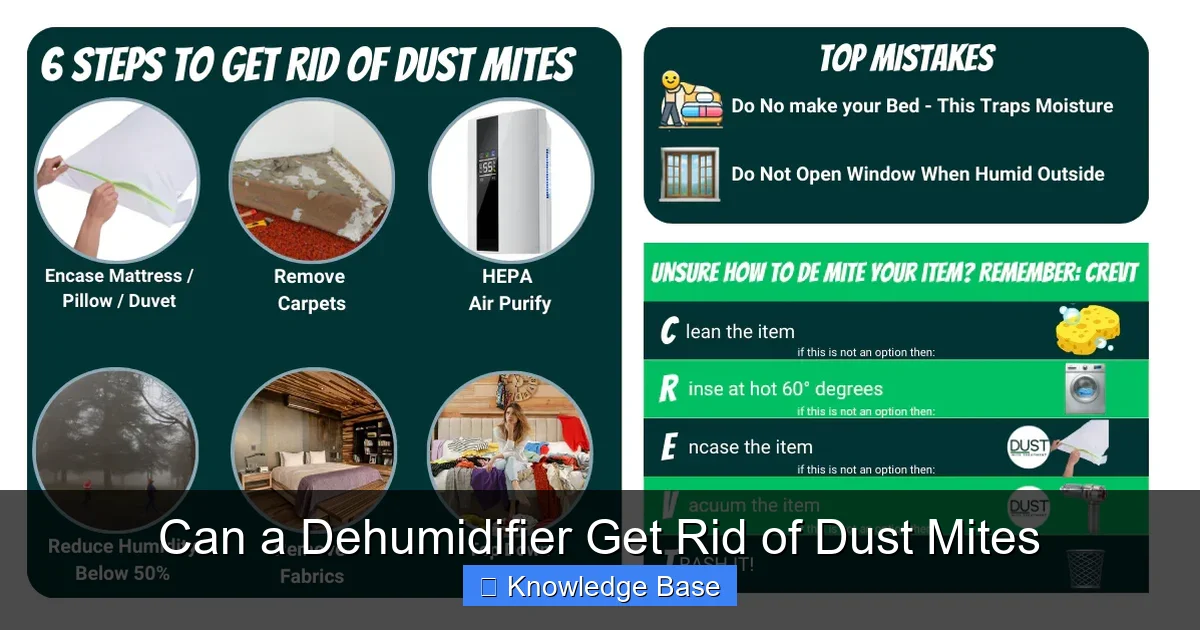
But when humidity drops below 50%, the air doesn’t contain enough moisture for them to absorb. Their bodies begin to lose water faster than they can replace it. This leads to dehydration, reduced activity, and eventually death. Even if some mites survive, they can’t reproduce effectively in dry conditions. Female dust mites lay fewer eggs, and the eggs that are laid may not hatch.
A study published in the journal *Clinical and Experimental Allergy* found that dust mite populations in homes with humidity levels below 45% were nearly undetectable after six months. In contrast, homes with humidity above 60% saw a rapid increase in mite numbers. This research underscores the importance of humidity control as a key strategy in dust mite management.
Another factor is temperature. Dust mites prefer warm environments—around 70°F to 80°F (21°C to 27°C). But even in warm rooms, low humidity can still suppress their growth. So while temperature plays a role, humidity is the bigger lever you can pull to control them.
It’s also important to understand that dust mites don’t just live on surfaces—they’re embedded deep in fabrics. A dehumidifier doesn’t remove them from your mattress or carpet, but it makes those environments uninhabitable. Think of it like turning off the water supply to a garden. The plants (dust mites) might still be there, but without water, they can’t grow.
Using a Dehumidifier Effectively: Tips and Best Practices
Now that you know how dehumidifiers help with dust mites, let’s talk about how to use them effectively. Simply plugging one in and forgetting about it won’t give you the best results. Here are some practical tips to maximize their impact.
Choose the Right Size and Type
Dehumidifiers come in different capacities, measured in pints per day (the amount of moisture they can remove in 24 hours). For a bedroom or small living area, a 30-pint model may be sufficient. For larger spaces like basements or whole-house use, consider a 50-pint or higher unit. Also, look for models with built-in humidistats so you can set and maintain your target humidity level—ideally between 30% and 50%.
Place It Strategically
Put your dehumidifier in the room where dust mites are most problematic—usually the bedroom, since that’s where you spend 7–8 hours a night. Make sure it’s not blocked by furniture and has good airflow. If you have a basement or crawl space that’s damp, consider placing a dehumidifier there too, as these areas often contribute to overall indoor humidity.
Run It Consistently
For best results, run the dehumidifier daily, especially during humid seasons like summer or in climates with high moisture levels. Many modern units have auto-shutoff features when the tank is full, and some can be connected to a drain hose for continuous operation. This ensures the humidity stays low without constant monitoring.
Monitor Humidity Levels
Use a hygrometer (a small, inexpensive device) to check the humidity in your home. This helps you verify that your dehumidifier is working and that you’re staying within the ideal range. Some smart dehumidifiers even connect to apps that let you track humidity remotely.
Combine with Other Cleaning Methods
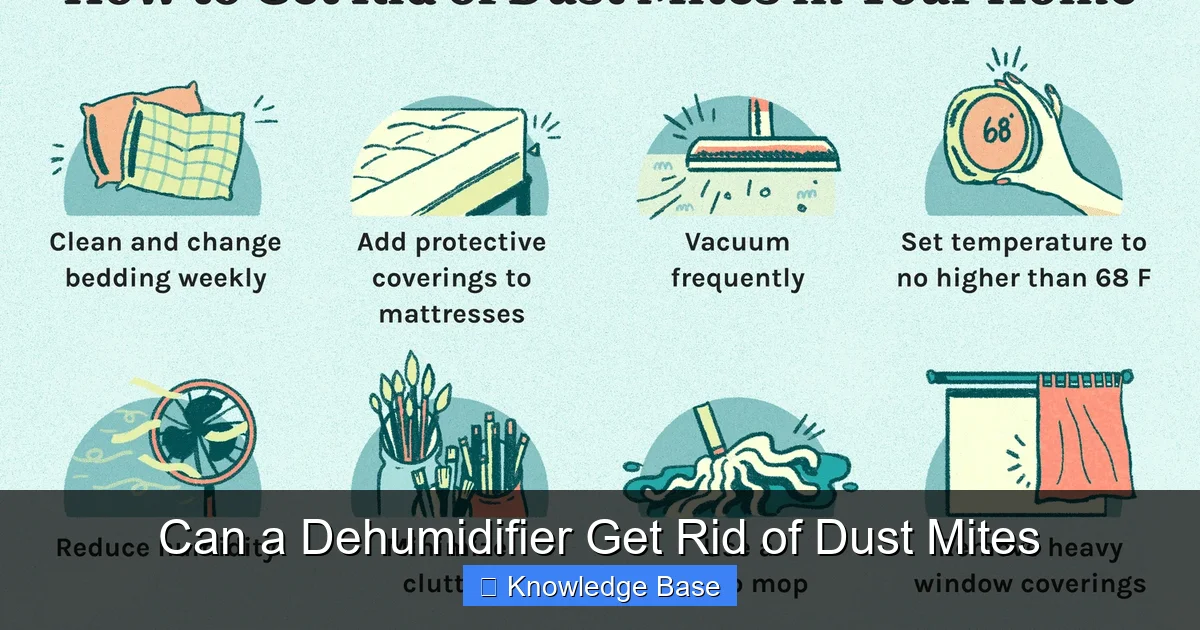
A dehumidifier is most effective when used alongside other dust mite control strategies. Wash bedding weekly in hot water (at least 130°F or 54°C) to kill mites. Use allergen-proof mattress and pillow covers. Vacuum regularly with a HEPA-filter vacuum cleaner. And consider replacing carpets with hard flooring, which is easier to keep mite-free.
Maintain Your Dehumidifier
Clean the filter regularly and empty the water tank to prevent mold growth inside the unit. A dirty dehumidifier can actually worsen air quality, so maintenance is key.
Other Ways to Reduce Dust Mites in Your Home
While a dehumidifier is a powerful tool, it’s not the only one. For the best results, combine it with other proven methods to reduce dust mites.
Wash Bedding Frequently
Wash sheets, pillowcases, and blankets in hot water at least once a week. Hot water kills dust mites and removes their allergens. If you can’t use hot water, wash in cold water and dry on high heat for at least 15 minutes.
Use Allergen-Proof Covers
Encase your mattress, box spring, and pillows in zippered, allergen-proof covers. These create a physical barrier that prevents mites from entering or escaping. Look for covers labeled “dust mite proof” or “allergen impermeable.”
Vacuum with a HEPA Filter
Regular vacuuming helps remove dust mites and their waste from carpets and upholstery. But not all vacuums are equal. Use a vacuum with a HEPA filter, which traps tiny particles instead of blowing them back into the air.
Reduce Clutter
Dust mites love clutter—stuffed animals, piles of clothes, and stacks of paper provide hiding spots and food sources. Keep your home tidy and minimize fabric-heavy decor.
Replace Carpets with Hard Flooring
Carpets are dust mite magnets. If possible, replace wall-to-wall carpet with hardwood, tile, or laminate flooring. Use washable rugs instead, and clean them regularly.
Control Indoor Temperature
Keep your home cooler when possible. Dust mites prefer warm temperatures, so lowering the thermostat slightly can help slow their growth.
Common Misconceptions About Dehumidifiers and Dust Mites
There are a few myths floating around about dehumidifiers and dust mites. Let’s clear them up.
Myth: Dehumidifiers Kill Dust Mites Instantly
Reality: No, they don’t. Dehumidifiers work by making the environment unsuitable for dust mites over time. It’s a gradual process that requires consistent use.
Myth: Any Dehumidifier Will Do
Reality: Not all dehumidifiers are created equal. Small, low-capacity models may not be effective in larger or very humid spaces. Choose one that matches your room size and humidity level.
Myth: You Only Need a Dehumidifier in Summer
Reality: While summer is peak humidity season, indoor moisture can be high year-round, especially in basements or during rainy periods. Year-round use may be necessary in some climates.
Myth: Dehumidifiers Are Too Expensive to Run
Reality: Modern energy-efficient models use less electricity than older units. Look for ENERGY STAR-certified dehumidifiers to save on energy costs.
Myth: Dehumidifiers Remove Dust Mites from Surfaces
Reality: They don’t clean surfaces. You still need to vacuum, wash bedding, and clean regularly to remove dead mites and allergens.
Conclusion: Can a Dehumidifier Get Rid of Dust Mites?
So, can a dehumidifier get rid of dust mites? The answer is a qualified yes. While it won’t eliminate them completely or instantly, a dehumidifier is one of the most effective tools for controlling dust mite populations by targeting the humidity they need to survive. By maintaining indoor humidity between 30% and 50%, you create an environment where dust mites can’t thrive, reproduce, or spread.
But remember: a dehumidifier works best as part of a comprehensive approach. Combine it with regular cleaning, allergen-proof bedding, HEPA vacuuming, and smart home habits for the best results. Over time, you’ll notice fewer allergy symptoms, better sleep, and improved indoor air quality.
If you’re serious about reducing dust mites, investing in a quality dehumidifier is a smart move. It’s not a magic bullet, but it’s a powerful ally in the fight for a healthier, more comfortable home. So breathe easy—your dehumidifier is on duty.
Frequently Asked Questions
Do dehumidifiers remove dust mites from mattresses?
No, dehumidifiers don’t remove dust mites from surfaces. They make the environment less habitable for mites by reducing moisture, but you still need to clean bedding and use allergen-proof covers.
Can I use a dehumidifier with my air conditioner?
Yes, and it’s often a good idea. Air conditioners remove some moisture, but dehumidifiers are more effective at maintaining low humidity levels, especially in humid climates.
Are there dehumidifiers specifically for dust mites?
No, there are no dehumidifiers made exclusively for dust mites. Any standard dehumidifier that maintains 30–50% humidity will help control them.
Will a dehumidifier help with pet dander?
Indirectly, yes. While it doesn’t remove pet dander, lowering humidity reduces dust mites and mold, which can worsen allergy symptoms triggered by pet allergens.
Can a dehumidifier prevent mold growth?
Yes, mold thrives in high humidity. By keeping moisture levels low, a dehumidifier helps prevent mold and mildew, improving overall air quality.
Is it safe to run a dehumidifier all the time?
Yes, as long as you maintain the unit and empty the tank or use a drain hose. Modern dehumidifiers are designed for continuous use and often have auto-shutoff features.