

Yes, a dehumidifier can help with post nasal drip by reducing excess moisture in the air, which discourages mold, dust mites, and allergens that trigger or worsen symptoms. Maintaining optimal indoor humidity levels (30–50%) supports healthier sinuses and may decrease mucus production and throat irritation.
If you’ve ever woken up with a constant tickle in your throat, a feeling like something’s dripping down the back of your nose, or an annoying need to clear your throat every few minutes, you’ve likely experienced post nasal drip. It’s one of those subtle but persistent annoyances that can disrupt sleep, make speaking uncomfortable, and even lead to coughing fits—especially at night. While it might seem like just a minor cold symptom, post nasal drip can linger for weeks, especially if triggered by environmental factors like allergies, dry air, or excess moisture indoors.
You might be wondering: Can something as simple as a dehumidifier actually help with this? After all, dehumidifiers are usually associated with basements, musty smells, or summer humidity. But the truth is, these appliances do more than just pull moisture from the air—they can play a surprisingly important role in managing respiratory comfort. By controlling indoor humidity, a dehumidifier can reduce the presence of common allergens and irritants that worsen post nasal drip. In this article, we’ll explore how humidity affects your sinuses, why too much moisture can be a problem, and how using a dehumidifier might offer real relief—especially if your symptoms are tied to your home environment.
Key Takeaways
- Dehumidifiers reduce indoor humidity: By lowering moisture levels, they create an environment less hospitable to allergens like mold and dust mites—common triggers of post nasal drip.
- Improved air quality eases symptoms: Less airborne irritants mean fewer sinus irritations, potentially reducing mucus overproduction and throat discomfort.
- Optimal humidity is key: Keeping indoor humidity between 30% and 50% helps prevent both dryness and excess moisture, supporting sinus health.
- Works best alongside other treatments: A dehumidifier complements saline rinses, hydration, and medications but shouldn’t replace medical advice for chronic cases.
- Placement and maintenance matter: Position the unit in damp areas like basements or bedrooms, and clean it regularly to avoid mold growth inside the machine.
- Not all cases respond the same: Effectiveness depends on the root cause—dehumidifiers help most when allergies or environmental triggers are involved.
- Monitor humidity with a hygrometer: Use this tool to ensure your home stays within the ideal range for respiratory comfort.
Quick Answers to Common Questions
Can a dehumidifier help with post nasal drip?
Yes, a dehumidifier can help by reducing indoor humidity, which limits the growth of mold and dust mites—common triggers of post nasal drip.
What humidity level is best for sinus health?
The ideal indoor humidity level is between 30% and 50%. This range supports healthy mucus production and prevents allergen growth.
Should I run a dehumidifier in my bedroom?
Yes, especially if you experience nighttime coughing or throat clearing. A dehumidifier in the bedroom can improve air quality and reduce symptoms.
How often should I clean my dehumidifier?
Clean the water tank weekly and replace or wash the air filter every 1–2 months to prevent mold and bacteria buildup.
Can a dehumidifier replace medical treatment for post nasal drip?
No, it should complement medical treatment, not replace it. Consult a doctor if symptoms persist or worsen.
📑 Table of Contents
What Is Post Nasal Drip?
Post nasal drip occurs when excess mucus accumulates in the back of your throat or drips down from your nasal passages. It’s not a disease itself but a symptom of an underlying issue—often related to your sinuses, allergies, or respiratory system. Your body naturally produces mucus to trap dust, bacteria, and other particles, but when production increases or the mucus becomes thicker, it can lead to that familiar sensation of drainage.
There are several common causes of post nasal drip. Allergies—whether seasonal (like pollen) or year-round (like dust mites or pet dander)—are among the top culprits. When your immune system reacts to these allergens, it triggers inflammation in your nasal passages, leading to increased mucus production. Infections such as the common cold, sinusitis, or even the flu can also cause temporary post nasal drip as your body fights off the virus or bacteria.
Other triggers include environmental irritants like smoke, strong perfumes, or pollution. Even changes in weather or altitude can affect your sinuses. Some people experience post nasal drip due to acid reflux (LPR or silent reflux), where stomach acid irritates the throat and triggers mucus production. Hormonal changes, certain medications (like birth control or blood pressure drugs), and structural issues in the nose (such as a deviated septum) can also contribute.
The symptoms vary from person to person but often include a constant need to swallow or clear the throat, a sensation of mucus dripping down the back of the throat, coughing (especially at night), hoarseness, and sometimes a bad taste in the mouth. In more persistent cases, it can lead to sore throats, ear congestion, or even bad breath.
Understanding the root cause is essential because treatment depends on what’s triggering the drip. For example, if it’s allergy-related, antihistamines or nasal sprays might help. If it’s due to a bacterial infection, antibiotics could be necessary. But one factor that’s often overlooked—and where a dehumidifier can make a real difference—is indoor air quality and humidity levels.
How Humidity Affects Your Sinuses and Mucus Production

Visual guide about Can a Dehumidifier Help with Post Nasal Drip
Image source: delreymd.com
Humidity—the amount of moisture in the air—plays a surprisingly big role in how your sinuses feel and function. Both too much and too little humidity can disrupt the delicate balance of your respiratory system, potentially worsening post nasal drip.
When indoor air is too dry, your nasal passages can become irritated and inflamed. This dryness strips away the natural moisture that keeps mucus thin and easy to clear. As a result, mucus thickens, making it harder to drain properly. Thick mucus tends to accumulate in the back of the throat, leading to that persistent drip sensation. Dry air is especially common in winter when heating systems run constantly, or in arid climates. People often turn to humidifiers in these situations to add moisture back into the air—and that can help.
But here’s the catch: too much humidity can be just as problematic. When indoor air is overly moist—typically above 60% relative humidity—it creates the perfect breeding ground for mold, dust mites, and other allergens. These tiny organisms thrive in damp environments, especially in carpets, upholstery, bedding, and basements. When you breathe in mold spores or dust mite waste, your immune system may react by producing more mucus as a defense mechanism. This can trigger or worsen post nasal drip, especially in people with allergies or asthma.
Moreover, high humidity can make the air feel heavier and harder to breathe, which may increase sinus pressure and congestion. It can also encourage the growth of bacteria and fungi in your home, further irritating your respiratory tract. In basements, bathrooms, or poorly ventilated rooms, excess moisture can lead to musty odors and visible mold—clear signs that the environment is not ideal for sinus health.
The ideal indoor humidity level for respiratory comfort is between 30% and 50%. This range keeps your nasal passages moist enough to function properly without promoting the growth of allergens. A dehumidifier helps maintain this balance by removing excess moisture from the air, making your home less hospitable to mold and dust mites. By stabilizing humidity, you create an environment that supports healthy mucus production and drainage—potentially reducing the frequency and severity of post nasal drip.
How a Dehumidifier Can Help Reduce Post Nasal Drip
Visual guide about Can a Dehumidifier Help with Post Nasal Drip
Image source: glatzyoudid.com
Now that we understand how humidity affects your sinuses, let’s dive into how a dehumidifier can directly help with post nasal drip. The core idea is simple: by controlling indoor moisture, a dehumidifier reduces the presence of common environmental triggers that exacerbate mucus production and throat irritation.
One of the biggest benefits of using a dehumidifier is its ability to inhibit mold growth. Mold spores are everywhere, but they only become a problem when they find a damp place to grow. In homes with high humidity, mold can develop on walls, in carpets, behind furniture, and even inside HVAC systems. When you inhale these spores, your immune system may respond by increasing mucus production in your nasal passages and throat—leading to post nasal drip. By keeping humidity below 50%, a dehumidifier makes it much harder for mold to survive, significantly reducing your exposure.
Dust mites are another major culprit. These microscopic creatures feed on dead skin cells and thrive in warm, humid environments—especially in bedding, upholstered furniture, and carpets. Studies show that dust mite populations drop dramatically when humidity falls below 50%. Since dust mite allergens are a leading cause of allergic rhinitis and post nasal drip, using a dehumidifier can help minimize their presence and the allergic reactions they trigger.
In addition to reducing allergens, a dehumidifier can improve overall air quality. Excess moisture can lead to musty odors and the release of volatile organic compounds (VOCs) from certain materials. These odors and chemicals can irritate your nasal passages and throat, contributing to mucus buildup. By removing moisture, a dehumidifier helps eliminate these odors and creates a fresher, cleaner indoor environment.
Another way a dehumidifier helps is by preventing condensation. When humid air meets cold surfaces—like windows, walls, or pipes—it can form condensation. This moisture buildup not only damages your home but also creates micro-environments where mold and bacteria can grow. A dehumidifier reduces the likelihood of condensation, protecting both your home and your health.
It’s also worth noting that dehumidifiers can help reduce nighttime symptoms. Many people notice their post nasal drip worsens when they lie down, as mucus pools in the back of the throat. If your bedroom is damp or poorly ventilated, this effect can be amplified. Running a dehumidifier in your bedroom—especially during humid seasons—can help keep the air dry and comfortable, reducing nighttime coughing and throat clearing.
For best results, place the dehumidifier in areas where moisture tends to accumulate, such as basements, bathrooms, or laundry rooms. If your entire home feels damp, consider a whole-house dehumidifier connected to your HVAC system. Portable units work well for single rooms, especially bedrooms where you spend several hours each night.
Choosing the Right Dehumidifier for Your Needs
Not all dehumidifiers are created equal, and choosing the right one depends on your home’s size, humidity levels, and specific needs. Here’s what to consider when shopping for a dehumidifier to help with post nasal drip.
First, determine the size you need. Dehumidifiers are rated by how many pints of moisture they can remove in 24 hours. For a small bedroom or bathroom, a 20–30 pint unit may suffice. For larger spaces like basements or open-concept living areas, you might need a 50-pint or higher capacity model. Check the manufacturer’s recommendations based on square footage and humidity level (mild, moderate, or severe).
Next, look for features that enhance usability and efficiency. A built-in humidistat is essential—it allows the unit to automatically maintain your desired humidity level, turning on and off as needed. This prevents over-drying, which can also irritate your sinuses. Some models come with programmable timers, so you can run the dehumidifier during peak humidity hours (like early morning or after showering).
Energy efficiency is another important factor. Look for units with an Energy Star rating, which use less electricity and cost less to operate over time. This is especially important if you plan to run the dehumidifier daily.
Noise level matters, particularly if you’re using it in a bedroom. Most modern dehumidifiers operate quietly, but check decibel ratings if noise is a concern. Units with lower dB levels (under 50) are ideal for sleeping areas.
Drainage options are also worth considering. Some dehumidifiers have a built-in pump or continuous drain hose, allowing you to empty water automatically into a floor drain or sump pump. This is convenient if you don’t want to manually empty the water tank every day. Otherwise, choose a model with a large, easy-to-remove tank.
Finally, consider maintenance. Regular cleaning is crucial to prevent mold or bacteria from growing inside the unit. Look for models with washable filters and easy-access water tanks. Some units even have filter change indicators to remind you when it’s time to clean.
Popular brands like Frigidaire, hOmeLabs, and GE offer reliable dehumidifiers with user-friendly features. Reading customer reviews can help you find a model that performs well in real-world conditions.
Tips for Maximizing the Benefits of a Dehumidifier
Using a dehumidifier is just one part of managing post nasal drip. To get the most benefit, combine it with other healthy habits and environmental adjustments.
Start by monitoring your indoor humidity with a hygrometer—a small, inexpensive device that measures moisture levels. Place it in different rooms to identify problem areas. Aim to keep readings between 30% and 50%. If levels are consistently high, run the dehumidifier more frequently.
Improve ventilation in your home. Use exhaust fans in bathrooms and kitchens to remove steam and moisture. Open windows when weather permits to allow fresh air circulation. In basements, consider installing a ventilation fan or using a dehumidifier with a built-in air purifier.
Clean your dehumidifier regularly. Wash the water tank weekly with soap and water to prevent mold buildup. Replace or clean the air filter as recommended—usually every 1–2 months. A dirty filter reduces efficiency and can circulate contaminants back into the air.
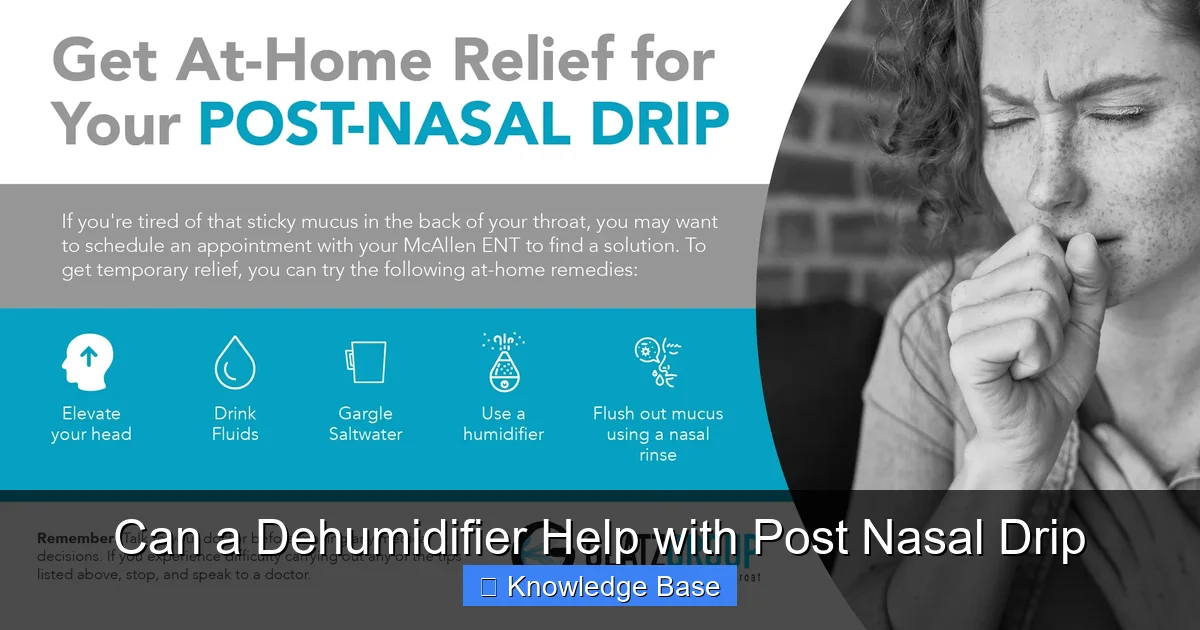
Combine your dehumidifier with other sinus-friendly practices. Stay hydrated to keep mucus thin and easy to clear. Use a saline nasal spray or neti pot to rinse your nasal passages daily. Elevate your head while sleeping to reduce nighttime drainage. And avoid known allergens like pet dander, smoke, or strong fragrances.
If you have pets, groom them regularly and wash bedding frequently to reduce dander. Use allergen-proof covers on pillows and mattresses. Vacuum with a HEPA filter to trap dust and allergens.
Remember, a dehumidifier works best as part of a holistic approach. It won’t cure post nasal drip on its own, especially if the cause is medical (like acid reflux or a chronic sinus condition). But when used correctly, it can significantly reduce environmental triggers and improve your overall comfort.
When a Dehumidifier Might Not Be Enough
While a dehumidifier can be a powerful tool in managing post nasal drip, it’s not a cure-all. There are situations where environmental control alone won’t solve the problem, and medical intervention may be necessary.
If your post nasal drip persists for more than 10–14 days, it could indicate an underlying condition such as chronic sinusitis, nasal polyps, or gastroesophageal reflux disease (GERD). In these cases, a dehumidifier may help reduce symptoms, but it won’t address the root cause. You should consult a healthcare provider for proper diagnosis and treatment.
Similarly, if your symptoms are accompanied by fever, facial pain, thick yellow or green mucus, or difficulty breathing, it may be a sign of a bacterial infection requiring antibiotics. Don’t rely solely on a dehumidifier in these situations.
People with non-allergic rhinitis—where mucus production is triggered by weather changes, hormones, or irritants—may also find limited relief from a dehumidifier alone. In these cases, medications like nasal corticosteroids or antihistamines may be more effective.
It’s also important to note that overusing a dehumidifier can dry out the air too much, leading to dry nasal passages, nosebleeds, or increased irritation. Always monitor humidity levels and adjust the unit accordingly.
Finally, if your home has a serious moisture problem—like a leak, flooding, or structural damage—a dehumidifier is only a temporary fix. Address the source of the moisture first, then use the dehumidifier to maintain healthy levels.
In short, a dehumidifier is most effective when post nasal drip is linked to environmental factors like mold, dust mites, or high humidity. For other causes, it should be used alongside medical treatment and lifestyle changes.
Conclusion
Post nasal drip can be a frustrating and persistent issue, but understanding its triggers is the first step toward relief. While many people focus on medications or nasal sprays, the role of indoor air quality—especially humidity—is often underestimated. A dehumidifier offers a simple, non-invasive way to create a healthier home environment by reducing excess moisture and the allergens that thrive in it.
By maintaining indoor humidity between 30% and 50%, you can discourage mold and dust mite growth, improve air quality, and support your body’s natural ability to manage mucus. When used correctly and combined with other healthy habits—like staying hydrated, using saline rinses, and keeping your home clean—a dehumidifier can significantly reduce the frequency and severity of post nasal drip.
Of course, it’s not a standalone solution for everyone. If your symptoms are severe, chronic, or linked to medical conditions, consult a healthcare professional. But for many, especially those with allergy-related post nasal drip, a dehumidifier can be a game-changer—offering clearer sinuses, better sleep, and greater comfort at home.
So, can a dehumidifier help with post nasal drip? The answer is a resounding yes—when used wisely and as part of a comprehensive approach to respiratory health.
Frequently Asked Questions
How does a dehumidifier reduce post nasal drip?
A dehumidifier lowers indoor humidity, which discourages the growth of mold and dust mites—common allergens that trigger excess mucus production and post nasal drip.
What size dehumidifier do I need for my bedroom?
For a standard bedroom, a 20–30 pint dehumidifier is usually sufficient. Choose based on room size and humidity level.
Can a dehumidifier make post nasal drip worse?
Only if it over-dries the air. Keep humidity between 30% and 50% to avoid irritating your nasal passages.
Do I need a dehumidifier if I already use a humidifier?
It depends on your climate and indoor conditions. Use a hygrometer to check humidity levels—switch between devices as needed to maintain balance.
Can a dehumidifier help with allergies?
Yes, by reducing mold and dust mites, a dehumidifier can alleviate allergy symptoms, including sneezing, congestion, and post nasal drip.
Is a whole-house dehumidifier worth it?
If your entire home is damp or you have severe allergies, a whole-house unit connected to your HVAC system can provide consistent, whole-home relief.