
Yes, a dehumidifier can help reduce moisture that seeps through paint, especially in humid environments. While paint itself isn’t a perfect moisture barrier, a dehumidifier lowers indoor humidity, reducing the risk of condensation, mold, and peeling. This guide explains how dehumidifiers interact with painted walls and ceilings to protect your home.
Have you ever noticed damp spots, peeling paint, or that musty smell in your bathroom, basement, or laundry room? You’re not alone. Many homeowners struggle with excess moisture in certain areas of their homes, and it often shows up on painted walls and ceilings. One common question that comes up is: Can a dehumidifier pull moisture through paint? The short answer is yes—but not in the way you might think. A dehumidifier doesn’t literally “suck” moisture out from behind the paint like a vacuum. Instead, it reduces the overall humidity in the air, which helps prevent moisture from accumulating on and behind painted surfaces in the first place.
Understanding how moisture interacts with paint is key to protecting your walls and maintaining a healthy indoor environment. Paint, especially latex and water-based types, is semi-permeable. That means water vapor can slowly pass through it under certain conditions. When the air is humid, moisture can condense on cooler wall surfaces, especially in poorly ventilated rooms. Over time, this leads to problems like bubbling, flaking, and mold growth. A dehumidifier helps break this cycle by lowering the amount of moisture in the air, reducing the likelihood of condensation and moisture buildup behind the paint.
In this article, we’ll explore the science behind moisture movement through paint, how dehumidifiers work, and why they’re a smart addition to any home dealing with high humidity. Whether you’re tackling a damp basement, a steamy bathroom, or just trying to improve indoor air quality, this guide will help you understand the role dehumidifiers play in preserving your painted surfaces.
Key Takeaways
- Dehumidifiers reduce indoor humidity: They pull moisture from the air, which helps prevent condensation on painted surfaces.
- Paint is semi-permeable: Most paints allow some moisture vapor to pass through, especially in high-humidity areas like bathrooms and basements.
- Moisture can build up behind paint: Without proper ventilation or humidity control, trapped moisture leads to blistering, peeling, and mold.
- Dehumidifiers support paint longevity: By maintaining 30–50% indoor humidity, they help paint adhere better and last longer.
- Use dehumidifiers with proper ventilation: Combine dehumidification with exhaust fans and airflow to maximize effectiveness.
- Choose the right dehumidifier size: Match the unit’s capacity (pints per day) to the room size and humidity level for best results.
- Regular maintenance is key: Clean filters and empty water tanks to ensure your dehumidifier works efficiently.
Quick Answers to Common Questions
Can a dehumidifier pull moisture through paint?
No, a dehumidifier doesn’t pull moisture directly through paint. Instead, it reduces indoor humidity, which helps prevent moisture from condensing on or diffusing through painted surfaces.
Will a dehumidifier stop peeling paint?
A dehumidifier can prevent future peeling by reducing moisture, but it won’t fix already damaged paint. You’ll need to repair and repaint affected areas.
What humidity level is best for painted walls?
The ideal indoor humidity level is between 30% and 50%. This range helps prevent condensation and mold while keeping paint intact.
Should I use a dehumidifier in my bathroom?
Yes, especially if you don’t have an exhaust fan. A small dehumidifier can help reduce steam and moisture after showers, protecting paint and preventing mold.
How often should I run my dehumidifier?
Run it consistently in high-humidity areas, such as basements or bathrooms. Use a humidistat to maintain your desired humidity level automatically.
📑 Table of Contents
How Moisture Moves Through Paint
To understand whether a dehumidifier can pull moisture through paint, it’s important to first grasp how moisture interacts with painted surfaces. Paint is not a solid, impermeable barrier like metal or glass. Instead, it’s a thin film made up of pigments, binders, and solvents that form a protective coating on walls and ceilings. Most modern paints—especially latex and acrylic types—are designed to be somewhat breathable, allowing small amounts of water vapor to pass through. This property is known as vapor permeability.
Vapor permeability means that moisture in the form of gas (water vapor) can slowly diffuse through the paint layer. This is actually a good thing in many cases. For example, in a bathroom, steam from a hot shower increases indoor humidity. If the paint were completely sealed, moisture could get trapped between the wall and the paint, leading to blistering or peeling. A semi-permeable paint allows some of that vapor to escape, reducing the risk of damage.
However, this permeability works both ways. In high-humidity environments, moisture from the air can also move toward cooler surfaces, such as exterior walls in winter or basement walls that are colder than the indoor air. When warm, moist air hits a cold surface, it cools down and can no longer hold as much moisture. The excess moisture condenses into liquid water—this is condensation. If this happens behind or beneath paint, it can cause the paint to lose adhesion, bubble, or peel.
The rate at which moisture moves through paint depends on several factors, including the type of paint, the number of coats applied, the porosity of the wall surface, and the humidity difference between the indoor and outdoor environments. For instance, oil-based paints are generally less permeable than latex paints, which means they’re more likely to trap moisture. On the other hand, multiple coats of high-quality latex paint can create a more balanced vapor barrier that allows slow, controlled moisture transfer.
Types of Paint and Their Moisture Resistance
Not all paints are created equal when it comes to handling moisture. Here’s a quick breakdown of common paint types and how they interact with moisture:
– Latex (Acrylic) Paint: This is the most popular type of interior paint. It’s water-based, dries quickly, and is highly permeable to water vapor. This makes it a good choice for humid areas because it allows moisture to escape rather than getting trapped. However, if the underlying wall is already damp, latex paint may not adhere well and can peel over time.
– Oil-Based Paint: These paints form a harder, more durable finish but are less permeable. They’re better at blocking moisture from passing through, which can be useful on exterior surfaces. However, in interior spaces with high humidity, oil-based paint can trap moisture behind it, leading to blistering and mold growth.
– Mold-Resistant or Mildew-Resistant Paint: These specialty paints contain additives like zinc oxide or fungicides that inhibit mold and mildew growth. They’re ideal for bathrooms, basements, and other damp areas. While they don’t stop moisture from passing through, they help prevent biological damage when moisture is present.
– Primer-Sealers: Used before painting, these products seal porous surfaces and improve paint adhesion. Some primer-sealers are designed to be vapor barriers, reducing moisture transfer. However, using a vapor barrier in the wrong location (like on an interior wall in a humid climate) can actually trap moisture and cause problems.
Understanding your paint type helps you choose the right strategy for moisture control. For most interior applications, a high-quality latex paint with mildew-resistant properties is the best choice for humid environments.
Common Signs of Moisture Behind Paint
How can you tell if moisture is getting trapped behind your paint? Look for these common warning signs:
– Bubbling or Blistering: Small bumps or bubbles under the paint surface often indicate trapped moisture. As water vapor builds up, it pushes against the paint layer, creating these visible deformities.
– Peeling or Flaking: When moisture weakens the bond between the paint and the wall, the paint may start to peel away, especially around edges or corners.
– Discoloration or Stains: Dark spots, yellowing, or water stains on walls can signal moisture intrusion. These are often accompanied by a musty smell.
– Mold or Mildew Growth: Black, green, or white fuzzy patches on painted surfaces are clear signs of excess moisture and poor ventilation.
– Soft or Spongy Walls: If you press on a painted wall and it feels soft or gives way slightly, moisture may have damaged the drywall or plaster underneath.
If you notice any of these signs, it’s time to investigate the source of the moisture and consider using a dehumidifier to help control indoor humidity levels.
How Dehumidifiers Work
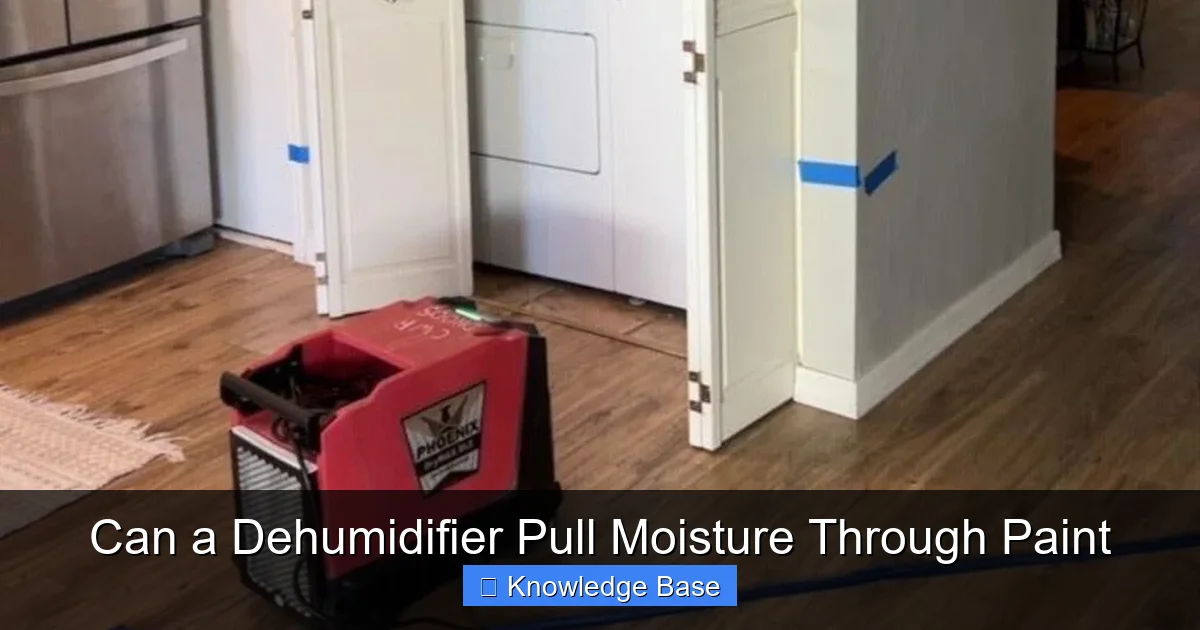
Visual guide about Can a Dehumidifier Pull Moisture Through Paint
Image source: cactuswrenrestoration.com
Now that we understand how moisture interacts with paint, let’s look at how dehumidifiers help manage that moisture. A dehumidifier is an electrical appliance designed to reduce and maintain the level of humidity in the air. It works similarly to an air conditioner in that it pulls in warm, moist air, cools it to remove moisture, and then releases drier air back into the room.
There are two main types of dehumidifiers: refrigerant (compressor-based) and desiccant. Refrigerant dehumidifiers are the most common and work by drawing air over cold coils. As the air cools, moisture condenses into water droplets, which collect in a tank or drain hose. The dried air is then reheated slightly and expelled back into the room. Desiccant dehumidifiers, on the other hand, use a moisture-absorbing material (like silica gel) to pull water vapor from the air. These are often used in colder environments where refrigerant models are less effective.
The key benefit of a dehumidifier is that it reduces the overall humidity in a room. The ideal indoor humidity level is between 30% and 50%. When humidity rises above 60%, the risk of condensation, mold growth, and paint damage increases significantly. By maintaining lower humidity, dehumidifiers help prevent moisture from condensing on walls, ceilings, and other surfaces—including painted ones.
But here’s the important point: a dehumidifier doesn’t pull moisture directly through the paint. Instead, it reduces the moisture in the air around the paint. This lowers the vapor pressure difference between the indoor air and the wall surface, which in turn reduces the amount of moisture that can diffuse through the paint or condense on it. Think of it like this: if the air is dry, there’s less moisture available to cause problems in the first place.
Dehumidifiers and Air Circulation
For a dehumidifier to work effectively, it needs good air circulation. If the unit is placed in a corner or behind furniture, it won’t be able to pull in enough moist air to make a difference. Position your dehumidifier in an open area, ideally near the source of humidity—like a bathroom, laundry room, or basement. Some models come with built-in fans to help circulate air, but you can also use a ceiling or floor fan to improve airflow.
Additionally, running exhaust fans in bathrooms and kitchens while using a dehumidifier can significantly boost its effectiveness. These fans remove moist air at the source, reducing the load on the dehumidifier and helping maintain a balanced indoor environment.
Choosing the Right Dehumidifier
Not all dehumidifiers are created equal. When selecting one for your home, consider the following factors:
– Capacity: Measured in pints per day, this indicates how much moisture the unit can remove in 24 hours. A 30-pint dehumidifier is suitable for a small bathroom or closet, while a 70-pint model is better for a large basement or whole-house use.
– Room Size: Match the dehumidifier’s capacity to the square footage of the area you’re treating. Most manufacturers provide sizing guidelines based on room size and humidity level (mild, moderate, or severe).
– Energy Efficiency: Look for models with an Energy Star rating to save on electricity costs. Efficient units use less power to remove the same amount of moisture.
– Drainage Options: Some dehumidifiers require you to manually empty a water tank, while others have a continuous drain hose that can be connected to a floor drain or sump pump. For basements or unattended areas, a hose drain is more convenient.
– Humidistat: A built-in humidistat allows you to set your desired humidity level. The dehumidifier will automatically turn on and off to maintain that level, which helps prevent over-drying and saves energy.
Investing in the right dehumidifier ensures you get the best results for your specific needs.
Can a Dehumidifier Prevent Paint Damage?
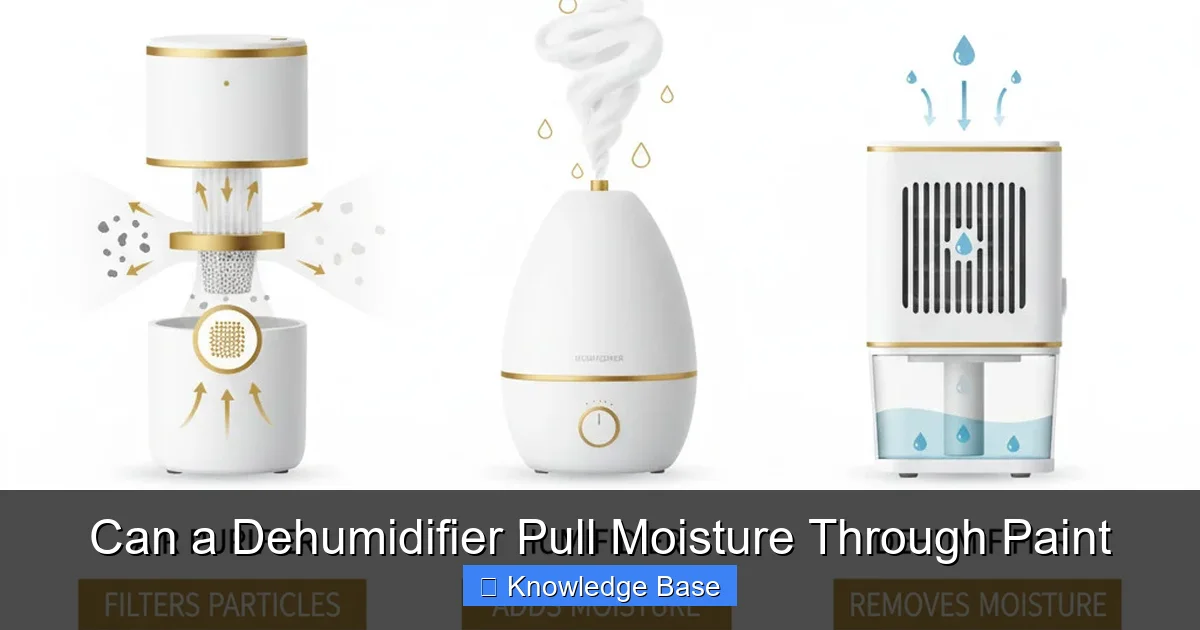
Visual guide about Can a Dehumidifier Pull Moisture Through Paint
Image source: images.bannerbear.com
So, can a dehumidifier pull moisture through paint and prevent damage? The answer is yes—indirectly. While the dehumidifier doesn’t extract moisture from behind the paint, it creates an environment where moisture is less likely to accumulate in the first place. By lowering indoor humidity, it reduces the conditions that lead to condensation, mold, and paint failure.
For example, imagine a bathroom with poor ventilation. After a hot shower, the air is saturated with moisture. Without a dehumidifier, that moisture condenses on the cooler walls and ceiling. Over time, this leads to peeling paint and mold growth. But if you run a dehumidifier in that bathroom (or nearby), it pulls the excess moisture from the air before it can condense. The walls stay drier, the paint remains intact, and mold is less likely to develop.
The same principle applies to basements, which are often cooler and more humid than the rest of the house. Basement walls are especially prone to moisture intrusion from the ground. A dehumidifier helps keep the air dry, reducing the vapor pressure that drives moisture through concrete walls and into the painted surface.
Real-World Examples
Let’s look at a few practical scenarios where dehumidifiers make a big difference:
– Bathroom Makeover: Sarah noticed her bathroom paint was peeling near the ceiling. She installed an exhaust fan and started using a small 30-pint dehumidifier after showers. Within a few weeks, the peeling stopped, and the paint looked fresh again.
– Basement Renovation: After finishing his basement, Mark used a 50-pint dehumidifier to keep humidity under control. He also applied mold-resistant paint to the walls. Two years later, there’s no sign of moisture damage or mold.
– Laundry Room Upgrade: Lisa’s laundry room had a musty smell and dark spots on the walls. She added a dehumidifier and improved ventilation. The smell disappeared, and the paint stayed clean and dry.
These examples show that dehumidifiers are a powerful tool for protecting painted surfaces in high-moisture areas.
Tips for Maximizing Effectiveness
To get the most out of your dehumidifier and protect your paint, follow these tips:
– Run it consistently: Don’t just use the dehumidifier during humid seasons. Run it year-round in problem areas to maintain stable humidity.
– Seal air leaks: Check for gaps around windows, doors, and baseboards. Sealing these leaks prevents humid outdoor air from entering your home.
– Use exhaust fans: Always run bathroom and kitchen exhaust fans during and after activities that produce moisture.
– Monitor humidity levels: Use a hygrometer to check indoor humidity. Aim to keep it between 30% and 50%.
– Maintain your dehumidifier: Clean the air filter monthly and empty the water tank regularly. A well-maintained unit works more efficiently.
By combining a dehumidifier with good habits and proper home maintenance, you can significantly reduce the risk of paint damage from moisture.
Other Ways to Protect Painted Surfaces from Moisture
While dehumidifiers are highly effective, they’re just one part of a comprehensive moisture control strategy. Here are additional steps you can take to protect your painted walls and ceilings:
– Improve Ventilation: Ensure that all rooms, especially bathrooms, kitchens, and laundry areas, have adequate ventilation. Install exhaust fans if needed, and open windows when weather permits.
– Use Moisture-Resistant Materials: In high-humidity areas, consider using moisture-resistant drywall (green board) or cement board instead of standard drywall. These materials are less prone to water damage.
– Apply a Vapor Barrier: In some cases, especially in basements or crawl spaces, installing a vapor barrier (like plastic sheeting) on the warm side of the wall can help prevent moisture from entering the wall cavity.
– Insulate Cold Surfaces: Cold walls and pipes are more likely to develop condensation. Insulating these surfaces reduces the temperature difference and minimizes condensation.
– Repair Leaks Promptly: Fix any plumbing leaks, roof leaks, or foundation cracks as soon as they’re discovered. Even small leaks can lead to big moisture problems over time.
– Choose the Right Paint: As mentioned earlier, use mold-resistant, mildew-resistant, or high-permeability paints in damp areas. Avoid oil-based paints in humid interiors unless absolutely necessary.
Combining these strategies with a dehumidifier gives you the best chance of keeping your painted surfaces dry and damage-free.
Common Misconceptions About Dehumidifiers and Paint
There are several myths and misunderstandings about how dehumidifiers interact with paint. Let’s clear them up:
– Myth: Dehumidifiers pull moisture out from behind the paint.
Fact: Dehumidifiers remove moisture from the air, not from behind walls. They prevent moisture from reaching the paint in the first place.
– Myth: If paint is peeling, a dehumidifier will fix it.
Fact: A dehumidifier can prevent future damage, but it won’t repair already peeling paint. You’ll need to scrape, clean, and repaint affected areas.
– Myth: All dehumidifiers are the same.
Fact: Dehumidifiers vary in capacity, efficiency, and features. Choosing the right one for your space is crucial.
– Myth: Dehumidifiers make rooms too dry.
Fact: With a humidistat, you can set your desired humidity level. Most people find 40–50% comfortable and healthy.
Understanding these facts helps you use dehumidifiers more effectively and set realistic expectations.
Conclusion
So, can a dehumidifier pull moisture through paint? While it doesn’t extract moisture directly from behind the paint, it plays a vital role in preventing the conditions that lead to moisture buildup, condensation, and paint damage. By reducing indoor humidity, dehumidifiers help maintain a dry environment where paint can adhere properly and last longer.
Whether you’re dealing with a damp basement, a steamy bathroom, or just trying to improve your home’s air quality, a dehumidifier is a smart investment. Pair it with proper ventilation, moisture-resistant materials, and high-quality paint, and you’ll protect your walls from the inside out. Remember, the goal isn’t to eliminate all moisture—it’s to manage it wisely. With the right tools and habits, you can keep your painted surfaces looking fresh and your home feeling healthy for years to come.
Frequently Asked Questions
Can moisture get trapped behind paint?
Yes, moisture can become trapped behind paint, especially in humid environments or on cold surfaces. This can lead to blistering, peeling, and mold growth if not addressed.
Does paint act as a moisture barrier?
Most paints are semi-permeable, meaning they allow some water vapor to pass through. They’re not complete moisture barriers but can help manage vapor diffusion when properly applied.
Can a dehumidifier cause paint to dry out and crack?
No, a dehumidifier won’t dry out paint to the point of cracking. As long as indoor humidity stays above 30%, paint should remain flexible and intact.
Is it better to use a dehumidifier or an exhaust fan?
Both are important. Exhaust fans remove moisture at the source (like during a shower), while dehumidifiers maintain overall humidity levels. Use them together for best results.
Can I use a dehumidifier in a painted basement?
Yes, dehumidifiers are especially useful in basements, which are prone to high humidity and moisture intrusion. They help protect painted walls and prevent mold.
What type of paint is best for humid areas?
Latex or acrylic paints with mold-resistant additives are best for humid areas like bathrooms and basements. They’re breathable and less likely to trap moisture.