
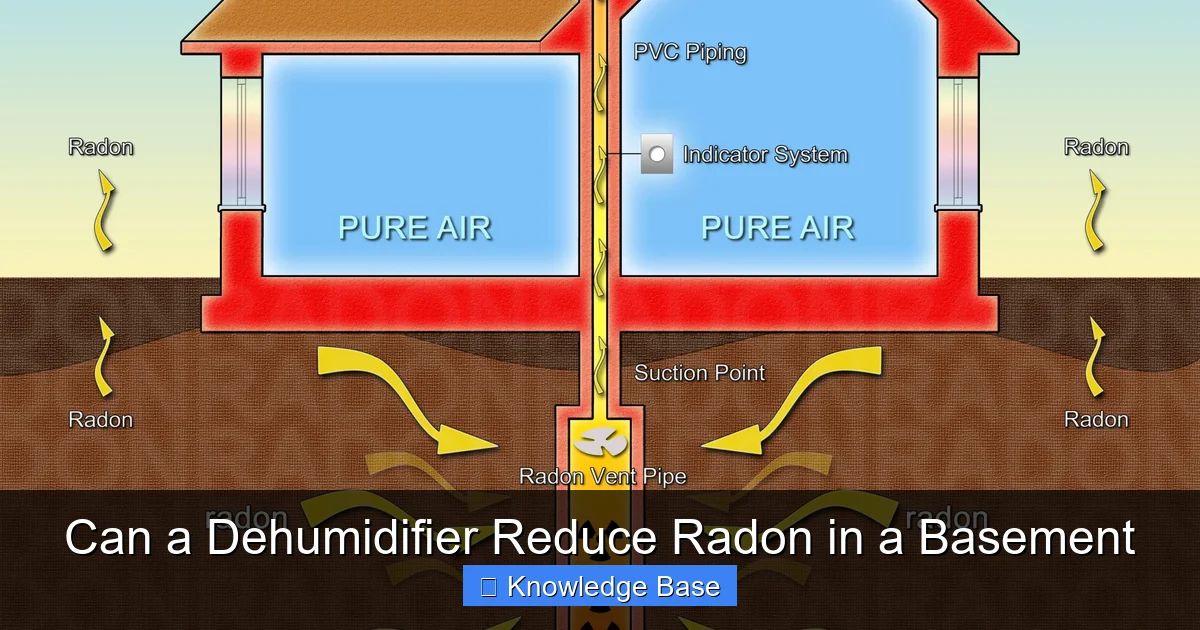
A dehumidifier is not designed to reduce radon gas in basements, though it may help control moisture that can influence radon entry. Effective radon mitigation requires specialized systems like sub-slab depressurization. Learn how to protect your home safely and effectively.
If you’ve noticed a musty smell in your basement or are concerned about indoor air quality, you might be considering a dehumidifier. These handy devices pull excess moisture from the air, helping prevent mold, mildew, and that damp, clammy feeling. But what if your real concern is something you can’t see, smell, or taste—like radon gas? You might wonder: *Can a dehumidifier reduce radon in a basement?*
The short answer is no—dehumidifiers are not designed to remove radon. However, they can play a supportive role in creating conditions that make it harder for radon to enter your home. Radon is a naturally occurring radioactive gas that seeps up from the ground and can accumulate in basements and crawl spaces. It’s the second leading cause of lung cancer after smoking, according to the Environmental Protection Agency (EPA), so it’s not something to ignore.
In this article, we’ll break down how radon gets into your basement, whether a dehumidifier helps (or hurts), and what actually works to reduce radon levels. We’ll also share practical tips for testing, prevention, and long-term safety. Whether you’re a homeowner, renter, or just curious about indoor air quality, this guide will give you the knowledge you need to breathe easier—literally.
Key Takeaways
- Dehumidifiers reduce humidity, not radon: They remove excess moisture from the air but do not remove or neutralize radon gas.
- High humidity can worsen radon entry: Damp basements may allow radon to seep in more easily through cracks and porous materials.
- Radon is a colorless, odorless radioactive gas: It forms naturally from uranium decay in soil and rock and can accumulate in enclosed spaces like basements.
- Proper radon mitigation requires ventilation and sealing: Systems like sub-slab depressurization are proven to reduce radon levels effectively.
- Testing is essential: Use a certified radon test kit to measure levels before and after any mitigation efforts.
- Combining dehumidifiers with radon systems can help: While not a solution on its own, a dehumidifier supports overall indoor air quality when used alongside radon mitigation.
- Professional installation is recommended: Radon reduction systems should be installed by certified professionals for safety and effectiveness.
Quick Answers to Common Questions
Can a dehumidifier reduce radon in a basement?
No, a dehumidifier does not reduce radon gas. It only removes moisture from the air and cannot capture or neutralize radioactive radon.
What actually reduces radon in basements?
Sub-slab depressurization systems, sealing cracks, and improving ventilation are proven methods to reduce radon levels effectively.
Should I still use a dehumidifier if I have radon?
Yes, a dehumidifier can help control moisture and improve air quality, but it should be used alongside a proper radon mitigation system.
How often should I test for radon?
The EPA recommends testing every two years, or after major home changes, to ensure radon levels remain safe.
Is radon only a problem in basements?
Radon can accumulate in any enclosed space, but basements and crawl spaces are most at risk due to their contact with soil.
📑 Table of Contents
What Is Radon and Why Is It Dangerous?
Radon is a radioactive gas that forms when uranium in soil, rock, and water breaks down. It’s invisible, odorless, and tasteless, which means you can’t detect it without specialized testing. Radon is naturally present in outdoor air at low levels, but it becomes a serious health risk when it accumulates indoors—especially in basements, which are often below ground level and poorly ventilated.
When you breathe in radon, the radioactive particles can damage the cells lining your lungs. Over time, this damage increases the risk of lung cancer. The EPA estimates that radon causes about 21,000 lung cancer deaths in the U.S. each year. Smokers are at especially high risk, as the combination of radon exposure and smoking multiplies the danger.
Radon enters homes through cracks in floors, walls, and foundations, as well as gaps around pipes and utility lines. Basements are particularly vulnerable because they’re in direct contact with the soil. Even homes built with radon-resistant features can develop high levels over time due to changes in soil conditions, weather, or home structure.
How Radon Levels Are Measured
Radon is measured in picocuries per liter of air (pCi/L). The EPA recommends taking action if your home’s radon level is 4 pCi/L or higher. However, there’s no known safe level of radon exposure, so even lower levels can pose some risk over long periods.
Testing is simple and affordable. You can buy a short-term test kit from a hardware store or online for around $10–$25. These kits usually involve placing a small detector in your basement for 2 to 7 days, then mailing it to a lab for analysis. For a more accurate long-term reading, you can use a continuous radon monitor or hire a certified professional.
How Does a Dehumidifier Work?
Visual guide about Can a Dehumidifier Reduce Radon in a Basement
Image source: lacasadelventilador.com.ar
A dehumidifier is an appliance designed to reduce humidity levels in indoor spaces. It works by drawing in moist air, cooling it to condense the moisture, and then reheating the air before releasing it back into the room. The collected water is either drained automatically or stored in a tank that needs to be emptied.
There are two main types of dehumidifiers: refrigerant (compressor-based) and desiccant (absorption-based). Refrigerant models are most common in homes and work best in warm, damp environments like basements. Desiccant dehumidifiers are better for colder spaces but are less energy-efficient.
Dehumidifiers are excellent for controlling mold, dust mites, and musty odors. They can also help prevent structural damage caused by excess moisture, such as warped wood or peeling paint. However, their primary function is moisture control—not air purification or gas removal.
Does Lower Humidity Affect Radon Entry?
Some people believe that reducing humidity might reduce radon levels because damp conditions can make it easier for radon to move through soil and into buildings. While this idea has some scientific basis, the effect is minimal and not reliable enough to count on for radon mitigation.
Moist soil can create pressure differences that draw radon into basements, especially during cold weather when warm indoor air rises and pulls air from the ground. A dehumidifier may slightly reduce this effect by lowering indoor humidity and stabilizing air pressure. But this is a side benefit, not a solution.
In fact, over-drying your basement can sometimes cause problems. Extremely low humidity can lead to dry skin, irritated sinuses, and damage to wooden furniture or flooring. The ideal indoor humidity level is between 30% and 50%.
Can a Dehumidifier Reduce Radon in a Basement?
Visual guide about Can a Dehumidifier Reduce Radon in a Basement
Image source: i0.wp.com
Now for the big question: *Can a dehumidifier reduce radon in a basement?* The honest answer is no—not directly. A dehumidifier does not capture, filter, or neutralize radon gas. Radon is a noble gas, meaning it’s chemically inert and doesn’t react with other substances. This makes it extremely difficult to remove using standard air filters or moisture-control devices.
Some people confuse dehumidifiers with air purifiers, which can have HEPA or activated carbon filters. While certain air purifiers *can* reduce airborne radon decay products (the tiny radioactive particles that form when radon breaks down), they don’t remove the radon gas itself. And even the best air purifiers are not a substitute for proper radon mitigation.
Why Dehumidifiers Alone Aren’t Enough
Think of it this way: a dehumidifier is like using a mop to clean up a flood. It helps with the symptoms—wet floors and damp air—but it doesn’t stop the water from coming in. Similarly, a dehumidifier manages moisture but doesn’t stop radon from entering your home.
Radon mitigation requires addressing the source: the soil beneath your home. Without sealing entry points and creating a barrier between the soil and your living space, radon will continue to seep in, regardless of how dry your basement is.
When a Dehumidifier Might Help Indirectly
That said, a dehumidifier can support radon reduction efforts in a few indirect ways:
– **Reducing moisture in the soil:** Dry soil may be less permeable, potentially slowing radon movement.
– **Improving air circulation:** Some dehumidifiers have built-in fans that gently circulate air, which can help distribute radon mitigation system outputs more evenly.
– **Enhancing comfort during mitigation:** If you’re installing a radon system that involves sealing cracks or drilling into the foundation, a dehumidifier can help manage the temporary increase in dust and moisture.
But again, these are secondary benefits. The dehumidifier itself does not reduce radon levels.
Proven Methods to Reduce Radon in Basements
If you’ve tested your basement and found elevated radon levels, it’s time to take action. The good news is that radon mitigation is effective and widely available. Here are the most reliable methods:
Sub-Slab Depressurization (Active Soil Depressurization)
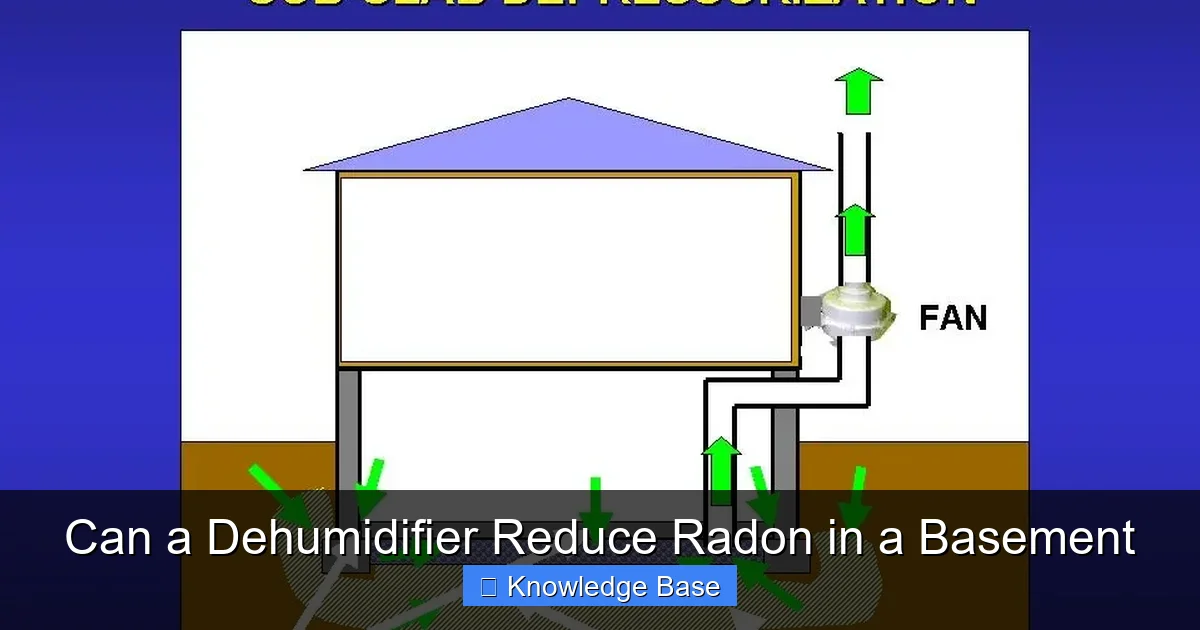
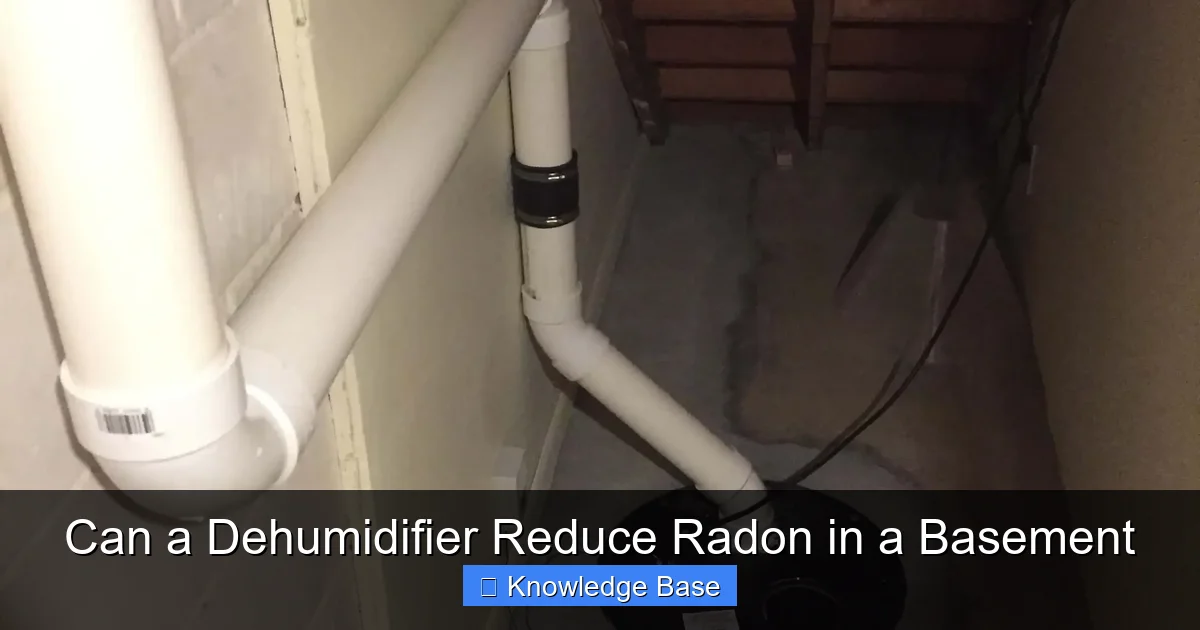
This is the gold standard for radon mitigation. It involves installing a pipe through the basement floor (or slab) into the soil beneath. A fan connected to the pipe draws radon gas from under the home and vents it safely above the roofline, where it disperses into the outdoor air.
This system is highly effective, often reducing radon levels by 50% to 99%. It’s relatively quiet, energy-efficient, and requires minimal maintenance. Most systems cost between $800 and $2,500, depending on your home’s size and layout.
Sealing Cracks and Openings
While sealing alone won’t eliminate radon, it’s an important part of a comprehensive mitigation plan. Use caulk or epoxy to fill cracks in floors and walls, gaps around pipes, and openings in the foundation. Focus on areas where the basement meets the ground.
Be aware that sealing is most effective when combined with a ventilation system like sub-slab depressurization. On its own, it may not lower radon levels enough.
Improving Basement Ventilation
Increasing airflow can help dilute radon concentrations. Opening windows (when weather permits), using exhaust fans, or installing a heat recovery ventilator (HRV) can improve air exchange. However, natural ventilation is not reliable year-round and may increase heating or cooling costs.
Installing a Radon-Resistant New Construction System
If you’re building a new home or finishing a basement, consider installing radon-resistant features from the start. These include a gas-permeable layer under the slab, a plastic sheeting barrier, and a vent pipe routed to the roof. These systems cost less during construction and can prevent radon problems before they start.
Using Air Purifiers with Radon-Specific Filters
Some high-end air purifiers are designed to capture radon decay products using HEPA filters and activated carbon. While they don’t remove radon gas, they can reduce the risk of inhaling radioactive particles. Look for models certified by organizations like AHAM or the EPA.
Testing and Maintaining Radon Levels
Testing is the only way to know if radon is a problem in your home. The EPA recommends testing every two years, or after major home renovations, changes in ventilation, or if you’ve installed a mitigation system.
Short-Term vs. Long-Term Testing
– **Short-term tests** (2–7 days) are quick and inexpensive but can be affected by weather and seasonal changes.
– **Long-term tests** (90 days to one year) provide a more accurate average radon level and are recommended for final assessments.
Place the test kit in the lowest lived-in level of your home, away from drafts, high humidity, and direct sunlight. Follow the instructions carefully to avoid false results.
What to Do If Your Radon Levels Are High
If your test shows 4 pCi/L or higher:
1. Confirm the results with a second test.
2. Contact a certified radon mitigation professional.
3. Install a mitigation system as soon as possible.
4. Retest after installation to ensure effectiveness.
Even if your levels are below 4 pCi/L, consider mitigation if you’re concerned about long-term exposure—especially if you smoke or have young children.
Combining Dehumidifiers with Radon Mitigation
While a dehumidifier won’t reduce radon on its own, it can be a valuable part of your overall indoor air quality strategy. Here’s how to use it effectively:
– **Run it year-round:** Keep your basement dry to discourage mold and improve comfort.
– **Choose an energy-efficient model:** Look for ENERGY STAR-certified dehumidifiers to save on electricity.
– **Maintain it regularly:** Clean the filter, empty the tank, and check for mold growth inside the unit.
– **Use it alongside a radon system:** A dry, well-ventilated basement supports the performance of your mitigation system.
Think of your dehumidifier as a teammate—not the star player—in your fight against indoor air pollutants.
Conclusion
So, can a dehumidifier reduce radon in a basement? The answer is clear: no, it cannot. Dehumidifiers are excellent tools for managing moisture and improving comfort, but they do not remove radon gas. Radon is a serious health hazard that requires targeted mitigation strategies like sub-slab depressurization, sealing, and proper ventilation.
That doesn’t mean you should skip the dehumidifier, though. Keeping your basement dry can support radon reduction efforts and improve your overall indoor air quality. But don’t rely on it as a radon solution.
The best approach is to test your home, understand your risk, and take action based on proven methods. With the right combination of testing, mitigation, and maintenance, you can create a safer, healthier living environment for you and your family.
Breathe easy—knowing you’ve taken the right steps to protect your home from radon.
Frequently Asked Questions
Can a HEPA air purifier remove radon?
HEPA filters can capture radon decay products—tiny radioactive particles—but they do not remove radon gas itself. Air purifiers are not a substitute for radon mitigation systems.
Does radon go away on its own?
Radon levels can fluctuate due to weather and ventilation, but they won’t disappear without intervention. Long-term exposure remains a health risk without proper mitigation.
Are all homes at risk for radon?
Yes, radon can be found in homes in all 50 states. The risk varies by location and soil type, but any home can have elevated levels.
Can I install a radon mitigation system myself?
While DIY kits exist, professional installation is recommended for safety and effectiveness. Certified mitigators ensure proper design and venting.
Will opening windows reduce radon?
Temporarily opening windows can lower radon levels, but it’s not a reliable long-term solution, especially in cold or hot weather.
How much does radon mitigation cost?
Most systems cost between $800 and $2,500, depending on home size and complexity. This is a worthwhile investment for long-term health and safety.