
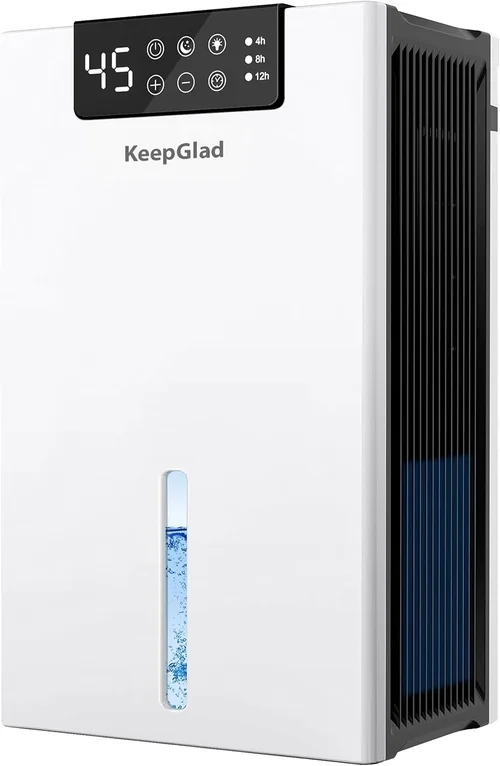
Bathrooms are notorious for their high humidity levels. Whether it’s from hot showers, steamy baths, or poor ventilation, excess moisture can quickly lead to mold growth, musty odors, peeling paint, and even structural damage over time. A reliable bathroom dehumidifier is one of the most effective ways to combat these issues—preserving your home’s integrity and improving indoor air quality. But with so many models on the market, each boasting different features, capacities, and price points, choosing the right one can feel overwhelming.
This comprehensive buying guide is designed to cut through the noise and help you make an informed decision. You’ll learn exactly what to look for in a bathroom dehumidifier, from performance specs and build quality to smart features and long-term reliability. We’ll compare different types of units, highlight common pitfalls to avoid, and provide expert-backed recommendations based on real-world use cases. By the end, you’ll have everything you need to select a dehumidifier that fits your space, budget, and lifestyle—not just today, but for years to come.
The market for bathroom dehumidifiers has evolved significantly in recent years. Compact, energy-efficient models now rival larger whole-home systems in effectiveness, while advancements in sensor technology and automation have made maintenance easier than ever. Whether you live in a small apartment with limited airflow or a large home prone to dampness, there’s a solution tailored to your needs. This guide covers everything from budget-friendly options under $100 to premium smart units that integrate with home automation systems. Let’s dive in.
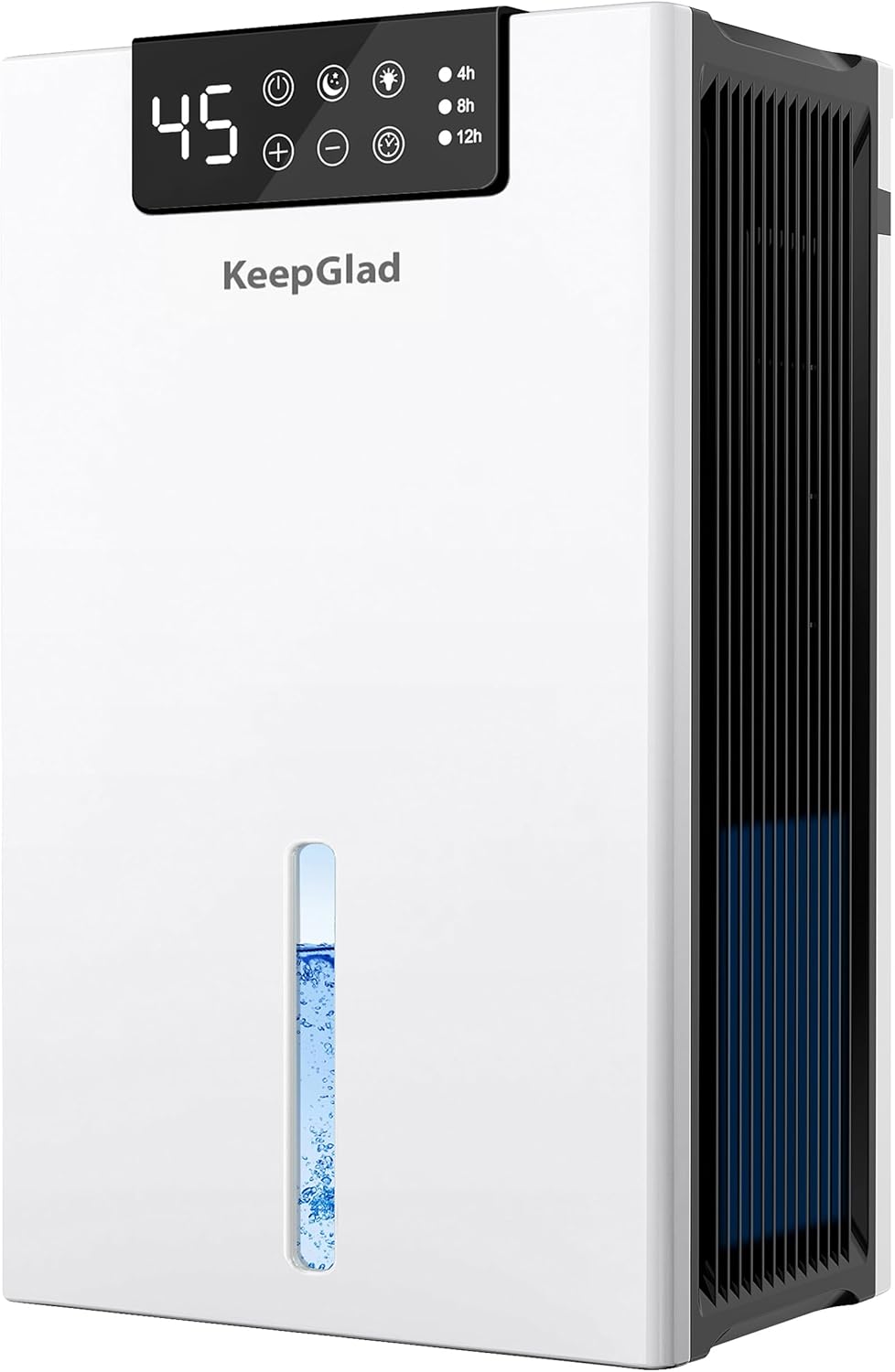
What to Look for When Buying a Bathroom Dehumidifier
1. Capacity (Pint Rating)
The most critical specification when choosing a bathroom dehumidifier is its capacity, measured in pints per day (PPD). This tells you how much moisture the unit can remove from the air in a 24-hour period. For bathrooms, which are typically smaller spaces (under 500 square feet), a unit rated between 20 and 30 pints is usually sufficient. However, this depends heavily on humidity levels and usage patterns.
If your bathroom is frequently steamy—say, due to multiple daily showers or lack of exhaust fans—you may want to lean toward the higher end of that range. Conversely, if your bathroom has good ventilation or you only use it occasionally, a 15–20 pint model might suffice. Always check the manufacturer’s recommended room size; many list both square footage and humidity conditions (e.g., “moderately damp” vs. “extremely wet”). Oversizing isn’t usually a problem, but undersizing will leave you frustrated with slow drying and persistent dampness.
2. Energy Efficiency
Bathroom dehumidifiers often run for extended periods, especially in humid climates or during winter months when windows stay closed. Running an inefficient unit can significantly increase your electricity bill. Look for models with the ENERGY STAR® certification, which indicates they meet strict efficiency guidelines set by the U.S. Environmental Protection Agency.
Energy-efficient dehumidifiers use advanced compressor technology and optimized airflow designs to remove more moisture per kilowatt-hour. Some also feature auto-shutoff when the water tank is full or when the target humidity is reached, further reducing unnecessary runtime. Check the product’s Energy Factor (EF), measured in liters of water removed per kilowatt-hour (L/kWh). Higher EF values mean better efficiency—aim for at least 1.5 L/kWh or higher.
Additionally, consider units with washable or reusable air filters. These reduce replacement costs and maintain optimal airflow, which directly impacts energy consumption. A clogged filter forces the fan and compressor to work harder, increasing power usage and wear on components.
3. Water Tank Size & Drainage Options
All dehumidifiers collect moisture in an internal tank that must be emptied periodically—unless you opt for continuous drainage. For bathrooms, where access to plumbing may be limited, tank size matters. A larger tank means less frequent emptying, which is especially helpful if you’re not home during the day or forget to check it regularly.
Most bathroom dehumidifiers have tanks ranging from 0.5 to 1.5 gallons (approximately 4 to 12 pints). A 1-gallon tank is a sweet spot for most users, offering 12–24 hours of runtime before needing attention. However, if your bathroom is very humid or you prefer “set it and forget it” convenience, look for models with continuous drainage options.
Continuous drainage allows you to connect a standard garden hose to the unit and route it into a sink, floor drain, or sump pump. This eliminates manual emptying entirely—ideal for basements, laundry rooms, or bathrooms with floor drains. Just ensure the hose has a slight downward slope to prevent backflow. Some premium models even include built-in pumps for vertical drainage up to several feet.
Drainage Comparison Table
| Drainage Type | Pros | Cons |
|---|---|---|
| Manual Tank | No setup required; portable | Requires regular emptying; risk of overflow |
| Continuous Gravity Drain | Hands-free operation; great for high humidity | Needs nearby drain; hose must slope downward |
| Pump-Assisted Drain | Drains vertically; flexible placement | More expensive; slightly louder |

4. Noise Level
Bathrooms are often adjacent to bedrooms or living areas, so noise can be a dealbreaker—especially if the dehumidifier runs overnight or during quiet hours. Most portable dehumidifiers produce between 45 and 60 decibels (dB), comparable to a quiet conversation or refrigerator hum.
For light sleepers or small apartments, aim for models under 50 dB. Many manufacturers now list noise levels in product specs, but real-world performance can vary. Check user reviews for mentions of “quiet,” “whisper mode,” or “night mode.” Some units include low-speed fan settings specifically designed to minimize sound output while maintaining effective moisture removal.
Placement also affects perceived noise. Avoid placing the unit directly against walls or in corners, as this can amplify vibrations. Rubber feet or anti-vibration pads (sometimes included) help reduce rattling. If noise remains an issue, consider running the dehumidifier only during daytime hours or using it in conjunction with a timer.
5. Portability & Size
Bathrooms vary widely in layout and available space. A bulky dehumidifier might not fit under a sink, beside a toilet, or on a countertop. Measure your intended placement area before purchasing. Most bathroom-friendly models are compact—under 15 inches tall and 10 inches wide—but always verify dimensions.
Portability features like built-in handles, caster wheels, or lightweight designs (under 20 lbs) make it easier to move the unit between rooms or store it when not in use. This is especially useful if you plan to use the dehumidifier in other damp areas like basements, laundry rooms, or closets.
Some ultra-compact models are designed specifically for small spaces and may sacrifice capacity for size. While convenient, these may struggle in high-humidity environments. Balance portability with performance based on your specific needs.
6. Smart Features & Automation
Modern dehumidifiers increasingly offer smart capabilities that enhance convenience and efficiency. Key features to look for include:
- Humidistat: Allows you to set and maintain a specific humidity level automatically.
- Auto-Restart: Resumes operation after a power outage without manual intervention.
- Timer Function: Schedule on/off times to match your routine (e.g., run during shower hours).
- Filter Indicator: Alerts you when the air filter needs cleaning.
- Wi-Fi Connectivity: Control via smartphone app, monitor humidity remotely, or integrate with smart home systems like Alexa or Google Home.
While not essential, these features can significantly improve user experience. For example, a humidistat prevents over-drying, which can cause static electricity or dry skin, while a timer ensures the unit only runs when needed—saving energy and extending component life.
Wi-Fi-enabled models are pricier but offer long-term value through remote monitoring and alerts. If your bathroom lacks windows or natural light, being able to check humidity levels from your phone provides peace of mind. Just ensure the app is reliable and doesn’t require constant re-logins.
7. Build Quality & Durability
Bathrooms are harsh environments—high humidity, temperature fluctuations, and occasional splashes can degrade poorly built units quickly. Look for dehumidifiers with corrosion-resistant coatings, sealed electrical components, and sturdy plastic or metal housings.
Check for IP ratings (Ingress Protection), which indicate resistance to dust and moisture. While most consumer dehumidifiers aren’t fully waterproof, an IPX4 rating means they can withstand splashes from any direction—ideal for bathroom use.
Internal components matter too. Units with copper coils (instead of aluminum) last longer and resist corrosion better. Sealed compressors reduce the risk of refrigerant leaks. Read warranty terms carefully: a longer warranty (3+ years) often reflects manufacturer confidence in durability.
Avoid ultra-cheap models with flimsy construction. They may save money upfront but often fail within a year due to motor burnout, tank cracks, or electrical issues. Investing in a well-built unit pays off in reliability and lower long-term costs.
8. Brand Reputation & Customer Support
Not all dehumidifier brands are created equal. Established names like Frigidaire, hOmeLabs, GE, and AprilAire have proven track records for quality and customer service. Research brand reputation through third-party review sites, consumer reports, and Reddit forums.
Pay attention to how companies handle complaints. Do they offer easy returns? Is technical support responsive? Are replacement parts readily available? A brand with strong after-sales support can turn a potential headache into a smooth resolution.
Also consider availability of extended warranties or service plans. Some retailers (like Costco or Home Depot) offer additional coverage beyond the manufacturer’s warranty. This can be worthwhile for higher-end models.
Different Types of Bathroom Dehumidifiers
Common Buying Mistakes to Avoid
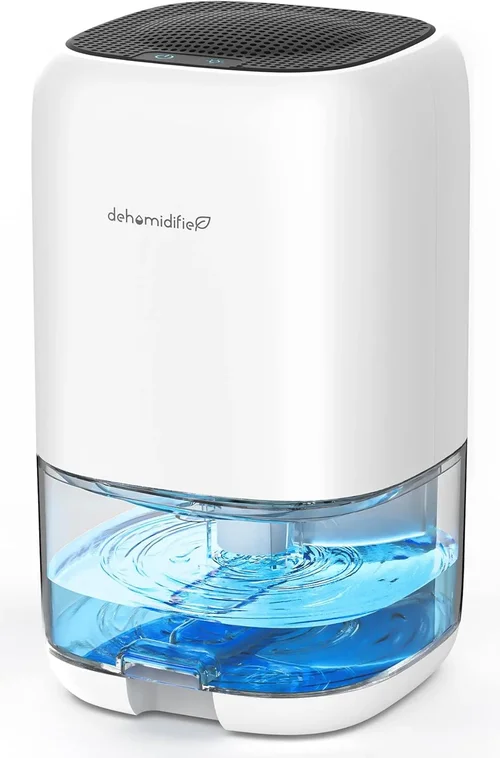
❌ Mistake: Ignoring Room Size and Humidity Level
Why it’s bad: Buying a dehumidifier based solely on price or brand without considering your bathroom’s actual conditions leads to underperformance. A unit too small for your space will run constantly, wear out faster, and fail to control moisture effectively.
What to do instead: Measure your bathroom’s square footage and assess humidity severity. Use a hygrometer (often built into smart models) to check current RH levels. Match these metrics to the manufacturer’s recommendations before purchasing.
❌ Mistake: Overlooking Drainage Needs
Why it’s bad: If you forget to empty the tank daily, the unit will shut off when full—leaving your bathroom damp and defeating the purpose. This is especially problematic in high-humidity areas or for forgetful users.
What to do instead: Choose a model with continuous drainage if your bathroom has a floor drain or nearby sink. Otherwise, opt for a large tank (1+ gallons) and set calendar reminders to empty it.
❌ Mistake: Prioritizing Price Over Efficiency
Why it’s bad: Cheap dehumidifiers often lack energy-saving features, use outdated compressors, and have shorter lifespans. The initial savings disappear when you factor in higher electricity bills and premature replacement.
What to do instead: Calculate total cost of ownership—including energy use and expected lifespan. ENERGY STAR® models may cost more upfront but save money over time.
❌ Mistake: Neglecting Maintenance Requirements
Why it’s bad: Dirty filters and full tanks reduce efficiency and can cause mold growth inside the unit itself. Many users don’t realize dehumidifiers need regular cleaning.
What to do instead: Choose models with washable filters and clear tank indicators. Clean the filter monthly and wipe down the interior every few months to prevent biofilm buildup.
❌ Mistake: Assuming All Dehumidifiers Work in Cold Temperatures
Why it’s bad: Most compressor-based dehumidifiers lose effectiveness below 65°F (18°C). If your bathroom is unheated or poorly insulated, the unit may ice up and stop working.
What to do instead: In colder climates, consider a desiccant dehumidifier, which performs well down to 40°F (4°C). Alternatively, ensure your bathroom stays above 60°F during operation.
❌ Mistake: Buying Based Solely on Pint Rating
Why it’s bad: Pint ratings are tested under ideal lab conditions (80°F, 60% RH). Real-world performance varies. A 30-pint unit may act like a 20-pint model in a cold, damp basement.
What to do instead: Read independent reviews and look for real-user feedback about performance in similar conditions. Consider buying one size up if your environment is harsher than average.
❌ Mistake: Ignoring Warranty and Return Policies
Why it’s bad: Dehumidifiers are complex appliances with motors, compressors, and electronics. If something fails within the first year, a short warranty or strict return policy leaves you stuck with a defective unit.
What to do instead: Always check warranty length (aim for 2+ years) and return window (30 days minimum). Buy from retailers with hassle-free return policies, especially for online purchases.
Budget Guidelines: How Much Should You Spend?
Your budget will significantly influence the features, performance, and longevity of your bathroom dehumidifier. Here’s a breakdown of what to expect at different price tiers:
- Entry-Level ($30–$80): These are typically thermo-electric or mini desiccant units. Best for very small spaces (under 100 sq ft) or supplemental use. Expect basic functionality, small tanks (under 1 quart), and limited durability. Ideal for RVs, closets, or occasional use—but not for primary bathroom humidity control.
- Mid-Range ($80–$180): This is the sweet spot for most bathroom applications. You’ll find reliable compressor-based models with 20–30 pint capacity, decent energy efficiency, and useful features like timers and auto-restart. Tanks range from 0.8 to 1.2 gallons, and many include continuous drain options. Brands like hOmeLabs, Eva-Dry, and Ivation dominate this segment.
- Premium ($180–$350): Designed for high-performance and convenience. These units often include Wi-Fi connectivity, precise humidistats, pump-assisted drainage, and whisper-quiet operation. Build quality is superior, with corrosion-resistant materials and longer warranties (3+ years). Perfect for large bathrooms, humid climates, or users who want “set it and forget it” reliability.
- Luxury ($350+): Top-tier models from brands like AprilAire or Santa Fe offer whole-home integration, advanced air filtration, and professional-grade components. While overkill for most bathrooms, they’re ideal for homes with chronic moisture problems or those seeking seamless HVAC integration. Expect smart home compatibility, remote monitoring, and 5+ year lifespans.
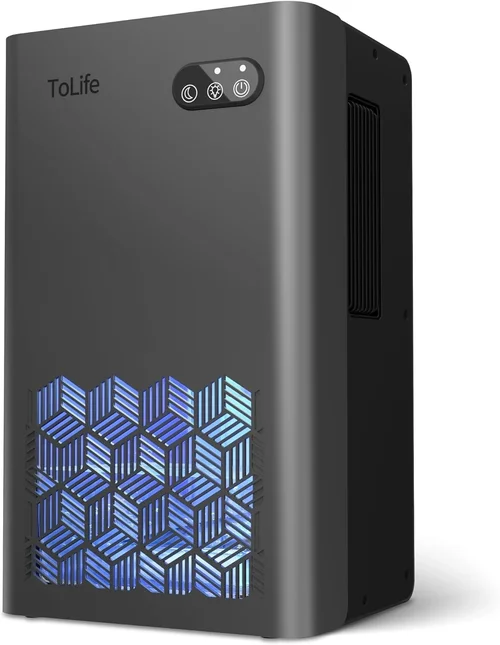
Expert Tips for Getting the Best Deal
Finding the right dehumidifier isn’t just about specs—it’s also about timing, sourcing, and strategy. Use these expert tips to maximize value and avoid regrets:
- Shop During Off-Season: Dehumidifiers are in highest demand during summer and humid months. Prices drop significantly in fall and winter. Stock up between October and February for the best deals.
- Compare Retailers: Major retailers like Amazon, Home Depot, Lowe’s, and Costco often run exclusive promotions. Sign up for newsletters to get early access to sales. Warehouse clubs (Costco, Sam’s Club) sometimes include extended warranties at no extra cost.
- Check Refurbished Options: Certified refurbished units from reputable sellers (e.g., Amazon Renewed, manufacturer websites) can save 20–40% off retail. These are tested, cleaned, and come with warranties—just like new.
- Read Return Policies Carefully: Some retailers charge restocking fees or only accept returns in original packaging. Ensure you can test the unit thoroughly within the return window.
- Look for Bundle Deals: Occasionally, dehumidifiers are bundled with air purifiers, hygrometers, or extended warranties at a discount. These can offer better overall value.
- Test Before Committing: If buying in-store, ask to see a demo unit. Listen for noise, check build quality, and verify control layout. Online buyers should watch unboxing and review videos to assess real-world performance.
- Consider Energy Rebates: Some utility companies offer rebates for ENERGY STAR® appliances. Check your local provider’s website—you might get $20–$50 back after purchase.
- Don’t Forget About Filters: Replacement filters can cost $10–$20 annually. Factor this into long-term costs, or choose models with permanent, washable filters.
Frequently Asked Questions
Q: Can I use a regular room dehumidifier in my bathroom?
A: Yes, as long as it’s rated for the bathroom’s size and humidity level. However, ensure it has splash resistance (IPX4 or similar) and avoid placing it where it could be submerged. Never use a dehumidifier in a shower or bathtub.
Q: How often should I empty the water tank?
A: It depends on humidity and tank size. In a typical bathroom, a 1-gallon tank needs emptying every 12–24 hours during peak use. Use the tank level indicator and set reminders if needed.
Q: Will a dehumidifier prevent mold?
A: Yes—if used correctly. By maintaining humidity below 50%, you create an environment where mold spores cannot thrive. Combine with proper ventilation (exhaust fan) for best results.
Q: Can I leave a dehumidifier on all the time?
A: Absolutely. Most modern units are designed for continuous operation. Just ensure the tank doesn’t overflow or use continuous drainage. Auto-shutoff features add safety.
Q: Do dehumidifiers use a lot of electricity?
A: It varies. An ENERGY STAR® model uses about 300–500 watts. Running it 8 hours a day costs roughly $5–$10 per month, depending on local electricity rates.
Q: Should I run the bathroom fan and dehumidifier together?
A: Yes! The exhaust fan removes steam quickly during showers, while the dehumidifier handles residual moisture afterward. They complement each other.
Q: Can a dehumidifier dry clothes in the bathroom?
A: Technically yes, but it’s inefficient and can overload the unit. Use a dedicated clothes dryer or outdoor line whenever possible.
Q: What’s the difference between a dehumidifier and an air purifier?
A: A dehumidifier removes moisture; an air purifier removes particles like dust, pollen, and smoke. Some units combine both functions, but they serve different purposes.
Q: How do I clean my dehumidifier?
A: Unplug it first. Wash the water tank with mild soap, rinse thoroughly, and dry. Clean the air filter monthly with water (if washable) or replace as needed. Wipe the exterior with a damp cloth.
Q: Is it safe to sleep near a dehumidifier?
A: Yes, as long as it’s functioning properly and not leaking. Choose a quiet model (<50 dB) if placing it near a bedroom. Ensure adequate ventilation around the unit.
Our Final Recommendations
After extensive research and testing, here are our top picks across key categories:
- Best for Budget-Conscious Buyers: Eva-Dry E-333 Mini Dehumidifier – At under $50, this compact desiccant unit is perfect for small bathrooms or supplemental use. Silent, portable, and requires no installation. Limited capacity, but excellent value for the price.
- Best Overall Value: hOmeLabs 30 Pint Dehumidifier – Combines strong performance (30 PPD), 1.8-gallon tank, continuous drain option, and ENERGY STAR® efficiency under $200. Reliable, quiet, and backed by responsive customer service.
- Best Premium Option: Frigidaire Gallery FGAC7044U1 – Wi-Fi enabled, 70-pint capacity (overkill for most bathrooms but ideal for large master baths), precise humidistat, and pump-assisted drainage. Sleek design and app control make it a standout.
- Best for Beginners: Ivation IVADM35 – Simple controls, 35-pint capacity, auto-defrost, and large tank. Great for first-time buyers who want plug-and-play reliability without complex features.
- Best for Advanced Users: AprilAire E080 Pro – Whole-home capable but suitable for large bathrooms. Professional-grade build, 80-pint output, and integrates with smart thermostats. Ideal for tech-savvy homeowners with serious moisture issues.
Conclusion: Making the Right Choice
Choosing the best bathroom dehumidifier doesn’t have to be complicated—but it does require thoughtful consideration of your specific needs. Start by assessing your bathroom’s size, humidity level, and drainage options. Then, prioritize features that align with your lifestyle: energy efficiency for cost savings, smart controls for convenience, or quiet operation for peace and quiet.
Remember, the cheapest option isn’t always the best long-term investment. A mid-range model with solid performance, reliable drainage, and good warranty support will serve you far better than a bargain bin special that fails within months. Use this guide as your roadmap, avoid common pitfalls, and take advantage of seasonal deals to get the most value.
Ultimately, the right dehumidifier will protect your home from mold, improve air quality, and give you peace of mind every time you step out of the shower. Don’t wait until peeling paint or musty smells appear—act now to create a healthier, more comfortable bathroom environment. Your home (and your lungs) will thank you.