
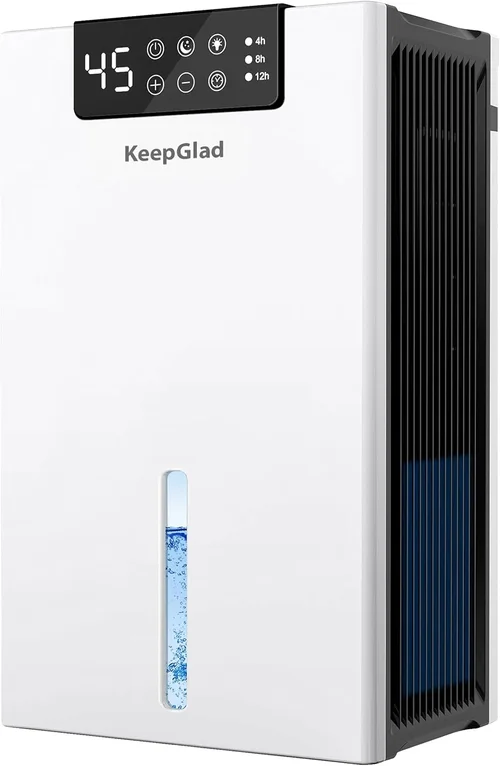
When it comes to maintaining a healthy, comfortable home environment, few appliances are as quietly essential as a dehumidifier. Whether you’re battling persistent musty odors in your basement, trying to protect wooden furniture from warping, or simply looking to improve indoor air quality for allergy sufferers, the right dehumidifier can make a world of difference. Yet, with hundreds of models flooding the market—ranging from compact $50 units to high-capacity $500+ machines—it’s easy to feel overwhelmed. That’s where this comprehensive buying guide comes in.
This guide is designed for homeowners, renters, and anyone serious about making an informed decision when purchasing a dehumidifier. We’ll walk you through everything you need to know: from understanding how dehumidifiers work and what features truly matter, to comparing different types, avoiding common pitfalls, and identifying the best models based on real-world performance and expert reviews. By the end, you’ll have the knowledge and confidence to choose a unit that fits your space, budget, and lifestyle—not just one that looks good on paper.
The dehumidifier market has evolved significantly over the past decade. What was once a niche appliance for damp basements or humid climates has now become a mainstream solution for improving indoor air quality, preventing mold growth, and even enhancing HVAC efficiency. Today’s models come packed with smart sensors, Wi-Fi connectivity, auto-defrost functions, and energy-saving modes. But with innovation comes complexity—and confusion. Our goal is to cut through the noise, highlight what actually matters, and help you find the best-rated dehumidifier for your specific needs.
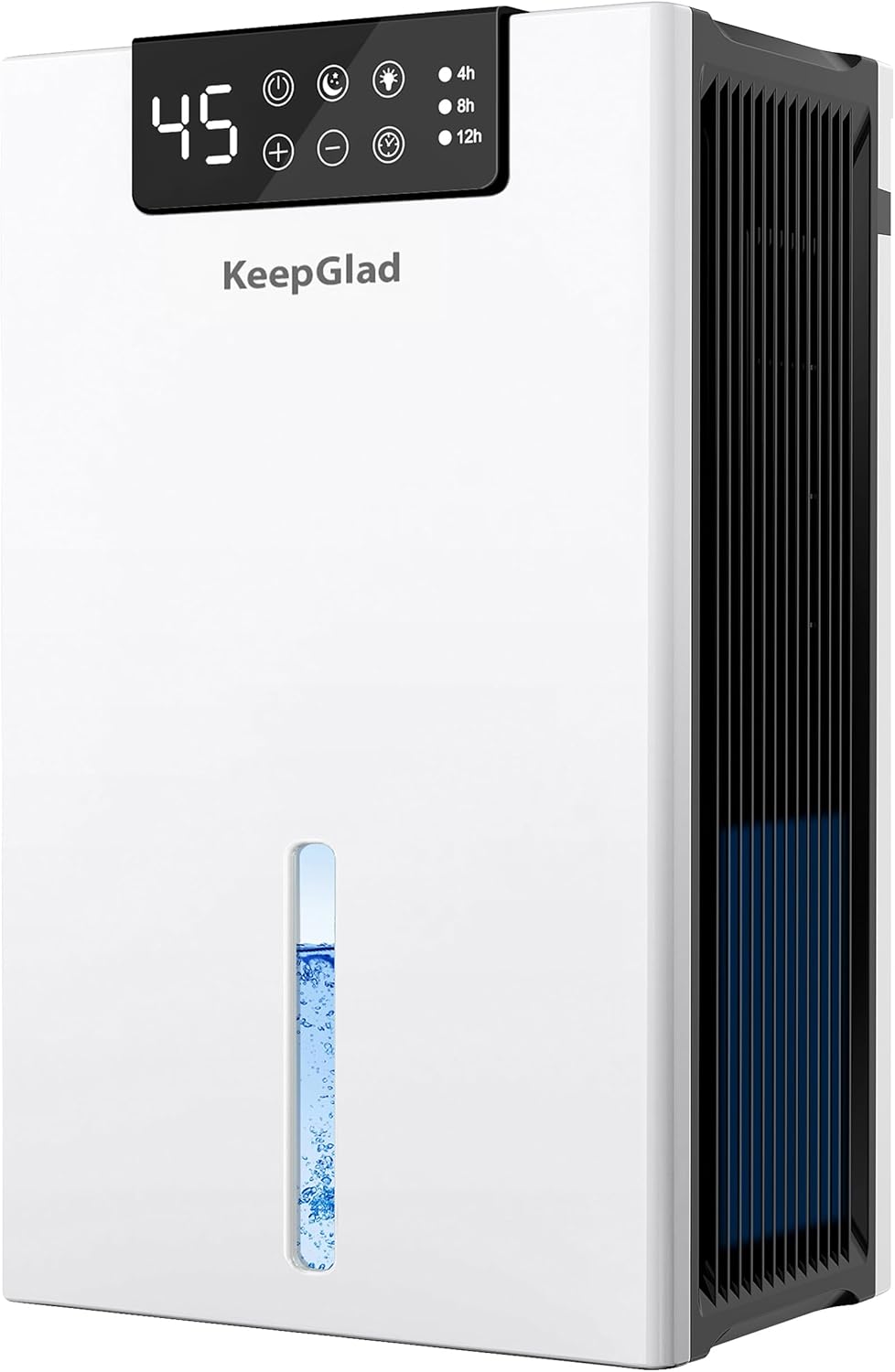
What to Look for When Buying Buying Guide
1. Budget & Price Range
Your budget is often the first and most practical constraint when shopping for a dehumidifier. Prices can range from under $100 for basic portable units to over $600 for heavy-duty commercial-grade machines. However, price doesn’t always correlate directly with performance or longevity. A $150 model might outperform a $300 one in certain conditions, especially if it’s better suited to your room size and humidity level.
When setting your budget, consider not just the upfront cost but also long-term expenses like electricity usage and maintenance. Energy-efficient models may cost more initially but can save you hundreds over their lifespan. Additionally, cheaper units often use lower-quality components that wear out faster, leading to premature replacement costs. Aim for the sweet spot where price aligns with durability, efficiency, and feature set.
2. Performance Specifications
Performance is arguably the most critical factor when evaluating dehumidifiers. The key metric here is capacity, measured in pints per day (PPD)—the amount of moisture the unit can remove from the air in 24 hours under standardized conditions (typically 60% relative humidity at 80°F). For reference, a 30-pint unit is suitable for small spaces up to 500 sq ft, while a 70-pint model is ideal for large basements or whole-house applications.
But don’t stop at PPD. Look at the unit’s operating temperature range. Most residential dehumidifiers work best between 65°F and 80°F. If you’re using it in an unheated garage or crawl space that drops below 50°F, you’ll need a cold-climate model with auto-defrost technology. Also check the humidity control settings—some units offer precise digital hygrometers with adjustable target levels (e.g., 40%, 50%, 60%), while others only have basic on/off or high/low settings.
Another often-overlooked spec is airflow rate (measured in CFM—cubic feet per minute). Higher airflow means the unit circulates air more effectively, speeding up moisture removal. Finally, consider noise level, especially if placing the dehumidifier in a bedroom or living area. Look for models rated under 50 decibels for quiet operation.
3. Build Quality & Durability
A dehumidifier is a long-term investment, so build quality matters. Start by examining the materials used in the housing and internal components. High-quality plastic should feel sturdy, not flimsy, and resist yellowing or cracking over time. Metal components—especially in the compressor and coils—should be corrosion-resistant, particularly important in damp environments.
Check the quality of the water tank. A poorly designed tank can leak, crack, or be difficult to remove and clean. Look for models with wide openings, ergonomic handles, and secure lids. Some premium units even include antimicrobial treatments to prevent mold growth inside the tank.
Internal components like the compressor, fan motor, and refrigerant system should come from reputable manufacturers. Units with rotary compressors tend to be quieter and more efficient than piston-style ones. Also, inspect the filter—washable, reusable filters are preferable to disposable ones, both for cost savings and environmental reasons.
4. Features & Functionality
Modern dehumidifiers come loaded with features that go far beyond simple moisture removal. While not all are necessary, some can significantly enhance convenience and efficiency. Start with auto-humidistat control—this allows the unit to monitor ambient humidity and cycle on/off automatically to maintain your desired level. This prevents over-drying and saves energy.
Look for continuous drainage options. Most units include a built-in pump or gravity drain hose connection, which lets you empty the tank without manual intervention—ideal for unattended operation in basements or crawl spaces. Some high-end models even feature built-in condensate pumps that can push water vertically up to 15 feet.
Smart features are increasingly common. Wi-Fi-enabled dehumidifiers let you monitor and control humidity levels via smartphone apps, receive alerts when the tank is full, or integrate with home automation systems like Alexa or Google Home. While not essential, these can be valuable for tech-savvy users or those managing multiple properties.
Other useful features include:
– Auto-restart after power outages
– Timer functions (e.g., run for 2, 4, or 8 hours)
– Filter cleaning indicators
– Frost sensors and auto-defrost
– Quiet sleep modes
Avoid “feature bloat”—don’t pay extra for gimmicks you won’t use. Focus on functionality that aligns with your usage patterns.
5. Brand Reputation
Brand reputation is a strong indicator of reliability, customer service, and long-term support. Established brands like Frigidaire, Honeywell, GE, LG, and Toshiba have decades of experience in climate control appliances and typically offer better warranties, wider service networks, and more consistent quality control.
That said, some lesser-known brands—like hOmeLabs, Eva-Dry, and ALORAIR—have gained strong followings by offering excellent value and innovative designs. The key is to research real user experiences, not just marketing claims. Look for brands with transparent return policies, responsive customer support, and readily available replacement parts.
Be cautious with ultra-budget brands sold exclusively online with minimal customer reviews. These often cut corners on safety certifications, use substandard compressors, or disappear after a few years, leaving you without warranty support.
6. Warranty & Support
A dehumidifier should last 5–10 years with proper maintenance. A solid warranty reflects the manufacturer’s confidence in their product. Most reputable brands offer at least a 1-year limited warranty, but many now provide 2–5 years of coverage, especially on compressors and sealed systems.
Pay attention to what’s covered. Some warranties exclude labor costs, filters, or damage from improper use. Others require registration within 30 days of purchase to be valid. Extended warranties are rarely worth it—most failures occur early, and repairs after the standard period are often cheaper than the warranty cost.
Customer support is equally important. Can you easily reach a human being? Are troubleshooting guides available online? Do they offer live chat or phone support during business hours? Brands with strong support ecosystems (like LG or Honeywell) tend to resolve issues faster and more satisfactorily.
7. Size & Portability
Even if you’re buying a stationary unit, portability matters—especially during setup, cleaning, or relocation. Look for models with integrated handles, smooth-rolling casters, and a compact footprint relative to their capacity. A 50-pint dehumidifier shouldn’t weigh 80 pounds unless it’s a commercial unit.
Consider where you’ll place the unit. Basements often have uneven floors, so sturdy wheels are a must. Bedrooms or living rooms benefit from slim profiles that fit under furniture or in corners. Some models are designed to be wall-mounted or tucked into closets, saving floor space.
Also think about cord length and plug type. A short power cord can limit placement options, while a standard 3-prong plug ensures compatibility with most outlets. Avoid units that require hardwiring unless you’re installing a whole-house system.
8. User Reviews & Ratings
Never rely solely on manufacturer specs or professional reviews. Real-world user feedback reveals issues that lab tests miss—like inconsistent humidity control, noisy operation, or tank leaks after a few months. Platforms like Amazon, Home Depot, and Consumer Reports aggregate thousands of reviews, giving you a clearer picture of long-term reliability.
When reading reviews, focus on recurring themes. If multiple users mention the same problem—e.g., “stopped working after 6 months” or “drain hose leaks”—it’s likely a design flaw. Conversely, consistent praise for quiet operation or easy maintenance is a good sign.
Be wary of fake reviews. Look for detailed, verified purchases with photos or videos. Also, check the date—older reviews may not reflect current model revisions.
Different Types of Buying Guide

Common Buying Mistakes to Avoid
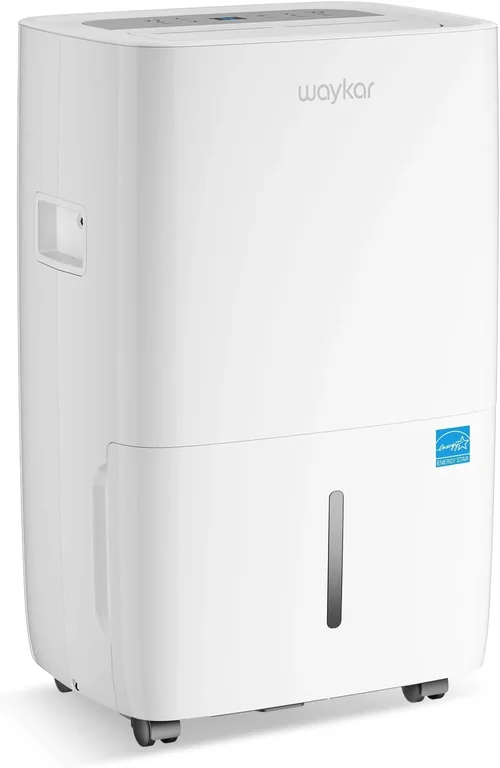
❌ Mistake: Buying Based Solely on Pint Capacity
Why it’s bad: Pint ratings are measured under ideal lab conditions (80°F, 60% RH). In real-world settings—especially cooler basements—actual performance can be 30–50% lower. A 50-pint unit might only act like a 30-pint in a 55°F crawl space.
What to do instead: Match the unit to your room size and ambient temperature. Use AHAM’s room size guidelines and consider upgrading one capacity level for colder spaces.
❌ Mistake: Ignoring Energy Efficiency
Why it’s bad: Dehumidifiers run for hours daily. A model that uses 10% more energy can cost $30–$50 extra per year in electricity—adding up over 5–10 years.
What to do instead: Look for the Energy Star label and check the annual energy consumption (kWh/year). Prioritize units with high energy factors (liters of water removed per kWh).
❌ Mistake: Overlooking Drainage Options
Why it’s bad: Emptying a full tank every 8–12 hours is tedious and impractical for basements or vacation homes. Manual draining also increases the risk of spills and mold if neglected.
What to do instead: Choose a model with a built-in pump or gravity drain hose outlet. Even mid-range units now offer this feature—it’s worth the slight price increase.
❌ Mistake: Choosing the Wrong Size for the Space
Why it’s bad: An undersized unit will run constantly, wear out quickly, and fail to control humidity. An oversized one will cycle too frequently, wasting energy and potentially over-drying the air.
What to do instead: Measure your square footage and assess humidity severity (mild, moderate, severe). Use manufacturer sizing charts or consult AHAM’s recommendations.
❌ Mistake: Skipping Maintenance Requirements
Why it’s bad: Clogged filters and dirty coils reduce efficiency by up to 40% and can lead to compressor failure. Many users don’t realize dehumidifiers need regular cleaning.
What to do instead: Opt for models with washable filters and easy-access components. Set calendar reminders to clean the filter monthly and inspect coils quarterly.
❌ Mistake: Falling for “Whole-House” Claims Without Ducting
Why it’s bad: Most portable dehumidifiers labeled “whole-house” can’t actually dehumidify an entire home unless it’s ducted into your HVAC system. They’re still limited to single-room or open-concept areas.
What to do instead: For true whole-house dehumidification, invest in a ducted system or use multiple units strategically placed. Portable “whole-house” models are marketing hype.
Budget Guidelines: How Much Should You Spend?
Entry-Level ($50 – $150): These are ideal for small spaces like closets, RVs, or bathrooms. Expect basic functionality—manual controls, small tanks (1–2 liters), and limited capacity (10–20 pints). Build quality is often lower, and noise levels can be high. Best for occasional use or mild humidity issues. Examples include Eva-Dry E-333 or hOmeLabs Small Space Dehumidifier.
Mid-Range ($150 – $300): This is the sweet spot for most homeowners. Units in this range offer 30–50 pint capacity, digital controls, auto-humidistats, continuous drainage, and quieter operation. Energy efficiency improves significantly, and brands like Frigidaire, Honeywell, and GE dominate here. Perfect for bedrooms, living rooms, and average-sized basements.
Premium ($300 – $500): Designed for demanding environments—large basements, crawl spaces, or high-humidity climates. These feature 50–70+ pint capacity, built-in pumps, Wi-Fi connectivity, advanced filtration, and robust construction. Models like the ALORAIR Sentinel HDi or Frigidaire FGAC7044W1 excel here. Ideal for serious moisture problems or tech-savvy users.
Luxury ($500+): Reserved for commercial-grade or whole-house systems. These include ducted dehumidifiers, desiccant models for extreme cold, or smart systems integrated with HVAC. They offer maximum capacity, precision control, and professional installation support. Only necessary for large properties, historic homes, or medical/industrial applications.
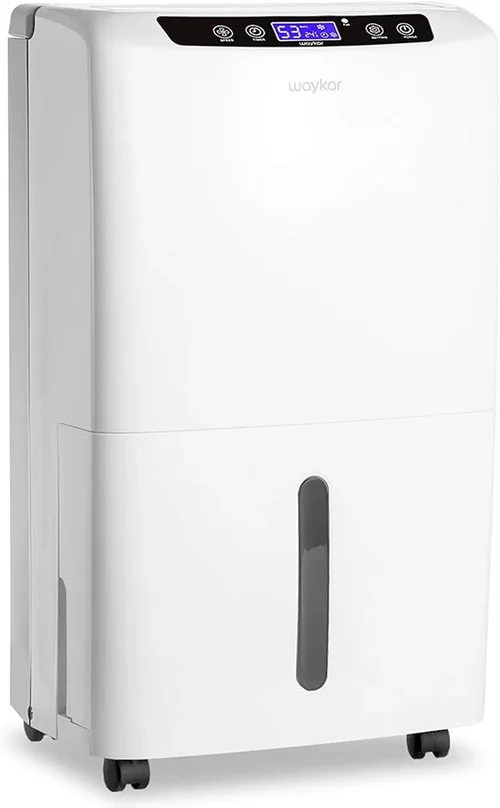
Expert Tips for Getting the Best Deal
– Buy during off-season: Dehumidifier sales peak in spring and summer. Shop in late fall or winter (November–February) for discounts of 20–40%. Retailers clear inventory before the humid season.
– Check retailer return policies: Some stores (like Costco or Amazon) offer generous 90-day returns. This lets you test the unit in your actual environment and return it if it underperforms.
– Look for bundle deals: HVAC contractors or home improvement stores sometimes offer discounts when purchasing with air purifiers, humidifiers, or HVAC tune-ups.
– Verify Energy Star rebates: Many utility companies offer $25–$100 rebates for Energy Star-certified dehumidifiers. Check your local provider’s website before buying.
– Read the fine print on warranties: Some brands require professional installation for warranty validity—even for portable units. Others void coverage if used in unheated spaces.
– Test noise levels in person: If possible, visit a store to hear the unit run. A quiet model in a showroom may sound louder in your echoey basement.
– Consider refurbished or open-box: Certified refurbished units from reputable sellers (like Best Buy or manufacturer outlets) often come with full warranties and cost 20–30% less.
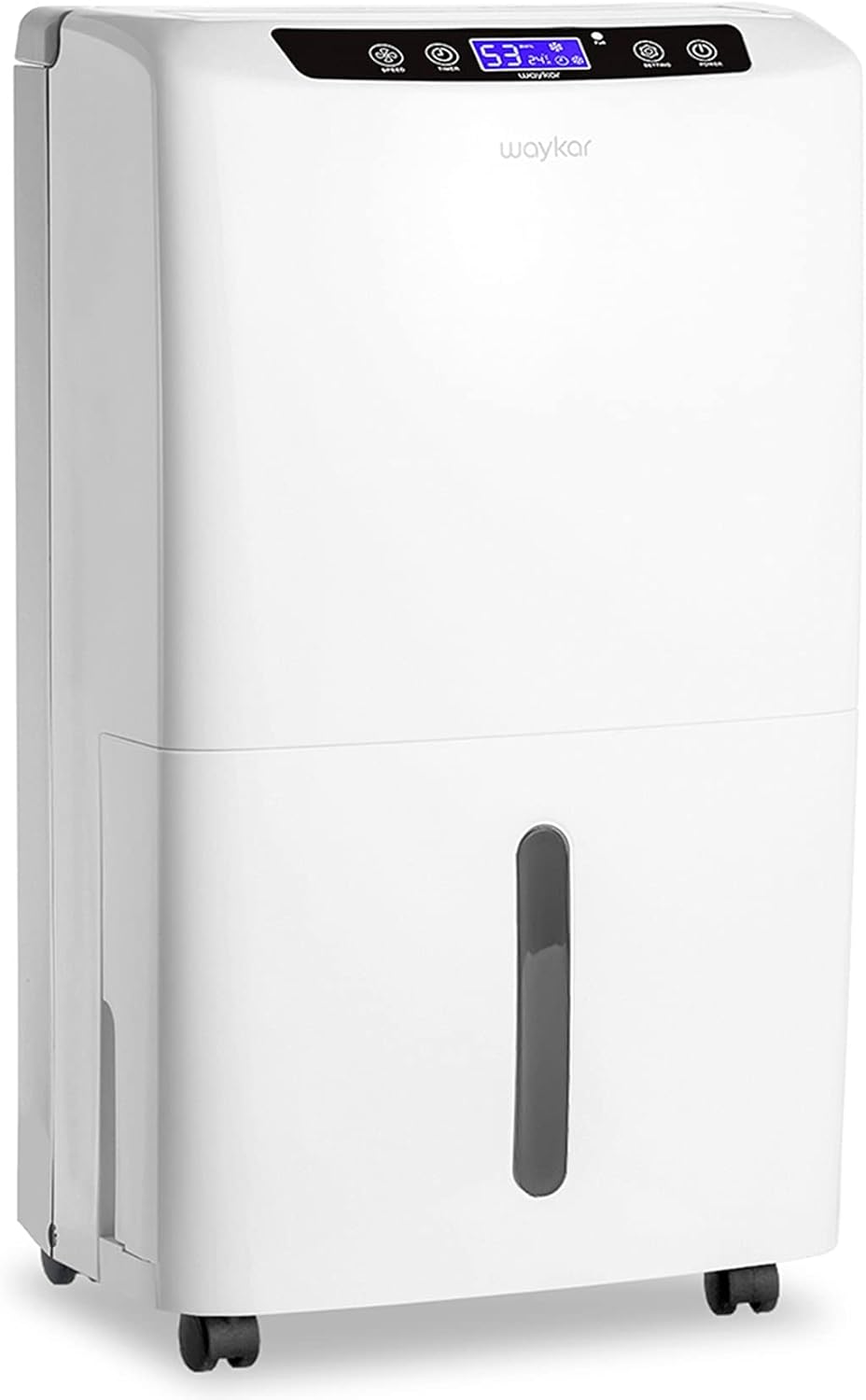
Frequently Asked Questions
Q: How do I know if I need a dehumidifier?
A: Signs include persistent musty smells, condensation on windows, peeling paint or wallpaper, mold growth, or a clammy feeling in the air. Use a hygrometer to measure indoor humidity—if it’s consistently above 60%, a dehumidifier is recommended.
Q: Can a dehumidifier help with allergies?
A: Yes. By reducing moisture, dehumidifiers inhibit mold, dust mites, and mildew—common allergens. Pair it with an air purifier for maximum benefit.
Q: Should I run my dehumidifier continuously?
A: Not necessarily. Most units have auto modes that cycle on/off to maintain your target humidity (ideally 40–50%). Continuous operation is only needed in extremely damp or unoccupied spaces.
Q: How often should I empty the water tank?
A: It depends on humidity levels and tank size. Most 4–6 liter tanks need emptying every 8–24 hours. Use continuous drainage to avoid manual emptying.
Q: Do dehumidifiers use a lot of electricity?
A: Modern Energy Star models are quite efficient, using 150–400 watts. A 30-pint unit might cost $10–$20 per month to run continuously, less with auto mode.
Q: Can I use a dehumidifier in winter?
A: Only if the space stays above 50°F. Below that, most refrigerant-based units ice up. Use a cold-climate model with auto-defrost for garages or unheated basements.
Q: What’s the difference between refrigerant and desiccant dehumidifiers?
A: Refrigerant models (most common) cool air to condense moisture—best for warm, humid climates. Desiccant units use moisture-absorbing materials and work better in cold or dry conditions but are less efficient in high humidity.
Q: How long do dehumidifiers last?
A: With proper maintenance, 7–10 years is typical. Compressor failure is the most common end-of-life issue.
Our Final Recommendations
Best for Budget-Conscious Buyers: hOmeLabs 30 Pint Dehumidifier – Excellent value under $200, Energy Star certified, quiet operation, and reliable performance for small to medium rooms.
Best Overall Value: Frigidaire FFAD7033R1 70 Pint Dehumidifier – Consistently top-rated for basements, features a built-in pump, digital controls, and durable build. Priced around $350.
Best Premium Option: ALORAIR Sentinel HDi 70 Pint Smart Dehumidifier – Wi-Fi enabled, app-controlled, cold-climate capable, and built for heavy-duty use. Ideal for tech lovers and large spaces.
Best for Beginners: Honeywell TP70WKN 70 Pint Dehumidifier – User-friendly interface, excellent customer support, and reliable performance. Great first-time buyer choice.
Best for Advanced Users: AprilAire E090 Whole-House Dehumidifier – Ducted system for whole-home control, professional installation, and unmatched precision. For those serious about indoor air quality.
Conclusion: Making the Right Choice
Choosing the best-rated dehumidifier isn’t about finding the most expensive or highest-capacity model—it’s about matching the right tool to your specific environment, needs, and budget. By focusing on key factors like performance specs, build quality, drainage options, and real user feedback, you can avoid costly mistakes and invest in a unit that delivers lasting comfort and protection.
Remember, a dehumidifier is more than just an appliance—it’s a guardian of your home’s health. It prevents structural damage, protects your belongings, and creates a healthier living space for you and your family. Take the time to assess your situation, compare options thoughtfully, and prioritize features that matter most to you.
Whether you’re tackling a damp basement, managing allergies, or simply striving for better indoor air, the right dehumidifier is out there. Use this guide as your roadmap, and you’ll not only find a highly rated model—you’ll find the perfect one for your home.