
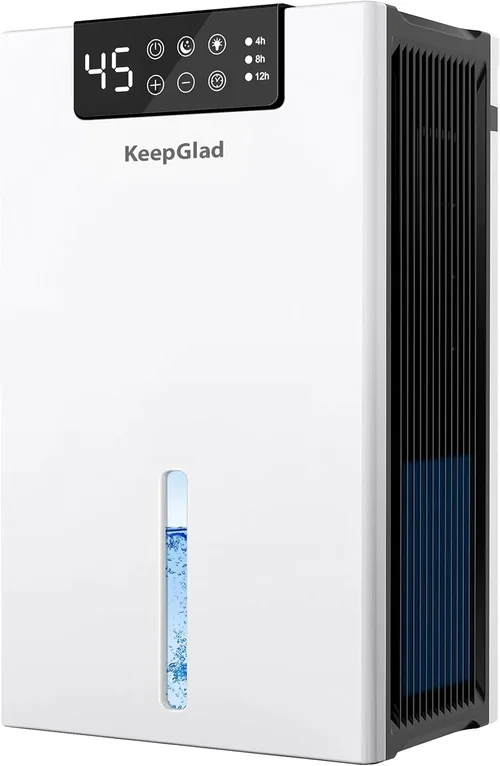
If you’ve ever walked into a damp basement and immediately regretted not investing in a dehumidifier sooner, you’re not alone. Excess moisture in your home isn’t just uncomfortable—it’s a silent destroyer. It encourages mold growth, warps wood, damages electronics, and even aggravates allergies and asthma. A dehumidifier can be a game-changer, but here’s the catch: it only works effectively if it’s placed correctly. That’s why understanding the best place to put a dehumidifier isn’t just helpful—it’s essential.
This comprehensive guide is designed for homeowners, renters, and property managers who want to maximize the efficiency and lifespan of their dehumidifier. Whether you’re dealing with a musty crawl space, a humid bathroom, or a full basement that feels like a rainforest, we’ll walk you through everything you need to know about optimal placement. You’ll learn how to assess your home’s humidity levels, choose the right type of dehumidifier, avoid common mistakes, and position your unit for peak performance. We’ll also cover budget considerations, expert tips, and real-world scenarios so you can make a smart, informed decision.
The market today offers a wide range of dehumidifiers—from compact portable units to whole-house systems integrated into HVAC setups. With so many options, it’s easy to get overwhelmed. But the truth is, even the most advanced dehumidifier won’t perform well if it’s in the wrong spot. This guide cuts through the noise and delivers actionable, expert-backed advice to help you get the most out of your investment. By the end, you’ll know exactly where to place your dehumidifier—and why that placement matters more than you might think.
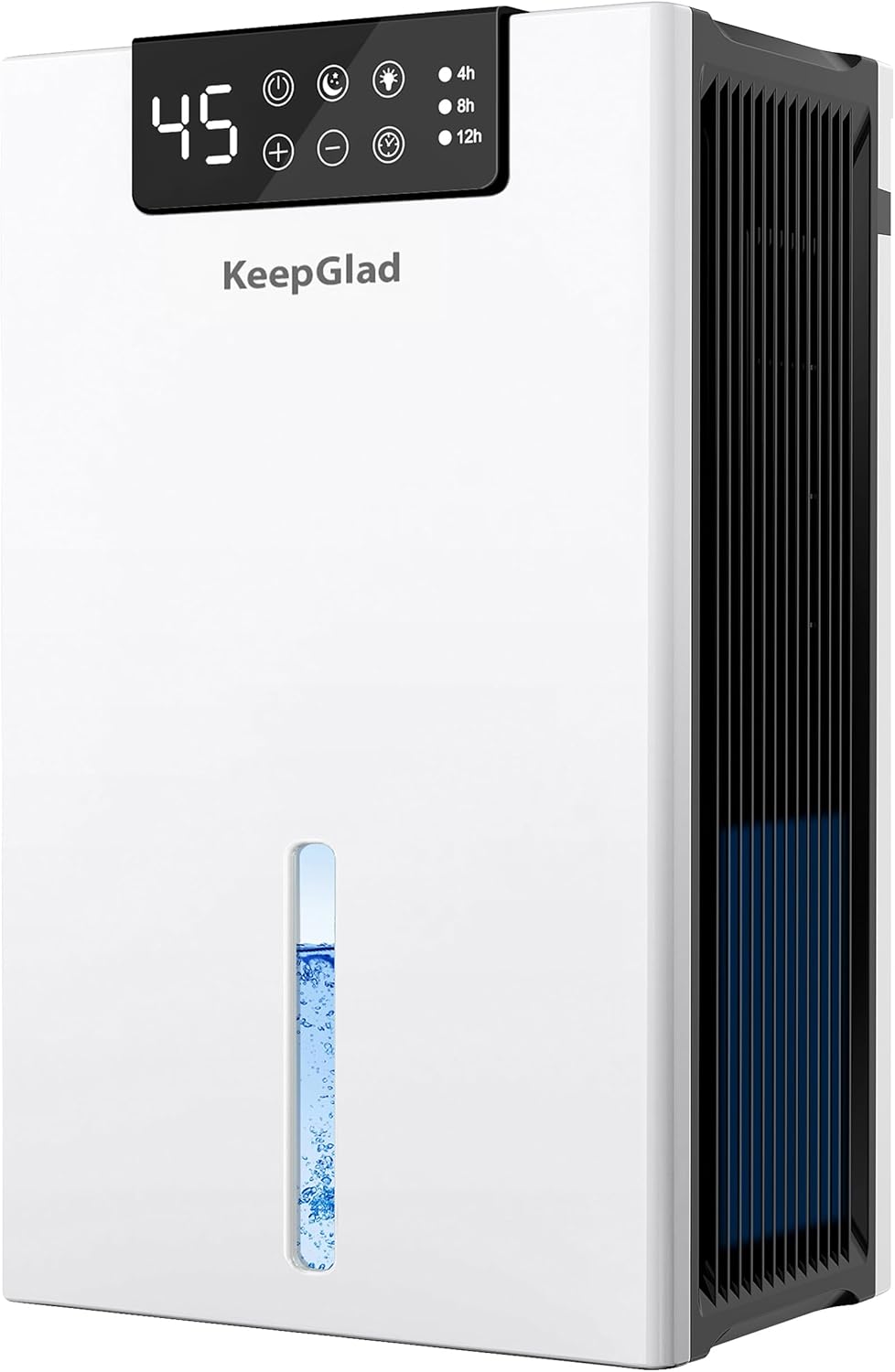
What to Look for When Buying Buying Guide
1. Budget & Price Range
When shopping for a dehumidifier, your budget will play a significant role in determining the features, capacity, and build quality you can expect. Entry-level models typically range from $100 to $200 and are ideal for small spaces like closets, bathrooms, or single rooms under 500 square feet. These units often have basic controls, lower moisture removal rates (measured in pints per day), and may lack advanced features like auto-humidistats or continuous drainage options.
Mid-range dehumidifiers, priced between $200 and $400, offer better performance and durability. They’re suitable for medium-sized areas such as basements, garages, or large living rooms. Look for models with higher pint-per-day ratings (30–50 pints), built-in humidistats, and energy-efficient operation. Many in this range also include features like washable filters, digital displays, and quiet operation—important if the unit will be running in a bedroom or home office.
Premium models ($400–$700) are built for heavy-duty use and larger spaces. They often come with smart controls, Wi-Fi connectivity, and compatibility with home automation systems. These units are ideal for high-humidity environments like finished basements, crawl spaces, or homes in tropical climates. At the top end, whole-house dehumidifiers can cost $1,000 or more and are professionally installed to work alongside your HVAC system, providing consistent humidity control throughout the entire home.
While it’s tempting to go for the cheapest option, remember that a dehumidifier is a long-term investment. A low-cost model may save you money upfront but could cost more in energy bills, frequent repairs, or early replacement. Conversely, overspending on a high-capacity unit for a small space leads to inefficiency and unnecessary expense. The key is to match your budget to your actual needs—consider room size, humidity levels, and how often the unit will run.
2. Performance Specifications
Performance specs are the backbone of any dehumidifier purchase. The most critical metric is the pint-per-day (PPD) rating, which indicates how much moisture the unit can remove in 24 hours under standard conditions (typically 60% relative humidity at 80°F). For example, a 30-pint dehumidifier is suitable for a moderately damp 1,000-square-foot basement, while a 50-pint model is better for larger or wetter spaces.
Another key spec is the operating temperature range. Most residential dehumidifiers work best between 65°F and 80°F. If you’re placing the unit in an unheated basement or garage that drops below 60°F, you’ll need a cold-climate model designed to function efficiently in lower temperatures. These units use specialized compressors and defrost systems to prevent ice buildup on the coils.
Airflow rate, measured in cubic feet per minute (CFM), also matters. Higher CFM means the unit can circulate and dehumidify air more quickly. Look for models with adjustable fan speeds—this allows you to balance noise levels and performance. Additionally, check the tank size. A larger tank (2–3 gallons) means less frequent emptying, which is crucial if you don’t want to babysit the unit daily. Alternatively, opt for a model with a built-in pump or continuous drainage hose for hands-off operation.
Energy efficiency is another performance factor. Check the Energy Factor (EF), which measures liters of water removed per kilowatt-hour of electricity used. A higher EF means better efficiency. ENERGY STAR-certified models typically have an EF of 1.8 or higher. Also, consider the unit’s noise level, especially if it will be placed in a bedroom or living area. Most dehumidifiers operate between 45 and 60 decibels—quieter than a refrigerator but louder than a whisper.
3. Build Quality & Durability
A dehumidifier is a mechanical appliance with moving parts, so build quality directly impacts longevity and reliability. Look for models with sturdy casings made from high-impact plastic or metal, especially if the unit will be placed in a garage, basement, or other high-traffic area. Avoid flimsy plastic that cracks easily or feels cheap to the touch.
Internal components matter just as much. High-quality compressors, copper coils, and sealed bearings are signs of a well-built unit. Copper is preferred over aluminum because it’s more resistant to corrosion—a major issue in humid environments. Also, check the warranty. A longer warranty (3–5 years) often indicates the manufacturer has confidence in the product’s durability. Some brands even offer extended warranties for specific components like the compressor.
Sealed systems are another durability feature to look for. These prevent dust, debris, and moisture from entering the internal electronics, reducing the risk of malfunction. If you’re placing the dehumidifier in a dusty basement or crawl space, a sealed system is a must. Additionally, consider the filter type. Washable, reusable filters are more cost-effective and eco-friendly than disposable ones, and they’re easier to maintain.
Finally, think about portability. If you plan to move the unit between rooms or store it during dry seasons, look for models with built-in handles and casters. A lightweight design (under 40 pounds) makes relocation easier, but don’t sacrifice stability for convenience—tall, narrow units can tip over if not secured properly.
4. Features & Functionality
Modern dehumidifiers come packed with features that enhance convenience, efficiency, and control. One of the most important is the built-in humidistat, which allows you to set your desired humidity level (ideally between 30% and 50%). The unit will then cycle on and off automatically to maintain that level, saving energy and preventing over-drying.
Auto-defrost is essential for cold environments. If the coils freeze, the dehumidifier stops working. Auto-defrost systems detect ice buildup and temporarily switch to heating mode to melt it, ensuring continuous operation even in chilly basements. Similarly, auto-restart is useful during power outages—the unit will resume its previous settings once power is restored.
Continuous drainage is a game-changer for hands-off operation. Instead of manually emptying a tank, you can connect a hose to the unit and direct water into a floor drain, utility sink, or sump pump. This is especially useful in basements or crawl spaces where access is limited. Some models even include a built-in pump that can push water vertically (up to 15 feet), making drainage possible even when the drain is above the unit.
Smart features are becoming increasingly common. Wi-Fi-enabled dehumidifiers let you monitor and control humidity levels via a smartphone app. You can receive alerts when the tank is full, adjust settings remotely, or integrate the unit with smart home systems like Alexa or Google Home. While not essential, these features add convenience and peace of mind.
Other useful features include a timer (to run the unit during off-peak hours), a filter indicator (to remind you when to clean), and a quiet mode (for nighttime use). Some high-end models even have air purification functions, combining dehumidification with HEPA or activated carbon filters to improve indoor air quality.
5. Brand Reputation
When it comes to appliances, brand reputation matters. Established brands like Frigidaire, Honeywell, GE, and AprilAire have decades of experience and a track record of reliability. They invest in research and development, offer better customer support, and often have wider service networks. Buying from a reputable brand reduces the risk of defects, ensures access to replacement parts, and increases the likelihood of a smooth warranty process.
That said, newer or lesser-known brands can offer excellent value, especially in the mid-range segment. Brands like hOmeLabs, Eva-Dry, and Ivation have gained popularity for delivering high-performance dehumidifiers at competitive prices. However, do your homework—check customer reviews, third-party testing results, and return policies before committing.
Pay attention to how the brand handles customer service. A company that responds quickly to inquiries, offers clear troubleshooting guides, and honors warranties promptly is worth its weight in gold. Look for brands with U.S.-based support teams and online resources like FAQs, video tutorials, and user manuals.
Also, consider the availability of replacement parts and accessories. A dehumidifier with proprietary filters or hard-to-find components can become a money pit if something breaks. Choose brands that sell filters, hoses, and other parts directly or through major retailers.
6. Warranty & Support
A solid warranty is a strong indicator of a manufacturer’s confidence in their product. Most dehumidifiers come with a standard 1-year limited warranty covering parts and labor. However, premium models often include extended warranties—up to 5 years—especially on critical components like the compressor.
Read the fine print. Some warranties are voided if the unit is used in commercial settings, moved frequently, or not maintained properly (e.g., failing to clean the filter). Others may require registration within 30 days of purchase to be valid. Keep your receipt and register the product online to ensure full coverage.
Customer support is just as important as the warranty itself. A good support team can help you troubleshoot issues, locate service centers, and expedite repairs. Look for brands that offer multiple contact methods—phone, email, live chat—and have extended support hours. Some even provide remote diagnostics for smart models.
If you’re buying online, check the return policy. Most retailers offer 30-day returns, but some charge restocking fees or require the original packaging. Make sure you understand the terms before purchasing, especially if you’re ordering a large or heavy unit.
7. Size & Portability
The physical size of the dehumidifier affects both placement and performance. Larger units typically have higher capacity and better airflow but may be too bulky for small spaces. Measure the area where you plan to place the unit—ensure there’s at least 6–12 inches of clearance on all sides for proper air circulation.
Portability is crucial if you plan to move the unit between rooms or store it seasonally. Look for models with integrated handles and smooth-rolling casters. A weight under 40 pounds is manageable for most adults, but heavier units may require two people to lift. Some models come with a carrying handle on top, while others have recessed grips on the sides.
Consider the power cord length. A short cord (under 6 feet) may require an extension, which can be a tripping hazard or reduce efficiency. Ideally, choose a unit with a 6–8 foot cord that reaches your nearest outlet without stretching.
Also, think about storage. If you’ll only use the dehumidifier during humid months, choose a model that’s easy to disassemble or store upright. Some units come with a storage bag or cover to protect them from dust when not in use.
8. User Reviews & Ratings
User reviews are one of the most valuable resources when shopping for a dehumidifier. They provide real-world insights into performance, reliability, and ease of use that specs alone can’t convey. Look for patterns in reviews—if multiple users mention the same issue (e.g., loud operation, frequent tank overflows), it’s likely a genuine flaw.
Pay attention to verified purchase reviews, as they’re more likely to be authentic. Check both positive and negative feedback. A 4.5-star average with 1,000+ reviews is generally more trustworthy than a 5-star rating with only a handful of comments.
Use review platforms like Amazon, Home Depot, or Consumer Reports to compare models. Look for detailed reviews that mention specific use cases—e.g., “worked great in my 1,200 sq ft basement” or “quiet enough for my bedroom.” These details help you assess whether the unit is a good fit for your needs.
Also, watch for reviews that mention long-term performance. A dehumidifier that works well for the first few months but fails after a year is a red flag. Brands with consistently high ratings over time are usually safer bets.
Different Types of Buying Guide

Common Buying Mistakes to Avoid
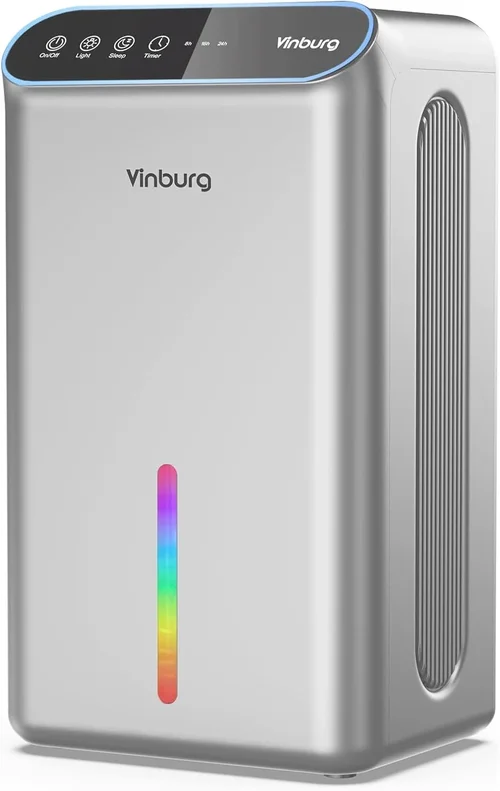
❌ Mistake: Placing the Dehumidifier in a Corner or Against a Wall
Why it’s bad: Dehumidifiers need proper airflow to function efficiently. When placed in a corner or flush against a wall, the intake and exhaust vents become blocked, reducing air circulation and forcing the unit to work harder. This leads to higher energy consumption, reduced moisture removal, and premature wear on the compressor.
What to do instead: Always leave at least 6–12 inches of clearance on all sides of the unit. Position it in an open area where air can flow freely. If space is limited, consider a wall-mounted or ceiling-mounted model designed for tight spaces.
❌ Mistake: Ignoring Room Size and Humidity Levels
Why it’s bad: A dehumidifier that’s too small for the space will run constantly without making a dent in humidity. Conversely, an oversized unit will cycle on and off too frequently, wasting energy and failing to maintain consistent humidity levels.
What to do instead: Measure your room’s square footage and assess the humidity level. Use a hygrometer to check relative humidity—ideally, it should be between 30% and 50%. Choose a unit with a pint-per-day rating appropriate for your space: 20–30 pints for small rooms, 30–50 for basements, and 50+ for large or very damp areas.
❌ Mistake: Forgetting About Drainage
Why it’s bad: Most dehumidifiers have a water tank that needs to be emptied regularly. If you forget or are away from home, the tank can overflow, causing water damage and shutting off the unit.
What to do instead: Opt for a model with continuous drainage or a built-in pump. Connect a hose to direct water to a floor drain, utility sink, or sump pump. This eliminates the need for manual emptying and ensures uninterrupted operation.
❌ Mistake: Running the Dehumidifier in the Wrong Season
Why it’s bad: Running a dehumidifier in dry winter months can over-dry the air, leading to dry skin, irritated sinuses, and static electricity. It also wastes energy and shortens the unit’s lifespan.
What to do instead: Use a hygrometer to monitor humidity levels year-round. Only run the dehumidifier when humidity exceeds 50%. In winter, consider using a humidifier instead to add moisture to dry indoor air.
❌ Mistake: Neglecting Maintenance
Why it’s bad: A dirty filter or clogged coils reduce efficiency, increase energy use, and can lead to mold growth inside the unit. Over time, this can cause mechanical failure and void the warranty.
What to do instead: Clean the filter every 2–4 weeks and inspect the coils for dust or debris. Wipe down the exterior and empty the tank regularly. Follow the manufacturer’s maintenance schedule to keep the unit running smoothly.
❌ Mistake: Buying Based Solely on Price
Why it’s bad: The cheapest dehumidifier may seem like a bargain, but it often lacks durability, efficiency, and essential features. You may end up replacing it within a year, costing more in the long run.
What to do instead: Focus on value, not just price. Consider energy efficiency, warranty, build quality, and long-term operating costs. A mid-range model with good reviews and a solid warranty often offers the best return on investment.
❌ Mistake: Placing the Unit Near Heat Sources or Drafts
Why it’s bad: Heat sources like radiators, ovens, or direct sunlight can cause the dehumidifier to overheat or misread humidity levels. Drafts from windows or doors can introduce moist air, counteracting the unit’s efforts.
What to do instead: Place the dehumidifier away from heat sources, open windows, and exterior doors. Choose a central location that represents the average humidity of the space. Avoid placing it near laundry areas or kitchens unless it’s specifically designed for high-moisture zones.
Budget Guidelines: How Much Should You Spend?
Entry-Level ($100–$200): These models are best for small spaces like bathrooms, closets, or single rooms under 500 square feet. Expect basic controls, lower moisture removal (20–30 pints/day), and smaller tanks. They’re energy-efficient but may lack advanced features like auto-humidistats or continuous drainage. Ideal for occasional use or mild humidity issues.
Mid-Range ($200–$400): This is the sweet spot for most homeowners. These dehumidifiers offer strong performance (30–50 pints/day), digital controls, built-in humidistats, and quiet operation. Many include washable filters, auto-defrost, and continuous drainage options. Perfect for basements, garages, or large living areas. ENERGY STAR models in this range provide excellent long-term savings.
Premium ($400–$700): Designed for heavy-duty use, these units handle large or very damp spaces with ease. Features often include smart controls, Wi-Fi connectivity, high-capacity tanks, and powerful pumps for vertical drainage. Ideal for finished basements, crawl spaces, or homes in humid climates. Built to last 7–10 years with proper maintenance.
Luxury ($700+): These are top-tier systems, including whole-house dehumidifiers that integrate with HVAC systems. They provide consistent humidity control throughout the entire home and are professionally installed. Best for large homes, high-end properties, or regions with extreme humidity. While expensive upfront, they offer unmatched convenience and air quality.
Expert Tips for Getting the Best Deal
- Buy During Off-Peak Seasons: Dehumidifiers are in highest demand during summer. Shop in fall or winter for better prices and discounts. Many retailers clear out inventory before the humid season begins.
- Compare Online and In-Store Prices: Check major retailers like Home Depot, Lowe’s, Amazon, and Costco. Online stores often have lower prices and exclusive deals, but in-store purchases allow you to inspect the unit before buying.
- Look for Bundle Deals: Some retailers offer discounts when you buy a dehumidifier with a humidifier, air purifier, or smart thermostat. These bundles can save you 10–20% off individual prices.
- Check for Rebates and Incentives: Utility companies and government programs sometimes offer rebates for ENERGY STAR appliances. Visit the ENERGY STAR website to find current incentives in your area.
- Read the Return Policy: Ensure the retailer offers a 30-day return window with no restocking fees. This gives you time to test the unit and confirm it meets your needs.
- Test Before Committing: If possible, run the dehumidifier for a few days in your intended location. Monitor humidity levels, noise, and ease of use. Return it if it doesn’t perform as expected.
- Consider Refurbished Models: Certified refurbished dehumidifiers from reputable brands often come with warranties and sell for 20–40% less than new units. They’re a great way to save without sacrificing quality.
- Register for Warranty Immediately: Some manufacturers require registration within 30 days to activate the warranty. Do this as soon as you unbox the unit to avoid issues later.

Frequently Asked Questions
Q: Where is the best place to put a dehumidifier in a house?
A: The best place is in the area with the highest humidity, such as a basement, crawl space, or laundry room. Position it centrally with 6–12 inches of clearance on all sides for proper airflow. Avoid corners, closets, or near heat sources.
Q: Can I run a dehumidifier 24/7?
A: Yes, but only if humidity levels remain high. Most modern units are designed for continuous operation. Use a built-in humidistat to automate cycling and save energy. Avoid running it in dry conditions to prevent over-drying.
Q: How often should I empty the water tank?
A: It depends on the tank size and humidity level. Small tanks (1–2 gallons) may need emptying daily, while larger ones (3+ gallons) can last several days. For convenience, use continuous drainage or a built-in pump.
Q: Do dehumidifiers use a lot of electricity?
A: It varies by model and usage. ENERGY STAR-certified units use 30% less energy than standard models. A typical 30-pint dehumidifier uses about 300–500 watts. Running it 8 hours a day may cost $10–$20 per month, depending on local electricity rates.
Q: Can a dehumidifier help with mold?
A: Yes, by reducing moisture, it prevents mold growth. However, it won’t remove existing mold. Clean visible mold with a bleach solution and fix the source of moisture (e.g., leaks, poor ventilation) for long-term prevention.
Q: Should I close doors and windows when using a dehumidifier?
A: Yes, for best results. Closing doors and windows prevents humid outdoor air from entering, allowing the unit to work more efficiently. In whole-house systems, this is less critical since they manage air throughout the home.
Q: Can I place a dehumidifier on carpet?
A: Yes, but ensure the unit has a stable base and the intake vents aren’t blocked. Use a mat or platform if the carpet is thick. Avoid placing it on wet or damp carpet to prevent water damage.
Q: How do I know if my dehumidifier is working properly?
A: Check the humidity level with a hygrometer. If it’s not dropping, inspect the filter, coils, and drainage. Listen for unusual noises or vibrations. A well-functioning unit should run quietly and remove moisture consistently.
Q: Can I use a dehumidifier in a crawl space?
A: Yes, but choose a model designed for crawl spaces—typically compact, sealed, and with a pump for drainage. Ensure it’s protected from debris and has a long power cord or hardwired installation.
Q: What’s the ideal humidity level for a home?
A: Between 30% and 50%. Levels above 50% promote mold and dust mites, while below 30% can cause dry skin and respiratory irritation. Use a hygrometer to monitor and adjust as needed.
Our Final Recommendations
Best for Budget-Conscious Buyers: hOmeLabs 30-Pint Dehumidifier – Offers excellent performance, quiet operation, and a washable filter at an affordable price. Ideal for small to medium rooms.
Best Overall Value: Frigidaire FFAD5033W1 50-Pint Dehumidifier – High capacity, ENERGY STAR certified, with continuous drainage and auto-humidistat. Perfect for basements and large spaces.
Best Premium Option: AprilAire E080 Pro – A whole-house dehumidifier that integrates with HVAC systems for consistent humidity control. Ideal for large homes in humid climates.
Best for Beginners: Eva-Dry EDV-1100 – Compact, easy to use, and affordable. Great for closets, bathrooms, or RVs. Simple setup and reliable performance.
Best for Advanced Users: AprilAire E130C – Smart, Wi-Fi-enabled, and designed for professional-grade humidity management. Includes remote monitoring and advanced diagnostics.
Conclusion: Making the Right Choice
Choosing the best place to put a dehumidifier is just as important as selecting the right model. Proper placement ensures maximum efficiency, extends the unit’s lifespan, and delivers the comfort and air quality you’re looking for. From understanding performance specs and build quality to avoiding common mistakes and leveraging expert tips, this guide equips you with everything you need to make a smart, informed decision.
Remember, the goal isn’t just to buy a dehumidifier—it’s to solve a problem. Whether you’re battling basement dampness, protecting your home from mold, or improving indoor air quality, the right placement and the right unit can make all the difference. Prioritize your needs, consider your budget, and don’t overlook the importance of maintenance and smart features.
Take the time to assess your space, read reviews, and compare options. A well-placed dehumidifier isn’t just an appliance—it’s an investment in your home’s health and your family’s well-being. With the insights from this guide, you’re ready to breathe easier and live better.