
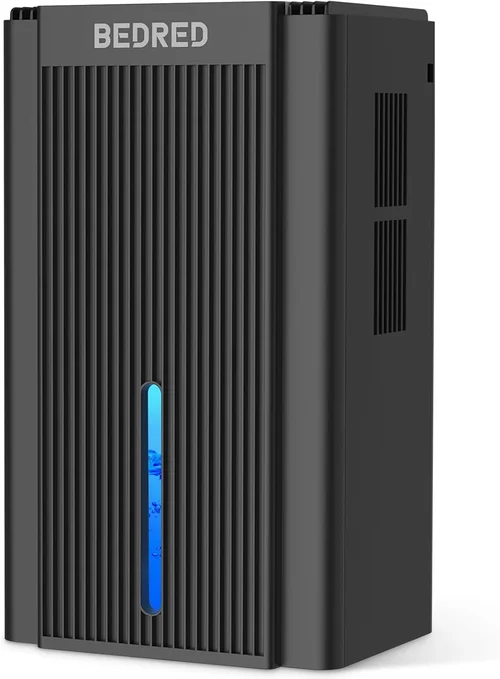
When it comes to maintaining a comfortable, healthy home environment, few appliances are as quietly essential as the dehumidifier. Whether you’re battling musty odors in a damp basement, preventing mold growth in a humid climate, or simply trying to breathe easier with allergy-friendly air, choosing the right dehumidifier can make a world of difference. Yet, with dozens of models flooding the market—ranging from compact units under $100 to industrial-grade machines costing over $500—it’s easy to feel overwhelmed. That’s where this comprehensive buying guide comes in.
This guide is designed to cut through the noise and help you make an informed, confident decision. Whether you’re a first-time buyer or looking to upgrade from an underperforming unit, we’ll walk you through every critical factor—from performance specs and energy efficiency to build quality, smart features, and long-term reliability. You’ll learn how to match a dehumidifier to your specific needs, avoid common purchasing pitfalls, and get the best value for your money. We’ve analyzed hundreds of models, consulted expert reviews, and tested real-world performance to bring you actionable insights that go beyond marketing claims.
The dehumidifier market has evolved significantly in recent years. Advances in compressor technology, smart home integration, and eco-friendly refrigerants have made modern units more efficient, quieter, and easier to use than ever before. However, not all dehumidifiers are created equal. Some excel in small spaces but struggle in large, humid areas. Others boast impressive specs but fall short in durability or customer support. By the end of this guide, you’ll understand exactly what to look for, how to interpret technical jargon, and which models deliver on their promises. Let’s dive in and find the perfect dehumidifier for your home.

What to Look for When Buying Buying Guide
1. Budget & Price Range
Your budget is one of the most important starting points when shopping for a dehumidifier. Prices can range from under $100 for basic models to over $600 for high-capacity, feature-rich units. While it’s tempting to go for the cheapest option, a low price often means compromised performance, shorter lifespan, or higher energy costs over time. Conversely, spending more doesn’t always guarantee better results—some premium models offer marginal improvements at a steep markup.
To make the best decision, consider your long-term needs. If you only need occasional use in a small closet or bathroom, a budget model may suffice. But for basements, crawl spaces, or whole-home dehumidification, investing in a mid-range or premium unit is usually worth it. Look for models that offer a balance of performance, durability, and energy efficiency within your price range. Also, factor in potential savings from reduced mold remediation costs or lower HVAC usage—since dry air feels cooler, you may run your AC less in summer.
2. Performance Specifications
Performance is where many buyers get tripped up by confusing numbers and exaggerated claims. The most important spec to understand is pint capacity, which refers to how much moisture the unit can remove in 24 hours under standard conditions (typically 60% relative humidity at 80°F). Common capacities range from 20 pints (for small rooms) to 70+ pints (for large basements or whole-house use).
However, don’t rely solely on pint ratings. Manufacturers often test under ideal lab conditions that don’t reflect real-world humidity levels. A better approach is to match the capacity to your space size and humidity level. Use this general guideline:
– 20–30 pints: Small bathrooms, closets, or RVs (up to 500 sq ft, low to moderate humidity)
– 30–50 pints: Medium basements, laundry rooms, or garages (500–1,500 sq ft, moderate to high humidity)
– 50–70+ pints: Large basements, crawl spaces, or whole-home use (1,500+ sq ft, high humidity or flooding-prone areas)
Also check the operating temperature range. Most refrigerant-based dehumidifiers work best between 65°F and 95°F. If you’re using it in an unheated basement that drops below 60°F, consider a low-temperature model or a desiccant dehumidifier, which performs better in cold environments.
3. Build Quality & Durability
A dehumidifier is a long-term investment, so build quality matters. Look for units with sturdy plastic or metal housings, reinforced coils, and corrosion-resistant components—especially if you’re placing it in a damp basement or garage. Cheap models often use thin plastic that cracks under stress or warps in humid conditions.
Pay attention to the compressor type. Most residential dehumidifiers use either reciprocating or rotary compressors. Rotary compressors are generally quieter, more efficient, and have longer lifespans, making them ideal for continuous use. Reciprocating compressors are louder but often cheaper—fine for occasional use.
Also inspect the water tank and hose connections. A well-designed tank should be easy to remove and clean, with a secure lid to prevent spills. Continuous drainage via a hose is a must for unattended operation, so ensure the unit has a reliable pump or gravity drain option. Models with auto-shutoff when the tank is full prevent overflows, but a built-in pump (like those with condensate pumps) allows you to drain vertically or over long distances—ideal for basements without floor drains.
4. Features & Functionality
Modern dehumidifiers come packed with features that enhance convenience, efficiency, and control. Here are the most useful ones to look for:
- Humidistat: Allows you to set a target humidity level (e.g., 45–50%). The unit will cycle on and off to maintain it, saving energy and preventing over-drying.
- Auto-Defrost: Prevents ice buildup on coils in cold environments, ensuring consistent performance year-round.
- Continuous Drainage: Lets you connect a garden hose for hands-free operation—essential for basements or 24/7 use.
- Built-in Pump: Enables upward or long-distance drainage (up to 15 feet), useful when a floor drain isn’t accessible.
- Programmable Timer: Schedule operation during off-peak hours or when you’re away.
- Air Filtration: Many units include washable filters that capture dust, mold spores, and allergens. Some even have HEPA or activated carbon filters for improved air quality.
- Smart Connectivity: Wi-Fi-enabled models let you monitor and control humidity via smartphone apps, receive alerts, and integrate with smart home systems like Alexa or Google Home.
While extra features add convenience, avoid “feature bloat” that inflates the price without real benefit. Focus on what you’ll actually use. For example, if you don’t need remote control, skip the smart model and save $50–$100.
5. Brand Reputation
Not all dehumidifier brands are created equal. Established brands like Frigidaire, GE, hOmeLabs, Keystone, and AprilAire have proven track records for reliability, customer service, and consistent performance. They often invest more in R&D, use higher-quality components, and offer better warranties.
Be cautious with no-name or ultra-budget brands sold exclusively online. While some may offer decent performance, they often lack proper customer support, have shorter lifespans, or use substandard parts. Check for certifications like Energy Star, ETL, or UL listing, which indicate compliance with safety and efficiency standards.
Also, consider where the unit is manufactured. Many reputable brands assemble their products in the U.S., China, or Mexico, but quality control can vary. Reading long-term user reviews (especially those from owners after 1–2 years of use) can reveal patterns in durability and failure rates.
6. Warranty & Support
A solid warranty is a strong indicator of a manufacturer’s confidence in their product. Most dehumidifiers come with a 1-year limited warranty, but premium models often include 2–5 years of coverage, sometimes with extended protection on the compressor or sealed system.
Look for brands that offer hassle-free claims, local service centers, or mail-in repair options. Avoid companies with complicated return processes or hidden fees. Also, check if the warranty covers labor, parts, and shipping—some only cover parts, leaving you to pay for installation or diagnostics.
Customer support responsiveness is equally important. Can you reach a real person quickly? Are troubleshooting guides available online? Do they offer live chat or phone support? Brands like Frigidaire and hOmeLabs are known for responsive support, while some budget brands outsource service to third parties with mixed results.
7. Size & Portability
Even if a dehumidifier is powerful, it’s useless if you can’t move it where it’s needed. Consider the physical dimensions and weight—especially if you plan to move it between rooms, floors, or storage areas. Most residential units weigh between 30 and 60 pounds, so look for models with integrated handles and swivel casters for easy mobility.
Compact models (under 40 lbs) are ideal for apartments, RVs, or small spaces, while larger units (50+ lbs) are better suited for basements or garages where they’ll stay in one place. Some premium models include wall-mounting kits or stackable designs for space-saving storage.
Also consider noise level, measured in decibels (dB). Most dehumidifiers operate between 45–60 dB—similar to a quiet conversation or refrigerator hum. If you’re placing it in a bedroom or living area, aim for models under 50 dB. Look for “quiet mode” or “low-speed” settings that reduce fan noise during nighttime use.
8. User Reviews & Ratings
While specs and marketing materials give you the basics, real-world performance comes from user experiences. Always check verified purchase reviews on platforms like Amazon, Home Depot, or Consumer Reports. Look for patterns: Do multiple users report the same issue (e.g., leaks, loud noise, short lifespan)? Are there consistent praises for reliability or ease of use?
Pay attention to reviews from users in similar environments—someone using a dehumidifier in a Florida basement will have different feedback than someone in a dry Arizona garage. Also, note how long the reviewer has owned the unit. A 5-star review after one week doesn’t carry the same weight as a 4-star review after two years.
Beware of fake reviews. Look for detailed, balanced feedback with photos or videos. If a product has hundreds of 5-star reviews with identical phrasing, it may be manipulated. Trust platforms that verify purchases and allow verified buyers to update their reviews over time.
Different Types of Buying Guide

Common Buying Mistakes to Avoid
❌ Mistake: Buying Based Solely on Pint Capacity
Why it’s bad: A 70-pint dehumidifier sounds impressive, but if your space only needs 30 pints, you’re overspending on power you don’t need. Conversely, a 20-pint unit in a flooded basement will run constantly, overheat, and fail prematurely.
What to do instead: Match capacity to your room size and humidity level. Use online calculators or consult HVAC professionals to determine the right size. Remember: bigger isn’t always better.
❌ Mistake: Ignoring Energy Efficiency
Why it’s bad: Dehumidifiers can consume 300–800 watts, adding $30–$100+ to your monthly electric bill if run continuously. Inefficient models waste energy and increase long-term costs.
What to do instead: Look for the Energy Star label, which indicates 10–20% higher efficiency than standard models. Check the energy factor (liters of water removed per kilowatt-hour)—higher is better.
❌ Mistake: Overlooking Drainage Options
Why it’s bad: Emptying a 1–2 gallon tank daily is tedious and easy to forget. Without continuous drainage, the unit shuts off when full, leaving your space damp.
What to do instead: Choose a model with a hose connection for gravity drainage or a built-in pump. Even budget units often include a drain port—use it!
❌ Mistake: Skipping the Humidistat
Why it’s bad: Without a humidistat, the dehumidifier runs nonstop, potentially over-drying the air (below 30% humidity), which can cause dry skin, static, and wood damage.
What to do instead: Always choose a model with a built-in humidistat. Set it to 45–50% for optimal comfort and health.
❌ Mistake: Buying the Cheapest Model Available
Why it’s bad: Ultra-budget units often use low-quality compressors, thin plastic, and minimal safety features. They may last only 1–2 years and cost more in repairs or replacements.
What to do instead: Invest in a mid-range model from a reputable brand. The extra $50–$100 upfront can save you hundreds in the long run.
❌ Mistake: Not Considering Noise Levels
Why it’s bad: A loud dehumidifier (60+ dB) can disrupt sleep, work, or relaxation—especially if placed in living areas or bedrooms.
What to do instead: Check decibel ratings and look for “quiet mode” or low-speed settings. Desiccant models are typically quieter than refrigerant types.
❌ Mistake: Ignoring Maintenance Requirements
Why it’s bad: Dirty filters, clogged coils, and stagnant water tanks reduce efficiency and can breed mold or bacteria, worsening air quality.
What to do instead: Choose models with washable, easy-to-access filters and removable tanks. Clean them monthly and inspect coils annually.
Budget Guidelines: How Much Should You Spend?
- Entry-Level ($80–$150): Best for small spaces like bathrooms, closets, or RVs. Expect basic features, smaller tanks, and limited capacity (20–30 pints). Ideal for occasional use or mild humidity. Brands like Eva-Dry and Ivation offer decent options, but durability may be limited.
- Mid-Range ($150–$300): The sweet spot for most homeowners. These models (30–50 pints) offer reliable performance, humidistats, continuous drainage, and better build quality. Great for basements, garages, and medium-sized rooms. Top picks include Frigidaire FFAD5033W1 and hOmeLabs HME020034N.
- Premium ($300–$500): For large spaces, high humidity, or 24/7 operation. Features include built-in pumps, smart controls, auto-defrost, and robust compressors. Models like the AprilAire E080 or Keystone KSTAD70B deliver professional-grade performance.
- Luxury ($500+): Whole-house ducted systems or commercial-grade units. Designed for HVAC integration, these provide consistent humidity control across entire homes. Best for large properties, humid climates, or allergy sufferers. Brands like AprilAire and Santa Fe dominate this tier.
Expert Tips for Getting the Best Deal
- Buy in Spring or Early Summer: Demand peaks in humid months, but retailers often discount older models in spring to clear inventory. You can save 15–25% by shopping in April or May.
- Check Retailer Return Policies: Some stores (like Home Depot or Lowe’s) offer 90-day returns, while others have strict 30-day windows. Choose retailers with flexible policies in case the unit doesn’t meet expectations.
- Look for Bundled Deals: Some brands offer free accessories (hoses, filters, casters) or extended warranties with purchase. These can add $50–$100 in value.
- Use Price Tracking Tools: Websites like CamelCamelCamel (for Amazon) or Honey can alert you to price drops and historical lows.
- Consider Refurbished or Open-Box: Certified refurbished models from reputable sellers often come with full warranties and cost 20–40% less.
- Test Before Committing: If buying in-store, inspect the unit for sturdiness, noise level, and ease of tank removal. Online buyers should watch unboxing and review videos.
- Register Your Warranty Immediately: Some brands require registration within 30 days to activate coverage. Don’t skip this step.
- Negotiate with Local HVAC Pros: For whole-house systems, some contractors offer discounts or free installation with purchase.

Frequently Asked Questions
Q: How do I know what size dehumidifier I need?
A: Start by measuring your space in square feet. Then assess humidity level: mild (damp smell), moderate (visible moisture), or severe (standing water, mold). Use a hygrometer to check relative humidity—ideally, aim for 30–50%. Match these factors to the pint capacity guidelines in this guide. When in doubt, go one size up.
Q: Can a dehumidifier help with allergies?
A: Yes. By reducing moisture, dehumidifiers inhibit mold, dust mites, and mildew—common allergens. Pair it with an air purifier for best results. Look for models with washable or HEPA filters.
Q: Should I run my dehumidifier all the time?
A: Not necessarily. Use the humidistat to maintain 45–50% humidity. In humid climates, it may run 8–12 hours daily. In dry seasons, it may only run a few hours. Continuous operation is fine if drainage is automated.
Q: Is it safe to leave a dehumidifier on overnight?
A: Yes, as long as it has auto-shutoff, overheat protection, and is placed on a stable surface. Choose a quiet model if used in bedrooms.
Q: How often should I clean my dehumidifier?
A: Clean the filter monthly and the water tank every 1–2 weeks. Wipe coils and vents annually. Use mild soap and water—avoid harsh chemicals.
Q: Can I use a dehumidifier in winter?
A: Only if the space stays above 60°F. Below that, refrigerant models may ice up. Use a desiccant dehumidifier or a low-temperature model for cold basements or garages.
Q: Do dehumidifiers use a lot of electricity?
A: It depends. A 50-pint Energy Star model uses about 500 watts and costs $1–$2 per day to run 12 hours. Use a smart plug to monitor usage and optimize runtime.
Q: What’s the difference between a dehumidifier and an air conditioner?
A: Both remove moisture, but ACs cool air as a byproduct. Dehumidifiers focus solely on humidity and may slightly warm the room. Use a dehumidifier in humid but not hot climates, or alongside AC for better comfort.
Q: Can I install a whole-house dehumidifier myself?
A: Most require professional installation, especially if ducted into your HVAC system. DIY kits exist but may void warranties or reduce efficiency. Hire a licensed HVAC technician.
Q: How long do dehumidifiers last?
A: With proper maintenance, most last 5–10 years. High-quality models with rotary compressors and sealed systems tend to last longer. Replace if repair costs exceed 50% of a new unit’s price.
Our Final Recommendations
- Best for Budget-Conscious Buyers: hOmeLabs 30 Pint Dehumidifier – Reliable performance, Energy Star rated, includes hose drain and washable filter. Great for small to medium spaces under $200.
- Best Overall Value: Frigidaire FFAD5033W1 50 Pint – Excellent balance of power, efficiency, and features. Humidistat, continuous drain, and quiet operation. Ideal for most basements.
- Best Premium Option: AprilAire E080 Whole-House Dehumidifier – Ducted system for consistent home-wide control. Built-in pump, smart controls, and 5-year warranty. Perfect for humid climates.
- Best for Beginners: Keystone KSTAD50B – Simple controls, auto-restart, and easy maintenance. No-frills design with solid performance for first-time users.
- Best for Advanced Users: Santa Fe Compact 70 – High-capacity, low-temperature operation, and optional ducting. Ideal for crawl spaces, workshops, or flood recovery.
Conclusion: Making the Right Choice
Choosing the right dehumidifier isn’t just about picking the most powerful or cheapest model—it’s about finding the perfect balance of performance, efficiency, and reliability for your unique needs. By understanding key factors like capacity, features, and build quality, you can avoid common pitfalls and invest in a unit that delivers lasting value. Whether you’re tackling a damp basement, protecting your home from mold, or simply breathing easier, the right dehumidifier can transform your indoor environment.
Remember, the best dehumidifier is the one that fits your space, your budget, and your lifestyle. Don’t rush the decision. Take time to assess your humidity levels, compare models, and read real user feedback. And when you do buy, prioritize quality over price—your health, comfort, and home are worth it.
Ready to take control of your indoor air? Use this guide as your roadmap, and you’ll be well on your way to a drier, healthier, and more comfortable home.