
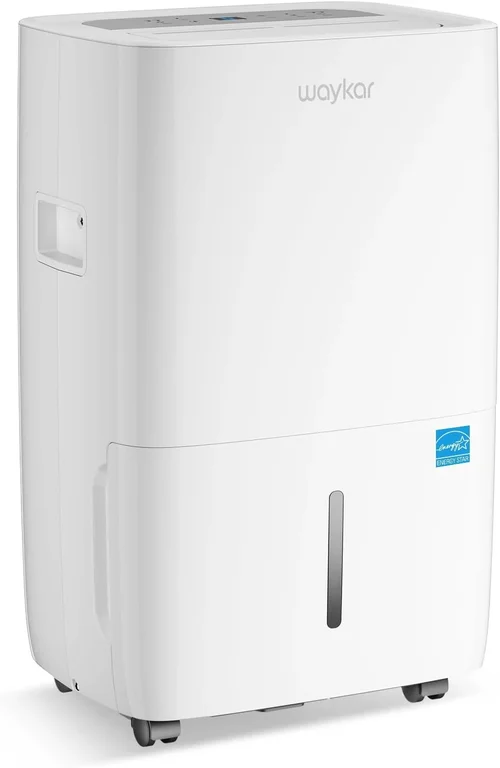
When it comes to maintaining a comfortable, healthy indoor environment, few appliances are as quietly essential as a dehumidifier—especially in large rooms. Whether you’re dealing with a damp basement, a sprawling living area, or a humid garage that doubles as a workshop, excess moisture can lead to mold growth, musty odors, warped wood, and even respiratory discomfort. A high-quality large room dehumidifier doesn’t just improve air quality—it protects your home’s structural integrity and your family’s well-being. Yet, with dozens of models flooding the market, each boasting different capacities, features, and price points, choosing the right one can feel overwhelming. That’s where this guide comes in.
This comprehensive buying guide is designed to cut through the noise and help you make an informed decision tailored to your specific needs. We’ll walk you through every critical factor—from performance specs and energy efficiency to build quality and smart features—so you can confidently select a dehumidifier that delivers reliable results without overspending. You’ll learn how to interpret technical jargon like “pints per day” and “AHAM ratings,” understand the differences between compressor-based and desiccant models, avoid common purchasing pitfalls, and even discover insider tips for getting the best deal. Whether you’re a first-time buyer or upgrading from an older unit, this guide equips you with expert-level knowledge to navigate the crowded marketplace.
The large room dehumidifier segment has evolved significantly in recent years. Once clunky, noisy machines relegated to basements, today’s models are sleeker, smarter, and more efficient than ever. Leading brands like Frigidaire, hOmeLabs, GE, and Midea now offer units capable of handling spaces up to 4,000–5,000 square feet, many with Wi-Fi connectivity, auto-defrost functions, and eco-friendly refrigerants. At the same time, budget-friendly options have improved dramatically, offering solid performance without premium price tags. With such variety, the key isn’t finding the “best” dehumidifier overall—it’s finding the best one for your space, lifestyle, and budget. By the end of this guide, you’ll know exactly what to prioritize.

What to Look for When Buying Buying Guide
1. Capacity & Performance Specifications
Capacity is arguably the most important factor when selecting a large room dehumidifier. It’s typically measured in “pints per day” (PPD)—the amount of moisture the unit can remove from the air in 24 hours under standardized conditions (usually 60% relative humidity at 80°F, as defined by AHAM). For large rooms (generally 1,500 to 4,000+ sq ft), you’ll want a unit rated between 50 and 70 PPD. However, don’t just go by square footage alone. Consider your climate: if you live in a humid coastal region or have a chronically damp basement, opt for a higher-capacity model—even if your room isn’t enormous. Conversely, in moderately humid areas, a 50 PPD unit may suffice for a 2,500 sq ft space.
Also pay attention to the actual vs. advertised capacity. Some manufacturers inflate numbers based on ideal lab conditions that don’t reflect real-world use. Look for AHAM-certified ratings, which ensure consistency across brands. Additionally, check the unit’s operating temperature range. Most compressor-based dehumidifiers struggle below 65°F, making them less effective in unheated basements during winter. If you need year-round performance in cooler spaces, consider a model with auto-defrost or a desiccant dehumidifier (more on those later).
2. Energy Efficiency & Operating Costs
A dehumidifier that runs constantly can spike your electricity bill—especially in large spaces requiring continuous operation. Energy efficiency is measured by the Energy Factor (EF), expressed in liters of water removed per kilowatt-hour (L/kWh). Higher EF values mean more moisture removed per unit of electricity. ENERGY STAR-certified models typically have an EF of 1.75 or higher, making them 15–30% more efficient than standard units.
To estimate annual operating costs, multiply the unit’s wattage by your local electricity rate and average daily runtime. For example, a 500-watt dehumidifier running 10 hours/day at $0.12/kWh costs about $219 per year. An ENERGY STAR model using 350 watts would cost closer to $153—a meaningful saving over time. Don’t overlook this: a slightly higher upfront cost for an efficient unit often pays for itself within a couple of years.
3. Build Quality & Durability
Large room dehumidifiers are long-term investments, so durability matters. Look for robust construction: thick plastic casings, corrosion-resistant coils (especially important in damp environments), and sealed compressor compartments. Internal components like fans, filters, and drainage systems should feel solid, not flimsy. Check user reviews for reports of leaks, motor failures, or premature wear—common issues with cheaper models.
Pay special attention to the water tank and hose connection. A sturdy, well-sealed tank prevents spills, while a reliable continuous drainage port (with included hose or easy attachment) eliminates the need for constant emptying. Units with metal rear panels or reinforced handles tend to withstand bumps and moves better than all-plastic designs. Also consider noise levels: high-quality bearings and balanced fans produce less operational hum, which is crucial if the dehumidifier runs near living areas.
4. Features & Functionality
Modern dehumidifiers come packed with features that enhance convenience and control. Essential functions include adjustable humidity settings (usually via a digital humidistat), auto shut-off when the tank is full, and a washable air filter. For large rooms, look for programmable timers, multiple fan speeds, and a “continuous drain” option—this lets you attach a garden hose for hands-free operation, ideal for basements or unattended spaces.
Smart features are increasingly common. Wi-Fi-enabled models allow remote monitoring and control via smartphone apps, so you can adjust settings or check humidity levels from anywhere. Some even integrate with smart home systems like Alexa or Google Assistant. While not essential, these conveniences can be game-changers for busy households. Other useful extras include a built-in pump for upward drainage (great for elevated discharge points), caster wheels for mobility, and a sleek, low-profile design that blends into your space.
5. Size, Weight & Portability
Even though it’s called a “large room” dehumidifier, physical size still matters—especially if you plan to move it between rooms or store it seasonally. Most units in this category weigh 30–50 pounds and measure roughly 15” x 11” x 24”. Look for models with integrated handles and smooth-rolling casters; dragging a heavy unit across carpet or tile is frustrating and risks damage.
Consider clearance requirements too. Many dehumidifiers need 6–12 inches of space around vents for optimal airflow. If your room has tight corners or low ceilings, measure carefully before buying. Some compact designs sacrifice a bit of capacity for easier placement—a worthwhile trade-off if space is limited. Also note that taller, narrower units are easier to tuck behind furniture, while wider models may offer larger water tanks.
6. Brand Reputation & Reliability
Not all dehumidifier brands are created equal. Established names like Frigidaire, GE, hOmeLabs, Midea, and Danby have proven track records for reliability and customer support. They often invest more in R&D, quality control, and post-purchase service. Lesser-known or generic brands might offer tempting prices, but they frequently cut corners on components, leading to shorter lifespans and higher failure rates.
Research brand reputation by reading long-term user reviews (not just the glowing 5-star ones). Look for patterns: Do multiple users report the same issue after 6–12 months? How responsive is customer service when problems arise? Brands with U.S.-based support teams and readily available replacement parts tend to provide better peace of mind. Also check if the company offers firmware updates for smart models—a sign they’re committed to long-term usability.
7. Warranty & Customer Support
A dehumidifier is a mechanical device with moving parts—things can (and sometimes do) go wrong. A solid warranty is your safety net. Most reputable brands offer 1–2 years of coverage, but some premium models include 3–5 years, especially on compressors. Pay attention to what’s covered: labor, parts, or both? Is shipping included for repairs? Avoid brands with “limited” warranties that exclude common failures.
Customer support quality varies widely. Test responsiveness before buying—send an email or call their support line with a simple question. If they’re slow to reply or unhelpful, that’s a red flag. Look for companies with clear troubleshooting guides, video tutorials, and accessible service centers. Extended warranty options (often available at checkout) can be worth considering for high-end units, but read the fine print carefully.
8. User Reviews & Real-World Performance
Spec sheets tell part of the story—user reviews tell the rest. While marketing materials highlight peak performance, real users reveal how a dehumidifier behaves in everyday conditions: noise levels, ease of maintenance, reliability over time, and quirks like filter accessibility or app glitches. Focus on reviews from buyers with similar room sizes and humidity challenges.
Use review aggregation tools or filter for “verified purchase” to avoid fake testimonials. Pay attention to comments about customer service experiences—did the company honor the warranty? Were replacement parts easy to get? Also watch for mentions of “puffing” or “hissing” sounds (normal for compressor startups) versus grinding or rattling (signs of trouble). A model with consistently high ratings across multiple platforms (Amazon, Home Depot, Best Buy) is usually a safe bet.
Different Types of Buying Guide

Common Buying Mistakes to Avoid
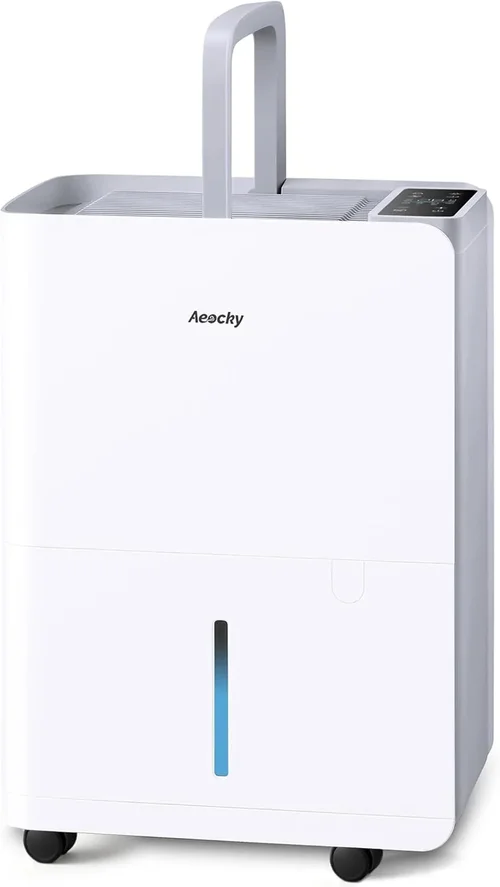
❌ Mistake: Buying Based Solely on Square Footage
Why it’s bad: Room size is only one variable. Humidity level, insulation, ventilation, and external climate dramatically affect moisture load. A 2,000 sq ft basement in Florida needs a much more powerful unit than a 2,000 sq ft living room in Arizona.
What to do instead: Assess your actual humidity conditions. Use a hygrometer to measure relative humidity (ideal range: 30–50%). If it’s consistently above 60%, prioritize higher PPD capacity regardless of square footage.
❌ Mistake: Ignoring Drainage Options
Why it’s bad: Emptying a 10–15 pint tank daily is tedious and easy to forget. If the tank overflows, you could face water damage or mold resurgence.
What to do instead: Choose a model with a continuous drain hose outlet. Pair it with a standard garden hose directed to a floor drain, sink, or sump pump. For elevated discharge, look for units with built-in condensate pumps.
❌ Mistake: Overlooking Noise Levels
Why it’s bad: Dehumidifiers running near bedrooms or home offices can be disruptive. Compressor units often produce 50–60 decibels—comparable to a quiet conversation or moderate rainfall.
What to do instead: Check decibel ratings in product specs. Desiccant models are generally quieter (40–50 dB). Place the unit away from sleeping areas or use timers to run it during low-activity hours.
❌ Mistake: Choosing the Cheapest Option Without Checking Efficiency
Why it’s bad: A $120 dehumidifier that uses 600 watts will cost significantly more to operate than a $200 ENERGY STAR model using 350 watts. Over 3–5 years, the savings add up.
What to do instead: Calculate total cost of ownership: (unit price) + (annual operating cost × expected lifespan). Often, mid-range efficient models offer the best long-term value.
❌ Mistake: Assuming All “Large Room” Units Are Equal
Why it’s bad: Marketing terms like “suitable for 3,000 sq ft” can be misleading. Some brands define “large room” as 1,500 sq ft, others as 4,000+.
What to do instead: Focus on AHAM-certified pint-per-day ratings and real user feedback from people with similar setups. Cross-reference multiple sources before deciding.
❌ Mistake: Neglecting Maintenance Requirements
Why it’s bad: Clogged filters reduce airflow and efficiency. Infrequent cleaning can lead to mold growth inside the unit itself.
What to do instead: Choose models with easy-access, washable filters. Set calendar reminders to clean the filter monthly and inspect coils annually. Some units include filter-cleaning alerts—a handy feature.
❌ Mistake: Buying Without Considering Seasonal Use
Why it’s bad: If you only need dehumidification in summer, a heavy, bulky unit may sit unused for months, taking up storage space.
What to do instead: Opt for a portable model with wheels if seasonal use is expected. Store it in a dry place with the tank emptied and filter removed to prevent odors.
Budget Guidelines: How Much Should You Spend?
Entry-Level ($100–$200): These are basic compressor models ideal for supplemental use or moderately humid spaces up to 1,500 sq ft. Expect limited features—manual controls, smaller tanks (7–10 pints), and no smart capabilities. Build quality may be lighter, and warranties shorter (1 year). Good for occasional use or tight budgets, but not recommended for chronic dampness or large areas.
Mid-Range ($200–$350): This is the sweet spot for most large room applications. Units here typically offer 50–70 PPD capacity, ENERGY STAR certification, digital humidistats, continuous drain options, and decent build quality. Brands like hOmeLabs, Tosot, and Frigidaire dominate this tier. You’ll get reliable performance, quieter operation, and 1–2 year warranties. Perfect for basements, large living rooms, or year-round humidity control.
Premium ($350–$600): Designed for demanding environments, these models feature advanced controls, Wi-Fi connectivity, built-in pumps, larger tanks (12–16 pints), and superior durability. Expect metal components, corrosion-resistant coatings, and extended warranties (up to 5 years on compressors). Ideal for coastal homes, large open-concept spaces, or users who value automation and remote monitoring.
Luxury ($600+): At this level, you’re paying for whole-house integration, ultra-quiet operation, industrial-grade construction, and cutting-edge tech. These are often ducted systems or high-end portable units with multi-stage filtration, app-based analytics, and professional installation support. Best for severe moisture problems, luxury homes, or commercial/residential hybrid spaces.
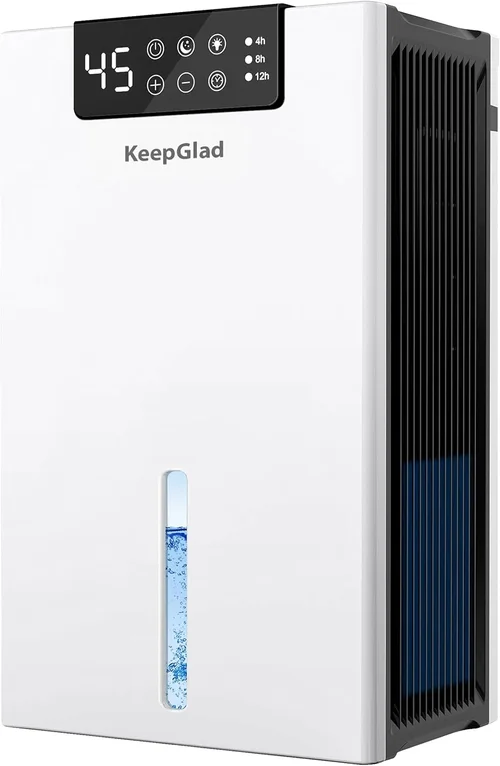
Expert Tips for Getting the Best Deal
– Buy in Late Winter or Early Spring: Retailers often discount dehumidifiers before humid season hits. Prices drop as demand decreases post-summer. Watch for Presidents’ Day, Memorial Day, or end-of-season sales at Home Depot, Lowe’s, or Amazon.
– Shop Online for Better Selection and Reviews: While in-store demos are helpful, online retailers offer broader inventories, detailed specs, and thousands of user reviews. Use filters to compare models side-by-side.
– Check for Rebates and Incentives: Some utility companies offer rebates for ENERGY STAR appliances. Visit energystar.gov/rebate-finder to see if you qualify for savings on your purchase.
– Read the Fine Print on Warranties: “Full coverage” doesn’t always mean what you think. Verify whether labor, shipping, and parts are included. Register your product immediately after purchase to activate warranty terms.
– Test Return Policies Before Buying: Ensure the retailer allows returns if the unit doesn’t perform as expected. Some stores charge restocking fees or limit return windows to 14–30 days.
– Consider Refurbished or Open-Box Models: Reputable sellers (like Amazon Renewed or manufacturer-certified refurb programs) offer tested, warrantied units at 20–40% off. Great way to get premium features on a budget.
– Bundle with Other Purchases: Some retailers offer discounts when you buy a dehumidifier with an air purifier, humidifier, or HVAC service. Worth asking about package deals.
– Monitor Price Drops with Tools: Use browser extensions like Honey or CamelCamelCamel (for Amazon) to track price history and get alerts when your desired model goes on sale.
Frequently Asked Questions
Q: How do I know if I need a dehumidifier for my large room?
A: Signs include persistent musty smells, condensation on windows, peeling paint or wallpaper, mold spots, or a clammy feeling in the air. Use a hygrometer to confirm relative humidity above 50–60%. If your HVAC system struggles to control moisture, a dedicated dehumidifier is likely needed.
Q: Can one dehumidifier cover multiple rooms?
A: Yes, if the rooms are open to each other or connected by doorways. Air circulates naturally, so a unit placed centrally can affect adjacent spaces. However, closed-off rooms or those with separate HVAC zones may require additional units.
Q: Should I run my dehumidifier continuously?
A: Not necessarily. Most models have humidistats that maintain your target humidity (e.g., 45%). Once reached, they cycle off automatically. Continuous operation is only needed in extremely damp conditions or if using the “continuous” mode for drainage.
Q: Is it safe to leave a dehumidifier on overnight or when I’m away?
A: Yes, modern units have safety features like auto shut-off, tilt sensors, and thermal overload protection. Just ensure proper ventilation around the unit and use continuous drainage if leaving it unattended for days.
Q: How often should I clean my dehumidifier?
A: Clean the air filter every 2–4 weeks during heavy use. Wipe down the water tank monthly with mild soap and water. Inspect coils and vents annually for dust buildup.
Q: Do dehumidifiers cool the room?
A: Not significantly. They remove moisture, which can make the air feel more comfortable, but they actually emit slight heat as a byproduct of operation. Don’t rely on them for cooling—use an AC instead.
Q: What’s the difference between a dehumidifier and an air purifier?
A: A dehumidifier reduces moisture; an air purifier removes particles like dust, pollen, and smoke. They serve different purposes, though some combo units exist. For mold prevention, a dehumidifier is essential.
Q: Can I use a dehumidifier in winter?
A: Only if the room stays above 60–65°F. Below that, compressor units may ice up. Desiccant models work in colder temps but are less efficient at moisture removal. Whole-house systems are better for winter use.
Q: How long do dehumidifiers typically last?
A: With proper maintenance, most last 5–10 years. Compressor lifespan is the limiting factor. Premium models with better components often last longer.
Q: Are there eco-friendly dehumidifiers?
A: Yes. Look for models using R-32 or other low-GWP (global warming potential) refrigerants. ENERGY STAR units are also more environmentally friendly due to lower energy consumption.
Our Final Recommendations
Best for Budget-Conscious Buyers: hOmeLabs 50 Pint Dehumidifier – At under $250, it offers excellent AHAM-rated performance, a 1.8-gallon tank, continuous drain, and quiet operation. Ideal for basements up to 2,500 sq ft.
Best Overall Value: Frigidaire FFAD7033R1 70 Pint Dehumidifier – ENERGY STAR certified, with a built-in pump, washable filter, and reliable compressor. Handles large, humid spaces effortlessly and includes a 1-year warranty.
Best Premium Option: GE APER50LZ 50 Pint Smart Dehumidifier – Wi-Fi enabled, Alexa-compatible, with precise humidity control and a sleek design. Perfect for tech-savvy users who want remote monitoring and automation.
Best for Beginners: Tosot 50 Pint Dehumidifier – Simple controls, intuitive display, and straightforward setup. Great for first-time buyers who want reliability without complexity.
Best for Advanced Users: Midea MAD50C1ZWS 50 Pint Cube Dehumidifier – Unique stackable design saves floor space, includes a built-in pump, and offers app control. Ideal for those with limited placement options or high-tech preferences.
Conclusion: Making the Right Choice
Choosing the right large room dehumidifier isn’t about finding the most powerful or most expensive model—it’s about matching the right tool to your specific environment, needs, and budget. By focusing on verified capacity, energy efficiency, build quality, and real-world performance, you’ll avoid common pitfalls and invest in a unit that delivers lasting comfort and protection. Remember to prioritize drainage options, noise levels, and smart features based on your lifestyle, and always consult user reviews from buyers with similar setups.
Don’t rush the decision. Take time to measure your space, assess humidity levels, and compare warranties. A well-chosen dehumidifier doesn’t just improve air quality—it safeguards your home from mold, protects your belongings, and creates a healthier living environment for years to come. Use this guide as your roadmap, and you’ll walk away with confidence, knowing you’ve made a smart, informed purchase. Your future self (and your walls) will thank you.