
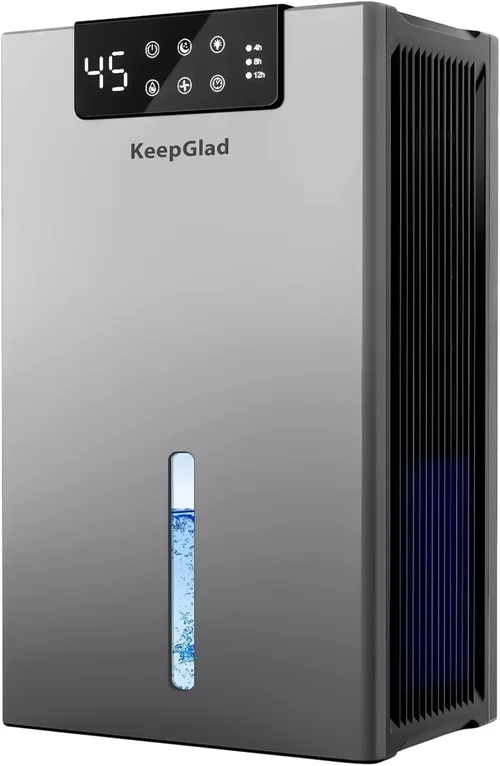
Dealing with excess moisture in your home isn’t just about comfort—it’s about protecting your health, your belongings, and the structural integrity of your living space. High humidity levels can trigger mold growth, worsen allergies, damage furniture and electronics, and create that sticky, clammy feeling that makes even the coolest rooms feel uncomfortable. Whether you live in a humid coastal region, a damp basement apartment, or simply notice condensation on windows during winter, a dehumidifier can be a game-changer. But with so many models, features, and price points on the market, choosing the right one can feel overwhelming.
This comprehensive buying guide is designed to cut through the noise and help you make an informed decision. We’ll walk you through every critical factor—from performance specs and energy efficiency to noise levels and smart features—so you can find a dehumidifier that fits your specific needs and budget. You’ll learn how to avoid common pitfalls, understand what different types of dehumidifiers are best suited for, and get expert-backed recommendations based on real-world use cases. By the end, you’ll have the confidence to choose a unit that delivers reliable moisture control without overspending or underperforming.
The dehumidifier market has evolved significantly in recent years. Once considered niche appliances for basements or RVs, today’s models come in sleek designs suitable for living rooms, bedrooms, and even closets. Advances in compressor technology, smart connectivity, and eco-friendly refrigerants have made modern dehumidifiers more efficient, quieter, and easier to use than ever before. From compact 20-pint units ideal for small spaces to heavy-duty 70-pint beasts capable of handling large homes or flood recovery, there’s a solution for nearly every scenario. This guide covers it all—so whether you’re a first-time buyer or upgrading from an older model, you’re in the right place.

What to Look for When Buying Buying Guide
1. Capacity & Moisture Removal Rate
The most important specification when choosing a dehumidifier is its capacity, typically measured in pints per day (PPD). This number tells you how much water the unit can extract from the air in a 24-hour period under standard testing conditions (usually 60% relative humidity at 80°F). For example, a 30-pint dehumidifier can remove up to 30 pints of moisture daily. But don’t just go by the number alone—consider your room size and humidity level.
Small spaces like bathrooms or closets (under 500 sq. ft.) may only need a 20–30 pint model, while basements or large living areas (1,500+ sq. ft.) often require 50–70 pint units. If your space is extremely damp—due to flooding, poor ventilation, or high outdoor humidity—you might need a higher-capacity unit or even a commercial-grade model. Always check the manufacturer’s room size recommendation, but also factor in your local climate. A 50-pint unit might suffice in Arizona but fall short in Florida during summer.
2. Energy Efficiency & Operating Costs
Dehumidifiers run for hours each day, so energy consumption directly impacts your utility bill. Look for models with the ENERGY STAR® certification, which indicates they meet strict efficiency guidelines set by the U.S. Environmental Protection Agency. ENERGY STAR dehumidifiers use 15–30% less energy than standard models, saving you money over time.
Check the unit’s Energy Factor (EF), measured in liters of water removed per kilowatt-hour (L/kWh). Higher EF values mean better efficiency. For instance, a model with an EF of 1.8 is more efficient than one with 1.2. Also consider the wattage—most residential dehumidifiers range from 300 to 700 watts. While higher-wattage units may remove moisture faster, they also cost more to operate. Balance performance with long-term savings, especially if you plan to run the unit continuously.
3. Tank Size & Drainage Options
All dehumidifiers collect water in an internal tank, but tank size varies widely—from as little as 1 gallon to over 3 gallons. A larger tank means less frequent emptying, which is crucial if you’re using the unit in an unattended space like a basement. However, larger tanks can make the unit bulkier.
For convenience, look for models with continuous drainage options. Many units include a built-in pump or a hose connection (usually ⅝” or ¾” threaded) that lets you drain water directly into a floor drain, sink, or sump pump. This eliminates the need to manually empty the tank. Some premium models even feature auto-restart after power outages and pump-assisted drainage for vertical or long-distance hose runs. If you choose a manual-empty model, ensure the tank is easy to remove and has a splash-proof design.
4. Noise Level & Placement Flexibility
Dehumidifiers aren’t silent—they use compressors and fans, which generate noise. If you’re placing the unit in a bedroom, home office, or living room, sound output matters. Most residential models operate between 45 and 60 decibels (dB), roughly equivalent to a quiet conversation or background music. Lower-decibel models (under 50 dB) are ideal for noise-sensitive environments.
Check the manufacturer’s noise rating, but also read user reviews—real-world performance can differ from lab tests. Units with variable fan speeds or “quiet mode” settings offer more flexibility. Additionally, consider placement: can the dehumidifier sit flat on the floor? Does it have handles or wheels for easy movement? Is the air intake/exhaust unobstructed? Proper placement ensures optimal airflow and reduces strain on the compressor, extending the unit’s lifespan.
5. Humidity Control & Smart Features
Manual dehumidifiers run continuously until turned off, which can lead to over-drying or wasted energy. Modern units come with built-in hygrometers and digital controls that let you set a target humidity level (typically between 30% and 80%). Once the desired level is reached, the unit cycles off automatically, resuming when humidity rises again.
Advanced models offer programmable timers, Wi-Fi connectivity, and smartphone app control. With smart dehumidifiers, you can monitor humidity levels remotely, receive alerts when the tank is full, or adjust settings from your couch. Some integrate with home automation systems like Amazon Alexa or Google Assistant. While these features add convenience, they also increase cost—so decide whether smart functionality is worth the premium for your lifestyle.
6. Build Quality & Durability
A dehumidifier is a long-term investment, so durability matters. Look for sturdy construction with rust-resistant coatings, especially if used in basements or garages. The compressor—the heart of the system—should be high-quality and well-protected. Cheaper models may use lower-grade components that fail prematurely under heavy use.
Inspect the coil design: larger surface area coils improve efficiency and reduce frost buildup in cold environments. Units with auto-defrost functionality can operate in temperatures as low as 41°F, making them suitable for unheated spaces. Also check the filter—washable, reusable filters are more economical and eco-friendly than disposable ones. A well-built dehumidifier should last 5–10 years with proper maintenance.
7. Brand Reputation & Customer Support
Not all dehumidifier brands are created equal. Established manufacturers like Frigidaire, hOmeLabs, GE, Midea, and AprilAire have proven track records for reliability and customer service. Research brands that offer responsive support, clear warranty terms, and accessible replacement parts.
Avoid unknown or generic brands sold exclusively through third-party online retailers—these often lack proper certifications, have poor build quality, and offer little to no post-purchase support. Reading verified customer reviews on trusted platforms (like Amazon, Home Depot, or Consumer Reports) can reveal patterns in performance, longevity, and service issues. A reputable brand may cost slightly more upfront but saves headaches down the line.
8. Warranty & Return Policy
A solid warranty is a strong indicator of a manufacturer’s confidence in their product. Most reputable dehumidifiers come with a 1- to 2-year limited warranty covering parts and labor. Some premium models offer extended coverage (up to 5 years) on the compressor, which is the most expensive component to replace.
Before purchasing, review the warranty terms: what’s covered? Is labor included? Do you need to register the product? Also check the retailer’s return policy—many stores allow 30–90 days for returns, especially if the unit doesn’t perform as expected. Buying from a retailer with a generous return window gives you peace of mind to test the dehumidifier in your actual environment.
Different Types of Buying Guide

Common Buying Mistakes to Avoid
❌ Mistake: Buying Based Solely on Pint Rating
Why it’s bad: A higher pint rating doesn’t always mean better performance for your space. Oversized units cycle on and off too frequently, reducing efficiency and lifespan. Undersized units run constantly, increasing wear and energy costs.
What to do instead: Match the dehumidifier’s capacity to your room size and humidity level. Use a sizing chart or consult a professional if unsure. When in doubt, slightly oversize rather than undersize—but avoid going more than one category up.
❌ Mistake: Ignoring Energy Efficiency
Why it’s bad: A cheap dehumidifier with poor efficiency can cost more in electricity over a year than a pricier ENERGY STAR model. Inefficient units also generate more heat, which can raise cooling costs in summer.
What to do instead: Prioritize ENERGY STAR certification and check the Energy Factor (EF). Calculate annual operating costs using your local electricity rate and estimated runtime.
❌ Mistake: Overlooking Drainage Needs
Why it’s bad: Manually emptying a full tank every 8–12 hours is tedious and impractical, especially in basements or vacation homes. Overflowing tanks can cause water damage.
What to do instead: Choose a model with continuous drainage or a built-in pump if you can’t empty the tank regularly. Ensure your space has access to a drain or sump pit.
❌ Mistake: Placing the Unit in the Wrong Location
Why it’s bad: Blocking airflow or placing the dehumidifier in a corner reduces efficiency. Units placed near heat sources or in poorly ventilated areas work harder and remove less moisture.
What to do instead: Position the unit in the center of the room or near the source of moisture (e.g., laundry area). Leave at least 6–12 inches of clearance around all sides for proper airflow.
❌ Mistake: Skipping Regular Maintenance
Why it’s bad: Dirty filters and coils restrict airflow, reduce efficiency, and can lead to mold growth inside the unit. Neglecting maintenance shortens the appliance’s lifespan.
What to do instead: Clean the air filter monthly and inspect coils annually. Empty and rinse the water tank weekly to prevent bacterial growth.
❌ Mistake: Buying Without Reading Reviews
Why it’s bad: Marketing claims don’t always reflect real-world performance. Some units overstate capacity or fail prematurely under normal use.
What to do instead: Read verified customer reviews on multiple platforms. Look for consistent feedback about reliability, noise, and customer service.
❌ Mistake: Choosing the Cheapest Option
Why it’s bad: Budget dehumidifiers often use inferior components, lack safety features, and have short lifespans. You may end up replacing them within 1–2 years.
What to do instead: Invest in a mid-range model from a reputable brand. The extra cost upfront pays off in durability, efficiency, and peace of mind.
Budget Guidelines: How Much Should You Spend?
Entry-Level ($50–$150): These are typically thermo-electric or small desiccant units best suited for closets, RVs, or very small rooms (under 300 sq. ft.). They’re affordable and quiet but have limited capacity (usually under 20 pints/day) and higher operating costs per pint removed. Ideal for occasional use or mild humidity issues.
Mid-Range ($150–$350): This is the sweet spot for most homeowners. These compressor-based dehumidifiers offer 30–50 pint capacity, ENERGY STAR efficiency, digital controls, and continuous drainage options. Models like the hOmeLabs 4,500 Sq. Ft. or Frigidaire FFAD7033R1 fall here. They balance performance, features, and value, making them perfect for basements, living rooms, and average-sized homes.
Premium ($350–$700): Designed for large spaces or high-humidity environments, these units deliver 50–70+ pint capacity, advanced humidity control, smart connectivity, and robust build quality. Examples include the Midea MAD70C1YWS and GE APER50LZ. They often include auto-defrost, pump drainage, and longer warranties—ideal for flood-prone areas or whole-home use.
Luxury ($700+): These include whole-house dehumidifiers that integrate with HVAC systems (like the AprilAire E130) or commercial-grade portable units. They offer centralized control, ultra-high efficiency, and professional installation support. Best for large homes, rental properties, or users who want “set it and forget it” moisture management.
Expert Tips for Getting the Best Deal
- Buy during off-season sales: Dehumidifiers are most expensive in spring and summer. Shop in fall or winter (October–February) for discounts of 20–40%. Retailers often clear inventory before the humid season begins.
- Compare prices across retailers: Check Amazon, Home Depot, Lowe’s, Costco, and manufacturer websites. Use price-tracking tools like Honey or CamelCamelCamel to monitor fluctuations.
- Look for bundle deals: Some retailers offer free shipping, extended warranties, or accessory kits (like hoses or filters) with purchase.
- Consider refurbished or open-box units: Certified refurbished models from reputable sellers often come with full warranties and significant savings (30–50% off).
- Check for rebates: Some utility companies offer rebates for ENERGY STAR dehumidifiers—especially in humid states like Florida or Louisiana. Visit dsireusa.org to search for local incentives.
- Test before committing: If buying in-store, ask to see a demo unit. Listen for noise, check the display, and verify ease of tank removal.
- Read the fine print on warranties: Some brands require product registration within 30 days to activate coverage. Keep your receipt and manual.
- Use a smart plug for added control: Even non-smart dehumidifiers can be scheduled or monitored with a Wi-Fi plug, helping you optimize runtime and save energy.

Frequently Asked Questions
Q: How do I know if I need a dehumidifier?
A: Signs include persistent condensation on windows, musty odors, visible mold or mildew, peeling paint, warped wood, or a general feeling of dampness. You can also use a hygrometer to measure indoor humidity—ideal levels are between 30% and 50%. If readings consistently exceed 60%, a dehumidifier is recommended.
Q: Can a dehumidifier help with allergies?
A: Yes. By reducing moisture, dehumidifiers inhibit the growth of mold, dust mites, and mildew—common allergens. This can significantly improve indoor air quality and alleviate symptoms for people with asthma or allergies.
Q: Should I run my dehumidifier all the time?
A: Not necessarily. Most units have auto-humidistats that turn the compressor on and off to maintain your set humidity level. Running continuously is only needed in extremely damp conditions or during initial drying after a flood.
Q: Do dehumidifiers cool the air?
A: No—they remove moisture, not heat. In fact, they slightly warm the air because the compressor generates heat during operation. However, drier air feels more comfortable, so you may feel cooler even though the temperature hasn’t changed.
Q: Can I use a dehumidifier in winter?
A: Yes, but only if the room temperature stays above 41°F. Most compressor dehumidifiers have auto-defrost and can operate down to this temperature. Desiccant models work well in colder spaces, including unheated garages or cabins.
Q: How often should I clean my dehumidifier?
A: Clean the air filter every 2–4 weeks during heavy use. Empty and rinse the water tank weekly to prevent mold and bacteria. Inspect coils and vents annually for dust buildup.
Q: Is it safe to leave a dehumidifier on overnight?
A: Yes, as long as the unit is in good condition, placed on a stable surface, and has an auto-shutoff feature when the tank is full. Modern dehumidifiers are designed for continuous operation and include safety protections against overheating.
Q: What’s the difference between a dehumidifier and an air purifier?
A: A dehumidifier reduces moisture; an air purifier removes airborne particles like pollen, smoke, and pet dander. They serve different purposes, though some units combine both functions.
Q: Can I install a whole-house dehumidifier myself?
A: Generally, no. Whole-house units require professional installation to integrate with your HVAC ductwork and ensure proper airflow. DIY installation can void warranties and reduce efficiency.
Q: How long do dehumidifiers last?
A: With proper maintenance, most quality dehumidifiers last 5–10 years. Compressor lifespan is the main limiting factor—cheaper units may fail sooner under heavy use.
Our Final Recommendations
Best for Budget-Conscious Buyers: Eva-Dry EDV-1200 Electric Petite Dehumidifier – At under $60, this compact thermo-electric unit is perfect for small spaces like closets or RVs. It’s quiet, energy-efficient, and requires no installation. While it won’t handle large rooms, it’s an affordable entry point for mild humidity control.
Best Overall Value: hOmeLabs 4,500 Sq. Ft. Dehumidifier – Priced around $250, this 50-pint ENERGY STAR model offers excellent performance, a large 1.8-gallon tank, continuous drainage, and a washable filter. It’s reliable, quiet (under 55 dB), and ideal for basements or medium-sized homes.
Best Premium Option: Midea MAD70C1YWS 70-Pint Dehumidifier – With smart Wi-Fi control, auto-defrost, and a built-in pump, this $450 unit is a powerhouse for large or extremely damp spaces. Its app integration and sleek design make it a top choice for tech-savvy homeowners.
Best for Beginners: Frigidaire FFAD5033R1 – Simple controls, clear display, and straightforward setup make this 50-pint model user-friendly. It’s ENERGY STAR certified, has a 1.7-gallon tank, and includes a 2-year warranty—perfect for first-time buyers.
Best for Advanced Users: AprilAire E130 Whole-House Dehumidifier – For those ready to invest in permanent moisture control, this $1,200+ system integrates seamlessly with HVAC and maintains precise humidity levels throughout the entire home. It’s the gold standard for whole-house dehumidification.
Conclusion: Making the Right Choice
Choosing the best dehumidifier isn’t about finding the most powerful or most expensive model—it’s about matching the right tool to your specific needs. Consider your space size, humidity level, budget, and desired features before making a decision. Prioritize energy efficiency, reliable drainage, and reputable brands to ensure long-term satisfaction. Avoid common pitfalls like oversizing or ignoring maintenance, and take advantage of seasonal sales and rebates to maximize value.
Remember, a good dehumidifier does more than just remove moisture—it protects your health, preserves your home, and enhances comfort. Whether you’re tackling a damp basement, preventing mold in a closet, or creating a healthier living environment, the right unit can make all the difference. Use this guide as your roadmap, weigh your options carefully, and invest wisely. Your home—and your peace of mind—will thank you.