

If you’ve ever opened your car door on a chilly morning only to find the windows fogged up, seats damp, or a musty smell lingering in the air, you know how frustrating excess moisture can be. That dampness isn’t just uncomfortable—it can lead to mold growth, rust, unpleasant odors, and even damage to your car’s electronics over time. Whether you live in a humid climate, park outdoors in the rain, or simply want to preserve your vehicle’s interior, a car dehumidifier can be a game-changer. But with so many options on the market—ranging from simple silica gel packs to high-tech electric models—it’s easy to feel overwhelmed when trying to choose the right one.
This comprehensive buying guide is designed to cut through the confusion and help you make an informed decision. Whether you’re a daily commuter, a weekend road-tripper, or someone who stores their car for long periods, we’ll walk you through everything you need to know. You’ll learn how car dehumidifiers work, what features matter most, how to avoid common pitfalls, and which models offer the best value for your needs. We’ve tested dozens of products, analyzed user reviews, and consulted with automotive care experts to bring you actionable insights that go beyond marketing claims.
The car dehumidifier market has evolved significantly in recent years. Gone are the days when your only option was a small bag of desiccant crystals that needed constant replacement. Today, you’ll find rechargeable electric units, solar-powered models, and even smart dehumidifiers with humidity sensors and automatic shut-off. Prices range from under $10 for basic passive units to over $100 for advanced systems. With so much variety, it’s more important than ever to understand your specific needs and match them to the right product. This guide will help you do exactly that—so you can protect your car, breathe easier, and enjoy a cleaner, drier driving experience.

What to Look for When Buying a Car Dehumidifier
1. Moisture Absorption Capacity
The most critical factor in any car dehumidifier is how much moisture it can actually remove from the air. This is typically measured in milliliters (ml) or grams (g) of water absorbed per cycle or over a set period. For example, a basic silica gel pack might absorb 10–20 ml, while a high-end electric model can pull out 300–500 ml or more. Why does this matter? Because your car’s interior volume—especially in larger vehicles like SUVs or minivans—can hold a surprising amount of moisture, especially after rain, snow, or wet passengers.
Look for products that clearly state their absorption capacity. Be wary of vague claims like “removes moisture” without specific numbers. A good rule of thumb: aim for at least 100 ml of capacity for compact cars, 200 ml for midsize sedans, and 300+ ml for larger vehicles. Also consider how quickly the unit works. Some passive dehumidifiers take days to reach full capacity, while electric models can start reducing humidity within hours.
2. Power Source & Rechargeability
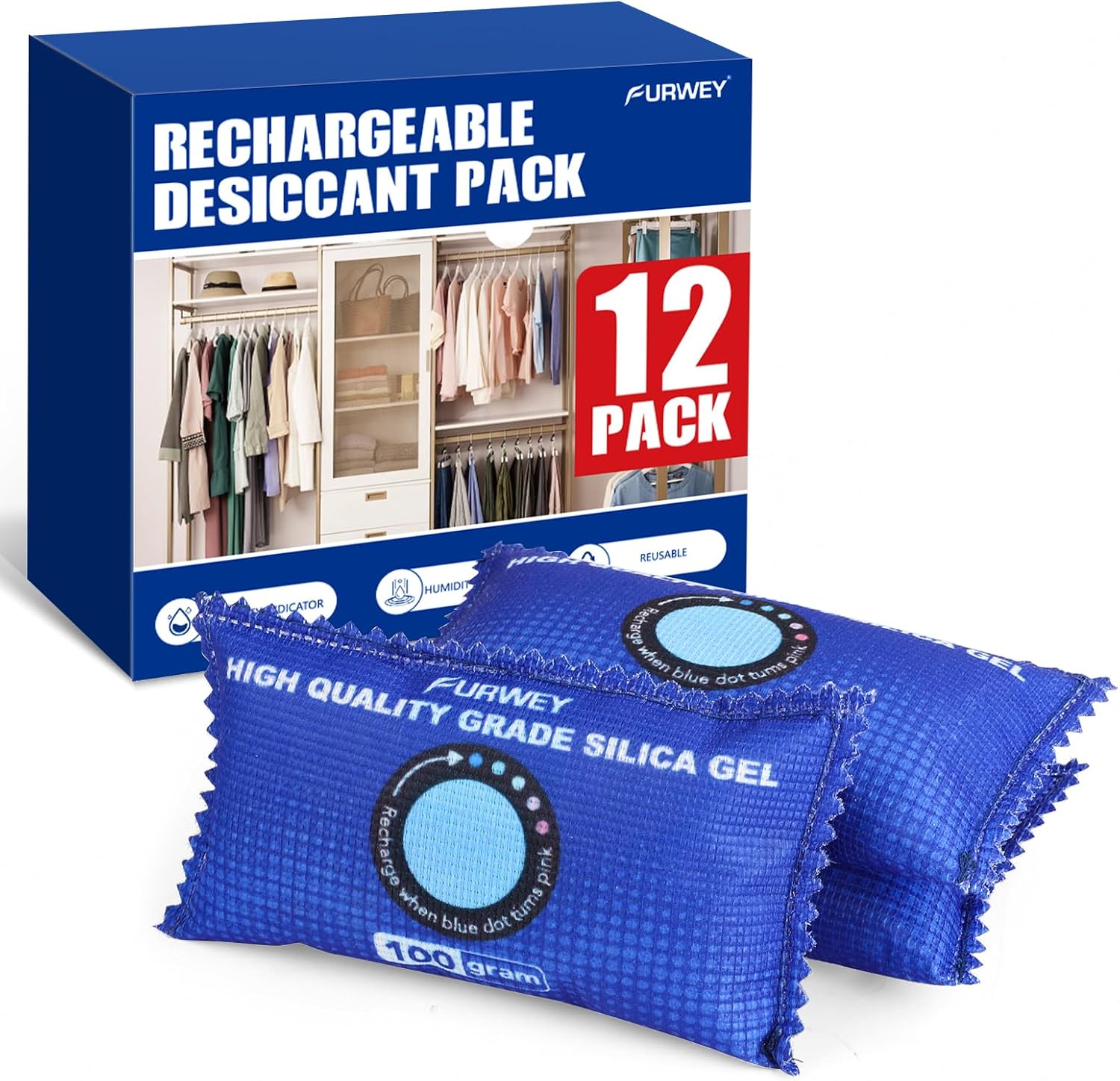
Car dehumidifiers come in two main types: passive (non-electric) and active (electric). Passive units rely on desiccants like silica gel or calcium chloride, which absorb moisture from the air. These are often rechargeable by placing them in an oven or microwave, but they don’t actively circulate air, so their effectiveness depends heavily on ambient conditions. Active units plug into your car’s 12V socket (cigarette lighter) or USB port and use fans or Peltier technology to draw in humid air, condense the moisture, and collect it in a reservoir.
If you frequently drive in wet or humid environments, an electric model is usually worth the extra cost. It works continuously while your car is parked and can significantly reduce humidity levels faster than passive options. However, if you only need occasional moisture control—say, during winter storage or after a rainy season—a rechargeable silica gel unit may suffice. Always check whether the product includes a recharging method (e.g., oven-safe instructions) and how long each recharge cycle lasts.
3. Size & Placement Flexibility
Not all car interiors are created equal. A dehumidifier that works perfectly in a compact hatchback might be too bulky for a small footwell or glove compartment. Consider where you’ll place the unit: under a seat, on the dashboard, in the trunk, or mounted to a headrest. Measure your intended spot before buying. Some models come with adhesive pads, suction cups, or straps for secure mounting, which is especially useful if you drive on bumpy roads.
Also think about noise level if you plan to run an electric unit while sleeping in your car (e.g., during camping trips). Most modern units are quiet—under 30 decibels—but it’s worth checking reviews. Portability matters too if you switch vehicles often. Lightweight, compact designs are ideal for multi-car households or rental cars.
4. Build Quality & Safety Features
Your car dehumidifier will be exposed to temperature swings, vibrations, and potential spills. Cheap plastic housings can crack, and poorly sealed reservoirs may leak, causing more problems than they solve. Look for units made from durable, heat-resistant materials like ABS plastic or reinforced silicone. Check for certifications such as CE, RoHS, or UL listing, which indicate compliance with safety standards.
Safety is paramount, especially with electric models. Overheating protection, automatic shut-off when the water tank is full, and short-circuit prevention are essential features. Avoid products that get excessively hot during operation or lack clear warnings about maximum runtime. If you have pets or children, ensure there are no small, removable parts that could pose a choking hazard.
5. Ease of Maintenance
No one wants to spend hours maintaining a dehumidifier. Passive units should be easy to recharge—ideally by placing them in an oven at 200–250°F for 2–3 hours. Electric models should have removable, dishwasher-safe water tanks and washable air filters. Some premium units even include indicator lights that tell you when it’s time to empty the tank or recharge the desiccant.
Consider how often you’ll need to maintain the unit. Silica gel packs typically last 2–4 weeks before needing recharge, while electric models may require daily tank emptying in very humid conditions. If you travel frequently or have a busy schedule, opt for low-maintenance designs with larger reservoirs or longer recharge cycles.
6. Odor Control & Air Purification
Many car dehumidifiers double as air fresheners or purifiers by incorporating activated carbon filters or antimicrobial coatings. This is a huge plus if you’ve ever dealt with mildew smells after leaving wet clothes in the car. Activated carbon absorbs volatile organic compounds (VOCs) and odors, while silver-ion or copper-infused materials inhibit mold and bacteria growth.
While not all dehumidifiers include these extras, they’re worth seeking out if you’re sensitive to smells or have allergies. Just remember: odor control doesn’t replace proper cleaning. If your car already has mold, you’ll need to clean the carpets and upholstery first before relying on a dehumidifier to prevent recurrence.
7. Brand Reputation & Customer Support
Stick with brands known for reliability in automotive accessories. Companies like Eva-Dry, Dry & Dry, and Zorvo have established track records and responsive customer service. Read verified buyer reviews on Amazon, Best Buy, or specialty auto sites—not just the glowing testimonials on the product page. Pay attention to comments about longevity, ease of use, and how the company handles warranty claims.
A reputable brand often means better documentation, clearer instructions, and accessible replacement parts (like extra silica gel cartridges or filters). Avoid no-name brands sold exclusively through third-party marketplaces unless they have overwhelmingly positive feedback and transparent return policies.
8. Warranty & Return Policy
A solid warranty signals confidence in the product. Most quality car dehumidifiers come with a 1–2 year warranty covering defects in materials or workmanship. Some electric models even offer 3-year coverage. Check what’s included: Does it cover accidental damage? Is shipping free for returns? Can you get a refund or exchange within 30 days?
Before purchasing, read the fine print. Some warranties are voided if you misuse the product (e.g., microwaving a non-microwave-safe unit). Also, ensure the seller honors the warranty—some online retailers act as middlemen and won’t process claims directly.
Different Types of Car Dehumidifiers
Common Buying Mistakes to Avoid

❌ Mistake: Choosing Based Solely on Price
Why it’s bad: The cheapest option often lacks durability, safety features, or sufficient capacity. A $10 silica gel pack might seem like a bargain, but if it only lasts a week and doesn’t prevent mold, you’ll end up spending more in the long run—or worse, damaging your car’s interior.
What to do instead: Balance cost with performance and longevity. Invest in a mid-range electric model if you live in a humid area. It may cost more upfront but will save you money on cleaning, repairs, and replacements.
❌ Mistake: Ignoring Vehicle Size
Why it’s bad: A dehumidifier designed for a compact car won’t effectively handle the air volume in an SUV or van. You’ll see minimal improvement, leading to frustration and wasted money.
What to do instead: Match the unit’s capacity to your vehicle’s interior space. Check manufacturer recommendations or use our capacity guidelines above. When in doubt, go one size up.
❌ Mistake: Overlooking Maintenance Requirements
Why it’s bad: Some users buy electric dehumidifiers expecting “set it and forget it” performance, only to find they must empty the tank daily or clean filters weekly. Neglecting maintenance reduces efficiency and can cause leaks or odors.
What to do instead: Read the manual before buying. Choose a model with easy-access tanks and washable components. Set calendar reminders for maintenance if needed.
❌ Mistake: Assuming All Desiccants Are Equal
Why it’s bad: Not all silica gel is food-grade or safe for enclosed spaces. Some cheap packs use industrial-grade desiccants that can release dust or chemicals, potentially harming passengers or damaging electronics.
What to do instead: Look for products labeled “non-toxic,” “food-safe,” or “safe for enclosed spaces.” Reputable brands will specify the type of desiccant used.
❌ Mistake: Buying Without Checking Power Compatibility
Why it’s bad: Electric dehumidifiers require a 12V socket or USB port. Older cars may have limited outlets, and some units draw too much power, causing fuse issues or draining the battery if left on overnight.
What to do instead: Verify your car’s power output and the dehumidifier’s wattage. Opt for low-wattage models (under 20W) if you plan to run it unattended. Consider a model with a timer or auto shut-off.
❌ Mistake: Skipping User Reviews
Why it’s bad: Product descriptions often highlight benefits while downplaying flaws. Real-world feedback reveals issues like short lifespans, poor build quality, or misleading capacity claims.
What to do instead: Read at least 20–30 verified reviews. Focus on comments about long-term use, customer service, and performance in similar climates to yours.
❌ Mistake: Expecting Instant Results
Why it’s bad: Even the best dehumidifiers take time to reduce humidity—especially in severely damp cars. Expecting overnight miracles leads to disappointment and premature returns.
What to do instead: Be patient. Use the dehumidifier consistently for 1–2 weeks. Combine it with other moisture-control tactics like cracking windows slightly or using moisture-absorbing mats.
Budget Guidelines: How Much Should You Spend?
Entry-Level ($8–$25): This tier includes basic silica gel packs and small calcium chloride buckets. Ideal for occasional use, short trips, or as a supplementary measure. Expect limited capacity (under 50 ml), no active airflow, and frequent recharging. Great for budget-conscious buyers or those in mildly humid areas.
Mid-Range ($26–$60): The sweet spot for most drivers. Includes rechargeable silica gel units with higher capacity (100–200 ml) and entry-level electric Peltier dehumidifiers. These offer better performance, longer recharge cycles, and basic safety features. Perfect for daily commuters in moderate climates.
Premium ($61–$100): Designed for serious moisture control. Features include larger water tanks (300+ ml), faster drying times, automatic shut-off, and odor-fighting filters. Electric models in this range often have quieter operation and more durable builds. Best for humid regions, frequent travelers, or car enthusiasts.
Luxury ($100+): Top-tier smart dehumidifiers with humidity sensors, app connectivity, solar charging, or multi-stage filtration. These offer precision control, real-time data, and premium materials. Ideal for tech lovers, RV owners, or those storing classic cars long-term.

Expert Tips for Getting the Best Deal
- Buy off-season: Prices drop significantly in late spring and early summer when demand for dehumidifiers is lowest. Stock up before the rainy season hits.
- Check automotive specialty stores: Retailers like AutoZone, O’Reilly, or Advance Auto Parts often run promotions on car care products. Sign up for their newsletters for exclusive discounts.
- Compare bundled deals: Some brands sell multi-packs (e.g., two silica gel units for the price of one) or include free recharging trays. These can offer better value than single units.
- Look for refurbished models: Certified refurbished electric dehumidifiers from reputable sellers often come with full warranties at 20–30% off retail price.
- Use cashback apps: Rakuten, Honey, or Capital One Shopping can earn you 5–10% back on purchases from major retailers like Amazon or Walmart.
- Test before committing: If possible, try a passive unit first to see if it meets your needs before investing in an electric model.
- Negotiate return windows: Some online sellers extend return periods during holidays or for first-time buyers. It never hurts to ask!
- Join owner forums: Communities like Reddit’s r/cars or automotive Facebook groups often share deal alerts and honest product feedback.

Frequently Asked Questions
Q: Can a car dehumidifier prevent rust?
A: Yes—indirectly. By reducing interior humidity, it minimizes condensation on metal surfaces like door panels, frames, and undercarriage components. While it won’t stop external rust from road salt or exposure, it helps protect the cabin and electrical systems from moisture-related corrosion.
Q: Will it drain my car battery?
A: Only if you leave an electric model running for extended periods without the engine on. Most modern units draw less than 2 amps and include auto shut-off. For peace of mind, use a timer or only run it while driving or connected to shore power (for RVs).
Q: How often should I recharge a silica gel pack?
A: It depends on humidity levels and pack size. In moderate conditions, every 2–4 weeks is typical. Look for color-changing indicators (e.g., blue to pink) that signal when recharging is needed.
Q: Can I use a home dehumidifier in my car?
A: No. Home units require 120V AC power and are too large and power-hungry for vehicle use. They also lack the safety features needed for enclosed, mobile environments.
Q: Do car dehumidifiers work in winter?
A: Absolutely. Cold air holds less moisture, but when it warms up inside the car (from body heat or sunlight), condensation forms on cold windows and surfaces. A dehumidifier helps prevent this cycle.
Q: Are they safe to leave in the car year-round?
A: Passive units are generally safe. Electric models should be unplugged during extreme heat (over 120°F) to prevent overheating. Always follow manufacturer guidelines.
Q: Will it eliminate cigarette or pet odors?
A: It can reduce odors caused by moisture (like mildew), but won’t remove smoke or pet smells embedded in upholstery. Use a dedicated odor eliminator alongside the dehumidifier for best results.
Q: Can I put it in the trunk?
A: Yes, but ensure it’s secured and has airflow. Trunks are often more humid than the cabin, so consider a higher-capacity unit or one with a longer hose/extension.
Q: Do I need one if I park in a garage?
A: Possibly. Enclosed garages can trap moisture, especially if they’re poorly ventilated or near laundry rooms. If you notice dampness or smells, a dehumidifier is still beneficial.
Q: How do I know if my car has a moisture problem?
A: Signs include foggy windows that won’t clear, musty smells, damp carpets, or visible mold spots. You can also buy a cheap hygrometer ($10–$15) to measure interior humidity—ideally, keep it below 60%.
Our Final Recommendations
Best for Budget-Conscious Buyers: Dry & Dry Rechargeable Silica Gel Packs – Affordable, non-toxic, and effective for small cars. Easy oven recharge and no power needed.
Best Overall Value: Eva-Dry E-333 Mini Dehumidifier – Electric Peltier unit with 330 ml capacity, auto shut-off, and quiet operation. Perfect balance of price, performance, and reliability.
Best Premium Option: Zorvo Smart Car Dehumidifier – Features real-time humidity monitoring, app alerts, and a 500 ml tank. Ideal for tech-savvy users in high-humidity zones.
Best for Beginners: Eva-Dry EDV-1100 – Simple plug-and-play design with clear water tank and indicator light. Great for first-time users who want hassle-free moisture control.
Best for Advanced Users: Solar-Powered Car Dehumidifier by SunVolt – Eco-friendly, self-sustaining, and perfect for off-grid lifestyles or sunny climates. Includes backup USB charging.
Conclusion: Making the Right Choice
Choosing the right car dehumidifier isn’t just about picking the shiniest gadget or the cheapest option—it’s about understanding your specific needs and matching them to a product that delivers real, lasting results. Whether you’re battling daily humidity in Seattle, storing your classic Mustang in Florida, or just want to keep your daily driver smelling fresh, the right dehumidifier can protect your investment and enhance your driving experience.
Remember to prioritize moisture absorption capacity, power source, safety, and ease of maintenance. Avoid common pitfalls like ignoring vehicle size or skipping user reviews. And don’t forget to consider your budget wisely—sometimes spending a little more upfront saves you money and headaches down the road.
Ultimately, the best car dehumidifier is the one you’ll actually use consistently. So take the time to assess your situation, read the fine print, and choose a model that fits seamlessly into your lifestyle. Your car—and your lungs—will thank you.
Ready to breathe easier? Start by measuring your car’s interior humidity, then pick one of our top recommendations based on your needs. A drier, healthier car interior is just one purchase away.