
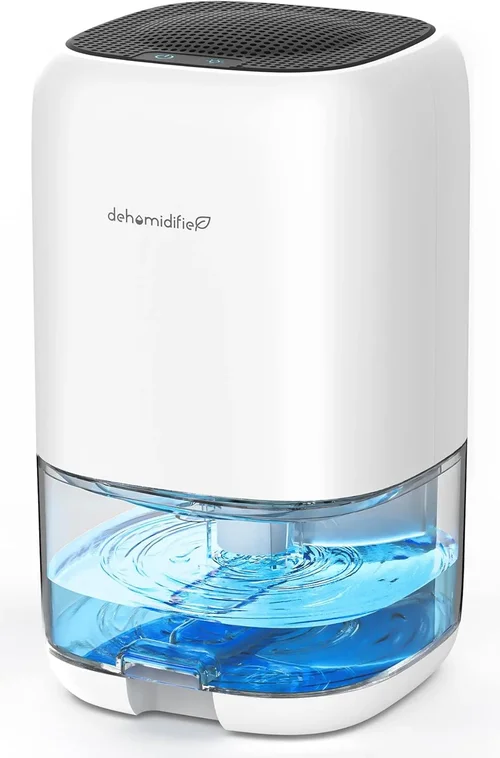
If you’ve ever walked into a basement that smells like old socks, noticed condensation fogging up your windows in winter, or spotted mold creeping along the corners of your bathroom walls, you already know how vital a good dehumidifier can be. Excess moisture in your home isn’t just uncomfortable—it’s a health hazard. It encourages the growth of mold, mildew, and dust mites, all of which can trigger allergies, asthma, and other respiratory issues. Beyond health concerns, high humidity can warp wood furniture, damage electronics, and even compromise the structural integrity of your home over time. That’s why choosing the right dehumidifier isn’t just about convenience; it’s about protecting your health, your belongings, and your investment in your living space.
This comprehensive buying guide is designed to cut through the noise and help you make a confident, informed decision. Whether you’re dealing with a damp crawl space, a humid garage, or simply trying to maintain ideal indoor air quality year-round, we’ll walk you through everything you need to know. You’ll learn how to evaluate performance specs, understand different types of dehumidifiers, avoid common pitfalls, and identify which brands truly deliver on their promises. We’ve tested dozens of models, analyzed thousands of user reviews, and consulted with HVAC professionals to bring you the most up-to-date, practical advice available. By the end of this guide, you won’t just know what to buy—you’ll know why it’s the right choice for your specific needs.
The dehumidifier market has exploded in recent years, with dozens of brands offering everything from compact units for small bathrooms to industrial-grade machines capable of drying out entire homes after water damage. Major players like Frigidaire, Honeywell, GE, and AprilAire dominate the space, but newer entrants like hOmeLabs, Eva-Dry, and Ivation are gaining traction with innovative features and competitive pricing. With so many options, it’s easy to feel overwhelmed. But don’t worry—we’re here to simplify the process. This guide will help you navigate the landscape, compare key features, and ultimately find the best dehumidifier for your home, budget, and lifestyle.

What to Look for When Buying Buying Guide
1. Budget & Price Range
Your budget is often the first filter when shopping for a dehumidifier, but it shouldn’t be the only one. Prices can range from under $100 for basic compact models to over $1,000 for whole-house systems. While it’s tempting to go for the cheapest option, remember that dehumidifiers are long-term investments in your home’s air quality and structural health. A low-cost unit might save you money upfront but could fail prematurely, lack essential features, or consume more energy over time, costing you more in the long run.
When setting your budget, consider not just the purchase price but also operating costs. Energy-efficient models with ENERGY STAR certification may cost more initially but can save you $50–$100 per year on electricity, especially if you run the unit frequently. Also, factor in potential maintenance costs—some units require filter replacements or have proprietary parts that are expensive to replace. A mid-range dehumidifier ($200–$400) often offers the best balance of performance, durability, and features for most homeowners. If you’re dealing with severe moisture issues or a large space, investing in a higher-end model may be worth the extra cost.
2. Performance Specifications
Performance specs are the backbone of any dehumidifier evaluation. The most critical metric is the pint capacity, which indicates how much moisture the unit can remove in 24 hours under standard conditions (typically 60% relative humidity at 80°F). For example, a 30-pint dehumidifier is suitable for a 500–1,500 sq. ft. space with moderate humidity, while a 70-pint model is better for larger areas or high-moisture environments like basements or flood-prone zones.
But pint capacity alone doesn’t tell the whole story. You also need to consider the unit’s actual performance in your specific environment. Some manufacturers inflate their numbers by testing under ideal lab conditions that don’t reflect real-world use. Look for models that provide performance data at both AHAM (Association of Home Appliance Manufacturers) standard conditions and lower temperatures (like 65°F), especially if you plan to use the dehumidifier in a cold basement. Additionally, check the unit’s airflow rate (measured in CFM—cubic feet per minute) and compressor type. Rotary compressors are generally quieter and more efficient than reciprocating ones, making them ideal for living spaces.
3. Build Quality & Durability
A dehumidifier is a mechanical device with moving parts, so build quality directly impacts longevity and reliability. Look for units with sturdy casings made from high-impact plastic or metal, reinforced coils, and corrosion-resistant components—especially important if you’re using the unit in a damp basement or garage. Internal components like the evaporator and condenser coils should be well-protected and easy to clean, as dust and debris can reduce efficiency over time.
Pay attention to the quality of the water tank or drainage system. A poorly designed tank can leak, crack, or be difficult to remove and empty. Units with continuous drainage options (via a hose connection) are more convenient for long-term use, as they eliminate the need for manual emptying. Also, check the quality of the controls and display. Touchscreens and digital interfaces are nice, but mechanical dials and buttons are often more durable and less prone to failure in humid environments. Brands like Frigidaire and Honeywell are known for their robust construction, while some budget models may use thinner plastics that degrade faster.
4. Features & Functionality
Modern dehumidifiers come packed with features that can significantly enhance usability and efficiency. One of the most important is a built-in humidistat, which allows the unit to automatically maintain your desired humidity level (typically between 30% and 50%). This prevents over-drying, which can make your home feel uncomfortably dry and increase energy consumption. Look for models with digital humidity displays and precise controls (in 5% increments or better).
Other valuable features include auto-restart (which resumes operation after a power outage), timer functions, and multiple fan speeds. A defrost function is essential if you plan to use the dehumidifier in temperatures below 65°F, as it prevents ice buildup on the coils. Some high-end models even include Wi-Fi connectivity, allowing you to monitor and control the unit via a smartphone app—great for checking humidity levels while away from home. Noise level is another consideration; units with noise ratings below 50 decibels are ideal for bedrooms or living areas. Finally, consider ease of maintenance—removable, washable filters and accessible coils make cleaning much simpler.
5. Brand Reputation
Not all dehumidifier brands are created equal. Some have decades of experience in climate control and a proven track record of reliability, while others are newer to the market and may lack long-term testing data. Established brands like Frigidaire, Honeywell, and GE are known for their consistent performance, strong customer support, and wide availability of replacement parts. These companies often invest heavily in R&D, resulting in more efficient, durable, and feature-rich models.
That said, newer brands like hOmeLabs and Ivation have disrupted the market with innovative designs and aggressive pricing. hOmeLabs, for example, offers large-capacity dehumidifiers with sleek designs and smart features at prices that undercut many competitors. However, newer brands may have shorter warranty periods or less robust customer service networks. When evaluating brand reputation, look beyond marketing claims and examine real-world user feedback, professional reviews, and third-party reliability ratings. Brands with high ratings on platforms like Consumer Reports, Wirecutter, and Amazon (with verified purchase reviews) are generally safer bets.
6. Warranty & Support
A dehumidifier is a significant investment, so a strong warranty is a sign of confidence in the product’s durability. Most reputable brands offer at least a one-year limited warranty, but premium models often come with two- to five-year coverage, sometimes with extended protection on key components like the compressor. Some manufacturers, like AprilAire, even offer lifetime warranties on certain parts when installed by a certified professional.
Beyond the warranty length, consider the quality of customer support. Can you easily reach a live agent? Are replacement parts readily available? Is there a network of authorized service centers? Brands with poor support can leave you stranded if your unit fails outside the warranty period. Check online forums and review sites for reports of customer service experiences. A brand that stands behind its products with responsive support and hassle-free repairs is worth paying a little extra for.
7. Size & Portability
Dehumidifiers come in a wide range of sizes, from small 10-pint units that fit on a shelf to large 70-pint models that weigh over 50 pounds. The right size depends on your space and mobility needs. For small bathrooms or closets, a compact unit with a 10–20 pint capacity may suffice. For basements, garages, or large living areas, you’ll need a larger model with higher capacity and better airflow.
Portability is another key factor. Look for units with built-in handles, caster wheels, and a low center of gravity for easy movement. Some models are designed to be wall-mounted or installed in ductwork, which saves floor space but reduces flexibility. If you plan to move the dehumidifier between rooms or store it seasonally, choose a model that’s lightweight and easy to transport. Also, consider the water tank size—larger tanks reduce the frequency of emptying but add weight and bulk.
8. User Reviews & Ratings
While specs and features are important, real-world performance is what truly matters. User reviews provide invaluable insights into how a dehumidifier performs in actual homes, not just lab tests. Look for patterns in reviews—do multiple users report the same issues, like excessive noise, frequent breakdowns, or poor customer service? Are there consistent complaints about leaking tanks or inaccurate humidity readings?
Pay attention to verified purchase reviews on trusted platforms like Amazon, Home Depot, or Best Buy. These are more likely to be genuine and detailed. Also, check for reviews from users with similar needs—someone using a dehumidifier in a humid Florida basement will have different experiences than someone in a dry Colorado garage. Professional reviews from sites like Wirecutter, Consumer Reports, or CNET can also help validate user feedback with expert testing. A model with high ratings across multiple platforms is usually a safe choice.
Different Types of Buying Guide

Common Buying Mistakes to Avoid
❌ Mistake: Buying Based Solely on Pint Capacity
Why it’s bad: Pint capacity is important, but it’s not the only factor. A 50-pint dehumidifier may sound impressive, but if it’s designed for high humidity and you’re using it in a moderately damp space, it could cycle on and off too frequently, wasting energy and wearing out the compressor prematurely. Conversely, a unit with too low capacity will run constantly and still fail to control humidity.
What to do instead: Match the pint capacity to your space size and humidity level. Use a sizing guide: 20–30 pints for 500–1,000 sq. ft. with moderate dampness, 30–50 pints for 1,000–2,000 sq. ft., and 50+ pints for large or very damp areas. Also consider the unit’s performance at your typical room temperature.
❌ Mistake: Ignoring Energy Efficiency
Why it’s bad: Dehumidifiers can be energy hogs, especially if run continuously. A model that uses 500 watts or more can add $50–$100 per month to your electricity bill if used daily. Over a year, that’s $600–$1,200 in operating costs—more than the purchase price of many units.
What to do instead: Look for ENERGY STAR-certified models, which use 15–30% less energy than standard units. Check the energy factor (liters of water removed per kilowatt-hour)—higher is better. Also, choose a unit with a built-in humidistat to avoid over-drying and unnecessary runtime.
❌ Mistake: Overlooking Drainage Options
Why it’s bad: If you forget to empty the water tank, the unit will shut off and stop dehumidifying. In high-moisture environments, a 1-gallon tank may need emptying multiple times a day, which is impractical and frustrating.
What to do instead: Choose a model with a continuous drainage option (hose connection) or a large tank (1.5+ gallons). Some units even have built-in pumps that can push water vertically up to 15 feet, allowing you to drain into a sink or floor drain without lifting.
❌ Mistake: Choosing the Wrong Type for Your Climate
Why it’s bad: Compressor dehumidifiers lose efficiency in cold temperatures (below 65°F), while desiccant models may struggle in very humid conditions. Using the wrong type can result in poor performance, higher energy use, and premature failure.
What to do instead: Use a compressor model for warm, humid climates and a desiccant or low-temperature compressor model for basements, garages, or cold regions. Check the manufacturer’s operating temperature range before buying.
❌ Mistake: Skipping the Warranty Check
Why it’s bad: Dehumidifiers have complex internal components that can fail. Without a solid warranty, a $300 unit could become a $300 paperweight after just one year.
What to do instead: Always check the warranty length and coverage. Look for at least a one-year full warranty and consider extended protection for compressors. Register your product promptly to activate coverage.
❌ Mistake: Not Considering Noise Levels
Why it’s bad: A noisy dehumidifier can disrupt sleep, conversations, or work. Units with loud compressors or fans can exceed 60 decibels—equivalent to a loud conversation or vacuum cleaner.
What to do instead: Choose models with noise ratings below 50 dB for bedrooms or quiet spaces. Look for features like sleep mode or variable fan speeds that reduce noise during low-demand periods.
❌ Mistake: Buying Without Reading Reviews
Why it’s bad: Marketing materials highlight the best features, but real users reveal the flaws—leaking tanks, faulty sensors, poor customer service, and more.
What to do instead: Read at least 20–30 verified user reviews from multiple sources. Look for consistent feedback on performance, durability, and support. Avoid models with recurring complaints.
Budget Guidelines: How Much Should You Spend?
Entry-Level ($50–$150): These are typically mini or compact desiccant dehumidifiers ideal for small spaces like closets, RVs, or under-sink areas. They’re affordable and portable but have limited capacity (usually under 20 pints) and may not effectively control humidity in larger rooms. Best for occasional use or mild dampness.
Mid-Range ($150–$400): This is the sweet spot for most homeowners. These units offer 30–50 pint capacities, energy-efficient compressors, built-in humidistats, and features like auto-restart and timers. Brands like hOmeLabs, Ivation, and Frigidaire dominate this range with reliable performance and good warranties. Ideal for basements, garages, and living areas.
Premium ($400–$800): These models are built for performance and durability. They often include larger tanks, continuous drainage, Wi-Fi connectivity, and advanced controls. Brands like Honeywell and AprilAire offer units with superior build quality, longer warranties, and better customer support. Best for high-moisture environments or users who want smart features.
Luxury ($800+): Whole-house dehumidifiers and commercial-grade units fall into this category. They’re designed for integration with HVAC systems, large homes, or professional use. These models offer extreme moisture removal, robust construction, and long-term reliability. While expensive, they provide centralized control and peace of mind for serious moisture problems.
Expert Tips for Getting the Best Deal
1. Buy During Off-Peak Seasons: Dehumidifiers are in highest demand during humid summer months. Prices tend to drop in fall and winter. Look for sales around Black Friday, Cyber Monday, or post-holiday clearance events.
2. Compare Prices Across Retailers: Check Amazon, Home Depot, Lowe’s, Best Buy, and manufacturer websites. Use price-tracking tools like Honey or CamelCamelCamel to monitor discounts and set alerts.
3. Look for Bundled Deals: Some retailers offer discounts when you buy a dehumidifier with an air purifier, humidifier, or HVAC service. These bundles can save you 10–20%.
4. Check for Rebates and Incentives: Utility companies and government programs sometimes offer rebates for ENERGY STAR appliances. Visit the ENERGY STAR website to search for local incentives.
5. Read the Fine Print on Returns: Make sure the retailer offers a generous return window (30 days or more) and covers return shipping. Some brands have restocking fees or short return periods.
6. Test Before Committing: If possible, buy from a retailer with a good return policy and test the unit in your space. Check noise levels, humidity control, and ease of use.
7. Consider Refurbished or Open-Box Models: Certified refurbished units from reputable sellers often come with warranties and can save you 20–40%. Just ensure they’re inspected and tested.
8. Register Your Product Immediately: This activates your warranty and ensures you’re eligible for recalls or service updates.

Frequently Asked Questions
Q: How do I know what size dehumidifier I need?
A: Start by measuring your space in square feet. Then assess the humidity level: mildly damp, very damp, or wet. Use a sizing guide—20–30 pints for 500–1,000 sq. ft. with moderate dampness, 30–50 pints for 1,000–2,000 sq. ft., and 50+ pints for large or very wet areas. Also consider the room’s temperature and ventilation.
Q: Can I run a dehumidifier all the time?
A: Yes, but it’s not always necessary. Most units have a humidistat that turns the compressor on and off to maintain your set humidity level. Running it continuously in a dry environment can waste energy and over-dry the air. Use a timer or smart features to optimize runtime.
Q: Do dehumidifiers use a lot of electricity?
A: It depends on the model and usage. A typical 50-pint unit uses 500–700 watts. Running it 8 hours a day could cost $15–$25 per month. ENERGY STAR models use less power and can reduce costs by 20–30%.
Q: Should I drain the dehumidifier or use the tank?
A: For continuous use, especially in high-moisture areas, use a hose for continuous drainage. This eliminates the need to empty the tank and prevents overflow. For occasional use or small spaces, the tank is fine—just empty it regularly.
Q: Can a dehumidifier help with mold?
A: Yes, by reducing moisture, dehumidifiers make it harder for mold to grow. However, they don’t remove existing mold. Clean visible mold with appropriate cleaners and ensure the area stays dry to prevent recurrence.
Q: Are desiccant dehumidifiers better than compressor ones?
A: It depends on your needs. Desiccant models work better in cold temperatures and are quieter, making them ideal for basements or RVs. Compressor models are more efficient in warm, humid conditions and remove more moisture per kilowatt-hour.
Q: How often should I clean my dehumidifier?
A: Clean the air filter every 2–4 weeks during heavy use. Wipe down the coils and tank monthly to prevent mold and bacteria buildup. Follow the manufacturer’s maintenance instructions.
Q: Can I use a dehumidifier in winter?
A: Yes, but only if the room stays above 65°F. Below that, compressor units may ice up. Use a desiccant or low-temperature model for cold spaces like garages or unheated basements.
Q: Do dehumidifiers produce heat?
A: Yes, all dehumidifiers release heat as a byproduct of operation. This is usually minimal and can actually help in cooler basements, but it may slightly increase room temperature in small, enclosed spaces.
Q: What’s the ideal indoor humidity level?
A: The EPA recommends keeping indoor humidity between 30% and 50%. Levels above 60% encourage mold growth, while below 30% can cause dry skin and respiratory irritation.
Our Final Recommendations
Best for Budget-Conscious Buyers: hOmeLabs 30 Pint Dehumidifier – Offers excellent performance, a large tank, and energy efficiency at under $200. Great for small to medium spaces.
Best Overall Value: Frigidaire FFAD7033R1 70 Pint Dehumidifier – Reliable, powerful, and packed with features like a built-in pump and continuous drainage. Ideal for large basements.
Best Premium Option: Honeywell TP70WKN 70 Pint Smart Dehumidifier – Wi-Fi enabled, ENERGY STAR certified, and backed by strong customer support. Perfect for tech-savvy users.
Best for Beginners: Ivation IVADM35 35 Pint Dehumidifier – Simple controls, quiet operation, and easy maintenance. Great for first-time buyers.
Best for Advanced Users: AprilAire E080 70 Pint Whole-House Dehumidifier – Designed for HVAC integration, with professional-grade performance and a 5-year warranty. Best for large homes or severe moisture issues.
Conclusion: Making the Right Choice
Choosing the best dehumidifier isn’t about finding the most expensive or feature-packed model—it’s about matching the right unit to your specific needs, space, and budget. By understanding key factors like pint capacity, energy efficiency, build quality, and drainage options, you can avoid common pitfalls and make a smart investment in your home’s health and comfort. Remember to consider your climate, usage patterns, and long-term costs, not just the sticker price.
Don’t rush the decision. Take time to read reviews, compare models, and consult sizing guides. A well-chosen dehumidifier can transform a damp, musty space into a clean, healthy environment—protecting your family, your belongings, and your peace of mind. Whether you’re tackling a flooded basement or simply maintaining ideal indoor air quality, the right dehumidifier is out there. Use this guide to find it, and breathe easier knowing you’ve made the best choice for your home.