
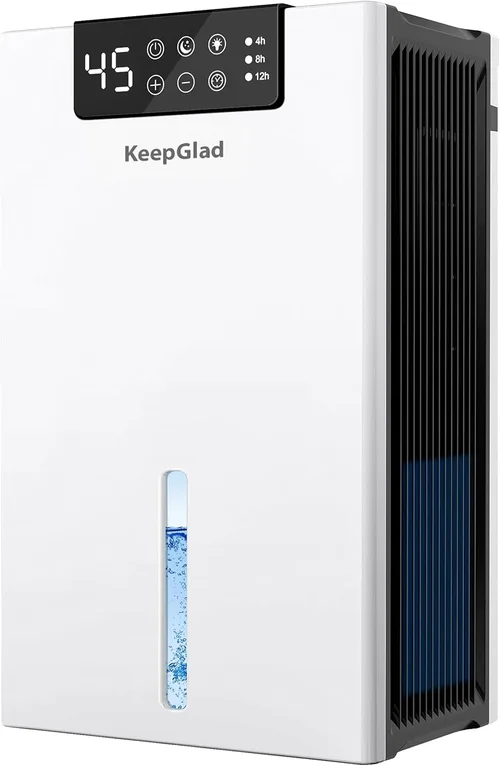
Dehumidifiers are one of those appliances you don’t truly appreciate until you need one—and then you can’t live without it. Whether you’re battling musty odors in a basement, preventing mold growth in a humid climate, or trying to protect sensitive electronics from moisture damage, a quality dehumidifier can make a world of difference. But with so many models on the market—ranging from compact units for small spaces to industrial-grade machines capable of drying out entire crawlspaces—it’s easy to feel overwhelmed when shopping.
That’s exactly why this guide exists. We’ve spent countless hours researching, testing, and comparing dehumidifiers across price ranges, brands, and use cases to bring you a comprehensive, expert-level buying guide. Whether you’re a first-time buyer or upgrading from an older unit, this article will walk you through everything you need to know to make a smart, informed decision. You’ll learn how to evaluate performance specs, understand key features, avoid common pitfalls, and find the best value for your specific needs. By the end, you’ll have the confidence to choose a dehumidifier that delivers reliable performance, energy efficiency, and long-term durability.
The dehumidifier market has evolved significantly over the past decade. What once was a niche appliance is now a mainstream home essential, especially in regions prone to high humidity, flooding, or seasonal dampness. Today’s models come packed with smart sensors, auto-defrost technology, Wi-Fi connectivity, and eco-friendly refrigerants. At the same time, prices vary widely—from under $100 for basic units to over $800 for high-capacity, feature-rich systems. With so much choice, it’s more important than ever to understand what truly matters when selecting the right dehumidifier for your home, office, or storage space.
What to Look for When Buying Buying Guide
1. Budget & Price Range
Your budget is often the first filter when shopping for a dehumidifier, but it shouldn’t be the only one. While it’s tempting to go for the cheapest option, doing so can lead to higher long-term costs due to poor efficiency, frequent repairs, or short lifespan. A dehumidifier is an investment in your home’s air quality and structural integrity, so it’s worth spending wisely.
Entry-level models typically range from $80 to $150 and are suitable for small spaces like closets, bathrooms, or RVs. These units usually have lower moisture removal rates (measured in pints per day) and may lack advanced features like automatic shutoff or digital humidity controls. Mid-range dehumidifiers ($150–$350) offer better performance, quieter operation, and more reliable build quality. This is often the sweet spot for most homeowners, especially those dealing with moderate humidity in basements or large living areas.
Premium models ($350–$600) are built for heavy-duty use and come with features like built-in pumps, Wi-Fi connectivity, and enhanced filtration systems. These are ideal for large homes, flood recovery, or commercial applications. Finally, luxury or industrial-grade units ($600+) are designed for professional use and can remove hundreds of pints of moisture daily. Unless you’re managing a large property or dealing with severe water intrusion, these are likely overkill.
2. Performance Specifications
Performance is the heart of any dehumidifier, and it’s measured primarily by two key specs: moisture removal capacity (in pints per day) and coverage area (in square feet). These numbers tell you how much water the unit can extract from the air and how large a space it can effectively dehumidify.
Moisture removal capacity is usually rated at 80°F and 60% relative humidity—standard testing conditions set by the Department of Energy. For example, a 30-pint dehumidifier can remove up to 30 pints of water per day under those conditions. However, real-world performance may vary depending on temperature and humidity levels. In cooler environments (like basements), refrigerant-based dehumidifiers become less efficient, so you may need a larger unit than the specs suggest.
Coverage area is another critical factor. A 20-pint model might be sufficient for a 500-square-foot basement, but if your space is poorly insulated or has high humidity, you’ll need a higher-capacity unit. Manufacturers often provide recommended room sizes, but it’s wise to err on the side of caution—especially in damp climates or after water damage.
Other performance-related specs include airflow (measured in CFM, or cubic feet per minute), which affects how quickly air circulates through the unit, and the type of compressor (standard vs. rotary). Rotary compressors are generally quieter and more efficient, making them ideal for living spaces.
3. Build Quality & Durability
A dehumidifier is a mechanical device with moving parts, filters, and electrical components—so build quality directly impacts longevity and reliability. Look for units made with sturdy materials like reinforced plastic or metal casings, especially if the dehumidifier will be used in a garage, basement, or other high-traffic area.
Internal components matter too. High-quality compressors, coils, and fans are less likely to fail under continuous use. Check for features like rust-resistant coatings on coils (important in humid environments) and sealed electrical components to prevent moisture damage. Some premium models even include protective grilles or bumpers to withstand accidental bumps.
Another durability factor is the warranty. A longer warranty (3–5 years) often indicates the manufacturer’s confidence in the product. Pay attention to what’s covered—some warranties only cover parts, while others include labor and shipping. Also, check if the warranty is prorated (meaning you pay a percentage of the cost if it fails after a certain time).
Real-world durability can be gauged by user reviews and long-term testing. Units that consistently perform well over several years, even in harsh conditions, are worth the investment. Avoid models with a high rate of compressor failure or coil corrosion, as these issues often require costly repairs or replacement.
4. Features & Functionality
Modern dehumidifiers come with a wide array of features that enhance convenience, efficiency, and control. While not all are essential, some can significantly improve your experience.
Automatic humidity control is a must-have for most users. This feature uses a built-in humidistat to monitor and maintain your desired humidity level (typically between 30% and 50%). Once the target is reached, the unit cycles off, saving energy and preventing over-drying.
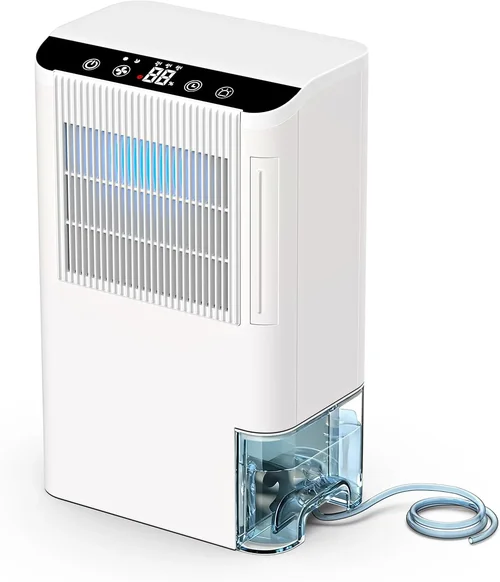
Continuous drainage is another valuable feature, especially for basements or unattended spaces. Instead of emptying a water tank every few hours, you can connect a hose to the dehumidifier and let it drain directly into a floor drain, sink, or sump pump. Some models even include a built-in pump that can push water vertically or over long distances—ideal for homes without floor drains.
Auto-defrost is critical for cold environments. If the coils freeze (common in temperatures below 60°F), the unit stops working. Auto-defrost technology detects ice buildup and temporarily switches to heating mode to melt it, ensuring uninterrupted operation.
Other useful features include:
– Timer function: Set the unit to run for a specific duration or turn on/off at scheduled times.
– Filter indicator: Alerts you when the air filter needs cleaning or replacement.
– Quiet operation: Look for models with noise levels below 50 decibels for use in bedrooms or living rooms.
– Wi-Fi connectivity: Allows remote control via smartphone apps, useful for monitoring humidity levels when away from home.
5. Brand Reputation
Not all dehumidifier brands are created equal. Some have decades of experience in climate control, while others are newer entrants with mixed reviews. Choosing a reputable brand can save you from headaches down the road.
Established brands like Frigidaire, Honeywell, GE, and LG are known for consistent performance, reliable customer service, and wide availability of replacement parts. These companies often invest in research and development, resulting in more efficient and durable products.
Specialty brands like AprilAire and Santa Fe focus on whole-house or commercial dehumidification and are excellent for large-scale applications. Meanwhile, brands like hOmeLabs and Eva-Dry offer budget-friendly options with solid performance for residential use.
When evaluating brand reputation, consider:
– Customer service responsiveness
– Availability of technical support
– Ease of warranty claims
– Online reviews and ratings (especially on third-party sites like Consumer Reports or Wirecutter)
Avoid no-name or ultra-cheap brands sold exclusively through online marketplaces. These often lack proper certifications, have poor build quality, and offer little to no customer support.
6. Warranty & Support
A strong warranty is a sign of a manufacturer’s confidence in their product—and your protection against defects or failures. Most dehumidifiers come with a standard 1-year limited warranty, but many reputable brands offer extended coverage.
Look for warranties that cover:
– Compressor and sealed system (typically 2–5 years)
– Parts and labor (at least 1 year)
– Free replacement or repair services
Some brands, like Frigidaire, offer a 2-year compressor warranty and a 5-year sealed system warranty on select models. Others, like Honeywell, provide a 1-year full warranty with optional extended plans.
Customer support is equally important. Can you easily reach a technician? Are replacement parts available? Is there a local service center? Check the brand’s website for support resources, FAQs, and contact information before buying.
7. Size & Portability
Dehumidifiers come in various sizes, from compact 10-pint units that fit under a sink to large 70-pint models that require two people to move. Size affects not only where you can place the unit but also how easily you can relocate it.
Portability features to look for include:
– Integrated handles: Ergonomic grips make lifting and carrying easier.
– Wheels or casters: Essential for larger units—look for locking wheels to prevent rolling.
– Compact footprint: Important if space is limited, such as in a closet or RV.
Weight is another consideration. A 30-pint dehumidifier might weigh 30–40 pounds when empty and significantly more when the tank is full. If you plan to move the unit between floors or rooms, choose a lighter model or one with wheels.
Also consider the water tank size. Larger tanks (2–3 gallons) reduce the frequency of emptying but add to the overall size and weight. Some models offer removable tanks with spouts for easier pouring.
8. User Reviews & Ratings
While specs and features are important, real-world performance is best judged by user feedback. Online reviews provide insights into reliability, noise levels, ease of use, and customer service experiences.
When reading reviews, focus on:
– Consistency across multiple sources (Amazon, Best Buy, Home Depot, etc.)
– Long-term feedback (reviews from users who’ve owned the unit for 6+ months)
– Specific complaints or praises (e.g., “compressor failed after 8 months” or “quietest dehumidifier I’ve owned”)
Be cautious of overly positive or negative reviews that seem fake. Look for detailed, balanced feedback that includes both pros and cons. Also, check if the manufacturer responds to negative reviews—this can indicate good customer service.
Different Types of Buying Guide

Common Buying Mistakes to Avoid
❌ Mistake: Buying Based Solely on Price
Why it’s bad: The cheapest dehumidifier often comes with hidden costs—higher energy bills, frequent breakdowns, and shorter lifespan. A $90 unit that fails after a year ends up costing more than a $200 model that lasts five years.
What to do instead: Focus on total cost of ownership. Consider energy efficiency, warranty length, and expected lifespan. Look for Energy Star-certified models, which use up to 15% less energy than standard units.
❌ Mistake: Ignoring Room Size and Humidity Level
Why it’s bad: A dehumidifier that’s too small for your space will run constantly, wear out quickly, and fail to reduce humidity effectively. Conversely, an oversized unit may cycle too frequently, wasting energy.
What to do instead: Measure your space and assess humidity levels. Use a hygrometer to check relative humidity. Match the dehumidifier’s capacity (pints per day) to your room size and moisture level.
❌ Mistake: Overlooking Drainage Options
Why it’s bad: If you can’t use continuous drainage, you’ll need to empty the water tank regularly—sometimes multiple times a day. This is inconvenient and can lead to neglect, causing the unit to shut off when full.
What to do instead: Choose a model with a built-in pump or hose connection if you can’t access a drain. Even if you plan to use the tank now, future needs may change.
❌ Mistake: Skipping the Warranty Check
Why it’s bad: Dehumidifiers have complex components like compressors and coils that can fail. Without a solid warranty, repairs can cost nearly as much as a new unit.
What to do instead: Always check the warranty terms before buying. Prefer models with at least a 2-year compressor warranty and 1-year full coverage.
❌ Mistake: Not Considering Noise Levels
Why it’s bad: A loud dehumidifier can disrupt sleep, work, or relaxation—especially in open-plan homes or bedrooms.
What to do instead: Look for noise ratings (in decibels) in the product specs. Choose units under 50 dB for quiet operation. Desiccant and thermo-electric models are typically quieter than compressor-based ones.
❌ Mistake: Ignoring Filter Maintenance
Why it’s bad: A dirty filter reduces airflow, lowers efficiency, and can cause the unit to overheat or fail prematurely.
What to do instead: Choose models with washable or easy-to-replace filters. Set a reminder to clean or replace the filter every 1–2 months during peak use.
❌ Mistake: Buying Without Reading Reviews
Why it’s bad: Specs don’t tell the whole story. Real users often reveal issues like poor customer service, design flaws, or unexpected noise.
What to do instead: Read reviews from multiple sources. Pay attention to long-term feedback and common complaints. Avoid models with a high failure rate.
Budget Guidelines: How Much Should You Spend?
Entry-Level ($80–$150): These are ideal for small spaces like closets, bathrooms, or RVs. Expect basic features, lower capacity (10–20 pints), and limited durability. Best for occasional use or low-humidity areas. Look for models with auto-shutoff and washable filters.
Mid-Range ($150–$350): This is the sweet spot for most homeowners. These units offer 30–50 pints of moisture removal, quiet operation, and features like auto-humidistat, continuous drainage, and auto-defrost. Brands like hOmeLabs, Frigidaire, and Honeywell dominate this category with reliable performance and good warranties.
Premium ($350–$600): Designed for large basements, flood recovery, or high-humidity environments. These models often include built-in pumps, Wi-Fi connectivity, advanced filtration, and extended warranties. Ideal for those who want top-tier performance and smart features.
Luxury ($600+): These are whole-house or industrial-grade units for professionals or large properties. They integrate with HVAC systems, offer remote monitoring, and can remove 70+ pints per day. Only necessary for extreme conditions or commercial use.
Expert Tips for Getting the Best Deal
1. Buy During Off-Peak Seasons: Dehumidifiers are in highest demand during summer and hurricane season. Prices drop significantly in fall and winter. Look for sales around Black Friday, Cyber Monday, or post-hurricane season.
2. Shop at Retailers with Strong Return Policies: Stores like Best Buy, Home Depot, and Lowe’s offer generous return windows (often 30–90 days). This gives you time to test the unit and ensure it works as expected.
3. Check for Rebates and Incentives: Some utility companies offer rebates for Energy Star-certified dehumidifiers. Check your local provider’s website for available programs.
4. Compare Online and In-Store Prices: Online retailers often have lower prices, but in-store purchases allow you to inspect the unit and ask questions. Use price-matching policies when available.
5. Look for Bundled Deals: Some retailers offer discounts when you buy a dehumidifier with other appliances (e.g., air purifiers or humidifiers). These can save you 10–20%.
6. Consider Refurbished or Open-Box Models: Certified refurbished units from reputable sellers often come with warranties and sell for 20–40% less than new. Just ensure they’re inspected and tested.
7. Test Before Committing: If possible, run the dehumidifier in your space for a few days. Check noise levels, humidity reduction, and ease of use. Return it if it doesn’t meet expectations.
8. Register for Manufacturer Alerts: Sign up for newsletters from brands like Frigidaire or Honeywell. They often send exclusive discounts, early access to sales, and product updates.
Frequently Asked Questions
Q: How do I know what size dehumidifier I need?
A: Calculate your room’s square footage and assess humidity level. Use this guide: 10–15 pints per 1,000 sq ft for normal humidity, 20–30 pints for damp or wet conditions. Always round up if your space is poorly insulated or has water intrusion.
Q: Can I run a dehumidifier 24/7?
A: Yes, most modern dehumidifiers are designed for continuous operation. However, use a humidistat to prevent over-drying, which can damage wood and increase static electricity.
Q: Do dehumidifiers use a lot of electricity?
A: It depends on the model and usage. Energy Star-certified units use about 15% less energy. A typical 30-pint dehumidifier uses 300–500 watts. Run it only when needed to save on electricity.
Q: Should I use a dehumidifier in winter?
A: Only if your basement or crawlspace is damp. In cold weather, refrigerant dehumidifiers lose efficiency below 60°F. Use a desiccant model or one with auto-defrost.
Q: How often should I clean the filter?
A: Every 1–2 months during peak use. A dirty filter reduces efficiency and can cause the unit to overheat.
Q: Can a dehumidifier help with mold?
A: Yes, by reducing humidity below 50%, it inhibits mold growth. However, existing mold should be cleaned by a professional before using a dehumidifier.
Q: Is a built-in pump worth it?
A: If you can’t access a floor drain, a pump is essential. It allows the unit to drain vertically or over long distances, reducing the need to empty the tank.
Q: Are mini dehumidifiers effective?
A: They work well in small, enclosed spaces like closets or RVs but lack the capacity for larger areas. Use them as supplements, not primary units.
Q: How long do dehumidifiers last?
A: With proper maintenance, most last 5–10 years. Compressor failure is the most common issue, often covered under warranty.
Q: Can I use a dehumidifier in an unheated basement?
A: Yes, but choose a model with auto-defrost or a desiccant type, which works better in cold temperatures.
Our Final Recommendations
Best for Budget-Conscious Buyers: hOmeLabs 30 Pint Dehumidifier – Offers excellent performance, quiet operation, and a washable filter at an affordable price. Ideal for small to medium basements.
Best Overall Value: Frigidaire FFAD7033R1 70 Pint Dehumidifier – High capacity, Energy Star certified, with a built-in pump and 2-year compressor warranty. Perfect for large, damp spaces.
Best Premium Option: AprilAire E080 70 Pint Whole-House Dehumidifier – Designed for HVAC integration, it provides centralized humidity control for entire homes with professional-grade reliability.
Best for Beginners: Honeywell TP70WKN 70 Pint Dehumidifier – User-friendly controls, auto-humidistat, and excellent customer support make it ideal for first-time buyers.
Best for Advanced Users: Santa Fe Compact 70 – A high-efficiency, ductable dehumidifier with advanced controls and low energy use, perfect for tech-savvy homeowners or contractors.
Conclusion: Making the Right Choice
Choosing the right dehumidifier doesn’t have to be overwhelming. By focusing on your specific needs—room size, humidity level, budget, and desired features—you can narrow down the options and find a unit that delivers reliable performance and long-term value. Remember, the best dehumidifier is not necessarily the most expensive or feature-packed, but the one that fits your environment and lifestyle.
Prioritize energy efficiency, build quality, and warranty coverage. Don’t overlook drainage options, noise levels, and ease of maintenance. And always read real user reviews to uncover insights that specs alone can’t reveal.
Whether you’re protecting your home from mold, improving indoor air quality, or simply making your space more comfortable, a quality dehumidifier is a smart investment. Use this guide as your roadmap, and you’ll be well-equipped to make a confident, informed decision.
Now that you have all the knowledge you need, it’s time to take action. Compare models, check current deals, and choose the dehumidifier that will keep your home dry, healthy, and comfortable for years to come.