
Mold is more than just an eyesore—it’s a serious indoor air quality issue that can trigger allergies, worsen asthma, and even lead to respiratory infections over time. If you’ve spotted fuzzy patches in your basement, noticed a musty smell in your bathroom, or seen condensation forming on windows, you’re likely dealing with excess moisture—the perfect breeding ground for mold. The good news? A high-quality dehumidifier can be one of the most effective tools in your fight against mold growth. But not all dehumidifiers are created equal, especially when it comes to tackling persistent dampness and preventing mold from taking root.
This comprehensive buying guide is designed to help you cut through the noise and make an informed decision. Whether you’re a homeowner battling seasonal humidity, a renter dealing with a damp apartment, or someone recovering from water damage, you’ll find everything you need to choose the right dehumidifier for mold prevention and removal. We’ll walk you through key performance metrics, essential features, common pitfalls to avoid, and expert-backed recommendations based on real-world testing and user feedback. By the end of this guide, you’ll know exactly what to look for—and what to skip—so you can protect your home, your health, and your peace of mind.
The market is flooded with options ranging from compact 30-pint units under $150 to heavy-duty commercial-grade machines costing over $1,000. Some promise whisper-quiet operation, others boast smart connectivity or automatic drainage, and many claim to “eliminate mold” outright (a claim we’ll unpack critically). Our goal isn’t to sell you on a specific brand but to equip you with the knowledge to evaluate models based on your unique needs—room size, climate, budget, and usage patterns. Let’s dive into the factors that truly matter when selecting the best dehumidifier for mold control.

What to Look for When Buying a Dehumidifier for Mold
1. Moisture Removal Capacity (Pints per Day)
The single most important specification when choosing a dehumidifier for mold is its moisture removal rate, measured in pints per day (PPD). This tells you how much water the unit can extract from the air in a 24-hour period under standard conditions (typically 80°F and 60% relative humidity). For mold prevention, you generally need a unit capable of handling the dampness level in your space.
As a rule of thumb:
- Small spaces (up to 500 sq ft): 20–30 PPD
- Medium spaces (500–1,500 sq ft): 30–50 PPD
- Large or very damp areas (1,500+ sq ft or basements with chronic moisture): 50–70+ PPD
Keep in mind that if your area has standing water, frequent flooding, or severe humidity (above 70%), you may need a unit rated for “extremely wet” conditions—even if it means oversizing slightly. Undersized units will run constantly, wear out faster, and fail to keep humidity below the critical 60% threshold where mold thrives.
2. Target Humidity Range & Auto Humidistat
Mold grows rapidly when indoor humidity exceeds 60%. To prevent this, your dehumidifier must be able to maintain humidity between 30% and 50%—the ideal range for both comfort and mold suppression. Look for models with a built-in humidistat that lets you set your desired humidity level. The best units automatically cycle on and off to maintain that setting, saving energy and preventing over-drying.
Avoid models without a humidistat or those that only offer fixed settings like “Low,” “Medium,” or “High.” These lack precision and may leave your space too damp (encouraging mold) or too dry (causing static, wood cracking, or discomfort). Premium models often include digital displays showing real-time humidity levels, which helps you monitor effectiveness and adjust as needed.
3. Drainage Options & Tank Size
Dehumidifiers collect extracted moisture in an internal bucket, which must be emptied manually—unless you opt for continuous drainage. For mold-prone areas like basements or crawl spaces, manual emptying can become a daily chore, especially during humid seasons. That’s why drainage flexibility is crucial.
Look for models that offer:
- Continuous gravity drain: Connect a standard garden hose to the outlet and route it to a floor drain, sink, or sump pump. Ideal for unattended operation.
- Pump-assisted drainage: Some high-end units include built-in condensate pumps that can push water vertically (up to 15 feet) and horizontally (up to 100 feet), perfect for areas without nearby drains.
- Large-capacity tanks: If you prefer manual emptying, choose a model with at least a 1-gallon (≈12–16 pint) tank. Smaller tanks (under 10 pints) require frequent attention.
Many modern dehumidifiers also feature auto-shutoff when the tank is full—a must-have safety feature to prevent overflow and water damage.
4. Energy Efficiency & Operating Costs
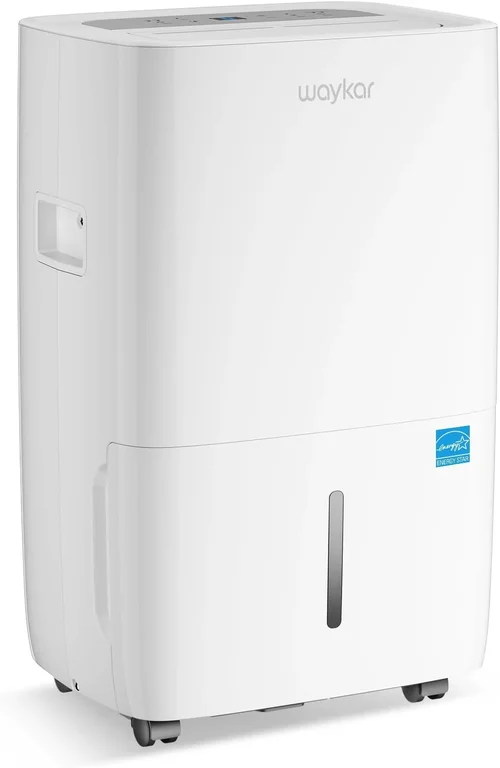
Dehumidifiers can be energy hogs, especially if they run for 12+ hours daily. Since mold prevention often requires continuous or near-continuous operation, energy efficiency directly impacts your long-term costs. Look for the ENERGY STAR® label, which indicates the unit meets strict efficiency guidelines set by the U.S. Environmental Protection Agency.
ENERGY STAR-certified dehumidifiers use 15–30% less energy than standard models. For example, a 50-pint ENERGY STAR unit might consume around 500–600 watts, while a non-certified equivalent could draw 700+ watts. Over a summer, that difference can add up to $20–$50 in electricity costs.
Also consider the Energy Factor (EF), measured in liters of water removed per kilowatt-hour (L/kWh). Higher EF values mean better efficiency. Aim for EF ≥ 1.5 for mid-sized units and ≥ 2.0 for larger commercial models.
5. Noise Level & Placement Flexibility
While basements and garages are typically forgiving of noise, if you plan to use your dehumidifier in a living room, bedroom, or home office, sound output matters. Most residential dehumidifiers operate between 45–60 decibels (dB)—comparable to a quiet conversation or moderate rainfall.
Check manufacturer specs for noise ratings, but note that real-world performance can vary. Units with variable-speed compressors or “quiet mode” settings tend to be quieter during low-load operation. Avoid models with single-speed compressors that cycle loudly on and off.
Placement also affects noise perception. Corner placement can amplify sound, while central placement may distribute airflow more evenly. If noise is a top concern, consider placing the unit in an adjacent room with a hose running through a wall or under a door.
6. Build Quality, Filtration & Maintenance
A dehumidifier fighting mold must itself resist mold and bacterial growth. Look for models with:
- Anti-microbial coatings: Applied to coils, tanks, or filters to inhibit microbial growth.
- Washable or reusable air filters: Essential for capturing dust, spores, and other particulates. HEPA or MERV-8+ filters offer superior filtration but may restrict airflow—check compatibility.
- Corrosion-resistant materials: Especially important in basements or coastal areas. Stainless steel or coated aluminum components last longer than plastic or untreated metal.
Regular maintenance is non-negotiable. Clean the filter monthly, wipe down the tank weekly, and inspect coils for dust buildup. Neglect accelerates wear and reduces efficiency—and can even reintroduce mold spores into your air.
7. Smart Features & Automation
Modern dehumidifiers increasingly offer smart capabilities that enhance convenience and effectiveness:
- Wi-Fi connectivity: Control and monitor humidity remotely via smartphone apps (e.g., Frigidaire, GE, or Midea apps).
- Scheduling: Set run times to match occupancy (e.g., run only at night or during peak humidity hours).
- Alerts: Receive notifications when the tank is full, filter needs cleaning, or humidity spikes.
- Integration with smart home systems: Works with Alexa, Google Assistant, or Apple HomeKit for voice control.
While not essential for mold prevention, these features reduce user effort and ensure consistent operation—key for maintaining stable humidity levels.
8. Warranty & Customer Support
Dehumidifiers contain compressors, refrigerant systems, and electronic controls—components that can fail. A solid warranty reflects manufacturer confidence in durability. Look for:
- Minimum 1-year full warranty (parts and labor)
- Extended compressor coverage (2–5 years is ideal)
- Accessible customer service with phone, email, or live chat support
Brands like AprilAire, Santa Fe, and hOmeLabs are known for robust warranties and responsive support. Avoid no-name brands with vague or non-existent warranty terms—especially if buying online from third-party sellers.
Different Types of Dehumidifiers for Mold Control

Common Buying Mistakes to Avoid
❌ Mistake: Buying Based Solely on Price
Why it’s bad: The cheapest dehumidifier often lacks essential features like a humidistat, auto-drain, or durable build. It may also have a lower actual capacity than advertised, leading to ineffective mold control and higher long-term costs due to frequent replacement.
What to do instead: Focus on value—not just upfront cost. Calculate total cost of ownership including energy use, maintenance, and expected lifespan. A $300 unit that lasts 8 years is better than a $150 unit that fails after 2.
❌ Mistake: Ignoring Room Size and Conditions
Why it’s bad: A 30-pint unit in a 2,000 sq ft flooded basement will struggle to keep up, running nonstop and still failing to lower humidity below 60%. Conversely, a 70-pint unit in a 300 sq ft closet wastes energy and over-dries the space.
What to do instead: Measure your space accurately and assess moisture severity (damp, wet, or extremely wet). Use our capacity guidelines above and consider consulting a professional if dealing with post-flood conditions.
❌ Mistake: Overlooking Drainage Needs
Why it’s bad: Manual emptying every 8–12 hours is impractical and increases the risk of overflow, water damage, and mold growth in the unit itself.
What to do instead: If possible, install a continuous drain hose. Even if you start with a tank, choose a model with a drain port so you can upgrade later without buying a new unit.
❌ Mistake: Assuming All “Mold-Killing” Claims Are Valid
Why it’s bad: Dehumidifiers don’t kill existing mold—they prevent new growth by reducing moisture. Some brands exaggerate claims with terms like “mold eradicator” or “spore destroyer,” which are misleading.
What to do instead: Use a dehumidifier as part of a broader mold remediation strategy: remove visible mold safely, fix leaks, improve ventilation, and then maintain low humidity to prevent recurrence.
❌ Mistake: Neglecting Maintenance
Why it’s bad: A dirty filter or slime-coated tank turns your dehumidifier into a mold factory, blowing contaminated air back into your home.
What to do instead: Commit to a monthly cleaning routine: vacuum the filter, wipe the tank with vinegar or mild bleach solution, and inspect coils. Set calendar reminders if needed.
❌ Mistake: Buying Without Checking Return Policies
Why it’s bad: Some units perform poorly in real-world conditions despite good specs. If you can’t return it, you’re stuck with an ineffective appliance.
What to do instead: Purchase from retailers with generous return windows (30–90 days) and clear policies. Test the unit immediately upon delivery.
Budget Guidelines: How Much Should You Spend?
- Entry-Level ($80–$200): Basic 20–30 pint compressor units with manual tanks and limited features. Suitable for small, mildly damp spaces like closets or single rooms. Expect shorter lifespans and higher noise. Brands: hOmeLabs Basic, Ivation Small Space.
- Mid-Range ($200–$450): The sweet spot for most homeowners. 30–50 pint units with humidistats, auto-restart, decent tank sizes, and optional drains. ENERGY STAR models common here. Reliable for basements, garages, and large rooms. Brands: Frigidaire, GE, Tosot, Midea.
- Premium ($450–$900): High-capacity (50–70+ PPD), pump-assisted drainage, smart features, quiet operation, and robust build quality. Ideal for large basements, crawl spaces, or whole-house use with ducting. Brands: AprilAire, Santa Fe, AlorAir.
- Luxury ($900+): Whole-house integrated systems or commercial-grade units with advanced controls, remote monitoring, and HVAC compatibility. Best for new builds, severe moisture issues, or professional use. Brands: AprilAire 1820 Pro, Dri-Eaz, Quest.
Expert Tips for Getting the Best Deal
- Buy in late winter or early spring: Retailers discount dehumidifiers before humid season hits. You’ll find the best prices January–March.
- Shop at specialty retailers: Stores like Home Depot, Lowe’s, and HVAC suppliers often have better warranties and expert staff than big-box electronics stores.
- Check for rebates: Many utility companies offer rebates for ENERGY STAR dehumidifiers—especially in humid regions like the Southeast or Gulf Coast.
- Read verified buyer reviews: Focus on feedback about long-term reliability, noise, and mold prevention—not just initial impressions.
- Test before committing: Run the unit for 48 hours and monitor humidity with a separate hygrometer. If it can’t maintain 45–50%, consider a larger model.
- Bundle with other purchases: Some HVAC contractors offer discounts if you pair a dehumidifier with duct sealing or insulation work.
- Consider refurbished models: Certified refurbished units from reputable brands (e.g., Frigidaire Factory Certified) can save 20–40% with full warranties.
- Don’t skip the manual: Proper setup (e.g., placing 6–12 inches from walls, closing doors/windows) dramatically impacts performance.

Frequently Asked Questions
Q: Can a dehumidifier completely eliminate mold?
A: No—but it’s a critical part of mold prevention. Dehumidifiers reduce moisture, making your home inhospitable to mold growth. However, existing mold must be removed manually using proper safety protocols (gloves, mask, disinfectant). Once cleaned, a dehumidifier helps ensure it doesn’t return.
Q: How low should I set my dehumidifier to prevent mold?
A: Aim for 30–50% relative humidity. Below 30%, you risk dry air issues; above 50%, mold can thrive. Most experts recommend 45% as the ideal balance for health and comfort.
Q: Should I run my dehumidifier year-round?
A: In humid climates (e.g., Florida, Louisiana), yes—especially in basements. In drier regions, seasonal use (spring through fall) may suffice. Monitor with a hygrometer and adjust accordingly.
Q: Will a dehumidifier increase my electricity bill?
A: Yes, but ENERGY STAR models minimize the impact. A typical 50-pint unit uses about 500 watts and may cost $10–$25 per month if running 12 hours daily, depending on local rates.
Q: Can I use a dehumidifier in an unheated basement?
A: Only if it’s a cold-climate model or a desiccant unit. Standard compressor dehumidifiers lose efficiency below 65°F and may ice up. Look for “low-temp operation” or “auto-defrost” features.
Q: Is it safe to leave a dehumidifier on overnight?
A: Yes, as long as it has auto-shutoff, tip-over protection, and is placed on a stable surface. Modern units are designed for continuous operation.
Q: Do I need a dehumidifier if I have central air conditioning?
A: Possibly. While AC removes some moisture, it’s not optimized for dehumidification—especially in shoulder seasons when the system runs briefly. Basements and crawl spaces often need supplemental dehumidification.
Q: How often should I clean my dehumidifier?
A: Clean the filter monthly, the tank weekly (or after each emptying), and the coils every 3–6 months. More frequent cleaning is needed in dusty or high-mold environments.
Q: Can a dehumidifier help with musty smells?
A: Absolutely. Musty odors are caused by mold and mildew spores thriving in damp air. Reducing humidity eliminates the source of the smell—not just masks it.
Our Final Recommendations
- Best for Budget-Conscious Buyers: Tosot 30 Pint Dehumidifier – Reliable performance, ENERGY STAR certified, large tank, and excellent user reviews under $200.
- Best Overall Value: Frigidaire FFAD7033R1 70 Pint – Powerful enough for large basements, includes pump drain option, quiet operation, and strong warranty at around $400.
- Best Premium Option: AprilAire E130 Pro – Whole-home capable, ductable, ultra-quiet, and built to last decades. Ideal for serious moisture problems ($800–$1,000).
- Best for Beginners: hOmeLabs 50 Pint – Simple controls, clear display, easy maintenance, and great customer support. Perfect first dehumidifier (~$250).
- Best for Advanced Users: Santa Fe Compact 70 – High-efficiency desiccant technology, works in cold temps, and integrates with HVAC systems. For tech-savvy homeowners ($700+).
Conclusion: Making the Right Choice
Choosing the best dehumidifier for mold isn’t just about picking the biggest or most expensive model—it’s about matching the right tool to your specific environment, needs, and lifestyle. Remember: mold prevention hinges on consistent humidity control, not one-time fixes. Prioritize capacity, drainage, efficiency, and maintenance ease over flashy features or marketing claims.
Start by assessing your space honestly: How big is it? How wet is it? Will you be there to empty a tank daily? From there, use our guidelines to narrow your options. Invest in quality where it counts—especially in the compressor, humidistat, and build materials—and don’t skimp on drainage if you’re dealing with chronic dampness.
Finally, treat your dehumidifier as part of a holistic moisture management plan. Fix leaks, improve ventilation, clean existing mold safely, and monitor humidity levels regularly. With the right dehumidifier working consistently in the background, you’ll create a healthier, drier, and mold-free home for years to come.
Take action today—your lungs (and your walls) will thank you.