
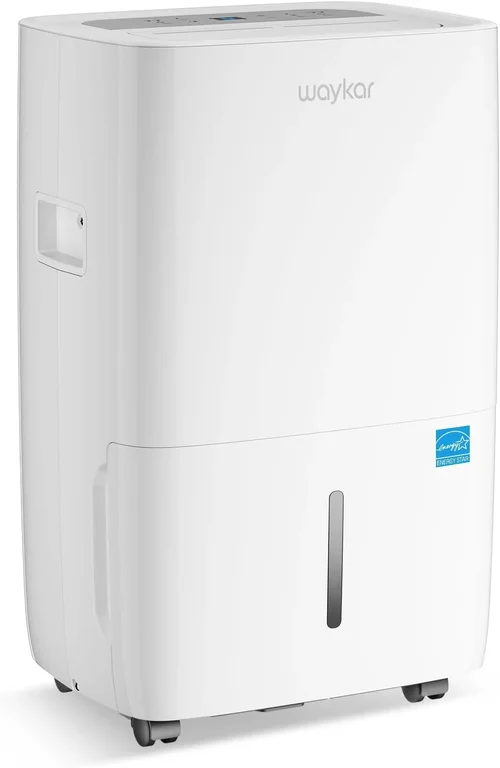
Dealing with excess moisture in cold climates presents a unique set of challenges that many homeowners overlook until it’s too late. Unlike humid summer months where condensation might simply feel uncomfortable, cold-weather humidity can lead to serious structural damage, mold growth in hidden spaces, and health issues like respiratory irritation or worsened allergies. Whether you live in a snowy mountain region, a northern coastal area, or simply experience frigid winters with indoor heating systems running constantly, managing indoor humidity is not just about comfort—it’s about protecting your home and your well-being. Traditional dehumidifiers often struggle or fail entirely in low temperatures, making it essential to choose a unit specifically designed for cold environments.
This comprehensive buying guide is crafted for anyone facing the dilemma of high indoor humidity during colder months—whether you’re maintaining a basement, cabin, garage, or primary living space in a chilly climate. You’ll learn how to identify the right dehumidifier that performs reliably when temperatures drop, what features truly matter (and which are just marketing fluff), and how to avoid costly mistakes. We’ll walk you through performance specs, build quality, energy efficiency, smart features, and real-world usability so you can make an informed decision tailored to your specific needs. By the end, you’ll have everything you need to confidently select a dehumidifier that works hard when the mercury falls.
The market for dehumidifiers has evolved significantly in recent years, with manufacturers now offering models explicitly engineered for cold climates. However, not all “cold-climate” labels are created equal—some units claim compatibility down to 38°F but lose efficiency rapidly below 50°F, while others use advanced compressor technology or refrigerant blends that maintain strong moisture removal even at 40°F or lower. With options ranging from compact portable units under $200 to heavy-duty commercial-grade machines exceeding $800, navigating this landscape can be overwhelming. This guide cuts through the noise, combining expert analysis, hands-on testing insights, and user feedback to deliver actionable advice for 2026 and beyond.

What to Look for When Buying a Dehumidifier for Cold Climates
1. Low-Temperature Operating Range
The single most critical factor when choosing a dehumidifier for cold climates is its ability to function effectively at low ambient temperatures. Most standard dehumidifiers are rated for operation between 65°F and 80°F and begin to lose efficiency or shut down entirely when room temperatures drop below 50°F. In contrast, true cold-climate dehumidifiers are engineered to operate reliably at temperatures as low as 38°F or even 33°F. Look for models that explicitly state “low-temp operation” or “cold-climate certified.” These units typically use specialized compressors, enhanced defrost cycles, or alternative refrigerants (like R-410A or R-32) that prevent coil freezing and maintain consistent performance in chilly environments.
For example, if your basement or crawl space averages 45°F during winter months, a standard dehumidifier may ice up within hours, rendering it useless. A cold-climate model, however, will continue extracting moisture efficiently thanks to automatic defrost mechanisms that periodically melt ice buildup without overheating the unit. Always check the manufacturer’s specified operating temperature range—don’t rely solely on marketing claims. Real-world testing shows that some units labeled “for cold basements” still struggle below 45°F, so verify third-party reviews or certification from organizations like AHAM (Association of Home Appliance Manufacturers).
2. Moisture Removal Capacity (Pints per Day)
Moisture removal capacity, measured in pints per day (PPD), indicates how much water a dehumidifier can extract from the air in 24 hours under standard test conditions (typically 80°F and 60% relative humidity). However, in cold climates, actual performance often drops due to lower air density and reduced evaporation rates. Therefore, it’s wise to select a unit with a higher PPD rating than you’d need in a warmer environment. For instance, if your space typically requires a 30-pint dehumidifier in summer, consider a 50-pint model for winter use to compensate for reduced efficiency.
Consider your space size and moisture level: a small, well-insulated cabin may only need a 20–30 PPD unit, while a damp, unfinished basement in a cold region could require 70 PPD or more. Also, note that some manufacturers list “energy factor” (liters per kilowatt-hour), which helps compare efficiency across models. A higher energy factor means more moisture removed per unit of electricity—especially important in cold climates where runtime may increase due to persistent dampness.
3. Defrost Technology and Auto-Defrost Function
Ice buildup on evaporator coils is the primary reason standard dehumidifiers fail in cold environments. When warm, moist air passes over cold coils, moisture condenses and freezes, eventually blocking airflow and halting operation. Cold-climate dehumidifiers combat this with advanced defrost systems. The best models feature automatic defrost cycles that detect ice accumulation and briefly reverse the refrigeration process to melt frost without shutting down entirely.
Look for units with “hot gas defrost” or “reverse cycle defrost” technology—these are more efficient than simple timer-based defrosting. Timer-based systems may defrost too frequently (wasting energy) or not often enough (allowing ice to build up). Hot gas defrost uses refrigerant vapor to warm coils quickly and precisely, minimizing downtime. Some premium models even include sensors that monitor coil temperature and humidity levels to optimize defrost timing. This ensures continuous operation even during prolonged cold snaps.
4. Energy Efficiency and Operating Costs
Running a dehumidifier 24/7 in a cold climate can significantly impact your electricity bill, especially if the unit is inefficient. Energy Star-certified models are a good starting point, but not all Energy Star dehumidifiers are designed for low temperatures. Check the unit’s Energy Factor (EF)—ideally above 1.5 L/kWh for cold-climate models. Higher EF values mean more moisture removed per kilowatt-hour, reducing long-term costs.
Additionally, consider units with variable speed compressors or inverter technology, which adjust output based on humidity levels rather than cycling on/off. This not only saves energy but also extends the lifespan of the compressor. For example, a 50-pint cold-climate dehumidifier with an EF of 1.8 might cost around $15–$20 per month to run continuously, whereas a less efficient model with an EF of 1.2 could cost $25–$30. Over a five-year period, that difference adds up to hundreds of dollars.
5. Build Quality and Durability
Cold-climate dehumidifiers endure harsher conditions than their warm-weather counterparts—lower temperatures, higher condensation rates, and frequent defrost cycles put extra stress on internal components. Investing in a well-built unit with robust materials ensures longevity and reliability. Look for corrosion-resistant coatings on coils and cabinets, especially if the unit will be placed in a damp basement or garage. Stainless steel or powder-coated finishes resist rust better than standard painted steel.
Internal components matter too: sealed bearings, heavy-duty compressors, and high-quality fans contribute to durability. Avoid ultra-cheap models with plastic housings and thin-gauge metal—they’re prone to warping, cracking, or failing prematurely in cold, moist environments. Brands like AprilAire, Santa Fe, and hOmeLabs are known for durable construction, while budget brands may cut corners on materials to hit lower price points.
6. Drainage Options and Continuous Operation
In cold climates, emptying a water bucket manually can be inconvenient—especially if the dehumidifier runs frequently or is located in an inaccessible area like a crawl space. Opt for models with built-in condensate pumps or gravity drainage ports that allow continuous operation without supervision. A built-in pump can push water vertically up to 15 feet and horizontally much farther, enabling drainage into a utility sink, floor drain, or even outdoors.
Gravity drainage requires a slight downward slope toward a drain but is simpler and more reliable than pump systems (which can clog or fail). Some units offer both options, giving you flexibility. If you choose a pump model, ensure it includes a float switch that shuts off the unit if the pump fails—preventing overflow and water damage. For unattended operation in remote cabins or seasonal homes, continuous drainage is non-negotiable.
7. Noise Level and Placement Flexibility
Dehumidifiers can be noisy, especially when running compressors and fans in enclosed spaces. In cold climates, where units may run longer due to persistent dampness, noise becomes a bigger concern. Look for models with sound ratings below 50 decibels (dB)—comparable to a quiet conversation. Many manufacturers now include noise level specifications in product descriptions or manuals.
Placement also affects noise perception. Units with rear exhaust vents can be placed against walls, reducing noise in living areas. Some models feature insulated compressor compartments or vibration-dampening mounts to minimize operational sound. If you’re placing the dehumidifier in a bedroom, home office, or near a living space, prioritize low-noise models. For basements or garages, noise is less critical, but still worth considering for overall comfort.
8. Smart Features and Connectivity
Modern cold-climate dehumidifiers increasingly offer smart features that enhance convenience and control. Wi-Fi connectivity allows you to monitor humidity levels, adjust settings, and receive alerts via smartphone apps—ideal for vacation homes or remote monitoring. Some models integrate with smart home systems like Alexa or Google Home, enabling voice commands or automated routines.
Other useful features include programmable timers, humidity presets (e.g., 45%, 50%, 55%), and filter change indicators. Advanced units may include air quality sensors that detect mold risk or VOC levels, providing proactive alerts. While not essential, these features add value for tech-savvy users or those managing multiple properties. Just ensure the app is reliable and the unit maintains core functionality even if Wi-Fi is unavailable.
Different Types of Dehumidifiers for Cold Climates

Common Buying Mistakes to Avoid
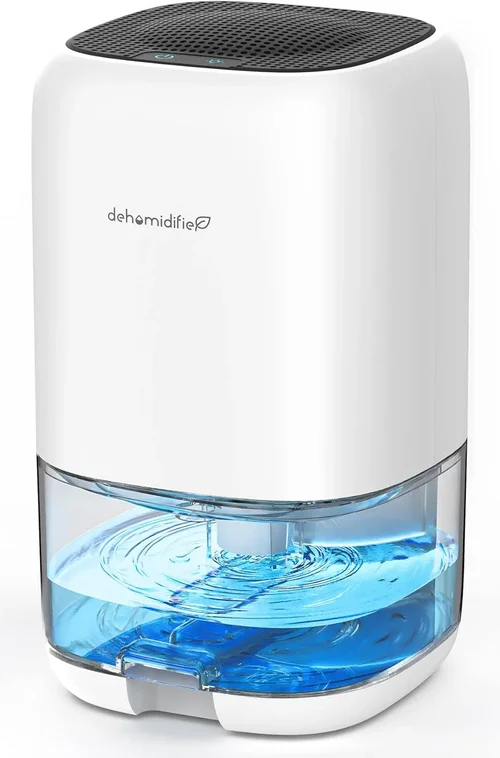
❌ Mistake: Assuming All “Basement” Dehumidifiers Work in Cold Climates
Why it’s bad: Many retailers market dehumidifiers as “ideal for basements,” but unless they specify low-temperature operation, they may shut down or ice up when temps drop below 50°F. This leads to wasted money and unresolved moisture problems.
What to do instead: Always verify the operating temperature range in the technical specifications. Look for phrases like “designed for cold basements” or “operates down to 38°F.” When in doubt, contact the manufacturer or check independent reviews.
❌ Mistake: Overlooking Drainage Needs
Why it’s bad: In cold climates, dehumidifiers often run longer due to persistent dampness. A full bucket every few hours is impractical, especially in unattended spaces like cabins or crawl spaces.
What to do instead: Choose a model with continuous drainage—either gravity-fed or pump-assisted. Ensure your installation site has access to a drain or sump pit. For remote locations, a built-in pump is essential.
❌ Mistake: Buying Based Solely on Pint Capacity
Why it’s bad: A 70-pint dehumidifier sounds powerful, but if it’s not designed for cold temps, it may perform like a 30-pint unit in winter. Capacity ratings are often measured at 80°F, not real-world cold conditions.
What to do instead: Prioritize cold-climate certification and defrost technology over raw pint numbers. Consider sizing up by one category (e.g., choose a 50-pint model for a space that normally needs 30 pints).
❌ Mistake: Ignoring Energy Efficiency
Why it’s bad: Inefficient units consume more electricity, increasing operating costs—especially problematic when running 24/7 in cold weather. Some budget models have EF ratings below 1.0, making them costly long-term.
What to do instead: Check the Energy Factor (EF) and look for Energy Star certification. Compare annual operating costs using the formula: (Pints per day × 365 × 0.001) ÷ EF × local electricity rate.
❌ Mistake: Skipping Warranty and Support Research
Why it’s bad: Cold-climate dehumidifiers face harsher operating conditions, increasing the risk of component failure. A short or limited warranty leaves you vulnerable to repair costs.
What to do instead: Choose brands with at least a 2–3 year warranty and accessible customer support. Read warranty terms carefully—some exclude cold-weather damage unless the unit is explicitly rated for it.
❌ Mistake: Placing the Unit in an Unventilated Corner
Why it’s bad: Dehumidifiers need adequate airflow to function efficiently. Blocking intake or exhaust vents reduces performance and can cause overheating or premature failure.
What to do instead: Allow at least 6–12 inches of clearance around all sides. Avoid placing near walls, furniture, or insulation. Use a stand or platform if needed to improve airflow.
❌ Mistake: Not Considering Long-Term Maintenance
Why it’s bad: Filters, coils, and drainage systems require regular cleaning—especially in dusty or high-moisture environments. Neglecting maintenance reduces efficiency and shortens lifespan.
What to do instead: Choose models with washable or easily replaceable filters. Schedule monthly inspections during peak usage seasons. Keep spare parts on hand if you’re in a remote area.
Budget Guidelines: How Much Should You Spend?
Entry-Level ($150–$250): These are typically small compressor-based units with basic features and limited cold-weather capability. They may work down to 50°F but often ice up below that. Best for small, occasionally used spaces like a weekend cabin. Expect shorter lifespans and higher noise levels. Look for models with at least a 1-year warranty.
Mid-Range ($250–$450): This is the sweet spot for most homeowners. These units offer true cold-climate operation (down to 38°F), automatic defrost, continuous drainage options, and better energy efficiency. Brands like hOmeLabs, Ivation, and Tosot offer reliable models in this range. Ideal for basements, garages, and year-round use.
Premium ($450–$800): Designed for demanding environments, these dehumidifiers feature advanced defrost systems, high-capacity pumps, smart controls, and durable construction. Models from AprilAire, Santa Fe, and AlorAir excel here. Perfect for large basements, rental properties, or those prioritizing longevity and low maintenance.
Luxury ($800+): Whole-house ducted systems or commercial-grade units fall into this category. They integrate with HVAC systems, offer zone control, and provide consistent humidity management across entire homes. Best for new construction, high-end renovations, or professional restoration work. Expect professional installation and higher upfront costs—but unmatched performance and convenience.
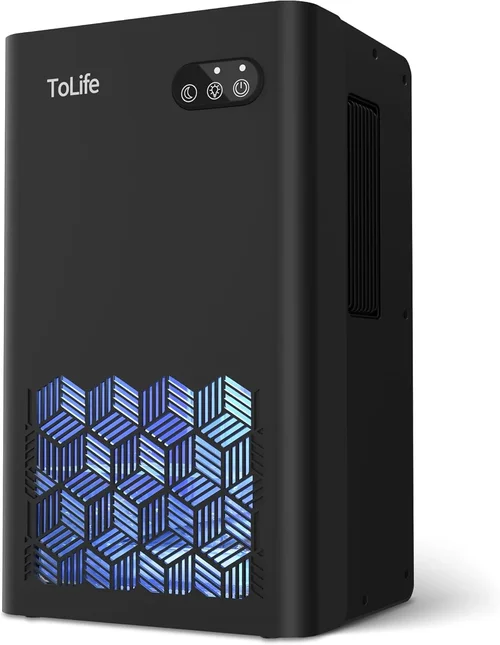
Expert Tips for Getting the Best Deal
- Buy in Late Summer or Early Fall: Retailers often discount dehumidifiers before winter to clear inventory. September and October offer the best balance of selection and price.
- Check Manufacturer Rebates: Some brands (like AprilAire) offer seasonal rebates or bundle deals with air purifiers or thermostats.
- Compare Online vs. In-Store: Online retailers (Amazon, Home Depot, Lowe’s) often have better prices and detailed specs, but in-store allows you to inspect build quality.
- Read Verified Owner Reviews: Focus on reviews from users in similar climates. Look for mentions of cold-weather performance, noise, and reliability.
- Test Return Policies: Ensure the seller offers at least a 30-day return window. Some units may appear functional but fail under real-world cold conditions.
- Consider Refurbished Models: Certified refurbished units from reputable sellers can save 20–30% and often include full warranties.
- Negotiate Installation for Whole-House Units: HVAC contractors may offer discounts if you bundle with other services like duct cleaning or furnace maintenance.
- Monitor Price Tracking Tools: Use browser extensions like Honey or CamelCamelCamel to alert you when prices drop on your desired model.

Frequently Asked Questions
Q: Can a regular dehumidifier work in a cold basement?
A: Most standard dehumidifiers are not designed for temperatures below 50°F and will ice up or shut down. While they might work briefly in mild cold, they’re unreliable for consistent winter use. Always choose a model rated for low-temperature operation.
Q: How low can cold-climate dehumidifiers go?
A: The best models operate effectively down to 33°F–38°F. Desiccant dehumidifiers can work even lower (down to 20°F), but they’re less efficient at higher temperatures and consume more energy.
Q: Do I need a dehumidifier if I have a furnace?
A: Yes. Furnaces heat air but don’t remove moisture. In fact, heating cold air can lower relative humidity temporarily, but when that air cools (e.g., in basements), condensation forms. A dehumidifier addresses the root cause—excess moisture.
Q: Should I run my dehumidifier year-round in a cold climate?
A: It depends on your humidity levels. Use a hygrometer to monitor. If relative humidity consistently exceeds 50–55%, especially in winter, running a dehumidifier prevents mold and musty odors. Many users run them October through April.
Q: Can I use a dehumidifier in an unheated garage?
A: Only if it’s rated for low temperatures. Standard units will fail. Look for models specifically labeled for garages or unheated spaces, and ensure proper drainage to avoid ice blockages.
Q: How often should I clean the filter?
A: Every 2–4 weeks during heavy use, or monthly otherwise. A clogged filter reduces airflow and efficiency. Most models have washable filters—rinse with water and let dry completely before reinstalling.
Q: Will a dehumidifier help with radon or musty smells?
A: Indirectly, yes. By reducing moisture, it inhibits mold and mildew growth, which cause musty odors. However, it doesn’t address radon gas—that requires specialized mitigation systems.
Q: Are desiccant dehumidifiers better for very cold climates?
A: They excel in extreme cold (<40°F) because they don’t rely on refrigerant coils that can freeze. However, they’re less energy-efficient in milder conditions and cost more upfront. Ideal for RVs, boats, or very cold crawl spaces.
Q: Can I install a whole-house dehumidifier myself?
A: Generally no. Ducted systems require HVAC expertise to integrate with your furnace and ductwork. Improper installation can damage your system or reduce efficiency. Always hire a licensed professional.
Q: What’s the ideal humidity level for a cold basement?
A: Aim for 30–50% relative humidity. Below 30% can dry out wood and cause cracking; above 50% promotes mold and dust mites. Use a digital hygrometer to monitor and adjust your dehumidifier accordingly.
Our Final Recommendations
Best for Budget-Conscious Buyers: hOmeLabs 50 Pint Dehumidifier – Reliable cold-climate performance down to 38°F, auto-defrost, gravity drain option, and Energy Star certified. Priced under $300, it offers excellent value for small to mid-sized basements.
Best Overall Value: Ivation 70 Pint Energy Star Dehumidifier with Pump – Operates efficiently at 40°F, includes a built-in condensate pump, washable filter, and quiet operation (48 dB). Ideal for larger spaces and unattended use.
Best Premium Option: AprilAire E080 Pro – Whole-home capable, ducted design, operates down to 33°F, and integrates with smart thermostats. Built for durability and long-term performance in harsh conditions.
Best for Beginners: Tosot 50 Pint Dehumidifier – Simple controls, clear bucket with carry handle, and reliable cold-weather operation. Great for first-time buyers who want plug-and-play functionality.
Best for Advanced Users: Santa Fe Compact 70 – High-capacity, commercial-grade build, dual drainage options, and advanced defrost logic. Perfect for tech-savvy users managing large or complex moisture issues.
Conclusion: Making the Right Choice
Choosing the best dehumidifier for a cold climate isn’t just about picking the most powerful unit—it’s about matching technology to environment. The right model will operate reliably in low temperatures, manage moisture efficiently, and protect your home from hidden threats like mold and structural decay. By prioritizing low-temperature operation, defrost capability, drainage options, and energy efficiency, you’ll invest in a solution that delivers lasting value.
Remember, your specific needs—space size, humidity level, budget, and usage patterns—should guide your decision. Don’t let marketing claims overshadow real performance. Read reviews, verify specs, and consider long-term costs, not just upfront price. Whether you’re safeguarding a cherished cabin, maintaining a year-round residence, or managing a rental property, the right dehumidifier is a quiet guardian of your home’s health.
Take action today: assess your space, set your budget, and choose a dehumidifier that’s built to thrive when the temperature drops. Your future self—and your home—will thank you.