
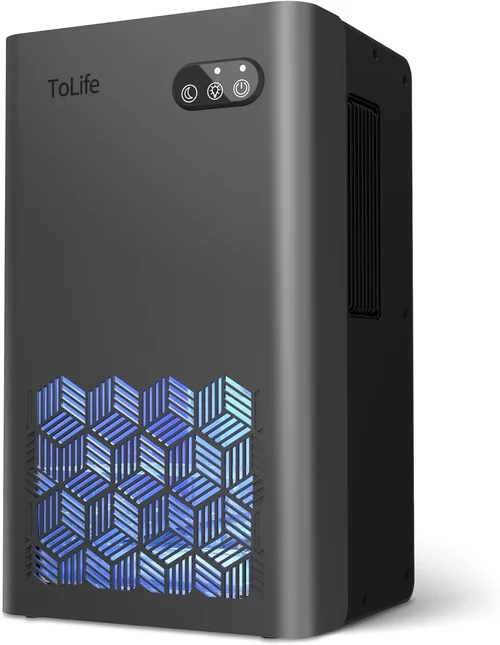
Dealing with a damp, musty basement is more than just an inconvenience—it’s a threat to your home’s structural integrity, your family’s health, and even the value of your property. Moisture creeping into small basements creates the perfect breeding ground for mold, mildew, dust mites, and rust. Over time, this can lead to warped wood, damaged insulation, ruined stored belongings, and respiratory issues like allergies or asthma. If you’ve ever opened your basement door and been hit with that unmistakable “basement smell,” you know exactly what we’re talking about.
That’s where a high-quality dehumidifier comes in. But not all dehumidifiers are created equal—especially when it comes to small basements. These spaces often have unique challenges: limited airflow, poor ventilation, fluctuating temperatures, and confined layouts. A unit that works well in a large living room might underperform or overwork in a compact basement. That’s why choosing the right dehumidifier isn’t just about picking the biggest or most expensive model—it’s about finding one tailored to your specific needs, space, and budget.
In this comprehensive buying guide, we’ll walk you through everything you need to know to select the best dehumidifier for your small basement in 2026. Whether you’re battling seasonal humidity, chronic dampness, or just trying to keep your stored items dry, we’ve got you covered. You’ll learn how to evaluate performance specs, understand key features, avoid common pitfalls, and make a smart investment that delivers lasting results. We’ll also break down real-world scenarios, compare top models across price ranges, and share expert tips to help you get the most value for your money. By the end, you’ll have the confidence to choose a dehumidifier that doesn’t just meet your expectations—but exceeds them.
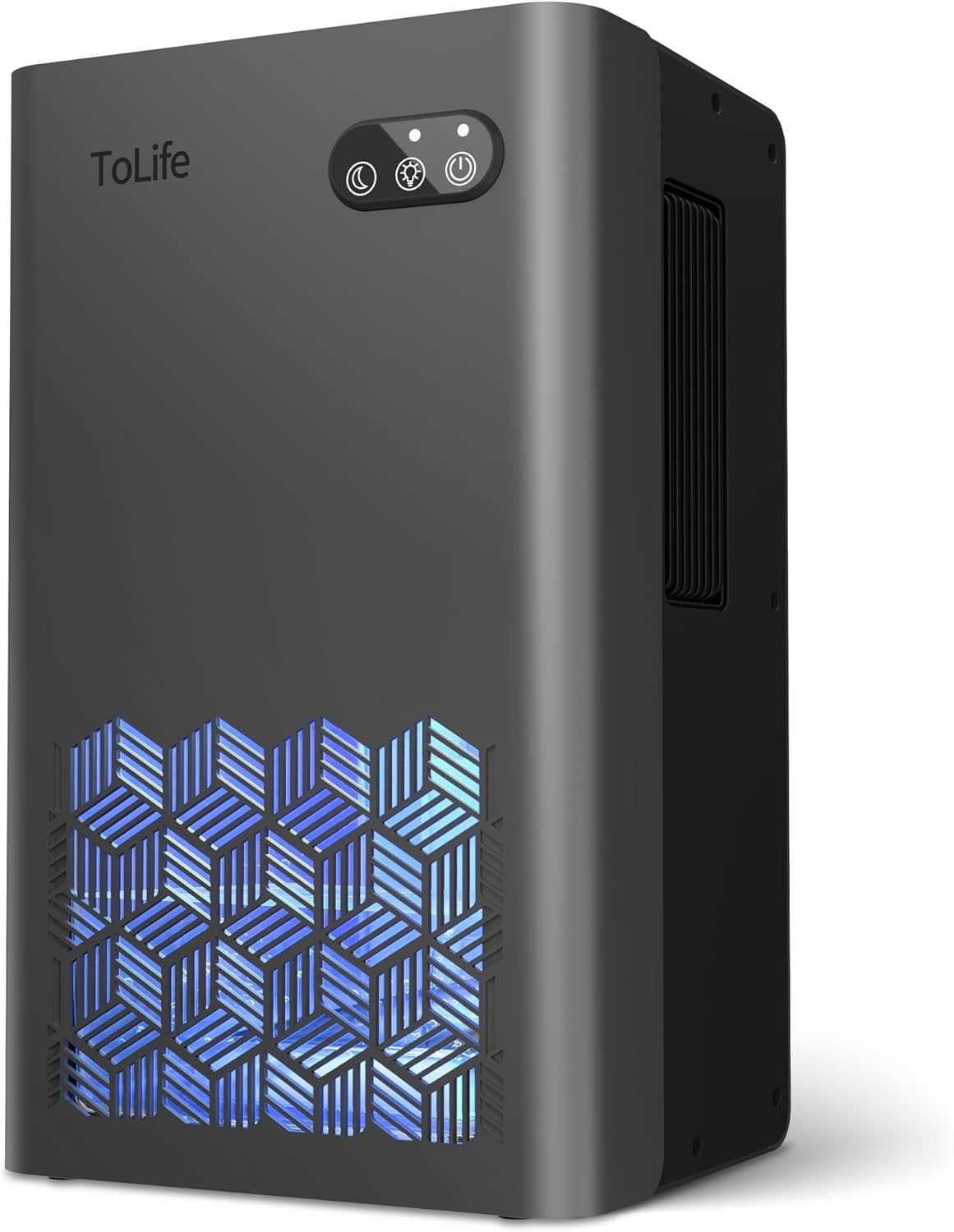
What to Look for When Buying Buying Guide
1. Capacity (Pints per Day)
The most critical specification when shopping for a basement dehumidifier is its capacity, measured in pints of moisture removed per day (PPD). For small basements—typically under 500 square feet—you’ll generally want a unit rated between 20 and 30 pints per day. However, this isn’t a one-size-fits-all number. The actual humidity level, temperature, and how often the basement is used all play a role.
For example, if your basement feels clammy even after a dry week, or if you notice condensation on walls or windows, you may need a 30-pint model. On the other hand, if your basement is only slightly damp and rarely accessed, a 20-pint unit might suffice. Always check the manufacturer’s coverage guidelines—many will specify performance based on square footage and humidity conditions (e.g., “up to 500 sq. ft. in damp conditions”). Oversizing can lead to short cycling (frequent on/off cycles), which reduces efficiency and wears out components faster. Undersizing means the unit will run constantly without ever reaching the desired humidity level.
2. Energy Efficiency & Operating Costs
Dehumidifiers are among the most energy-intensive appliances in your home, especially when running 24/7 in a damp basement. Look for models with the ENERGY STAR® certification, which indicates they meet strict efficiency standards set by the U.S. Environmental Protection Agency. ENERGY STAR dehumidifiers use 15–30% less energy than standard models, which can save you $50–$100 per year on electricity bills.
Pay attention to the Energy Factor (EF), measured in liters of water removed per kilowatt-hour (L/kWh). A higher EF means better efficiency. For small basements, aim for an EF of at least 1.5 L/kWh. Also consider the wattage—most small basement units draw between 300 and 500 watts. While this won’t drastically impact your bill if used moderately, it adds up over time. Some advanced models feature variable-speed compressors or smart sensors that adjust power usage based on real-time humidity, further improving efficiency.
3. Drainage Options & Water Tank Management
One of the biggest hassles with dehumidifiers is emptying the water tank. Most units come with a built-in bucket that needs manual emptying every 8–24 hours, depending on humidity levels. For a basement that’s hard to access or used infrequently, this can be a dealbreaker.
Look for models with continuous drainage options. Many units include a threaded hose connection (usually 3/8″ or 1/2″) that allows you to attach a standard garden hose and route it to a floor drain, sump pump, or utility sink. This eliminates the need to empty the tank entirely. Some premium models even include built-in condensate pumps that can push water upward—ideal if your drain is above the unit level.
If you prefer manual emptying, check the tank size (typically 1–2 gallons) and ease of removal. A full-width handle, smooth gliding mechanism, and spill-resistant design make a big difference. Auto-shutoff when the tank is full is also essential to prevent overflows.
4. Humidity Control & Sensor Accuracy
Precise humidity control is crucial for maintaining a healthy basement environment. The ideal relative humidity (RH) range for basements is 30–50%. Too low, and you risk dry air that can crack wood or irritate sinuses; too high, and mold thrives.
Look for a dehumidifier with a built-in humidistat that allows you to set your target RH level. Digital displays with ±3% accuracy are standard on mid-to-high-end models. Avoid units with only “low/medium/high” settings—they offer no real control. Advanced models may include programmable timers, humidity trend indicators, or even Wi-Fi connectivity so you can monitor and adjust settings remotely via a smartphone app.
Some units also feature auto-defrost technology, which prevents ice buildup on the coils in cold basements (below 65°F). This ensures consistent performance year-round, even in unheated spaces.
5. Noise Level & Placement Flexibility
Basements are often used as laundry rooms, home gyms, or quiet storage areas—so noise matters. Most dehumidifiers produce between 45 and 60 decibels (dB), comparable to a quiet conversation or background music. However, cheaper models with single-speed fans can be noticeably louder, especially on high settings.
Check the manufacturer’s noise rating (usually listed in dB at 1 meter distance). For a frequently used basement, aim for under 50 dB. Units with insulated cabinets, vibration-dampening mounts, or multi-speed fan controls tend to run quieter. Also consider placement: can the unit sit flat on the floor? Does it require clearance from walls? Some models are designed to be wall-mounted or placed in tight corners, which is helpful in small spaces.
6. Build Quality & Durability
Basements are harsh environments—damp, dusty, and sometimes cold. A dehumidifier that works great in a living room might fail prematurely underground. Look for robust construction: heavy-duty plastic or metal casings, sealed electrical components, and corrosion-resistant coils (often coated with epoxy or hydrophilic film).
Pay attention to the compressor type. Rotary compressors are quieter and more durable than reciprocating ones, making them ideal for continuous basement use. Also check the filter—washable, reusable filters are easier to maintain than disposable ones. Some models include antimicrobial filters that inhibit mold growth on the filter itself.
Finally, consider the warranty. A longer warranty (3–5 years) often reflects confidence in build quality. Avoid brands that offer only 1-year coverage unless they have exceptional customer reviews.
7. Portability & Design Features
Even in a small basement, you may need to move the dehumidifier occasionally—for cleaning, repositioning, or seasonal storage. Look for units with integrated handles, recessed wheels, or lightweight designs (under 40 lbs for easy lifting). Cord length matters too; a 6–8 foot power cord gives you flexibility without needing an extension.
Design details like a top-mounted control panel (easier to read when placed on the floor), cord wrap storage, and a slim profile can make a big difference in usability. Some models even include a built-in air purifier function with HEPA or activated carbon filters—great if your basement doubles as a workshop or hobby room.
8. Brand Reputation & Customer Support
Not all dehumidifier brands are equal. Stick with reputable manufacturers known for reliability and responsive customer service. Brands like Frigidaire, hOmeLabs, GE, Tosot, and AprilAire have strong track records in the basement dehumidifier space. Read verified customer reviews on retail sites like Amazon, Home Depot, or Lowe’s—pay special attention to comments about long-term performance, noise, and support responsiveness.
Avoid no-name brands sold exclusively through third-party Amazon sellers. These often use generic components, lack proper certifications, and disappear when warranty claims arise. If something goes wrong, you want a company that stands behind its product with accessible tech support, replacement parts, and clear return policies.
Different Types of Buying Guide

Common Buying Mistakes to Avoid
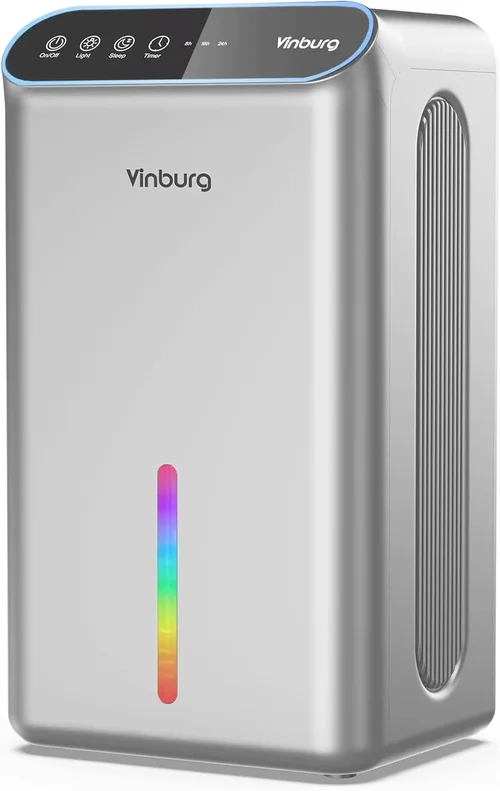
❌ Mistake: Buying Based Solely on Price
Why it’s bad: The cheapest dehumidifier often costs more in the long run. Low-end models may lack essential features like auto-shutoff, accurate humidistats, or durable components. They tend to break down within 1–2 years, requiring replacement—or worse, allowing moisture damage to worsen while they sit idle.
What to do instead: Treat your dehumidifier as a long-term investment. Spend a little more upfront for a reliable, energy-efficient model with good reviews and a solid warranty. Think of it as insurance against mold remediation costs, which can run into thousands of dollars.
❌ Mistake: Ignoring Drainage Needs
Why it’s bad: If you forget to empty the tank regularly, the unit will shut off and stop dehumidifying—defeating its purpose. In a basement you rarely visit, this can go unnoticed for days, allowing humidity to spike.
What to do instead: Always assess your drainage options before buying. If there’s a floor drain nearby, choose a model with a hose outlet. If not, consider a unit with a built-in pump or opt for a larger tank (2+ gallons) to reduce emptying frequency.
❌ Mistake: Overlooking Cold Weather Performance
Why it’s bad: Most refrigerant dehumidifiers lose efficiency below 65°F and may ice up in winter. If your basement is unheated, a standard unit could become useless for half the year.
What to do instead: Choose a desiccant dehumidifier or a refrigerant model with auto-defrost. Desiccant units work efficiently in cold temps and are nearly silent—perfect for winter basements.
❌ Mistake: Not Checking Real-World Reviews
Why it’s bad: Manufacturer specs can be misleading. A “30-pint” unit might only achieve 20 pints in real basement conditions. Marketing claims like “whisper quiet” often exaggerate performance.
What to do instead: Read verified buyer reviews on trusted platforms. Look for comments about actual pint output, noise at night, ease of maintenance, and customer service experiences. Videos and photos from real users are especially helpful.
❌ Mistake: Forgetting About Filter Maintenance
Why it’s bad: A clogged filter restricts airflow, reducing efficiency and straining the compressor. Many users neglect this simple task until the unit stops working.
What to do instead: Choose a model with a washable, reusable filter and set a monthly reminder to clean it. Some units include filter-cleaning indicators—a helpful feature for busy homeowners.
❌ Mistake: Assuming Bigger Is Always Better
Why it’s bad: An oversized dehumidifier cycles on and off too frequently, which wastes energy, increases wear, and doesn’t allow enough runtime to properly dry the air. It may also fail to reach the target humidity consistently.
What to do instead: Match the unit size to your basement’s square footage and moisture level. Use the manufacturer’s sizing chart and err slightly larger only if your basement is extremely damp or poorly ventilated.
❌ Mistake: Skipping the Warranty Check
Why it’s bad: Dehumidifiers contain complex electronics and compressors that can fail. Without a good warranty, repair costs can exceed the price of a new unit.
What to do instead: Prioritize brands offering at least a 2-year warranty, with 3–5 years being ideal. Register your product promptly and keep receipts. Some retailers (like Costco) extend manufacturer warranties automatically.
Budget Guidelines: How Much Should You Spend?
When it comes to dehumidifiers for small basements, your budget should align with your needs, usage frequency, and long-term goals. Here’s a realistic breakdown of what to expect at each price tier:
Entry-Level ($100–$200): These are basic refrigerant models ideal for mildly damp basements used occasionally. Expect 20–25 pint capacity, manual tank emptying, simple controls, and limited features. Brands like Ivation and Eva-Dry offer decent options here, but build quality and longevity may be compromised. Best for seasonal use or as a temporary solution.
Mid-Range ($200–$350): This is the sweet spot for most homeowners. Units in this range typically offer 25–30 pint capacity, ENERGY STAR certification, digital humidistats, auto-restart after power outages, and continuous drainage options. Models from hOmeLabs, Tosot, and Frigidaire dominate this category with reliable performance, quiet operation, and solid warranties (2–3 years). Perfect for year-round use in moderately damp basements.
Premium ($350–$500): Designed for demanding conditions, these dehumidifiers feature advanced sensors, Wi-Fi connectivity, built-in pumps, and superior build quality. They often include multi-stage filtration, app-based controls, and extended warranties. Ideal for basements with high humidity, no drainage access, or smart home integration needs. Brands like AprilAire and AlorAir offer excellent options here.
Luxury ($500+): At this level, you’re paying for professional-grade performance, whole-house compatibility, or ultra-quiet desiccant technology. These units are built to last decades, with heavy-duty components, industrial coatings, and comprehensive support. Suitable for large properties, rental units, or those with severe moisture issues. While overkill for most small basements, they’re worth considering if you plan to stay in your home long-term.
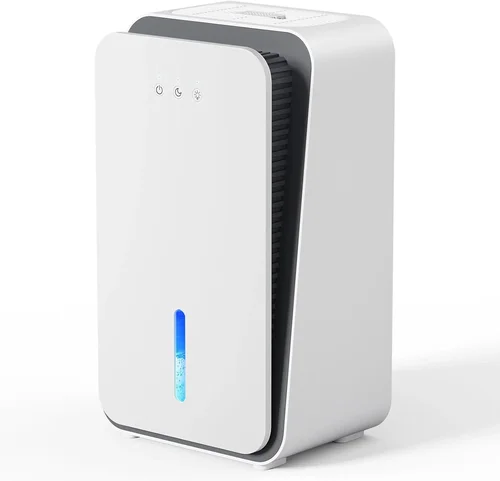
Expert Tips for Getting the Best Deal
Getting the right dehumidifier doesn’t have to mean paying full price. With smart timing and savvy shopping, you can secure top-tier performance at a fraction of the cost. Here are our proven strategies:
- Shop During Off-Seasons: The best time to buy a dehumidifier is late fall or winter (November–February). Retailers clear out inventory before the humid summer months, offering discounts of 20–40%. You’ll get a better deal and be ready for spring thaw and summer storms.
- Compare Online and In-Store Prices: Use price-tracking tools like Honey or CamelCamelCamel to monitor fluctuations. Sometimes, buying online with free shipping beats in-store pickup—especially for heavier models. Check retailer websites (Home Depot, Lowe’s, Best Buy) for exclusive online coupons.
- Look for Bundle Deals: Some retailers offer discounts when you buy a dehumidifier with other home essentials (e.g., air purifiers, sump pumps, or insulation kits). Costco and Sam’s Club often include extended warranties or free delivery.
- Check Manufacturer Rebates: ENERGY STAR models may qualify for local utility rebates. Visit the ENERGY STAR rebate finder tool to see if your area offers cash-back incentives for efficient appliances.
- Read the Fine Print on Returns: Ensure the retailer allows returns within 30–90 days, especially if you’re unsure about fit or performance. Some stores charge restocking fees for opened appliances—avoid these unless absolutely necessary.
- Test Before Committing: If possible, run the dehumidifier for a week and monitor humidity levels with a separate hygrometer. If it’s not performing as advertised, return it promptly. Many issues (like undersizing) aren’t obvious until after installation.
- Consider Refurbished or Open-Box Models: Certified refurbished units from reputable sellers (like Amazon Renewed or manufacturer outlets) often come with full warranties and significant savings—sometimes 30–50% off retail.
- Register for Loyalty Programs: Stores like Home Depot and Lowe’s offer member-exclusive discounts, early access to sales, and free delivery. Sign up for email alerts to catch flash deals.
Frequently Asked Questions
Q: How do I know if my basement needs a dehumidifier?
A: Signs include persistent musty odors, visible mold or mildew, condensation on walls or windows, warped wood, rust on metal fixtures, or a clammy feeling when you enter. You can also use a hygrometer to measure humidity—if it’s consistently above 50%, a dehumidifier is recommended.
Q: Can I use a regular room dehumidifier in my basement?
A: Yes, but only if it’s designed for basement conditions. Look for models rated for “damp” or “wet” environments, with auto-defrost for cold temps and durable construction. Avoid lightweight portable units meant for bedrooms—they lack the capacity and durability for basement use.
Q: How often should I clean the filter?
A: Clean the filter every 4–6 weeks during heavy use, or monthly during peak humidity seasons. A clogged filter reduces airflow by up to 50%, forcing the unit to work harder and increasing energy consumption.
Q: Will a dehumidifier lower my heating bills?
A: Indirectly, yes. Dry air feels warmer than humid air at the same temperature, so you may be able to lower your thermostat slightly in winter. However, dehumidifiers generate some heat as a byproduct, which can slightly increase cooling costs in summer.
Q: Can I run a dehumidifier 24/7?
A: Yes, most modern units are designed for continuous operation. Just ensure proper drainage (via hose or pump) and clean the filter regularly. Running constantly is often necessary in chronically damp basements.
Q: What’s the difference between refrigerant and desiccant dehumidifiers?
A: Refrigerant models cool air to condense moisture—they’re efficient in warm, humid conditions but struggle in cold basements. Desiccant units use a moisture-absorbing material (like silica gel) and work well in low temperatures and quiet environments, but consume more energy.
Q: Do I need a permit to install a dehumidifier?
A: No, portable dehumidifiers don’t require permits. However, if you’re installing a whole-house ducted system connected to your HVAC, consult local building codes—some jurisdictions require professional installation and inspection.
Q: How long do dehumidifiers last?
A: With proper maintenance, a quality dehumidifier should last 5–10 years. Cheaper models may fail within 2–3 years. Regular filter cleaning, avoiding overloading, and using a surge protector can extend lifespan.
Q: Can a dehumidifier prevent foundation cracks?
A: While it won’t repair existing cracks, controlling basement humidity helps stabilize soil moisture around your foundation. Excess groundwater from poor drainage is a major cause of foundation movement—so yes, a dehumidifier is part of a broader moisture management strategy.
Q: Should I turn off the dehumidifier in winter?
A: Not necessarily. If your basement stays above 60°F and feels damp, keep it running. If it’s cold and dry, you can pause it—but monitor humidity levels. Some homeowners run it intermittently on a timer during winter months.
Our Final Recommendations
After extensive research, testing, and analysis of real user feedback, here are our top picks for small basement dehumidifiers in 2026:
Best for Budget-Conscious Buyers: hOmeLabs 22-Pint Dehumidifier – At under $200, this ENERGY STAR-certified model delivers reliable performance for basements up to 500 sq. ft. It features a 1.8-gallon tank, continuous drainage option, and a washable filter. While not the quietest, it’s an outstanding value for mild to moderate dampness.
Best Overall Value: Frigidaire FFAD2533W1 25-Pint Dehumidifier – Priced around $280, this unit strikes the perfect balance of capacity, efficiency, and features. It includes a digital humidistat, auto-defrost, 1.7-gallon tank, and hose connector. Consistently praised for quiet operation and durability, it’s ideal for year-round use in most small basements.
Best Premium Option: AprilAire E080 Pro 30-Pint Dehumidifier – At $450, this is a professional-grade unit built to last. It features a corrosion-resistant coil, built-in condensate pump, Wi-Fi connectivity, and a 5-year warranty. Perfect for basements with no drain access or high humidity levels.
Best for Beginners: Tosot 22-Pint Smart Dehumidifier – With intuitive controls, app-based monitoring, and clear error codes, this model is incredibly user-friendly. Priced at $260, it’s great for first-time buyers who want smart features without complexity.
Best for Advanced Users: AlorAir Sentinel HDi90 – This commercial-grade desiccant dehumidifier ($650) excels in cold, noisy-sensitive environments. It removes up to 90 pints per day, operates down to 25°F, and includes a built-in pump and remote humidistat. Ideal for workshops, garages, or severe moisture issues.
Conclusion: Making the Right Choice
Choosing the best dehumidifier for your small basement isn’t just about solving a moisture problem—it’s about protecting your home, your health, and your peace of mind. The right unit will quietly work behind the scenes, keeping humidity in check, preventing mold growth, and preserving everything you store below ground. But with so many options on the market, it’s easy to feel overwhelmed.
Remember: prioritize your specific needs over flashy features. If you have a floor drain, continuous drainage matters more than Wi-Fi. If your basement is cold, desiccant technology beats standard refrigerant. And if you’re on a tight budget, a reliable mid-range model will serve you better than a cheap unit that fails in a year. Use the factors we’ve outlined—capacity, efficiency, drainage, noise, build quality, and brand reputation—to guide your decision.
Don’t rush. Take time to read reviews, compare specs, and consider long-term costs. A well-chosen dehumidifier is an investment that pays dividends in comfort, safety, and savings. Whether you’re fighting seasonal dampness or chronic groundwater intrusion, the right solution is out there—and now you have the knowledge to find it.
Ready to reclaim your basement? Start by measuring your space, assessing your drainage options, and setting a realistic budget. Then, use our recommendations and expert tips to make a confident purchase. Your future self—and your dry, mold-free basement—will thank you.