
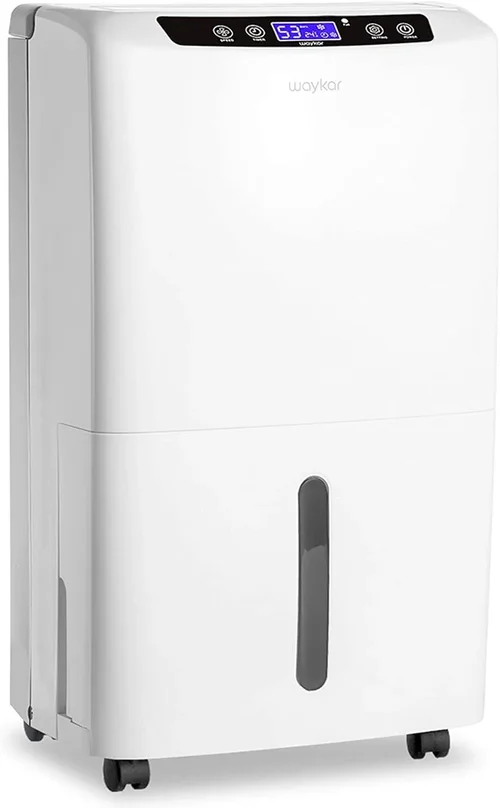
Water damage is one of the most insidious and costly problems a homeowner or property manager can face. Whether it’s from a burst pipe, a leaking roof, flooding from heavy rains, or even chronic humidity buildup in basements and crawl spaces, excess moisture doesn’t just ruin flooring, furniture, and drywall—it creates the perfect breeding ground for mold, mildew, and structural decay. In fact, according to the Insurance Information Institute, water damage claims account for nearly 24% of all property damage claims in the U.S., with average repair costs ranging from $5,000 to over $20,000 depending on severity. The good news? A high-quality dehumidifier can be your first line of defense—and recovery—against these threats.
But not all dehumidifiers are created equal, especially when it comes to tackling water damage. Standard residential units may help manage everyday humidity, but they often fall short when you’re dealing with saturated carpets, soaked insulation, or standing water aftermath. That’s why choosing the right dehumidifier for water damage isn’t just about comfort—it’s about restoration, safety, and long-term property preservation. This comprehensive buyer’s guide is designed to cut through the noise and help you make an informed decision. You’ll learn how to evaluate performance specs, understand different types of units, avoid common pitfalls, and ultimately select a machine that matches your specific needs—whether you’re drying out a flooded basement after a storm or preventing future moisture issues in a vulnerable area.
The market today offers a dizzying array of options: compact portable units under $100, heavy-duty commercial-grade machines costing thousands, smart-enabled models with Wi-Fi connectivity, and everything in between. Some are built for continuous operation in harsh environments, while others are better suited for occasional use. With so many variables—including pints per day (PPD) capacity, energy efficiency, durability, noise levels, and smart features—it’s easy to feel overwhelmed. But don’t worry. By the end of this guide, you’ll have a clear roadmap to navigate these choices confidently. We’ll cover everything from budget considerations and technical specifications to real-world usage scenarios and expert-backed recommendations. Whether you’re a DIY homeowner, a restoration professional, or a facility manager, this guide will equip you with the knowledge to choose the best dehumidifier for water damage in 2026 and beyond.
What to Look for When Buying Buying Guide
1. Performance Specifications
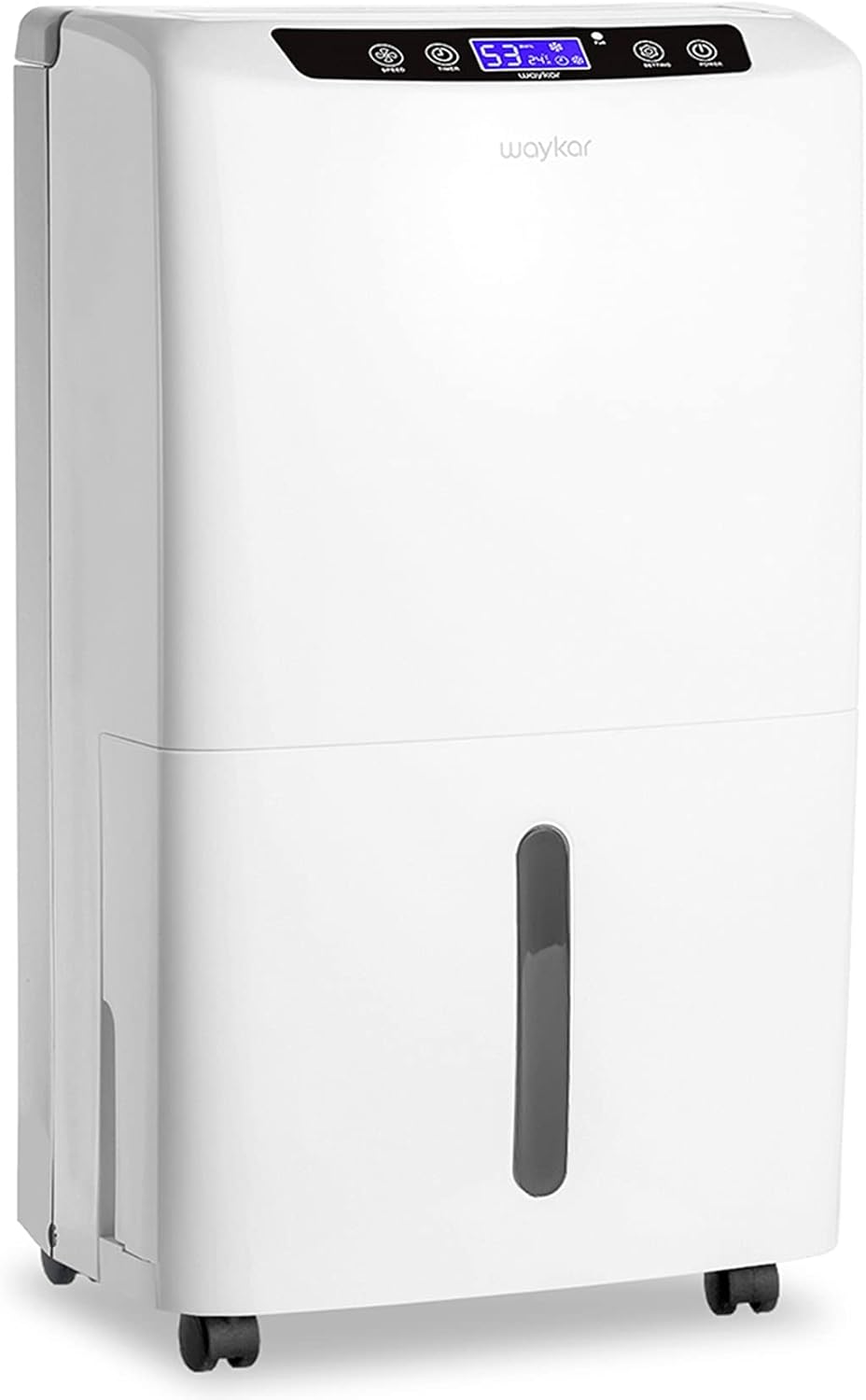
When it comes to water damage recovery, performance isn’t just a nice-to-have—it’s essential. The most critical spec to understand is the unit’s moisture removal rate, measured in pints per day (PPD). This tells you how much water the dehumidifier can extract from the air in a 24-hour period under standard conditions (typically 80°F and 60% relative humidity). For minor dampness or preventive use, a 30–50 PPD unit might suffice. But for active water damage—like a flooded basement or soaked drywall—you’ll need at least 70 PPD, with commercial-grade models offering 100+ PPD.
Another key metric is the operating temperature range. Many residential dehumidifiers shut down below 65°F, which is problematic if you’re drying a cold basement or garage in winter. Look for units rated down to 41°F or lower, especially if you live in a cooler climate. Also pay attention to the grain per pound (GPP) rating, which measures actual moisture content in the air. High-GPP environments (common after flooding) demand more powerful compressors and larger coils.
Finally, consider the unit’s airflow rate, measured in cubic feet per minute (CFM). Higher CFM means faster air circulation, which accelerates drying. For water damage scenarios, aim for at least 200 CFM, though industrial units can exceed 400 CFM. Don’t overlook the condensate pump option either—if you can’t place the unit near a floor drain, a built-in pump allows continuous operation by automatically expelling collected water vertically up to 15 feet.
2. Build Quality & Durability
Water damage situations are inherently messy, wet, and demanding on equipment. A flimsy plastic housing or thin-gauge metal won’t cut it when you’re running a dehumidifier 24/7 for days or weeks. Look for units with rugged, corrosion-resistant materials—think powder-coated steel cabinets, reinforced handles, and sealed electrical components. Commercial and restoration-grade dehumidifiers are typically built to withstand drops, spills, and constant movement, making them ideal for disaster recovery.
Internal components matter just as much. Copper coils are more durable and efficient than aluminum, and scroll compressors tend to last longer than reciprocating ones under heavy loads. Check whether the unit has protective features like automatic shutoff for overflow, thermal overload protection, and washable air filters. These not only extend the machine’s lifespan but also reduce maintenance during extended drying operations.
Also consider ingress protection (IP) ratings. While not always listed, some professional units boast IPX4 or higher, meaning they’re resistant to splashing water—a real advantage when working in flooded areas where accidental spills are common.
3. Features & Functionality
Modern dehumidifiers come packed with features that can significantly impact usability during water damage remediation. Auto-restart is crucial—if the power goes out during a storm (a common cause of flooding), you want the unit to resume operation automatically once electricity returns. Similarly, a built-in humidistat lets you set a target humidity level (ideally 30–50% for drying), and the machine will cycle on/off to maintain it.
Continuous drainage is another must-have. Most units include a hose connection so you can route water directly to a floor drain, sump pump, or outside—eliminating the need to empty a bucket every few hours. For remote monitoring, some premium models offer Wi-Fi connectivity via apps, allowing you to check status, adjust settings, or receive alerts from your phone.
Timer functions, multiple fan speeds, and defrost modes (for low-temperature operation) are also valuable. Defrost is especially important: in cold environments, the evaporator coil can ice up, reducing efficiency. Units with automatic defrost cycles prevent this without manual intervention.
4. Size & Portability
Even the most powerful dehumidifier is useless if you can’t move it where it’s needed. Water damage rarely affects just one room—it often spreads across basements, crawl spaces, garages, or multiple floors. Look for units with sturdy wheels (preferably locking casters) and ergonomic handles. Weight matters too: residential units typically weigh 30–60 lbs, while commercial models can exceed 100 lbs. If you’re working alone, opt for something under 70 lbs unless it has robust mobility features.
Compact footprint is another consideration. In tight spaces like crawl spaces or behind furniture, a slim profile can make all the difference. Some units are designed specifically for confined areas, with front-facing controls and low clearance requirements.
That said, don’t sacrifice power for portability. A small, lightweight unit may be easy to carry, but if it can’t handle the moisture load, you’ll waste time and money. Balance mobility with performance based on your specific scenario.
5. Energy Efficiency & Operating Costs
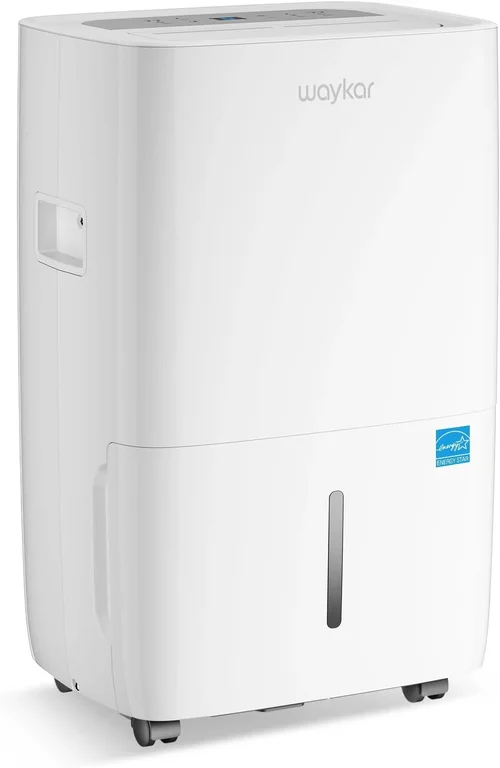
Running a dehumidifier nonstop during water damage recovery can spike your electricity bill. Energy Star-certified models use up to 15% less energy than standard units, which adds up over days of continuous operation. Check the wattage and estimated annual operating cost—usually listed on the product page or EnergyGuide label.
However, don’t choose efficiency at the expense of effectiveness. A highly efficient 40 PPD unit might save you $20 on electricity but fail to dry your space adequately, leading to mold growth and costly repairs. For large-scale water damage, prioritize performance first, then look for the most efficient unit within that category.
Also consider noise levels, measured in decibels (dB). Residential units typically run at 45–55 dB—comparable to a quiet conversation. Commercial models can be louder (60+ dB), which may matter if the unit is near living areas. If noise is a concern, look for “quiet mode” settings or units with insulated cabinets.
6. Brand Reputation & Reliability
Not all brands are equal when it comes to durability and customer support. Stick with manufacturers known for quality in the restoration and HVAC industries. Brands like Dri-Eaz, AprilAire, Santa Fe, and AlorAir specialize in high-performance dehumidifiers for water damage and have proven track records in flood recovery, mold remediation, and crawl space encapsulation.
Avoid unknown or ultra-budget brands that cut corners on components. A $99 dehumidifier might seem like a bargain, but if it burns out after 48 hours of continuous use, you’ve wasted time and created new problems. Read professional reviews from restoration contractors and check industry forums—they often reveal which brands hold up under real-world stress.
7. Warranty & Support
Given the intense workload during water damage recovery, a solid warranty is non-negotiable. Most reputable brands offer at least a 1–2 year limited warranty, but premium and commercial units often include 3–5 years of coverage. Look for warranties that cover both parts and labor, and check whether they’re voided by commercial or rental use.
Customer support is equally important. Can you reach a human quickly? Do they offer troubleshooting guides or on-site service? Some companies even provide loaner units if yours needs repair—a huge advantage during time-sensitive drying projects.
8. User Reviews & Real-World Performance
Specs on paper don’t always reflect real-world results. Always read verified customer reviews, especially those from users who’ve dealt with actual water damage. Look for comments about reliability during extended runs, ease of setup, noise, and effectiveness in large or cold spaces. Be wary of reviews that only mention “helps with basement dampness”—that’s not the same as drying a flooded room.
Professional restoration companies often post detailed equipment reviews on industry blogs or YouTube. These are goldmines of honest feedback, including comparisons between models and tips for optimal setup.
Different Types of Buying Guide

Common Buying Mistakes to Avoid
❌ Mistake: Choosing Based Solely on Price
Why it’s bad: A cheap dehumidifier may seem like a quick fix, but it’s likely underpowered, poorly built, and prone to failure during critical drying periods. In water damage scenarios, every hour counts—mold can begin growing within 24–48 hours. A failed unit means stalled progress and increased risk.
What to do instead: Prioritize performance and durability over upfront cost. Calculate the total cost of ownership, including potential mold remediation if drying is delayed. Investing in a reliable mid-range or commercial unit often saves money in the long run.
❌ Mistake: Ignoring the Operating Temperature Range
Why it’s bad: Many residential units stop working below 65°F. If you’re drying a cold basement in winter or a garage after a pipe burst, the dehumidifier becomes useless just when you need it most.
What to do instead: Always check the minimum operating temperature. For cold environments, choose a desiccant or LGR dehumidifier rated for 41°F or lower.
❌ Mistake: Overlooking Drainage Options
Why it’s bad: Emptying a bucket every few hours is impractical during 24/7 drying operations. It’s easy to forget, leading to overflow, water spills, and potential secondary damage.
What to do instead: Select a unit with continuous drainage via hose connection. If vertical pumping is needed (e.g., from a basement to a sink), ensure it includes a built-in condensate pump.
❌ Mistake: Buying the Wrong Size for the Space
Why it’s bad: An undersized unit will struggle to reduce humidity, prolonging drying time and increasing mold risk. An oversized unit may cycle too frequently, wasting energy and wearing out components.
What to do instead: Calculate the square footage and moisture level. Use manufacturer sizing guides or consult a professional. As a rule of thumb: 30–50 PPD for mild dampness, 70+ PPD for moderate flooding, and 100+ PPD for severe water damage.
❌ Mistake: Neglecting Airflow and Placement
Why it’s bad: Dehumidifiers work by drawing in moist air, cooling it to remove moisture, then reheating and exhausting dry air. Poor placement (e.g., against a wall or in a corner) restricts airflow, reducing efficiency.
What to do instead: Place the unit in the center of the affected area with at least 6–12 inches of clearance on all sides. Use fans to circulate air and speed up drying.
❌ Mistake: Skipping the Warranty Check
Why it’s bad: Water damage recovery pushes dehumidifiers to their limits. Without a solid warranty, a breakdown could leave you stranded with no recourse.
What to do instead: Choose brands with at least a 2-year warranty and responsive customer service. Register your product immediately after purchase.
❌ Mistake: Assuming All Dehumidifiers Are Equal
Why it’s bad: Residential, commercial, and restoration units serve different purposes. Using a home unit for flood recovery is like using a bicycle to haul furniture—it’s not designed for the job.
What to do instead: Match the dehumidifier type to your specific need. For serious water damage, rent or buy a commercial-grade LGR unit.
Budget Guidelines: How Much Should You Spend?
Entry-Level ($100–$300): These are basic refrigerant dehumidifiers ideal for small spaces with minor dampness. Expect 30–50 PPD, limited features, and plastic construction. They’re fine for occasional use but not recommended for active water damage. Brands like hOmeLabs and Frigidaire offer decent options in this range.
Mid-Range ($300–$700): This is the sweet spot for most homeowners dealing with moderate water issues. Units here typically offer 50–70 PPD, better build quality, auto-restart, continuous drainage, and quieter operation. Look for models from AprilAire, AlorAir, or Ivation. Many include Energy Star certification and 2-year warranties.
Premium ($700–$1,500): Designed for serious water damage and professional use, these units deliver 70–100+ PPD, operate in cold temperatures, and feature robust metal housings, condensate pumps, and advanced controls. Brands like Dri-Eaz and Santa Fe dominate this space. Ideal for flooded basements, rental properties, or frequent use.
Luxury ($1,500+): Top-tier LGR and whole-house systems built for maximum efficiency and durability. These can remove over 150 PPD, integrate with smart home systems, and include remote monitoring. Best for large properties, commercial buildings, or those seeking long-term moisture prevention. Expect 3–5 year warranties and professional installation options.
Expert Tips for Getting the Best Deal
1. Buy Before Disaster Strikes: Prices spike after storms or floods due to high demand. Keep an eye on seasonal sales—spring and early summer often have promotions as retailers prepare for humidity season.
2. Consider Renting for One-Time Events: If you’ve experienced a single flood incident, renting a commercial dehumidifier from a restoration company or equipment rental store may be more economical than buying. Rates typically range from $100–$300 per week.
3. Shop Refurbished or Open-Box: Reputable retailers like Home Depot, Lowe’s, and Amazon Renewed offer certified refurbished units at 20–40% off. These come with warranties and are thoroughly tested.
4. Check for Rebates and Incentives: Some utility companies offer rebates for Energy Star dehumidifiers, especially whole-house models. Visit the ENERGY STAR rebate finder tool to see what’s available in your area.
5. Read the Fine Print on Returns: Ensure the retailer has a generous return policy (30+ days) in case the unit doesn’t meet your needs. Some brands also offer trial periods.
6. Bundle with Accessories: Look for packages that include drainage hoses, extension cords, or air movers. These can save you $50–$100 compared to buying separately.
7. Test Before Committing: If possible, run the dehumidifier for 24 hours in the affected area. Monitor humidity levels with a hygrometer to ensure it’s making progress.
8. Prioritize Serviceability: Choose brands with local service centers or easy-to-replace parts. Avoid proprietary components that require expensive repairs.
Frequently Asked Questions
Q: Can a regular dehumidifier handle flood damage?
A: It depends on the severity. For minor leaks or surface water, a mid-range residential unit may suffice. But for deep saturation, standing water, or large areas, you’ll need a commercial-grade LGR dehumidifier with high PPD and continuous drainage. Regular units often lack the power and durability for serious water damage.
Q: How long should I run a dehumidifier after water damage?
A: Typically 3–7 days, but it varies based on moisture levels, temperature, and airflow. Use a moisture meter to check drywall, wood, and carpet padding. Drying is complete when materials reach equilibrium moisture content (usually 12–15% for wood).
Q: Do I need more than one dehumidifier?
A: For large spaces (>2,000 sq ft) or multiple affected rooms, yes. Place units strategically to ensure even drying. Professionals often use 2–4 units with air movers for optimal results.
Q: Will a dehumidifier prevent mold?
A: Yes—if used correctly and promptly. Mold grows when relative humidity exceeds 60% for extended periods. Keeping humidity below 50% during and after drying significantly reduces mold risk. However, visible mold requires professional remediation.
Q: Can I use a dehumidifier in a crawl space?
A: Absolutely. Crawl spaces are prone to high humidity and standing water. Choose a compact, low-temperature unit (like a desiccant or sealed-crawl model) with a condensate pump. Consider a dedicated crawl space dehumidifier with a built-in duct kit.
Q: Are desiccant dehumidifiers better for water damage?
A: They excel in cold or low-humidity environments where refrigerant units struggle. Desiccants use a moisture-absorbing material (like silica gel) instead of cooling coils, so they work efficiently down to 32°F. However, they’re generally less energy-efficient and more expensive to operate at scale.
Q: How do I know if my dehumidifier is working?
A: Monitor the built-in humidistat or use a standalone hygrometer. You should see humidity drop steadily over 24–48 hours. Also check the water tank or drain hose—if it’s collecting water, the unit is active. Listen for consistent compressor and fan operation.
Q: Should I turn off the dehumidifier at night?
A: No. Water damage drying requires continuous operation. Most modern units are designed for 24/7 use and include safety features to prevent overheating.
Q: Can I use a dehumidifier with wet carpet?
A: Yes, but lift the carpet if possible to dry the padding and subfloor. Use air movers in conjunction with the dehumidifier for faster results. Avoid walking on wet carpet to prevent further damage.
Q: What’s the difference between PPD and actual performance?
A: PPD is measured under standardized lab conditions (80°F, 60% RH). Real-world performance varies with temperature, humidity, and airflow. In colder or drier environments, output may be lower. Always choose a unit rated for your specific conditions.
Our Final Recommendations
Best for Budget-Conscious Buyers: hOmeLabs 4,500 Sq. Ft Dehumidifier (50 PPD)
A reliable, Energy Star-certified unit perfect for small to mid-sized damp basements. Quiet, easy to use, and includes continuous drainage. Great for preventive use or minor leaks.
Best Overall Value: AlorAir Sentinel HDi90 (90 PPD)
Combines commercial-grade performance with residential usability. Operates down to 33°F, includes a condensate pump, and features a rugged steel cabinet. Ideal for flooded basements and crawl spaces.
Best Premium Option: Dri-Eaz F413 Evolution LGR (125 PPD)
The gold standard for water damage restoration. Removes moisture from extremely dry air, includes remote monitoring, and built to withstand 24/7 operation. Used by professionals nationwide.
Best for Beginners: AprilAire E070 (70 PPD)
Simple setup, intuitive controls, and excellent customer support. Designed for whole-home use but effective in single rooms. Includes a 5-year warranty.
Best for Advanced Users: Santa Fe Compact 70 (70 PPD Desiccant)
Perfect for cold crawl spaces or sensitive environments. No compressor means quiet operation and reliable performance in freezing temps. Requires professional installation.
Conclusion: Making the Right Choice
Choosing the best dehumidifier for water damage isn’t just about picking the most powerful machine—it’s about matching the right tool to your specific situation. Whether you’re dealing with a minor leak or a full-scale flood, understanding performance specs, build quality, and real-world functionality will save you time, money, and stress. Remember: speed matters. The faster you reduce moisture, the lower your risk of mold, structural damage, and costly repairs.
Don’t let fear or urgency cloud your judgment. Take the time to assess your needs, read reviews, and invest in a unit that can handle the job. And if you’re ever in doubt, consult a professional restoration company—they can provide expert guidance and even rent you the right equipment on short notice.
Ultimately, the best dehumidifier is the one that gives you peace of mind. With the insights from this guide, you’re now equipped to make a confident, informed decision. Protect your home, safeguard your health, and restore your space with the right dehumidifier—because when water strikes, preparation is your greatest advantage.