
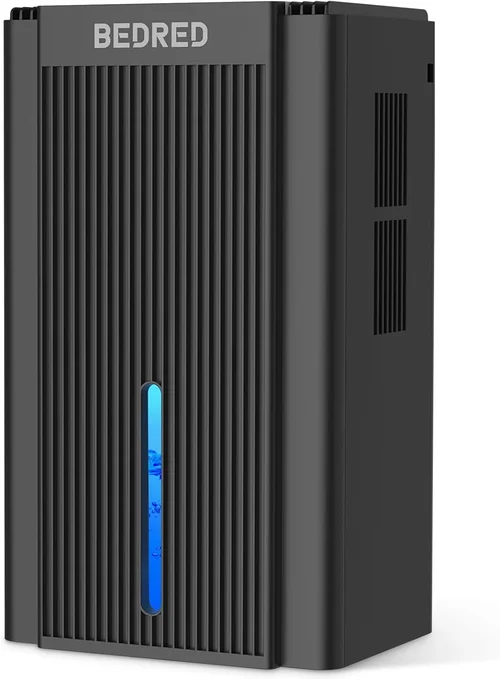
Dehumidifiers have evolved from niche appliances into essential home devices for millions of households across the globe. Whether you’re battling persistent dampness in a basement, trying to preserve your wardrobe from mold and mildew, or simply aiming to improve indoor air quality, choosing the right dehumidifier can make a dramatic difference in your daily comfort and long-term home health. With so many models flooding the market—ranging from compact units under $100 to high-capacity industrial-grade machines costing over $1,000—it’s easy to feel overwhelmed. That’s exactly why this comprehensive buying guide exists: to cut through the noise, clarify your options, and help you make a confident, informed decision.
In this expert-level guide, you’ll learn not just what to look for in a dehumidifier, but why each factor matters—from performance metrics like pint capacity and energy efficiency to less obvious considerations such as noise levels, smart features, and warranty coverage. We’ll walk you through the different types of dehumidifiers available today, compare their strengths and weaknesses, highlight common purchasing pitfalls, and even provide budget-specific recommendations based on real-world use cases. By the end, you won’t just know which dehumidifier to buy—you’ll understand how to match your unique environment, needs, and lifestyle with the perfect unit. Whether you’re a first-time buyer or upgrading from an older model, this guide is designed to be your definitive resource for 2026 and beyond.
The dehumidifier market has seen significant innovation in recent years, driven by growing awareness of indoor air quality, climate change-induced humidity spikes, and advancements in energy-efficient compressor and desiccant technologies. Major brands like Frigidaire, hOmeLabs, GE, Midea, and AprilAire now offer a wide spectrum of models tailored to everything from small bedrooms to sprawling crawl spaces. At the same time, smart home integration, app connectivity, and eco-friendly refrigerants are becoming standard even in mid-tier units. With this rapid evolution comes increased complexity—but also greater opportunity to find a dehumidifier that truly fits your space and expectations. This guide will help you navigate that landscape with clarity and confidence.

What to Look for When Buying Buying Guide
1. Pint Capacity & Room Size Compatibility
Pint capacity—the amount of moisture a dehumidifier can remove in 24 hours—is arguably the most critical specification when selecting a unit. It directly correlates with the size of the space you intend to dehumidify. For example, a 30-pint model is typically ideal for a 500–1,000 sq. ft. area with moderate humidity, while a 70-pint unit may be necessary for a large basement or damp garage exceeding 2,000 sq. ft. Choosing a dehumidifier with insufficient capacity means it will run constantly without effectively lowering humidity, leading to wasted energy and potential motor strain. Conversely, an oversized unit may cycle on and off too frequently, reducing efficiency and lifespan.
To determine the right capacity, start by measuring your room’s square footage and assessing its moisture level. The Association of Home Appliance Manufacturers (AHAM) provides standardized guidelines: light dampness (50–60% RH) calls for a lower-capacity unit, while severe dampness or standing water requires high-capacity models. Always check the manufacturer’s “coverage area” rating, but remember these are based on controlled lab conditions—real-world performance may vary due to temperature, ventilation, and external moisture sources.
2. Energy Efficiency & Operating Costs
Dehumidifiers are among the most energy-intensive household appliances, especially if run continuously. Therefore, energy efficiency isn’t just about environmental responsibility—it directly impacts your monthly utility bill. Look for units with the ENERGY STAR® certification, which indicates they meet strict efficiency guidelines set by the U.S. Environmental Protection Agency. ENERGY STAR dehumidifiers use 15–30% less energy than standard models, translating to significant savings over time.
Pay attention to the Energy Factor (EF), measured in liters of water removed per kilowatt-hour (L/kWh). Higher EF values mean better efficiency. For instance, a unit with an EF of 1.8 is more efficient than one rated at 1.2. Also consider annual operating costs, which many manufacturers now disclose. A mid-range 50-pint dehumidifier might cost $50–$80 per year to run, depending on local electricity rates and usage patterns. If you plan to run your unit daily, investing in an efficient model pays for itself within a few years.
3. Noise Level & Sound Performance
Few things are more frustrating than a noisy dehumidifier disrupting sleep or conversation—especially in living rooms, bedrooms, or home offices. Noise levels are measured in decibels (dB), and most residential dehumidifiers range from 45 dB (quiet library) to 60+ dB (normal conversation or vacuum cleaner). For quiet operation, aim for models under 50 dB. Compressor-based units tend to be louder than desiccant models, though newer inverter-driven compressors have significantly reduced sound output.
Check product specifications for both “low” and “high” fan speed noise ratings. Some brands publish detailed sound profiles or include “sleep mode” settings that minimize fan noise during nighttime operation. If silence is a priority—say, for a nursery or studio apartment—consider placing the unit in an adjacent room with a hose drain setup, or opt for a desiccant dehumidifier, which operates more quietly but may consume more energy.
4. Drainage Options & Maintenance Requirements
All dehumidifiers collect water, but how you manage that water makes a big difference in convenience and maintenance. Most units come with a built-in bucket (typically 1–2 gallons) that needs manual emptying every 12–24 hours when running continuously. While simple, this can be inconvenient—especially if you’re away from home or forget to check it regularly.
For hassle-free operation, look for continuous drainage options. Many models include a threaded hose connection (usually 5/8″ or 3/4″) that allows you to attach a standard garden hose and route water directly to a floor drain, sump pump, or outdoors. This eliminates bucket emptying entirely. Some premium units even feature auto-restart after power outages and full-tank shutoff to prevent overflow. Additionally, consider ease of cleaning: removable, washable air filters and accessible coils reduce long-term maintenance and improve air quality.
5. Smart Features & Automation
Modern dehumidifiers are increasingly equipped with smart capabilities that enhance usability and efficiency. Wi-Fi connectivity allows you to monitor and control humidity levels remotely via smartphone apps (e.g., Frigidaire’s SmartDehumidifier app or GE’s SmartHQ). You can set schedules, receive filter change alerts, or adjust settings from anywhere—ideal for vacation homes or busy households.
Other automation features include built-in humidistats that maintain your desired humidity level (usually adjustable between 30–80% RH), auto-defrost for cold-weather operation (below 65°F), and programmable timers. Some high-end models integrate with smart home ecosystems like Alexa, Google Assistant, or Apple HomeKit, enabling voice commands and scene automation. While these features add convenience, they often come at a premium—so evaluate whether they align with your actual needs rather than chasing tech for tech’s sake.
6. Build Quality & Durability
A dehumidifier is a long-term investment, so build quality matters. Look for sturdy construction with reinforced casings, corrosion-resistant coils (especially important in basements or coastal areas), and reliable components. Metal components generally outlast plastic ones, though high-grade polymers can be durable too. Check user reviews for mentions of longevity—units that fail within 1–2 years often suffer from poor seals, weak compressors, or flimsy control panels.
Pay attention to the compressor type: rotary compressors are quieter and more efficient than reciprocating ones, making them preferable for residential use. Also, consider portability features like recessed handles, smooth-rolling casters, and compact footprints—especially if you plan to move the unit between rooms or store it seasonally. A well-built dehumidifier should last 5–10 years with proper care.
7. Brand Reputation & Customer Support
Not all dehumidifier brands are created equal. Established manufacturers like Frigidaire, hOmeLabs, Midea, and AprilAire have proven track records for reliability, customer service, and parts availability. Lesser-known brands may offer lower prices, but they often lack comprehensive support networks or consistent quality control. Research brand reputation through third-party review sites, consumer reports, and Reddit communities.
Customer support is crucial if issues arise. Does the company offer live chat, phone support, or local service centers? Are replacement parts (like filters or hoses) readily available? A strong brand typically stands behind its products with responsive service and clear troubleshooting guides. Avoid brands with vague warranties or no U.S.-based support—you don’t want to be stuck with a malfunctioning unit and no recourse.
8. Warranty & Return Policy
A solid warranty reflects manufacturer confidence in their product. Most reputable dehumidifiers come with a 1–2 year limited warranty covering parts and labor, with some premium models offering up to 5 years on the compressor. Always read the fine print: some warranties exclude normal wear, filter replacements, or damage from improper installation.
Equally important is the retailer’s return policy. If you buy online, ensure you have at least 30 days to test the unit in your actual environment. Humidity conditions vary widely by region and season—what works in a dry spring might struggle in a humid summer. Reputable sellers like Amazon, Home Depot, or Lowe’s typically offer hassle-free returns, but always confirm before purchasing. A good return window gives you peace of mind and ensures you’re not locked into a subpar product.
Different Types of Buying Guide

Common Buying Mistakes to Avoid
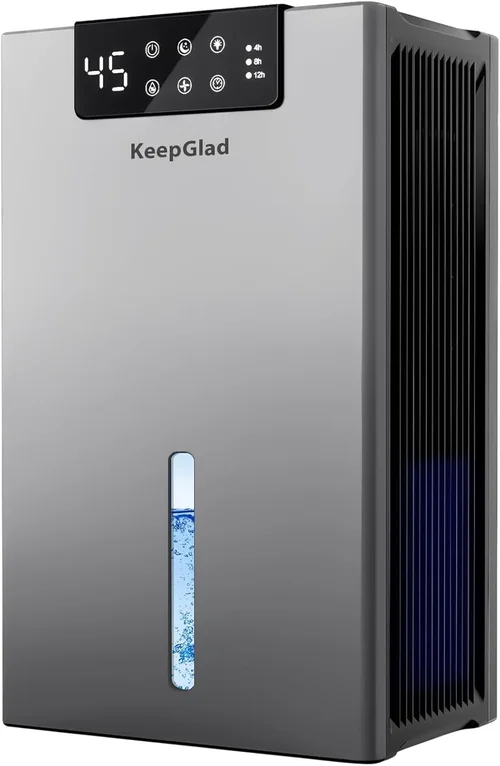
❌ Mistake: Ignoring Room Temperature
Why it’s bad: Most compressor dehumidifiers lose efficiency below 65°F and may ice up in unheated basements or garages during winter. Using the wrong type in cold environments leads to poor performance and potential damage.
What to do instead: Choose a desiccant dehumidifier or a cold-climate compressor model with auto-defrost if your space regularly drops below 65°F. Always check the operating temperature range in the specs.
❌ Mistake: Overlooking Drainage Needs
Why it’s bad: Relying solely on the water bucket means frequent emptying—especially in high-humidity areas. Forgetting to empty it can cause overflow, water damage, or automatic shutoff that halts dehumidification.
What to do instead: Invest in a unit with a continuous drain hose option or consider a condensate pump for elevated installations. Even if you start with bucket drainage, having the hose port gives you flexibility later.
❌ Mistake: Buying Based Solely on Price
Why it’s bad: The cheapest dehumidifier often sacrifices efficiency, durability, and features. It may cost more in electricity and repairs over time, negating initial savings.
What to do instead: Focus on total cost of ownership—including energy use, maintenance, and expected lifespan. A $300 ENERGY STAR model may save you $100+ over five years compared to a $150 inefficient unit.
❌ Mistake: Not Checking Real User Reviews
Why it’s bad: Marketing specs don’t always reflect real-world performance. A unit rated for “70 pints” might only achieve 50 in your humid climate due to unaccounted variables like air exchange rate.
What to do instead: Read verified purchaser reviews on Amazon, Home Depot, or Consumer Reports. Look for comments about noise, reliability, and actual pint output in similar environments.
❌ Mistake: Skipping the Humidistat
Why it’s bad: Without a built-in humidistat, you can’t set and maintain optimal humidity (ideally 30–50%). This leads to over-drying (wasting energy) or under-drying (mold risk).
What to do instead: Ensure the model includes an adjustable humidistat. If not, buy a standalone hygrometer ($10–$20) to monitor levels and manually adjust the unit.
❌ Mistake: Assuming All “Large Capacity” Units Are Equal
Why it’s bad: Two 70-pint dehumidifiers may perform very differently based on compressor quality, fan design, and coil efficiency. Capacity alone doesn’t guarantee effectiveness.
What to do instead: Compare Energy Factor (EF) ratings and look for third-party testing data. Higher EF = more water removed per kWh, indicating superior engineering.
❌ Mistake: Neglecting Filter Maintenance
Why it’s bad: Clogged filters restrict airflow, reduce efficiency, and can cause the unit to overheat or shut down prematurely. Many users don’t realize filters need monthly cleaning.
What to do instead: Choose models with washable, reusable filters and set calendar reminders to clean them. Some smart units send filter alerts—take advantage of these features.
Budget Guidelines: How Much Should You Spend?
Entry-Level ($50–$150): These are typically mini or small-capacity units (15–30 pints) suited for closets, RVs, or very small rooms. Expect basic functionality, limited durability, and higher noise levels. Ideal for occasional use or low-humidity issues. Brands like Eva-Dry and Ivation offer decent options here, but don’t expect long-term reliability.
Mid-Range ($150–$400): This is the sweet spot for most homeowners. You’ll find 30–70 pint compressor models with ENERGY STAR ratings, decent noise control, humidistats, and drainage options. Brands like hOmeLabs, Frigidaire, and GE dominate this segment with reliable performance and good warranties. Perfect for basements, laundry rooms, or medium-sized living spaces.
Premium ($400–$800): These units offer advanced features: smart connectivity, ultra-quiet operation, larger tanks or permanent drainage, and superior build quality. Look for inverter compressors, app control, and extended warranties. Ideal for tech-savvy users, large homes, or those prioritizing comfort and convenience.
Luxury ($800+): Reserved for whole-house systems, commercial applications, or extreme environments. These include ducted dehumidifiers, industrial-grade units, or models with HEPA filtration and air purification. They’re overkill for typical households but essential for builders, contractors, or allergy sufferers needing comprehensive air management.
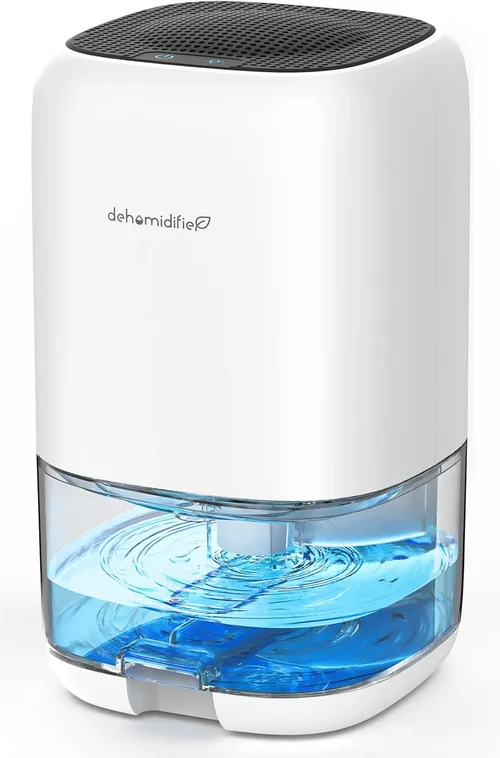
Expert Tips for Getting the Best Deal
1. Buy During Off-Season Sales: Dehumidifiers are most expensive in spring and summer when demand peaks. Shop in late fall or winter (October–February) for discounts of 20–40%. Retailers clear inventory to make room for air conditioners.
2. Compare Retailers Strategically: Online giants like Amazon often have competitive pricing and fast shipping, but brick-and-mortar stores like Home Depot or Lowe’s may offer in-store pickup, extended warranties, or bundle deals (e.g., free hose with purchase).
3. Watch for Rebates and Incentives: Many utility companies offer rebates for ENERGY STAR dehumidifiers—check your local provider’s website. Some states also provide tax credits for energy-efficient home improvements.
4. Prioritize Warranty Over Flashy Features: A longer warranty often indicates better build quality. If choosing between a cheaper model with no smart features and a pricier one with Wi-Fi but a weak warranty, lean toward reliability.
5. Test Before Committing: If possible, run the dehumidifier in your actual space for a week. Humidity levels fluctuate daily—what seems adequate on a dry day may falter during a rainstorm.
6. Consider Refurbished or Open-Box Units: Certified refurbished models from reputable sellers (e.g., Amazon Renewed, manufacturer outlets) can save 20–30% and often include the same warranty as new units.
7. Read the Manual Before Buying: Some “features” require specific setups (e.g., level flooring for auto-shutoff). Knowing installation requirements upfront prevents frustration later.
8. Join Loyalty Programs: Stores like Costco or Sam’s Club offer member-exclusive pricing and generous return policies—ideal for big-ticket appliances.

Frequently Asked Questions
Q: How do I know if I need a dehumidifier?
A: Signs include persistent musty odors, visible mold or mildew, condensation on windows, warped wood, or a sticky feeling in the air. Use a hygrometer to measure humidity—if it consistently reads above 60%, a dehumidifier is likely beneficial.
Q: Can a dehumidifier help with allergies?
A: Yes. By reducing moisture, dehumidifiers inhibit mold, dust mites, and mildew—common allergens. For best results, pair with an air purifier and maintain humidity between 30–50%.
Q: Should I run my dehumidifier continuously?
A: Not necessarily. Most units have auto modes that cycle on/off to maintain your set humidity level. Continuous operation is only needed in extremely damp or unoccupied spaces (e.g., vacation homes).
Q: Do dehumidifiers cool the air?
A: No—they remove moisture, not heat. However, drier air feels cooler and more comfortable, which may reduce reliance on air conditioning.
Q: Can I use a dehumidifier in winter?
A: Only if the room stays above 65°F. Below that, compressor units may ice up. Desiccant models work in colder temps but use more energy.
Q: How often should I clean the filter?
A: Every 2–4 weeks during heavy use, or monthly otherwise. A dirty filter reduces efficiency and can cause overheating.
Q: Is a bigger tank always better?
A: Not if you have drainage access. A large tank is convenient for bucket-only setups, but a hose drain eliminates the need entirely—freeing you from frequent emptying.
Q: Are smart dehumidifiers worth the extra cost?
A: If you value remote monitoring, scheduling, or integration with other smart devices, yes. For basic humidity control, a non-smart model with a good humidistat suffices.
Q: Can I move my dehumidifier between rooms?
A: Absolutely—most portable units have handles and wheels. Just ensure each room’s size and humidity level match the unit’s capacity.
Q: What’s the ideal humidity level for my home?
A: Between 30% and 50%. Below 30% can cause dry skin and static; above 50% promotes mold and dust mites.
Our Final Recommendations
Best for Budget-Conscious Buyers: hOmeLabs 30 Pint Dehumidifier – Reliable performance, ENERGY STAR certified, and priced under $200. Great for small to medium rooms with moderate dampness.
Best Overall Value: Frigidaire FFAD7033R1 70 Pint – Excellent capacity, quiet operation, continuous drain option, and strong user ratings. A workhorse for basements and large spaces.
Best Premium Option: AprilAire E080 Pro – Whole-house capability, ultra-efficient, durable construction, and seamless HVAC integration. Ideal for new builds or serious moisture control.
Best for Beginners: GE APER50LZ 50 Pint – Simple controls, clear display, auto-humidistat, and reliable brand support. Perfect for first-time users who want plug-and-play functionality.
Best for Advanced Users: Midea Cube Smart Dehumidifier – Wi-Fi enabled, app-controlled, compact design with high efficiency, and innovative stackable storage. Great for tech enthusiasts and small-space dwellers.
Conclusion: Making the Right Choice
Choosing the best dehumidifier isn’t just about picking the highest pint rating or the lowest price—it’s about aligning your specific environment, habits, and priorities with a unit that delivers consistent, efficient performance. From understanding pint capacity and energy efficiency to avoiding common pitfalls like poor drainage or mismatched temperature ranges, every decision point in this guide is designed to empower you with clarity and confidence. Remember, the right dehumidifier doesn’t just remove moisture; it protects your home, improves your health, and enhances your everyday comfort.
As you move forward, prioritize your must-have features—whether that’s whisper-quiet operation, smart connectivity, or whole-house coverage—and don’t hesitate to invest in quality where it matters most. Use the budget tiers, expert tips, and real-world recommendations here to narrow your options and find a model that truly fits your life. And when in doubt, lean on trusted brands, verified reviews, and generous return policies to safeguard your purchase. With the insights from this guide, you’re now equipped to make a smart, sustainable choice that will serve you well for years to come. Your healthier, drier home starts with the right dehumidifier—so take the next step today.