
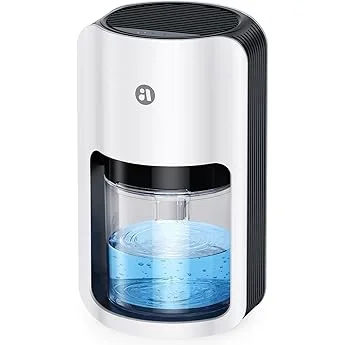
When it comes to maintaining a comfortable, healthy indoor environment, few appliances are as quietly essential as a dehumidifier. Whether you’re battling persistent dampness in a basement, fighting mold growth in a humid climate, or simply trying to improve air quality in your home, a reliable dehumidifier can make a world of difference. Among the most popular and practical sizes on the market today is the 35-pint dehumidifier—a sweet spot between compact efficiency and robust moisture removal. These units are ideal for medium to large spaces, typically covering areas between 500 and 1,500 square feet, making them perfect for basements, garages, laundry rooms, or even entire single-story homes in humid regions.
But with so many models flooding the market—each boasting different features, energy ratings, noise levels, and price points—choosing the right 35-pint dehumidifier can feel overwhelming. That’s where this comprehensive buying guide comes in. Whether you’re a first-time buyer or upgrading from an older unit, this guide is designed to cut through the noise and deliver expert-level insights to help you make a confident, informed decision. We’ll walk you through everything from performance specs and build quality to hidden costs and long-term value, ensuring you get the best possible return on your investment.
In the following sections, you’ll learn how to evaluate key factors like energy efficiency, drainage options, smart features, and durability. We’ll compare different types of 35-pint dehumidifiers, highlight common purchasing mistakes to avoid, and provide actionable tips to help you score the best deal. You’ll also find a detailed budget breakdown, answers to frequently asked questions, and our top recommendations across various categories. By the end of this guide, you won’t just know which dehumidifier to buy—you’ll understand why it’s the right choice for your specific needs.
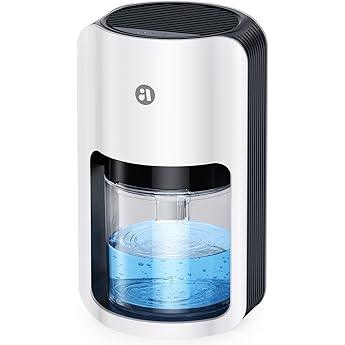
What to Look for When Buying Buying Guide
1. Performance Specifications
When shopping for a 35-pint dehumidifier, performance is king. The “35-pint” label refers to the unit’s moisture removal capacity under standard testing conditions—specifically, how many pints of water it can extract from the air in a 24-hour period at 80°F and 60% relative humidity. However, real-world performance can vary significantly based on temperature and humidity levels. In cooler or less humid environments, a 35-pint unit may actually remove less moisture, so it’s important to understand how the dehumidifier performs under your conditions.
Look for models with adjustable humidity settings (usually via a built-in humidistat) that allow you to set your desired humidity level—typically between 30% and 50% for optimal comfort and mold prevention. Some advanced units even feature auto-defrost technology, which prevents ice buildup on the coils in colder environments (below 65°F), ensuring consistent operation in basements or garages during winter months. Additionally, check the unit’s coverage area. While most 35-pint dehumidifiers are rated for 500–1,500 sq. ft., actual effectiveness depends on how damp the space is. A finished basement with minor dampness may be fine, but a flood-prone crawlspace might require a more powerful unit or supplemental drainage.
2. Energy Efficiency & Operating Costs
Energy efficiency is a critical factor that directly impacts long-term operating costs. A dehumidifier that runs frequently—especially in humid climates—can add significantly to your electricity bill. Look for models with the ENERGY STAR® certification, which indicates they meet strict energy efficiency guidelines set by the U.S. Environmental Protection Agency. ENERGY STAR-certified 35-pint dehumidifiers use about 15–20% less energy than standard models, which can translate to hundreds of dollars in savings over the unit’s lifespan.
Pay attention to the unit’s Energy Factor (EF), measured in liters of water removed per kilowatt-hour (L/kWh). Higher EF values mean greater efficiency. For example, a model with an EF of 1.8 is more efficient than one with 1.5. Also, consider the wattage—most 35-pint units draw between 300 and 500 watts. While this may not seem high, running the unit 12 hours a day at 500 watts could cost $30–$50 per month depending on your local electricity rate. Some models include energy-saving modes or timers that allow you to run the dehumidifier only during peak humidity hours, further reducing consumption.
3. Drainage Options & Water Tank Capacity
One of the most practical considerations is how the dehumidifier handles collected water. Most 35-pint models come with a built-in water tank, typically ranging from 8 to 12 pints. While convenient for occasional use, emptying a full tank every few hours can become tedious—especially in high-humidity environments. For continuous operation, look for models with a built-in pump or gravity drainage hose connection.
A continuous drainage option allows you to connect a standard garden hose to the unit and direct water into a floor drain, sump pump, or outside. This eliminates the need to manually empty the tank and is ideal for basements or unattended spaces. Some premium models include a built-in condensate pump that can push water vertically (up to 15 feet) and horizontally (up to 20 feet), giving you flexibility in placement. If you opt for a model with only a tank, ensure it has an automatic shut-off feature when full to prevent overflow and water damage.
4. Noise Level & Operating Sound
Dehumidifiers aren’t known for being silent, but excessive noise can be a major nuisance—especially if the unit is placed in a living area, bedroom, or home office. Noise levels are measured in decibels (dB), and most 35-pint dehumidifiers operate between 45 and 55 dB. To put that in perspective, 45 dB is similar to a quiet library, while 55 dB is comparable to a normal conversation.
Look for models with variable fan speeds or “quiet mode” settings that reduce noise during low-humidity periods. Some manufacturers use sound-dampening materials or insulated compressor housings to minimize operational sound. If noise is a top concern, check user reviews for real-world feedback—spec sheets often understate actual noise levels. Placement also matters: placing the unit on a soft surface or using anti-vibration pads can help reduce rattling and vibration noise.
5. Build Quality & Durability
A dehumidifier is a long-term investment, so durability matters. Look for models with sturdy construction, preferably with a metal housing or high-impact plastic that resists dents and cracks. Internal components like the compressor, evaporator coils, and fan should be well-protected and designed for continuous use. Units with corrosion-resistant coatings on the coils are ideal for humid environments, as they resist rust and extend the unit’s lifespan.
Check the quality of the control panel and buttons—cheap plastic knobs or touchscreens can wear out quickly. Also, inspect the wheels and handles. A 35-pint dehumidifier typically weighs 30–50 pounds, so smooth-rolling casters and a sturdy handle are essential for portability. Some models feature a telescoping handle or recessed grips for easier maneuvering. Finally, consider the filter quality. A washable, reusable air filter is preferable to disposable ones, as it reduces ongoing costs and maintenance.
6. Features & Functionality
Modern 35-pint dehumidifiers come packed with features that enhance convenience and performance. Here are the most valuable ones to look for:
– Built-in humidistat: Allows you to set and maintain your desired humidity level automatically.
– Auto-restart: Resumes operation after a power outage, ensuring continuous protection.
– Timer function: Lets you schedule on/off times to save energy.
– Defrost mode: Prevents ice buildup in cold environments.
– Filter indicator: Alerts you when the air filter needs cleaning.
– Smart connectivity: Wi-Fi-enabled models let you control the unit via smartphone apps, receive alerts, and monitor humidity levels remotely.
– Multi-speed fan: Offers low, medium, and high settings for different conditions.
While not essential, features like remote control, digital displays, and child locks add convenience. However, more features often mean a higher price, so prioritize based on your needs. For example, smart features are great for tech-savvy users but may be overkill for a basement unit that runs on a timer.
7. Brand Reputation & Reliability
Not all dehumidifier brands are created equal. Established brands like Frigidaire, Honeywell, GE, LG, and AprilAire have a proven track record of reliability, customer support, and product innovation. These companies often invest more in R&D, resulting in better-performing, longer-lasting units. They also tend to offer better warranties and more accessible customer service.
That said, lesser-known brands or private-label models (often sold at big-box retailers) can offer good value—especially in the budget tier. However, be cautious with no-name brands that lack customer reviews or clear warranty information. A reputable brand may cost more upfront, but it often pays off in reduced repair costs, better parts availability, and peace of mind.
8. Warranty & Support
A solid warranty is a strong indicator of a manufacturer’s confidence in their product. Most reputable 35-pint dehumidifiers come with a 1- to 2-year limited warranty covering parts and labor. Some premium brands offer extended warranties (up to 5 years) or optional coverage plans. Pay attention to what’s included—some warranties exclude labor costs or compressor repairs, which can be expensive.
Check the manufacturer’s customer support reputation. Are they responsive? Do they offer live chat, phone support, or online troubleshooting guides? Brands with strong support networks make it easier to resolve issues quickly. Also, verify that replacement parts (like filters, hoses, or pumps) are readily available and reasonably priced.
Different Types of Buying Guide

Common Buying Mistakes to Avoid
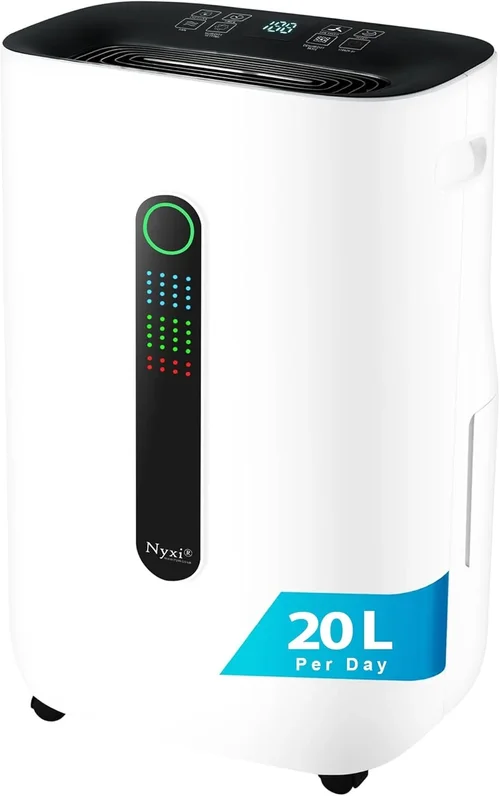
❌ Mistake: Ignoring Real-World Performance vs. Lab Ratings
Why it’s bad: Many buyers assume a 35-pint dehumidifier will remove 35 pints of water daily in their home. However, AHAM testing is done under ideal conditions (80°F, 60% humidity). In cooler or drier environments, actual output can be 20–30% lower. Relying solely on the label can lead to underperformance and frustration.
What to do instead: Look for models with strong user reviews that mention performance in real-world conditions. If your space is cooler (like a basement), consider a unit with auto-defrost or opt for a 50-pint model for better results.
❌ Mistake: Overlooking Drainage Needs
Why it’s bad: Choosing a model with only a water tank when you need continuous drainage means constant manual emptying—especially in humid climates. This can lead to neglect, overflow, and potential water damage.
What to do instead: Assess your space. If there’s no nearby drain, invest in a model with a built-in pump or plan for a condensate pump accessory. Even if you don’t need it now, having the option adds flexibility.
❌ Mistake: Prioritizing Price Over Energy Efficiency
Why it’s bad: A cheaper dehumidifier may cost more in the long run due to higher energy consumption. Over 5 years, a $50 savings on purchase price could be wiped out by $200 in extra electricity bills.
What to do instead: Calculate the total cost of ownership. Use the Energy Factor (EF) and local electricity rates to estimate annual operating costs. ENERGY STAR models often pay for themselves within 1–2 years.
❌ Mistake: Buying Based on Brand Alone
Why it’s bad: Just because a brand is well-known doesn’t mean every model is high-quality. Some brands offer budget lines with inferior components or shorter lifespans.
What to do instead: Research specific models, not just brands. Read detailed reviews, check warranty terms, and compare features. A lesser-known model with better specs and support may outperform a premium brand’s entry-level unit.
❌ Mistake: Ignoring Noise Levels
Why it’s bad: A noisy dehumidifier can disrupt sleep, work, or relaxation—especially if placed in a living area. Many buyers only discover the noise issue after purchase.
What to do instead: Check decibel ratings and user feedback. Look for models with quiet modes or sound-dampening features. If possible, test the unit in-store or read reviews from users in similar environments.
❌ Mistake: Not Checking Warranty Details
Why it’s bad: A “2-year warranty” may only cover parts, not labor or shipping. Some warranties are voided if the unit is used in a basement or garage.
What to do instead: Read the fine print. Ensure the warranty covers your intended use and includes labor. Consider extended warranty options for high-end models.
❌ Mistake: Skipping User Reviews
Why it’s bad: Marketing materials highlight strengths but omit flaws. User reviews reveal real issues like poor drainage, short lifespan, or unresponsive customer service.
What to do instead: Read reviews from multiple sources (Amazon, Home Depot, Reddit). Look for patterns—if multiple users report the same problem, it’s likely a design flaw.
Budget Guidelines: How Much Should You Spend?
– Entry-Level ($150–$250): These models offer basic functionality with standard compressor technology, manual drainage, and limited features. Ideal for occasional use in low-humidity areas. Expect shorter lifespans and higher noise levels. Best for budget-conscious buyers who need temporary moisture control.
– Mid-Range ($250–$350): This is the sweet spot for most buyers. These units typically include ENERGY STAR certification, auto-humidistat, continuous drainage options, and better build quality. They offer a great balance of performance, efficiency, and durability. Look for models from reputable brands like Frigidaire or Honeywell in this range.
– Premium ($350–$500): Designed for high-performance and convenience, these models often feature smart connectivity, built-in pumps, quiet operation, and advanced filtration. Ideal for tech-savvy users or those in high-humidity climates. Expect longer warranties and better customer support.
– Luxury ($500+): These are commercial-grade or ultra-premium residential units with heavy-duty components, extended warranties, and professional features. Often used in large homes, rental properties, or flood-prone areas. While overkill for most, they offer unmatched reliability and longevity.
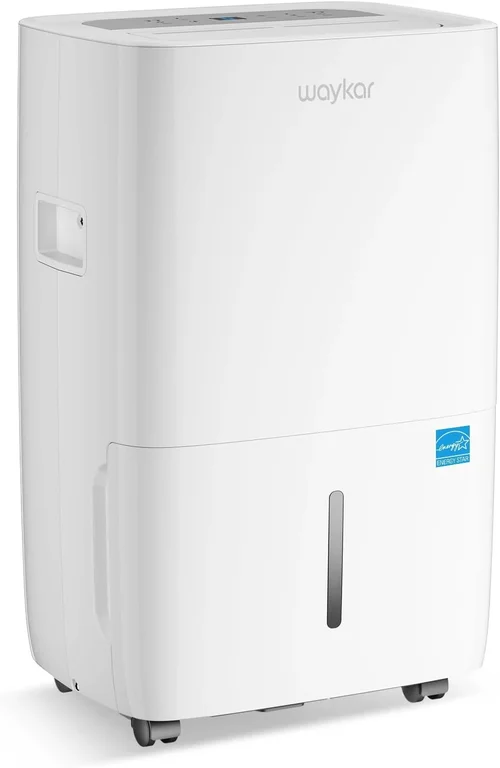
Expert Tips for Getting the Best Deal
– Buy During Off-Season: Dehumidifiers are in highest demand during summer. Purchase in late fall or winter (October–February) for discounts of 20–30%. Retailers often clear inventory before the humid season.
– Shop Online for Better Selection: Online retailers like Amazon, Home Depot, and Lowe’s offer wider selections, detailed specs, and user reviews. You can also compare prices across platforms easily.
– Check for Rebates: Some utility companies offer rebates for ENERGY STAR-certified dehumidifiers. Visit your provider’s website or the ENERGY STAR rebate finder to see if you qualify.
– Look for Bundled Deals: Some retailers offer discounts when you buy a dehumidifier with other appliances (e.g., air conditioner, air purifier). Even if you don’t need the extras, the bundle price may still be lower.
– Read Return Policies: Ensure the retailer offers a generous return window (at least 30 days). Dehumidifiers can be heavy and difficult to return, so choose a seller with free return shipping if possible.
– Test Before Committing: If buying in-store, ask to see a demo unit. Check noise level, ease of use, and build quality. Some stores allow in-home trials—take advantage if available.
– Consider Refurbished Models: Certified refurbished units from reputable sellers often come with warranties and can save you 20–40%. Just ensure they’re tested and include all accessories.
– Negotiate Extended Warranties: Some retailers offer discounts on extended warranties if purchased with the unit. Compare the cost to third-party plans, which are often cheaper.

Frequently Asked Questions
Q: How often should I run my 35-pint dehumidifier?
A: It depends on humidity levels. In high-humidity areas, run it continuously or use a timer. In moderate conditions, 8–12 hours per day may suffice. Use the built-in humidistat to maintain 30–50% humidity automatically.
Q: Can a 35-pint dehumidifier handle a flooded basement?
A: Not effectively. While it can help with residual moisture, a flooded basement requires a commercial-grade extractor or wet/dry vacuum. Use the dehumidifier for drying after water removal.
Q: Do I need a dehumidifier in winter?
A: Yes, especially in basements. Cold air holds less moisture, but condensation can still form on walls and windows. A dehumidifier with auto-defrost is ideal for winter use.
Q: How do I clean the air filter?
A: Most filters are washable. Remove the filter, rinse with warm water, and let it air dry completely before reinserting. Clean every 2–4 weeks during heavy use.
Q: Can I use a dehumidifier in an unheated garage?
A: Only if it has auto-defrost. Standard models may freeze and shut down below 65°F. Look for “low-temperature operation” in the specs.
Q: Will a dehumidifier reduce mold growth?
A: Yes, by maintaining humidity below 50%, you create an environment where mold struggles to grow. Combine with proper ventilation and leak repairs for best results.
Q: How long do 35-pint dehumidifiers last?
A: With proper maintenance, most last 5–10 years. ENERGY STAR models and those with metal coils tend to last longer.
Q: Can I place the dehumidifier on carpet?
A: Yes, but ensure the intake and exhaust vents aren’t blocked. Use a platform or anti-vibration mat to prevent carpet damage and improve airflow.
Q: Is it safe to leave a dehumidifier on all the time?
A: Yes, as long as it has auto-shutoff, overheat protection, and is placed on a stable surface. Modern units are designed for continuous operation.
Q: What’s the difference between a 35-pint and 50-pint dehumidifier?
A: A 50-pint unit removes more moisture per day and is better for larger or wetter spaces. A 35-pint model is more energy-efficient for moderate conditions.
Our Final Recommendations
– Best for Budget-Conscious Buyers: Frigidaire FFAD3033W1 – At under $250, this ENERGY STAR-certified model offers reliable performance, continuous drainage, and a washable filter. Ideal for basements and laundry rooms.
– Best Overall Value: Honeywell TP70WKN – Priced around $300, it features a built-in pump, smart controls, quiet operation, and excellent user reviews. A top pick for most households.
– Best Premium Option: LG PuriCare 35-Pint Smart Dehumidifier – With Wi-Fi connectivity, app control, and a sleek design, this $450 model is perfect for tech enthusiasts who want remote monitoring and smart home integration.
– Best for Beginners: GE ADEW30LZ – Simple controls, reliable performance, and a large tank make this $220 unit ideal for first-time buyers. Easy to set up and maintain.
– Best for Advanced Users: AprilAire E080 Pro – A commercial-grade unit with a 5-year warranty, built-in pump, and wall-mountable design. Best for professionals or those with serious moisture issues.
Conclusion: Making the Right Choice
Choosing the best 35-pint dehumidifier isn’t just about finding the most powerful or cheapest model—it’s about matching the right features, performance, and reliability to your specific needs. Whether you’re fighting dampness in a basement, protecting belongings in a garage, or improving indoor air quality, the right dehumidifier can make a significant difference in your home’s comfort and health.
Throughout this guide, we’ve covered the essential factors to consider: performance under real-world conditions, energy efficiency, drainage options, noise levels, build quality, and long-term value. We’ve compared different types, highlighted common pitfalls, and provided actionable tips to help you save money and avoid regrets. Remember, the best dehumidifier is the one that fits your space, your budget, and your lifestyle.
As you move forward, prioritize your must-have features—whether that’s a built-in pump, smart controls, or whisper-quiet operation. Don’t rush the decision. Take time to read reviews, compare models, and consider the total cost of ownership. And when you do find the right unit, maintain it regularly to ensure years of reliable service.
Your home deserves a healthy, comfortable environment. With the insights from this guide, you’re now equipped to make a confident, informed choice. Breathe easier, live better—your ideal 35-pint dehumidifier is out there, waiting to transform your space.