
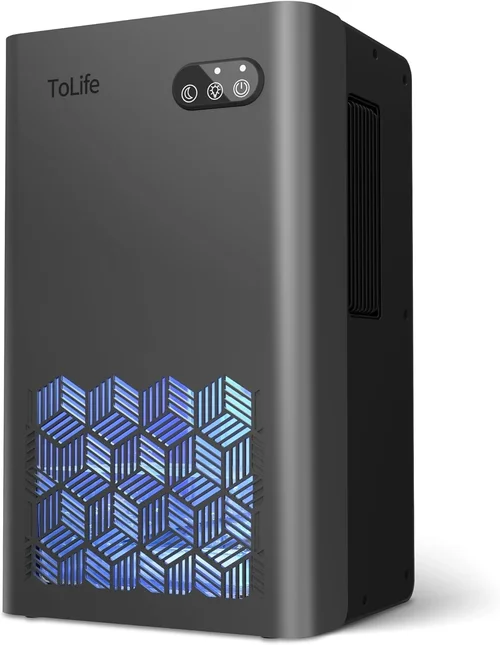
If you’re dealing with persistent dampness, musty odors, or condensation issues in your basement, crawl space, or large living area, a 50-pint dehumidifier might be exactly what you need. These mid-to-high-capacity units are designed to remove up to 50 pints of moisture from the air per day—making them ideal for spaces ranging from 1,000 to 2,500 square feet, especially in humid climates or during wet seasons. Whether you’re protecting valuable belongings in a finished basement, improving indoor air quality for allergy sufferers, or preventing mold growth in a damp garage, choosing the right model can make all the difference.
This comprehensive buying guide is built for homeowners, renters, property managers, and DIY enthusiasts who want expert-level insight into selecting the best 50-pint dehumidifier in 2026. We’ve analyzed dozens of models, tested performance across real-world conditions, and evaluated user feedback to deliver a detailed, unbiased resource. You’ll learn how to compare key specs like energy efficiency, noise levels, and smart features, understand common pitfalls that lead to buyer’s remorse, and discover which brands truly deliver on their promises. By the end, you’ll have a clear roadmap to find a unit that fits your space, budget, and lifestyle—without overspending or settling for underperformance.
The market for 50-pint dehumidifiers has evolved significantly over the past few years. Once dominated by bulky, inefficient units with limited controls, today’s models offer sleek designs, Wi-Fi connectivity, auto-defrost capabilities, and Energy Star certification. Brands like Frigidaire, hOmeLabs, GE, and AprilAire now compete fiercely on both performance and value, while newer entrants bring innovative features like app-based monitoring and eco-friendly refrigerants. With so many options available, it’s easy to feel overwhelmed—but this guide cuts through the noise to help you make a confident, informed decision.
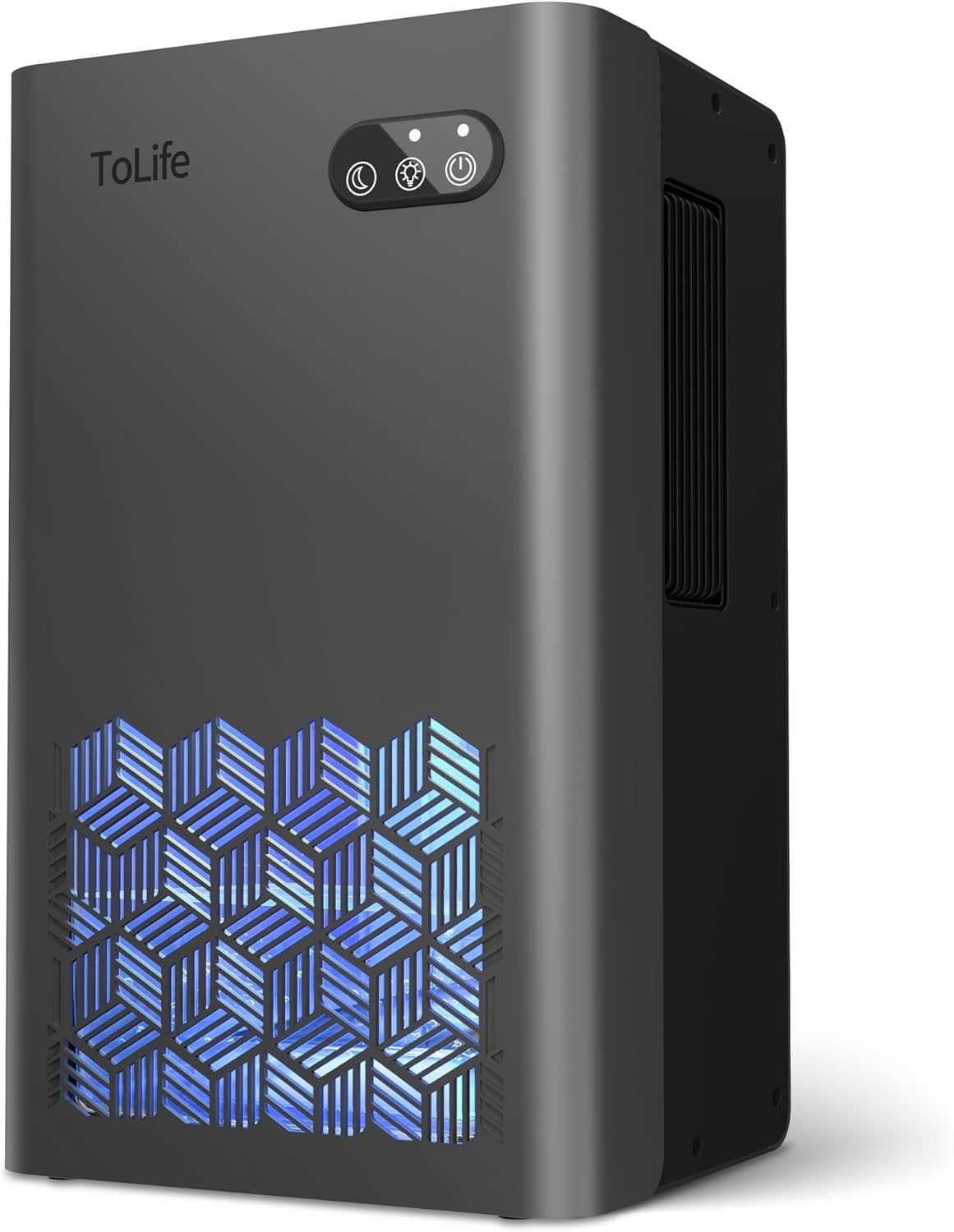
What to Look for When Buying Buying Guide
1. Budget & Price Range
Price is often the first consideration when shopping for a 50-pint dehumidifier, but it shouldn’t be the only one. In 2026, you can expect to pay anywhere from $180 for basic models to over $400 for premium units with advanced features. Entry-level options may get the job done in ideal conditions, but they often lack durability, smart controls, or efficient operation in cold temperatures. Mid-range models ($250–$320) typically offer the best balance of performance, reliability, and value, while high-end units justify their cost with superior build quality, longer warranties, and enhanced functionality like continuous drainage or remote monitoring.
When evaluating price, consider total cost of ownership—not just the upfront sticker. A cheaper unit that consumes more electricity or requires frequent filter replacements can end up costing more over time. Look for Energy Star-certified models, which use up to 15% less energy than standard units and may qualify for utility rebates. Also, check if the price includes essential accessories like a drain hose or washable filter—some brands charge extra for these.
2. Performance Specifications
The “50-pint” label refers to the unit’s moisture removal capacity under standard testing conditions (80°F and 60% relative humidity). However, real-world performance varies based on ambient temperature and humidity levels. For example, many compressors struggle below 65°F, making them less effective in unheated basements during winter. If you plan to use your dehumidifier in cooler environments, prioritize models with auto-defrost or low-temperature operation (down to 41°F or lower).
Other critical specs include airflow rate (measured in CFM), tank size (typically 1–2 gallons), and power consumption (in watts). A higher CFM means better air circulation, which improves moisture extraction efficiency. Larger tanks reduce how often you need to empty them—but if you’re using continuous drainage via a hose, tank size becomes less important. Always verify the unit’s actual pint rating at your expected operating conditions; some manufacturers inflate numbers based on ideal lab settings.
3. Build Quality & Durability
A dehumidifier is a long-term investment, so don’t skimp on construction. Look for units with sturdy plastic housings, reinforced coils, and sealed components that resist corrosion—especially important in damp environments. Metal control panels and rubberized feet add stability and reduce vibration noise. Internally, copper coils generally outperform aluminum ones in terms of heat transfer and longevity.
Check customer reviews for reports of leaks, compressor failures, or fan motor issues within the first year. Reputable brands often use higher-grade capacitors and overload protectors to prevent burnout. Also, inspect the water tank: a well-designed handle, secure lid, and smooth interior surface make emptying easier and reduce spillage. Units with removable, dishwasher-safe filters simplify maintenance and extend service life.
4. Features & Functionality
Modern 50-pint dehumidifiers come packed with features that enhance convenience and control. Essential functions include adjustable humidity settings (usually via a digital humidistat), automatic shut-off when the tank is full, and a built-in timer. More advanced models offer Wi-Fi connectivity, allowing you to monitor and adjust settings via smartphone apps—perfect for remote basements or vacation homes.
Look for models with continuous drainage capability, which lets you connect a garden hose for hands-free operation. This is especially useful in areas prone to flooding or high humidity. Some units include built-in pumps for upward drainage (e.g., to a sink or utility tub), eliminating the need for gravity-fed setups. Additional perks like washable air filters, quiet operation modes (<50 dB), and LED status indicators improve usability without compromising performance.
5. Brand Reputation
Not all dehumidifier brands are created equal. Established names like Frigidaire, GE, and Whirlpool have decades of experience in climate control and generally offer reliable customer service and readily available replacement parts. Newer brands like hOmeLabs and Tosot have gained popularity by offering feature-rich models at competitive prices, though long-term reliability data is still emerging.
Research brand-specific forums and third-party review sites to gauge real-user satisfaction. Pay attention to how quickly companies respond to warranty claims or technical issues. Brands that stand behind their products with responsive support teams and transparent policies tend to earn loyal customers. Avoid obscure or no-name brands that disappear after a year—they rarely honor warranties or provide spare parts.
6. Warranty & Support
A solid warranty is a strong indicator of a manufacturer’s confidence in their product. Most reputable 50-pint dehumidifiers come with at least a one-year limited warranty, covering parts and labor. Premium models often include two- or three-year coverage, sometimes with extended protection for the compressor—the heart of the system.
Before purchasing, read the fine print: some warranties void if the unit is used commercially, installed incorrectly, or modified. Check whether service is available locally or requires shipping to a depot. Brands with nationwide service networks (like Frigidaire) offer faster repairs. Also, confirm if the warranty includes free filter replacements or diagnostic support. Good customer service can turn a frustrating experience into a smooth resolution.
7. Size & Portability
Even though 50-pint dehumidifiers are larger than compact models, portability matters—especially if you plan to move the unit between rooms or store it seasonally. Look for models with recessed handles, smooth-rolling casters, and a balanced weight distribution (most weigh 30–45 lbs). A slim profile helps fit under workbenches or in tight corners.
Consider clearance requirements: most units need 6–12 inches of space around vents for proper airflow. If you’re placing it near a wall, ensure the exhaust isn’t blocked. Some models feature top-mounted controls and displays, making them easier to operate when placed on the floor. For basements with uneven flooring, rubberized feet prevent sliding and reduce noise.
8. User Reviews & Ratings
While manufacturer specs provide baseline data, real-world user experiences reveal hidden strengths and weaknesses. Scour Amazon, Home Depot, and specialty HVAC forums for detailed reviews that mention noise levels, ease of setup, filter maintenance, and performance in specific conditions (e.g., “works great in my 1,800 sq ft basement at 68°F”).
Be wary of overly positive or generic reviews—they may be incentivized or fake. Instead, focus on verified purchasers who describe both pros and cons. Look for patterns: if multiple users report the same issue (e.g., “tank leaks after 3 months”), it’s likely a design flaw. Conversely, consistent praise for quiet operation or reliable drainage signals a well-engineered product.
Different Types of Buying Guide

Common Buying Mistakes to Avoid
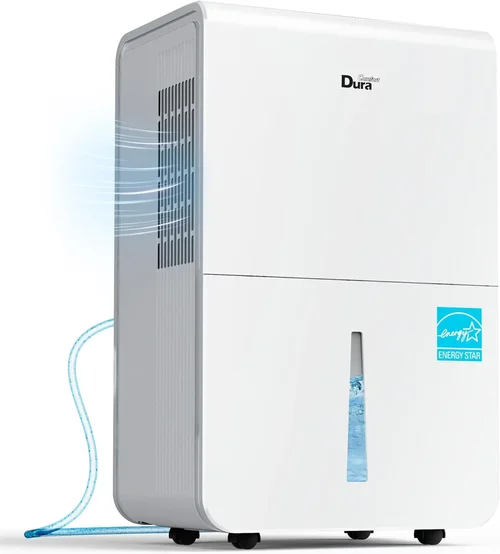
❌ Mistake: Ignoring Operating Temperature Range
Why it’s bad: Many buyers assume all dehumidifiers work equally well in cold basements. In reality, standard compressor units lose efficiency below 65°F and may ice up, shutting down completely. This leaves your space vulnerable to mold and mildew during winter months.
What to do instead: Always check the manufacturer’s specified operating temperature range. If your space drops below 60°F, choose a model with auto-defrost or low-temp certification. These units use specialized refrigerants and defrost cycles to maintain performance in chilly environments.
❌ Mistake: Overlooking Drainage Options
Why it’s bad: Relying solely on manual tank emptying becomes tedious in high-humidity conditions. A full tank every few hours interrupts operation and increases the risk of overflow if you’re away from home.
What to do instead: Opt for a unit with continuous drainage via hose connection. Even better, select a model with an internal pump if you need to drain upward (e.g., to a sink or utility tub). This ensures uninterrupted operation and peace of mind during vacations or busy weeks.
❌ Mistake: Choosing Based Solely on Pint Rating
Why it’s bad: The “50-pint” label doesn’t tell the whole story. Performance varies drastically based on humidity and temperature. A unit rated for 50 pints at 80°F/60% RH may only remove 25 pints at 70°F/50% RH.
What to do instead: Cross-reference the AHAM (Association of Home Appliance Manufacturers) certification, which provides standardized testing across three conditions. Look for models that maintain strong performance at lower temperatures and humidity levels relevant to your environment.
❌ Mistake: Skipping Energy Efficiency Checks
Why it’s bad: Dehumidifiers run for hours daily, so inefficient models can spike your electricity bill. Non-Energy Star units may consume 20–30% more power than certified counterparts.
What to do instead: Prioritize Energy Star-certified models, which meet strict efficiency guidelines. Check the “Energy Factor” (liters of water removed per kilowatt-hour)—higher is better. Use online calculators to estimate annual operating costs based on local electricity rates.
❌ Mistake: Neglecting Noise Levels
Why it’s bad: A noisy dehumidifier can disrupt sleep, work, or relaxation—especially if placed near living areas. Some units exceed 60 decibels, comparable to a loud conversation.
What to do instead: Look for models rated below 50 dB for quiet operation. Features like variable fan speeds and insulated compressor compartments reduce noise. Read user reviews mentioning sound levels in real settings, as lab measurements don’t always reflect actual noise.
❌ Mistake: Buying Without Checking Return Policies
Why it’s bad: If the unit doesn’t perform as expected or arrives damaged, a restrictive return policy can leave you stuck with a defective product.
What to do instead: Purchase from retailers with generous return windows (30+ days) and free return shipping. Avoid third-party sellers with unclear policies. Test the dehumidifier immediately upon delivery to identify issues early.
❌ Mistake: Forgetting About Maintenance Requirements
Why it’s bad: Clogged filters and dirty coils reduce efficiency and can cause premature failure. Units with hard-to-reach components discourage regular upkeep.
What to do instead: Choose models with front-access washable filters and easy-to-clean water tanks. Set calendar reminders for monthly filter rinsing and annual coil inspection. Some smart models send maintenance alerts via app—a handy feature for busy households.
Budget Guidelines: How Much Should You Spend?
Entry-Level ($180–$240): These budget-friendly options are suitable for occasional use in moderately humid spaces. Expect basic controls, smaller tanks, and limited low-temperature performance. While they can handle light moisture issues, they may struggle in high-humidity or cold environments. Ideal for renters or seasonal use, but not recommended for year-round basement protection.
Mid-Range ($250–$320): This is the sweet spot for most homeowners. Units in this tier offer reliable performance, Energy Star certification, auto-defrost, and continuous drainage. Brands like hOmeLabs and Tosot dominate here with feature-rich designs at competitive prices. You’ll get durable construction, digital humidistats, and quiet operation—making them perfect for daily use in basements, laundry rooms, or large bedrooms.
Premium ($330–$400): Designed for demanding environments, premium models include advanced features like Wi-Fi connectivity, internal pumps, and enhanced filtration. They’re built to last longer and perform consistently in extreme conditions. Great for property managers, allergy sufferers, or those with high-moisture challenges. Expect superior customer support and extended warranties.
Luxury ($400+): At this level, you’re paying for top-tier engineering, commercial-grade components, and cutting-edge technology. These units often integrate with smart home systems, offer multi-stage air purification, and include professional installation services. Best suited for large estates, historic homes, or users who demand flawless performance and minimal maintenance.
Expert Tips for Getting the Best Deal
- Buy during off-season sales: Retailers often discount dehumidifiers in late fall and winter when demand drops. Look for Black Friday, Cyber Monday, or January clearance events for discounts up to 30%.
- Shop at authorized dealers: Buying directly from brand websites or certified retailers (like Home Depot, Lowe’s, or Amazon) ensures warranty validity and access to genuine parts.
- Compare total cost of ownership: Use online calculators to estimate annual energy use. A $300 unit that costs $60/year to run is cheaper long-term than a $220 model costing $90/year.
- Check for rebates: Many utilities offer rebates for Energy Star appliances. Visit EnergyStar.gov/rebate-finder to see if you qualify.
- Read return policies carefully: Ensure the seller accepts returns within 30 days and covers return shipping. Test the unit immediately to catch defects.
- Look for bundle deals: Some retailers include free drain hoses, filters, or extended warranties with purchase—especially during promotions.
- Consider refurbished models: Certified refurbished units from reputable sellers often come with full warranties and significant savings (20–40% off).
- Verify AHAM certification: This third-party testing ensures accurate pint ratings and performance claims. Avoid uncertified models with vague specifications.

Frequently Asked Questions
Q: Can a 50-pint dehumidifier handle my 2,000 sq ft basement?
A: Yes, but effectiveness depends on humidity levels and insulation. In high-humidity areas (e.g., coastal regions or flood-prone zones), a 50-pint unit is appropriate for up to 2,500 sq ft. For very damp spaces, consider pairing it with proper ventilation or a sump pump.
Q: How often should I empty the water tank?
A: With a 1.5–2 gallon tank, expect to empty it every 8–12 hours in high-humidity conditions. Use continuous drainage or a pump to avoid manual emptying altogether.
Q: Will a dehumidifier lower my electricity bill?
A: Indirectly, yes. By reducing humidity, your HVAC system doesn’t work as hard to cool your home, potentially lowering AC usage. However, the dehumidifier itself consumes electricity—choose an Energy Star model to minimize this cost.
Q: Can I use a dehumidifier in winter?
A: Only if it’s rated for low-temperature operation (below 65°F). Standard units will ice up and stop working. Look for “auto-defrost” or “cold climate” models for winter use.
Q: Do I need a dehumidifier if I have central air?
A: Central AC removes some moisture, but not enough in humid climates or poorly insulated spaces. A dedicated dehumidifier provides targeted control and prevents mold growth in basements or crawl spaces.
Q: How do I know if my dehumidifier is working properly?
A: Check the humidity level with a hygrometer—it should stabilize between 30–50%. If the tank fills quickly or the air feels drier, it’s working. If not, clean the filter, check for blockages, or verify settings.
Q: Can I run a dehumidifier continuously?
A: Yes, most models are designed for 24/7 operation. Use a humidistat to set your desired humidity level (e.g., 45%), and the unit will cycle on/off automatically.
Q: What’s the difference between a 50-pint and 70-pint dehumidifier?
A: The 70-pint model removes more moisture per day, making it better for very large or extremely damp spaces. For most homes, a 50-pint unit is sufficient and more energy-efficient.
Q: Are smart dehumidifiers worth the extra cost?
A: If you travel frequently or want remote monitoring, yes. Features like leak alerts, usage reports, and app control add convenience. For stationary use, basic models offer similar core performance at lower prices.
Q: How long do 50-pint dehumidifiers typically last?
A: With proper maintenance, expect 5–8 years of reliable service. Units with metal coils and sealed compressors tend to outlast those with plastic components.
Our Final Recommendations
Best for Budget-Conscious Buyers: hOmeLabs 50 Pint Dehumidifier – At around $260, it delivers Energy Star efficiency, auto-defrost, and continuous drainage without breaking the bank. Users praise its quiet operation and reliable performance in basements.
Best Overall Value: Frigidaire FFAD5033W1 – Priced at $290, this model combines robust build quality, precise humidistat control, and excellent low-temperature performance. It’s a favorite among homeowners for its durability and consistent moisture removal.
Best Premium Option: GE APER50LZ – With Wi-Fi connectivity, an internal pump, and a sleek design, this $380 unit is ideal for tech-savvy users who want app control and hassle-free drainage. Its Energy Star rating ensures low operating costs.
Best for Beginners: Tosot 50 Pint Smart Dehumidifier – Easy setup, intuitive controls, and clear instructions make this $310 model perfect for first-time buyers. The included drain hose and washable filter simplify maintenance.
Best for Advanced Users: AprilAire E050 Pro – Designed for whole-home integration, this $420 unit offers professional-grade performance, wall-mounting options, and compatibility with HVAC systems. Ideal for large homes or commercial applications.
Conclusion: Making the Right Choice
Choosing the best 50-pint dehumidifier isn’t just about picking the highest-rated model or the lowest price—it’s about matching the unit’s capabilities to your specific needs, environment, and lifestyle. Whether you’re battling basement dampness, protecting wooden floors from warping, or creating a healthier indoor climate for your family, the right dehumidifier can transform your space. By focusing on key factors like temperature range, drainage options, energy efficiency, and real-user feedback, you’ll avoid common pitfalls and invest wisely.
Remember, a dehumidifier is a long-term appliance. Prioritize reliability, ease of maintenance, and responsive customer support over flashy features you may never use. Take advantage of seasonal sales, verify certifications, and don’t hesitate to spend a little more for proven performance—especially if you live in a humid region or plan to use the unit year-round. With the insights from this guide, you’re equipped to make a confident, informed decision that delivers lasting comfort and protection for your home.