
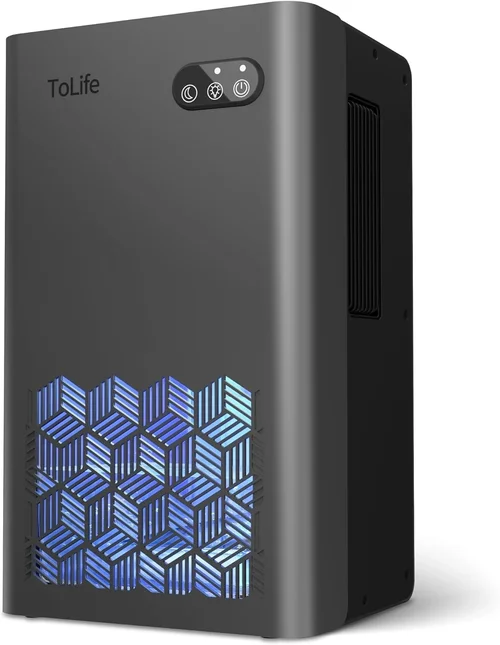
If you’ve ever walked into your basement and been hit with that unmistakable damp, musty smell—like old cardboard and forgotten laundry—you already know the problem. Basements are notorious for high humidity, poor ventilation, and moisture buildup. Left unchecked, this environment becomes a breeding ground for mold, mildew, rust, and structural damage. Worse yet, it can trigger allergies, aggravate asthma, and ruin stored belongings like books, electronics, or seasonal clothing. That’s where a dehumidifier comes in—not just as a convenience, but as a necessity for maintaining a healthy, functional basement.
This guide is designed for homeowners, renters, and property managers who are serious about solving basement moisture issues once and for all. Whether you’re dealing with a small, partially finished space or a sprawling, unfinished storage area, choosing the right dehumidifier can feel overwhelming. The market is flooded with options ranging from $100 budget units to $800+ industrial-grade machines, each claiming to be “the best.” But not all dehumidifiers are created equal—especially when it comes to basement conditions. In this comprehensive buying guide, you’ll learn exactly what to look for, how to avoid common pitfalls, and which models deliver real results in real-world settings.
We’ll walk you through every critical factor—from capacity and energy efficiency to noise levels and smart features—so you can make an informed decision tailored to your specific needs. You’ll also get expert insights on pricing tiers, brand reliability, and long-term maintenance. By the end of this guide, you won’t just know which dehumidifier to buy—you’ll understand why it’s the right choice for your basement.
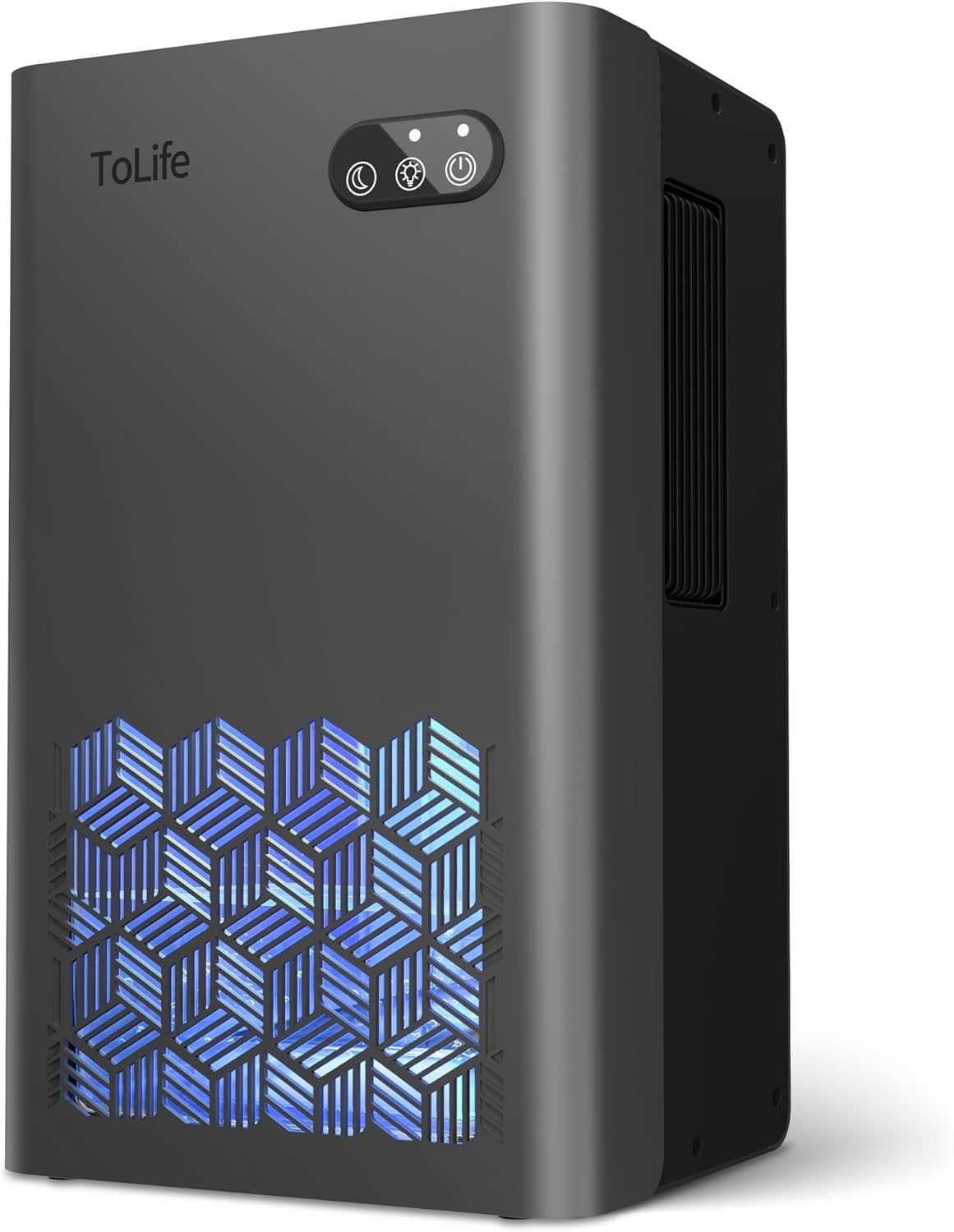
What to Look for When Buying Buying Guide
1. Capacity (Pints per Day)
The most important specification when choosing a dehumidifier for your basement is its capacity, measured in pints of moisture removed per day (PPD). This number tells you how much water the unit can extract from the air in a 24-hour period under standard testing conditions (typically 60% relative humidity at 80°F). For basements, which are often cool, damp, and poorly ventilated, you’ll generally need a higher-capacity unit than you would for a living room or bedroom.
To determine the right capacity, start by assessing your basement’s square footage and moisture level. Here’s a general rule of thumb:
– Up to 1,500 sq. ft., mildly damp: 30–50 PPD
– 1,500–2,500 sq. ft., moderately damp: 50–70 PPD
– Over 2,500 sq. ft., very damp or wet: 70+ PPD
Keep in mind that these are guidelines—not guarantees. If your basement has standing water, frequent condensation on walls, or a history of flooding, lean toward the higher end of the range. Also, consider that many manufacturers rate their units based on ideal lab conditions. In real-world basements (which are often cooler and more humid), performance may drop by 10–20%. So, if you’re on the borderline between two sizes, go bigger.
2. Energy Efficiency (Energy Star Rating)
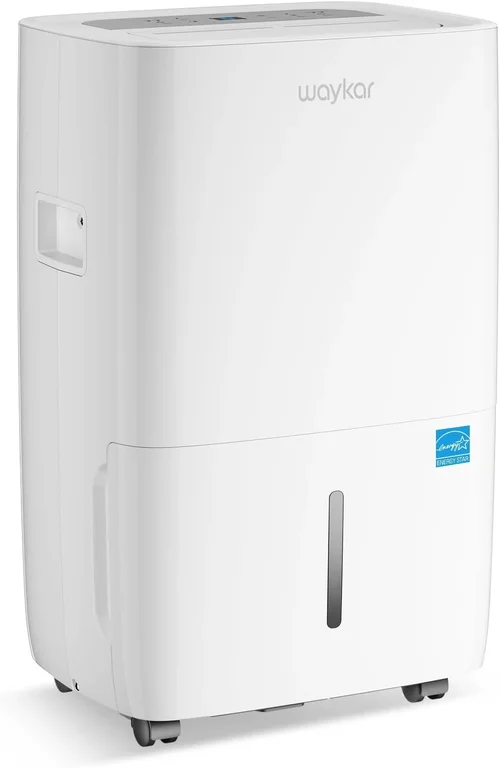
Running a dehumidifier 24/7 in a basement can significantly impact your electricity bill—especially if the unit is inefficient. That’s why energy efficiency should be a top priority. Look for models with the Energy Star certification, which indicates they meet strict guidelines set by the U.S. Environmental Protection Agency for energy performance.
Energy Star-certified dehumidifiers use up to 15% less energy than standard models, which translates to real savings over time. For example, a 70-pint Energy Star unit might cost around $30–$40 per year to operate, while a non-certified equivalent could cost $50–$70. Over five years, that’s a difference of $100–$150—enough to offset a higher upfront price.
Pay attention to the Energy Factor (EF), measured in liters of water removed per kilowatt-hour (L/kWh). Higher EF values mean better efficiency. Most modern dehumidifiers range from 1.5 to 2.5 L/kWh, with top performers hitting 2.8 or higher. Also, check the wattage—lower wattage at similar capacity usually means better efficiency.
3. Drainage Options
One of the biggest hassles with dehumidifiers is emptying the water tank. Depending on humidity levels, you might need to dump the bucket multiple times a day—especially in summer or after heavy rain. That’s why drainage options are crucial for basement use.
There are three main drainage methods:
– Manual Emptying: The most basic option. You lift and pour out the water tank. Only suitable for low-humidity areas or if you’re willing to check the unit frequently.
– Gravity Drain Hose: A continuous drain hose attaches to the back of the unit and runs to a floor drain, sump pump, or outside. This allows the dehumidifier to run indefinitely without intervention. Ideal for basements with floor drains or window access.
– Pump Drain (Auto-Pump): Higher-end models include a built-in condensate pump that can push water vertically (up to 15 feet) and horizontally (up to 100 feet). This is perfect for basements without floor drains—you can route the hose up through a wall or window.
For most basement applications, a gravity drain or pump drain is strongly recommended. If your basement has a sump pit or laundry sink, a gravity hose is simple and effective. If not, invest in a model with an auto-pump—it’s worth the extra cost for peace of mind.
4. Noise Level (Decibels)
Basements are often used for storage, laundry, home gyms, or even as living spaces. If your dehumidifier sounds like a jet engine, it can quickly become a nuisance. Noise level is measured in decibels (dB), and most residential dehumidifiers range from 45 dB to 60 dB.
To put that in perspective:
– 45 dB = quiet library
– 50 dB = normal conversation
– 55 dB = background music
– 60 dB = loud conversation
For finished basements or areas near living spaces, aim for a unit under 55 dB. Many premium models now feature “quiet mode” or insulated compressor compartments to reduce noise. Look for specifications like “<52 dB” or “whisper-quiet operation.” Keep in mind that noise can vary based on fan speed and settings. Some units let you switch to a lower fan speed at night, which reduces noise but may slightly decrease dehumidification speed. If quiet operation is a priority, check user reviews for real-world noise feedback—manufacturer specs can sometimes be optimistic.
5. Humidity Control & Sensors
A good dehumidifier doesn’t just run nonstop—it maintains a consistent, healthy humidity level. Look for models with a built-in hygrometer (humidity sensor) and adjustable humidity settings, usually ranging from 30% to 80% relative humidity (RH).
The ideal indoor humidity level is between 30% and 50%. Below 30%, the air becomes too dry, causing skin irritation and static electricity. Above 50%, mold and dust mites thrive. A dehumidifier with precise humidity control will automatically turn on and off to maintain your target setting, saving energy and preventing over-drying.
Advanced models offer features like:
– Digital display with real-time humidity readings
– Auto-restart after power outages
– Timer functions (e.g., run for 2, 4, or 8 hours)
– Smart connectivity (Wi-Fi, app control, voice assistant compatibility)
For basements, auto-restart is especially useful—if the power goes out during a storm, the unit will resume operation once electricity returns, preventing a moisture spike.
6. Build Quality & Durability
Basements are harsh environments—cold, damp, dusty, and sometimes prone to flooding. A flimsy dehumidifier won’t last long. Look for units with robust construction, including:
– Metal casing (not plastic) for better heat dissipation and durability
– Corrosion-resistant coils (often coated with epoxy or hydrophilic film)
– Sealed compressor to prevent moisture damage
– Sturdy wheels and handles for easy movement
Pay attention to the warranty—most reputable brands offer at least a 1-year limited warranty, with premium models providing 2–5 years. Longer warranties often indicate confidence in build quality.
Also, check the filter. A washable, reusable air filter is ideal—it captures dust and mold spores, improving air quality and protecting internal components. Some models include a filter-cleaning indicator to remind you when maintenance is due.
7. Size & Portability
Even though your dehumidifier will likely stay in one place, size and portability matter—especially during setup, maintenance, or if you need to move it between floors.
Most basement dehumidifiers weigh between 30 and 50 pounds. Look for models with:
– Integrated handles (top or side)
– Swivel or locking casters (wheels)
– Compact footprint that fits in tight spaces
Measure your basement layout before buying. Ensure there’s at least 6–12 inches of clearance around the unit for proper airflow. Blocked vents reduce efficiency and can cause overheating.
If your basement has multiple rooms or you plan to use the dehumidifier in other areas (like a garage or crawl space), portability becomes even more important. Some units are designed with modular components or foldable handles for easier transport.
8. Brand Reputation & Customer Support
Not all dehumidifier brands are equal. Some specialize in residential units, while others focus on commercial or industrial applications. For basements, you want a brand known for reliability, performance, and responsive customer service.
Top brands in the basement dehumidifier space include:
– Frigidaire – Known for durable, high-capacity units with excellent drainage options
– hOmeLabs – Popular for smart features, quiet operation, and strong value
– GE Appliances – Trusted for Energy Star efficiency and wide availability
– AprilAire – Premium whole-home systems, ideal for large or problematic basements
– Midea – Offers budget-friendly models with surprising performance
Check online reviews on trusted sites like Consumer Reports, Wirecutter, or Amazon (filter for verified purchases). Look for patterns—consistent praise for durability or complaints about leaks or noise can reveal a lot.
Also, consider post-purchase support. Can you easily find replacement filters? Is there a local service center? Does the company offer live chat or phone support? A good warranty is only valuable if the brand stands behind it.
Different Types of Buying Guide

Common Buying Mistakes to Avoid
❌ Mistake: Buying Based Solely on Price
Why it’s bad: The cheapest dehumidifier often costs more in the long run. Low-cost models may have weak compressors, small tanks, poor drainage, and short lifespans. They might also lack essential features like auto-humidistats or defrost modes, leading to inefficient operation or failure in cold basements.
What to do instead: Treat your dehumidifier as a long-term investment. Spend a little more upfront for a reliable, Energy Star-certified unit with good reviews. Calculate the total cost of ownership—including electricity and potential repairs—not just the sticker price.
❌ Mistake: Ignoring Drainage Needs
Why it’s bad: If you don’t plan for drainage, you’ll be emptying the tank constantly—especially during humid months. This is not only annoying but can lead to overflow, water damage, and mold growth if you forget to check it.
What to do instead: Assess your basement’s drainage options before buying. If you have a floor drain, choose a model with a gravity hose outlet. If not, invest in a unit with a built-in pump. Even if you start with manual emptying, having the option to add a hose later is worth it.
❌ Mistake: Overlooking Noise Levels
Why it’s bad: A loud dehumidifier can disrupt sleep, work, or relaxation—especially if your basement doubles as a home office, gym, or guest room. Constant humming or rattling becomes unbearable over time.
What to do instead: Check decibel ratings and read user reviews about noise. Look for models with insulated compressors, variable fan speeds, or “sleep mode.” If possible, test the unit in-store or buy from a retailer with a good return policy.
❌ Mistake: Choosing the Wrong Capacity
Why it’s bad: A unit that’s too small won’t keep up with moisture, leaving your basement damp and musty. One that’s too large may cycle on and off too frequently, wasting energy and wearing out components prematurely.
What to do instead: Use the square footage and moisture level guidelines above. When in doubt, go one size up. Better to have a slightly oversized unit than one that struggles to maintain humidity.
❌ Mistake: Neglecting Maintenance
Why it’s bad: A dirty filter or clogged coils reduce efficiency, increase energy use, and can cause the unit to overheat or fail. Mold can also grow inside the machine, releasing spores into your basement.
What to do instead: Clean the filter monthly and inspect coils and drainage ports quarterly. Follow the manufacturer’s maintenance schedule. Some models have filter-cleaning reminders—use them.
❌ Mistake: Buying Without Checking Warranty
Why it’s bad: Dehumidifiers have mechanical parts that can fail. Without a solid warranty, you’re on the hook for repair or replacement costs—often hundreds of dollars.
What to do instead: Choose brands that offer at least a 1-year warranty, with 2–5 years being ideal. Register your product after purchase to activate coverage. Keep receipts and documentation.
❌ Mistake: Assuming All Brands Are Equal
Why it’s bad: Some brands cut corners on materials, testing, and support. You might get a unit that looks good on paper but fails within months.
What to do instead: Stick to reputable brands with proven performance in basements. Read expert reviews and user feedback. Avoid unknown brands with no customer service presence.
Budget Guidelines: How Much Should You Spend?
– Entry-Level ($150–$250): What to expect…
These are basic refrigerant dehumidifiers with 30–50 pint capacity. They’re suitable for small, mildly damp basements. Expect manual drainage, limited humidity control, and shorter lifespans. Brands like Midea and Tosot offer decent options in this range, but don’t expect premium features or quiet operation.
– Mid-Range ($250–$450): Sweet spot for most buyers…
This tier offers the best balance of performance, features, and value. You’ll find 50–70 pint units with Energy Star ratings, digital controls, auto-drain options, and quieter operation. Models from Frigidaire, hOmeLabs, and GE dominate this category. Ideal for average-sized basements with moderate to high humidity.
– Premium ($450–$700): For enthusiasts and professionals…
These units deliver top-tier performance with advanced features like Wi-Fi connectivity, auto-pump drainage, low-temperature operation, and extended warranties. Perfect for large basements, finished spaces, or areas with chronic moisture issues. AprilAire and Santa Fe offer excellent options here.
– Luxury ($700+): Top-tier features…
Whole-house ducted systems or commercial-grade portable units. These are overkill for most homes but ideal for large properties, rental units, or extreme climates. They integrate with HVAC systems, offer remote monitoring, and require professional installation.
Expert Tips for Getting the Best Deal
– Buy in Spring or Early Summer: Dehumidifiers are in highest demand during humid months, but retailers often offer pre-season discounts in March and April to clear inventory. You can save 10–20% by shopping early.
– Shop Online for Better Selection and Prices: Online retailers like Amazon, Home Depot, and Lowe’s often have lower prices, exclusive models, and detailed customer reviews. Plus, you can easily compare specs side-by-side.
– Look for Bundle Deals: Some brands offer discounts when you buy a dehumidifier with a replacement filter, drain hose, or extended warranty. These bundles can save you $20–$50.
– Check for Rebates and Incentives: Many utility companies offer rebates for Energy Star appliances. Visit the ENERGY STAR website or contact your local provider to see if you qualify.
– Read the Fine Print on Warranties: Some warranties are voided if you don’t register the product within 30 days or use non-approved parts. Keep all documentation and follow maintenance guidelines.
– Test Before Committing: If buying in-store, ask to see a demo unit. Listen to the noise level and check the display. If online, choose retailers with generous return policies (30 days or more).
– Consider Refurbished or Open-Box Units: Certified refurbished models from reputable sellers can save you 20–30% and often come with the same warranty as new units.
– Don’t Forget Installation Costs: For whole-house systems, factor in professional installation ($200–$500). Portable units require no installation, but you may need to buy a drain hose or filter separately.

Frequently Asked Questions
Q: How often should I run my basement dehumidifier?
A: Ideally, run it continuously during humid months (spring through fall). In winter, you can reduce usage if the basement stays dry. Use a humidistat to automate operation and maintain 30–50% humidity.
Q: Can a dehumidifier help with mold?
A: Yes—by reducing moisture, it prevents new mold growth. However, it won’t remove existing mold. Clean visible mold with a bleach solution or hire a professional, then use the dehumidifier to prevent recurrence.
Q: Should I close basement doors and windows when using a dehumidifier?
A: Yes. Closing off the area helps the unit work more efficiently by containing the moist air. Open windows can introduce more humidity, counteracting the dehumidifier’s efforts.
Q: How do I know if my dehumidifier is working properly?
A: Check the humidity level with a hygrometer. If it’s not dropping, inspect the filter, coils, and drainage. Listen for unusual noises or leaks. Most units have indicator lights for full tanks or errors.
Q: Can I use a dehumidifier in a cold basement?
A: Yes, but choose a model with auto-defrost or low-temperature operation. Standard refrigerant units may freeze below 65°F. Desiccant dehumidifiers work better in cold environments.
Q: How much electricity does a dehumidifier use?
A: A 70-pint Energy Star unit uses about 700–800 watts. Running it 24/7 costs roughly $30–$50 per month, depending on local electricity rates.
Q: Can I install a dehumidifier myself?
A: Portable units are plug-and-play. Whole-house systems require ductwork and professional installation. Always follow the manufacturer’s instructions.
Q: What’s the difference between a dehumidifier and an air purifier?
A: A dehumidifier removes moisture; an air purifier removes particles like dust and pollen. Some units combine both functions, but they serve different purposes.
Q: How long do dehumidifiers last?
A: With proper maintenance, most last 5–10 years. Higher-end models with metal casings and sealed compressors tend to last longer.
Q: Can I use a dehumidifier in a crawl space?
A: Yes, but choose a compact, durable model with a pump drain. Crawl spaces are often tight and lack drainage, so portability and auto-pump features are essential.
Our Final Recommendations
– Best for Budget-Conscious Buyers: Midea 50-Pint Dehumidifier – Reliable performance, Energy Star rated, and often under $250. Great for small to medium basements with basic needs.
– Best Overall Value: Frigidaire FFAD7033R1 70-Pint Dehumidifier – High capacity, excellent drainage options, quiet operation, and strong build quality. A top pick for most homeowners.
– Best Premium Option: AprilAire E080 Pro 80-Pint Dehumidifier – Designed for large or problematic basements, with a built-in pump, Wi-Fi connectivity, and 5-year warranty. Ideal for serious moisture issues.
– Best for Beginners: hOmeLabs 50-Pint Dehumidifier – User-friendly controls, quiet, and includes a drain hose. Perfect for first-time buyers who want simplicity and reliability.
– Best for Advanced Users: Santa Fe Compact 70 Dehumidifier – High efficiency, low-temperature operation, and durable construction. Favored by contractors and property managers.
Conclusion: Making the Right Choice
Choosing the right dehumidifier for your basement isn’t just about picking the biggest or most expensive model—it’s about matching the unit’s capabilities to your specific environment, needs, and budget. From capacity and drainage to noise and energy efficiency, every factor plays a role in long-term satisfaction and performance.
Remember, a dehumidifier is more than an appliance—it’s a tool for protecting your home, your health, and your belongings. Don’t let moisture win. Invest in a quality unit, maintain it properly, and enjoy a drier, healthier basement for years to come.
Take the time to assess your space, read reviews, and compare options. And when you find the right one, you’ll wonder how you ever lived without it. Your basement—and your peace of mind—will thank you.