
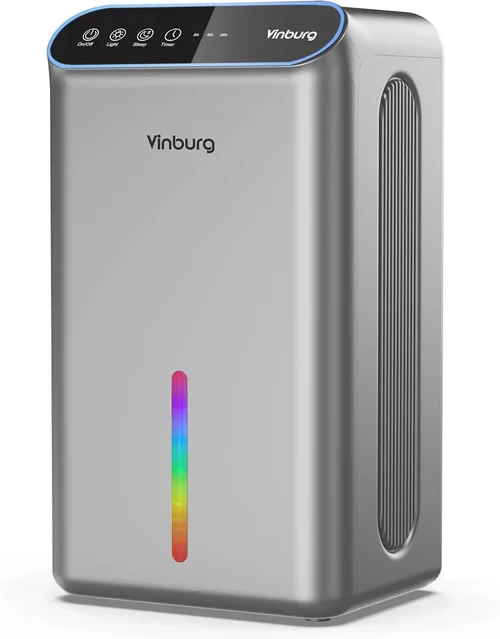
If you’ve ever walked into a basement that smells like old socks, noticed condensation fogging up your windows, or spotted mold creeping along the corners of your bathroom, you already know how disruptive excess humidity can be. High indoor moisture levels don’t just create unpleasant odors—they can trigger allergies, damage furniture and electronics, and even compromise the structural integrity of your home over time. That’s where a dehumidifier comes in: a quiet but powerful appliance designed to pull excess moisture from the air, restoring comfort and protecting your living space.
But with hundreds of models flooding the market—from compact units under $100 to industrial-grade machines costing over $500—choosing the right one can feel overwhelming. That’s why this guide exists. Drawing on real-world user feedback (including extensive insights from Reddit communities like r/HomeImprovement, r/BuyItForLife, and r/Appliances), expert testing data, and years of appliance research, we’ve distilled everything you need to know into one comprehensive buying guide. Whether you’re dealing with a damp crawl space, a humid coastal climate, or just want to breathe easier at home, this guide will help you make a confident, informed decision.
The dehumidifier market has evolved significantly in recent years. Energy efficiency standards have tightened, smart features like Wi-Fi connectivity and auto-humidity sensing have become more common, and brands are increasingly focusing on quiet operation and compact designs. Yet despite these advances, many buyers still end up with underperforming or overpriced units because they didn’t understand key specs or overlooked critical compatibility factors. Our goal is to arm you with the knowledge to avoid those pitfalls—so you get a dehumidifier that actually solves your problem, lasts for years, and delivers real value for your money.

What to Look for When Buying Buying Guide
1. Budget & Price Range
Your budget will naturally influence your options, but it’s important to view a dehumidifier not just as an expense—but as an investment in your home’s health and comfort. Entry-level models start around $80–$120 and are fine for small spaces or mild humidity issues. Mid-range units ($150–$300) offer better performance, durability, and features, while premium models ($300+) often include advanced controls, larger tanks, and superior build quality. Avoid the cheapest options if you’re dealing with persistent dampness; they often lack the capacity or reliability needed for serious moisture control.
2. Performance Specifications
The most critical spec is the pint-per-day (PPD) rating, which tells you how much moisture the unit can remove in 24 hours under standard conditions (typically 60% relative humidity at 80°F). For a 500 sq. ft. basement with moderate dampness, a 30–50 PPD unit is usually sufficient. Larger areas or severe moisture problems may require 70+ PPD. However, don’t rely solely on PPD—also check the unit’s operating temperature range. Most consumer dehumidifiers work best between 65°F and 80°F. If you’re using it in an unheated garage or crawl space that drops below 60°F, look for a model specifically rated for low-temperature operation (often called “cold-climate” or “low-grain refrigerant” models).
Another key metric is energy efficiency, measured in liters per kilowatt-hour (L/kWh) or simply by the Energy Star certification. Energy Star models use about 15–20% less energy than standard units, which can save you $20–$40 per year on electricity—especially important if you run the dehumidifier continuously.
3. Build Quality & Durability
A dehumidifier is a mechanical device with moving parts—compressor, fan, coils—and it needs to withstand daily use for years. Look for sturdy plastic housings (not flimsy or brittle), well-sealed seams, and robust internal components. Reddit users frequently praise brands like Frigidaire, hOmeLabs, and GE for their reliability, while warning against no-name brands with poor customer support. Check the weight: heavier units often indicate thicker insulation and better construction. Also, inspect the water tank—does it have a secure handle? Is the lid easy to remove without spilling? These small details matter during daily emptying.
4. Features & Functionality
Modern dehumidifiers come packed with features, but not all are essential. Here’s what to prioritize:
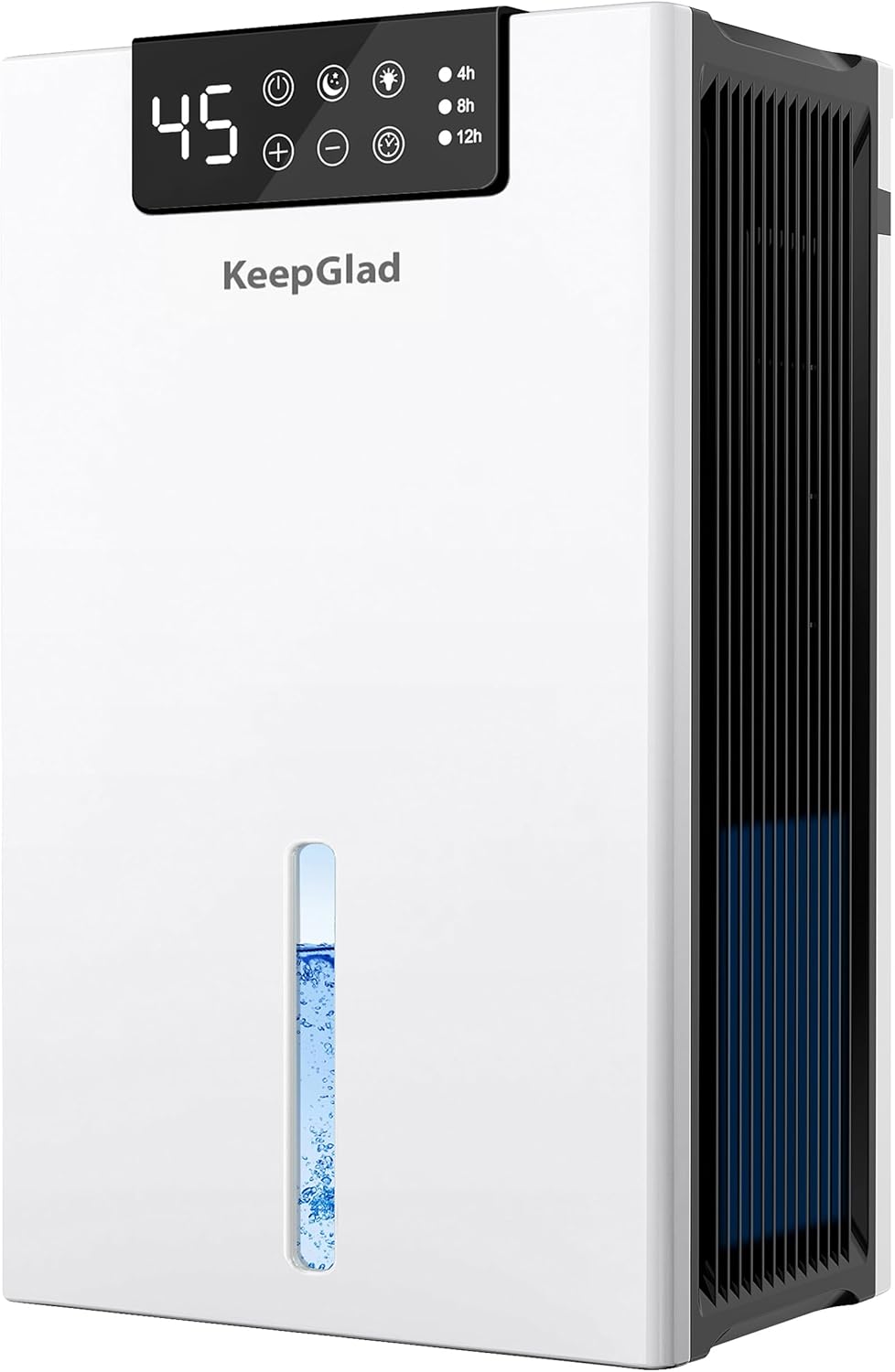
– Auto-humidistat: Lets you set your desired humidity level (e.g., 45%) and automatically turns the unit on/off to maintain it.
– Continuous drainage: A hose hookup allows the unit to drain directly into a floor drain or sump pump, eliminating the need to empty the tank manually.
– Defrost function: Crucial for cold environments—prevents ice buildup on coils.
– Timer and sleep mode: Useful for scheduling operation or reducing noise at night.
– Wi-Fi/smart controls: Growing in popularity; lets you monitor and adjust settings via smartphone apps (e.g., Midea U-shaped inverter models).
Avoid “gimmicky” features like built-in air purifiers unless they use true HEPA filtration—most are just basic filters that don’t significantly improve air quality.
5. Brand Reputation
Not all brands are created equal. Established names like Frigidaire, GE, Whirlpool, and Honeywell have decades of experience and reliable service networks. Newer brands like hOmeLabs and Midea have gained strong followings on Reddit for offering high performance at competitive prices. Always check recent user reviews—especially on forums like Reddit—where owners share long-term reliability reports. A brand might look great on paper, but if multiple users report compressor failures within two years, that’s a red flag.
6. Warranty & Support
A solid warranty is a strong indicator of a manufacturer’s confidence in their product. Most reputable brands offer at least a 1-year limited warranty, with some extending to 2–5 years on key components like the compressor. Pay attention to what’s covered: labor, parts, shipping? Is there a local service center? Reddit threads often highlight companies with excellent customer service (like hOmeLabs’ responsive support team) versus those that ghost customers after purchase. Also, check if the warranty is voided by using third-party parts or improper installation—some brands are very strict.
7. Size & Portability
Dehumidifiers range from compact 15-pint units (about the size of a carry-on suitcase) to large 70-pint behemoths that weigh 50+ pounds. Consider where you’ll place it: a small bedroom needs a lightweight, quiet model; a large basement may require a heavy-duty unit with large wheels and a long power cord. Look for recessed handles, smooth-rolling casters, and a cord wrap for easy storage. If you plan to move it between rooms, weight and maneuverability matter more than raw power.
8. User Reviews & Ratings
Never buy a dehumidifier based solely on manufacturer claims. Real-world performance—especially noise levels, actual moisture removal, and longevity—is best gauged through user reviews. Reddit is goldmine for honest, unfiltered feedback. Search subreddits like r/dehumidifiers or r/Appliances for model-specific threads. Look for patterns: Do multiple users report the same issue (e.g., “tank leaks after 3 months”)? Are complaints about noise consistent? Also check Amazon, Home Depot, and Best Buy reviews, but prioritize detailed, verified-purchase reviews over generic 5-star fluff.
Different Types of Buying Guide
Common Buying Mistakes to Avoid
❌ Mistake: Ignoring Room Size and Humidity Level
Why it’s bad: A 20-pint dehumidifier will struggle in a 1,000 sq. ft. basement with standing water. Oversized units cycle too frequently, wasting energy; undersized ones run constantly and wear out quickly.
What to do instead: Measure your space and assess moisture severity. Use online calculators or consult sizing charts from manufacturers. When in doubt, go slightly larger—not smaller.
❌ Mistake: Overlooking Drainage Options
Why it’s bad: If you forget to empty the tank daily, the unit shuts off and humidity rebounds. This is especially problematic in basements or vacation homes.
What to do instead: Choose a model with a continuous drain hose outlet (most mid-range and higher units have one). Pair it with a simple gravity drain or condensate pump for fully hands-off operation.
❌ Mistake: Prioritizing PPD Over Real-World Conditions
Why it’s bad: PPD ratings are tested in ideal lab conditions (80°F, 60% RH). In a chilly basement (55°F), performance drops dramatically—even if the label says “70 PPD.”
What to do instead: Check the unit’s low-temperature performance specs. Desiccant or low-grain refrigerant models are better for cold spaces.
❌ Mistake: Buying Based on Brand Name Alone
Why it’s bad: Some well-known brands sell rebadged generic units with minimal quality control. A “GE” dehumidifier might be made by a third-party OEM with inconsistent reliability.
What to do instead: Research the actual manufacturer (often listed in fine print) and read user reviews. Reddit users often identify which brands truly stand behind their products.
❌ Mistake: Neglecting Noise Levels
Why it’s bad: A loud dehumidifier (50+ dB) can disrupt sleep or conversations, leading you to turn it off—defeating its purpose.
What to do instead: Look for models rated under 47 dB for bedroom use. Check decibel ratings in specs and user reports. Inverter compressors (like in Midea U-shaped models) are significantly quieter.
❌ Mistake: Skipping the Warranty Fine Print
Why it’s bad: Some warranties exclude “commercial use” or require professional installation—even for residential buyers. Others only cover parts, not labor.
What to do instead: Read the full warranty terms before buying. Register your product immediately and keep receipts. Consider extended warranties only if the base coverage is weak.
❌ Mistake: Assuming All Energy Star Models Are Equal
Why it’s bad: Energy Star certification is a baseline—not a performance guarantee. Two Energy Star units can differ significantly in actual efficiency and moisture removal.
What to do instead: Compare L/kWh ratings side by side. Higher is better. Also check annual operating cost estimates provided by manufacturers.
Budget Guidelines: How Much Should You Spend?
– Entry-Level ($80–$150): These are best for small spaces (under 500 sq. ft.) with mild humidity. Expect basic controls, smaller tanks (1–2 gallons), and limited features. Build quality may be inconsistent, and lifespan is typically 2–3 years. Good for temporary use or low-priority areas like a closet or RV.
– Mid-Range ($150–$300): This is the sweet spot for most homeowners. You’ll get reliable performance (30–50 PPD), Energy Star efficiency, auto-humidistats, continuous drainage, and better build quality. Brands like hOmeLabs, Frigidaire, and GE dominate here. Units often last 4–6 years with proper maintenance.
– Premium ($300–$500): Ideal for large basements, high-humidity regions, or users who want smart features. Look for inverter technology (quieter, more efficient), larger tanks (2+ gallons), Wi-Fi connectivity, and extended warranties. Models like the Midea U Inverter or AprilAire 1820 are top contenders.
– Luxury ($500+): Reserved for whole-house systems or commercial-grade applications. These integrate with HVAC, offer precise humidity control, and are built for 10+ years of service. Only necessary for large homes, museums, or specialized environments.
Expert Tips for Getting the Best Deal
– Buy in spring or early summer: Demand peaks in humid months, but retailers often discount older models in March–May to clear inventory. Avoid peak summer unless you need immediate relief.
– Shop during major sales events: Black Friday, Prime Day, and Memorial Day offer significant discounts—especially on mid-range models. Set price alerts on CamelCamelCamel or Honey.
– Compare retailers: Prices vary widely between Amazon, Home Depot, Lowe’s, and Costco. Check return policies too—some stores charge restocking fees.
– Look for bundle deals: Some brands offer free condensate pumps or extended warranties with purchase. Reddit users often share these hidden promotions.
– Test noise before committing: If possible, visit a store to hear the unit run. Online decibel specs don’t always reflect real-world sound.
– Register for manufacturer newsletters: Brands like hOmeLabs and Midea send exclusive promo codes to subscribers.
– Consider energy savings: A more efficient model may cost more upfront but pays for itself in 1–2 years via lower electricity bills—especially if run daily.
– Check local rebates: Some utility companies offer rebates for Energy Star dehumidifiers. Search your provider’s website or DSIRE database.

Frequently Asked Questions
Q: How do I know if I need a dehumidifier?
A: Signs include musty odors, condensation on windows, peeling paint, warped wood, or visible mold. You can also use a hygrometer ($10–$20) to measure indoor humidity—ideal levels are between 30% and 50%. If it’s consistently above 60%, a dehumidifier is recommended.
Q: Can I use a dehumidifier in winter?
A: Only if it’s rated for low temperatures. Most compressor-based units shut down below 60°F. For cold spaces, choose a desiccant or low-temperature model. Never run a standard unit in freezing conditions—it can damage the coils.
Q: Should I get a dehumidifier with a pump?
A: A built-in pump lets you drain water vertically (e.g., into a sink upstairs), which is useful if you lack a floor drain. However, pumps add cost and complexity. For most basements, a gravity drain hose is sufficient.
Q: How often should I empty the tank?
A: It depends on humidity and tank size. A 1-gallon tank in a damp basement may need emptying daily; a 2-gallon tank in a moderately humid room might last 2–3 days. Use continuous drainage to avoid manual emptying.
Q: Do dehumidifiers use a lot of electricity?
A: A typical 50-pint unit uses about 500–700 watts. Running it 12 hours/day costs roughly $15–$25/month, depending on local rates. Energy Star models reduce this by 15–20%.
Q: Can a dehumidifier help with allergies?
A: Yes—by reducing mold, dust mites, and mildew (which thrive in high humidity), dehumidifiers can significantly improve indoor air quality and alleviate allergy symptoms.
Q: What’s the difference between a desiccant and compressor dehumidifier?
A: Compressor models (most common) use refrigerant to cool coils and condense moisture—they’re efficient in warm, humid air but struggle in cold temps. Desiccant models use a moisture-absorbing material and work well in cold or dry conditions, but consume more energy.
Q: How long do dehumidifiers last?
A: With proper maintenance (cleaning filters, emptying tanks, avoiding extreme temps), most last 5–7 years. Higher-end models with better components can exceed 10 years.
Q: Can I leave a dehumidifier on all the time?
A: Yes, if it has an auto-humidistat. The unit will cycle on/off to maintain your set humidity level, saving energy and preventing over-drying.
Q: Is a larger tank always better?
A: Not necessarily. A huge tank is great for unattended operation, but it adds bulk and cost. For most homes, a 1.5–2 gallon tank strikes the right balance between convenience and portability.
Our Final Recommendations
– Best for Budget-Conscious Buyers: hOmeLabs 30 Pint Dehumidifier – Reliable performance, Energy Star rated, and frequently praised on Reddit for its value. Around $180.
– Best Overall Value: Frigidaire FFAD7033R1 70 Pint – Excellent moisture removal, quiet operation, and durable build. A favorite among homeowners with large basements. Priced around $320.
– Best Premium Option: Midea U Inverter 50 Pint Smart Dehumidifier – Ultra-quiet (42 dB), Wi-Fi enabled, and incredibly efficient. Ideal for tech-savvy users who want smart home integration. ~$350.
– Best for Beginners: GE APER50LZ 50 Pint – Simple controls, reliable performance, and widely available service. Great for first-time buyers. ~$250.
– Best for Advanced Users: AprilAire E130 Pro 130 Pint Crawl Space Dehumidifier – Built for harsh environments, includes remote monitoring, and comes with a 5-year warranty. Perfect for serious moisture challenges. ~$900.
Conclusion: Making the Right Choice
Choosing the best dehumidifier isn’t about finding the most powerful or cheapest model—it’s about matching the right tool to your specific needs. Consider your space size, climate, humidity level, and how much maintenance you’re willing to handle. Prioritize energy efficiency, reliable drainage, and honest user feedback over flashy marketing claims. And remember: a well-chosen dehumidifier doesn’t just dry the air—it protects your home, improves your health, and gives you peace of mind.
Take the time to measure your room, read real reviews (especially on Reddit), and compare warranties. Don’t rush the decision. The right dehumidifier will serve you faithfully for years, quietly working behind the scenes to keep your home comfortable and safe. When you invest wisely, you’re not just buying an appliance—you’re investing in a healthier, more livable environment for you and your family.