
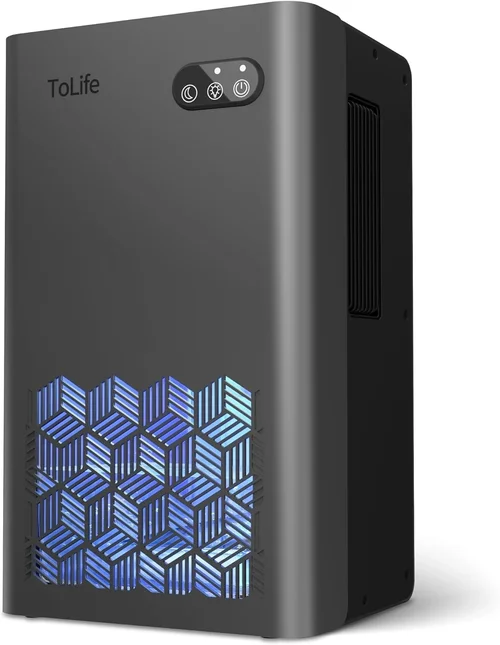
When it comes to maintaining a healthy, comfortable home environment, few appliances are as quietly essential—and often misunderstood—as the dehumidifier. Whether you’re battling persistent musty odors in your basement, trying to prevent mold growth in a humid climate, or simply aiming to improve indoor air quality for allergy sufferers, a dehumidifier can be a game-changer. But here’s the catch: even the most advanced, high-capacity dehumidifier won’t deliver optimal results if it’s placed in the wrong spot. That’s why understanding where to place a dehumidifier for best results is just as important as choosing the right model.
This comprehensive buying guide is designed to cut through the confusion and give you expert-level insights into selecting, positioning, and maximizing the performance of your dehumidifier in 2026. We’ll walk you through everything from key performance metrics and build quality to common placement mistakes and budget considerations. Whether you’re a first-time buyer or looking to upgrade your current unit, this guide will equip you with the knowledge to make a smart, informed decision. The market today offers a wide range of options—from compact, energy-efficient models ideal for small spaces to heavy-duty industrial units capable of handling large basements or crawl spaces. With advancements in smart technology, auto-defrost features, and improved water removal efficiency, there’s never been a better time to invest in a dehumidifier. But without proper placement, even the best machine can underperform, waste energy, and fail to solve your humidity problems.
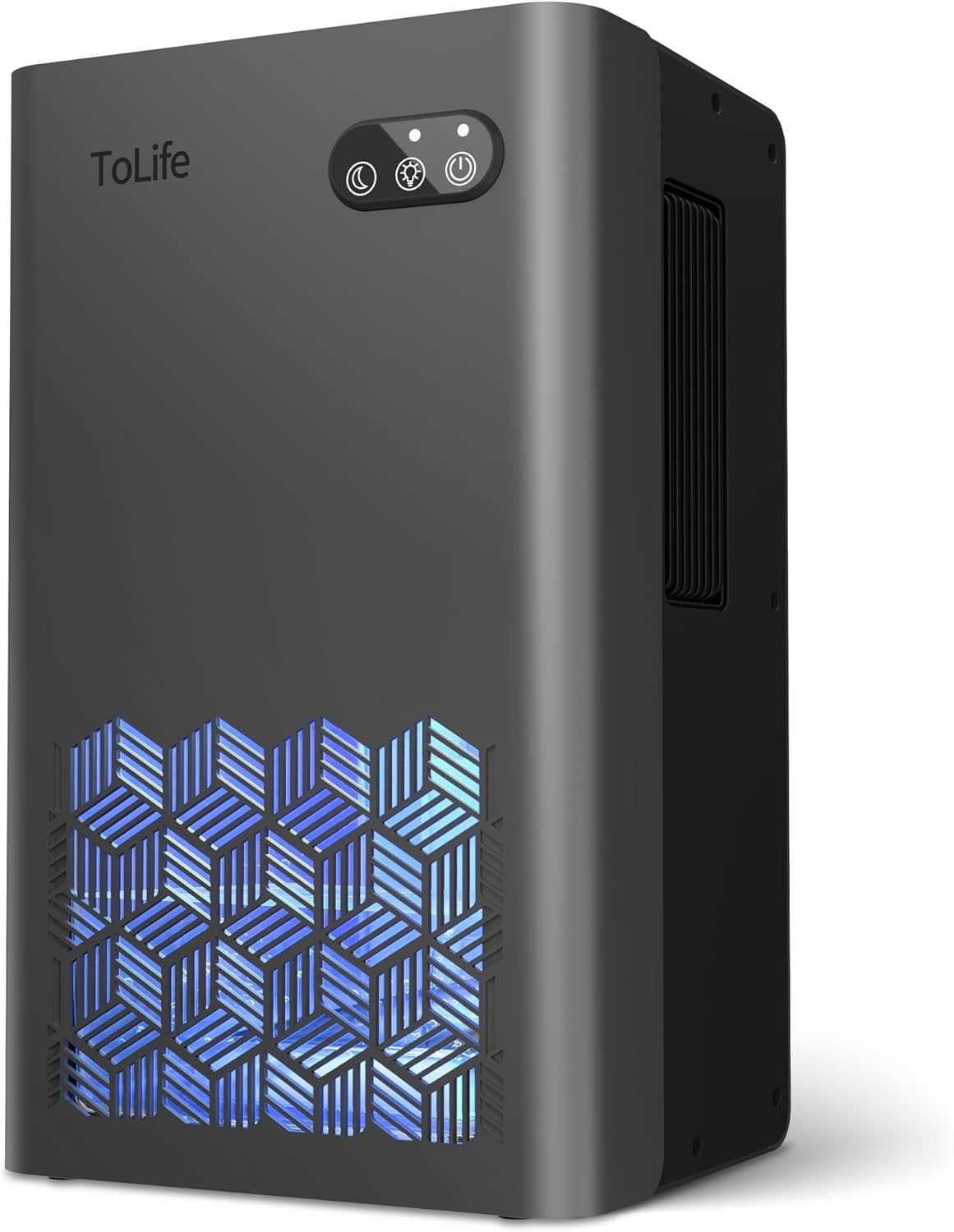
What to Look for When Buying a Dehumidifier
1. Performance Specifications
Performance is the cornerstone of any effective dehumidifier. The most critical specification to consider is the pint capacity, which indicates how much moisture the unit can remove from the air in 24 hours. For example, a 30-pint dehumidifier is suitable for small to medium-sized rooms (up to 1,500 square feet), while a 70-pint model is better for large basements or high-humidity areas. However, capacity alone doesn’t tell the whole story. You also need to consider the unit’s performance under specific temperature and humidity conditions. Look for models rated by the Association of Home Appliance Manufacturers (AHAM), which tests dehumidifiers at 65°F and 60% relative humidity—standard conditions that reflect real-world use. Additionally, check the energy factor (EF), measured in liters of water removed per kilowatt-hour (L/kWh). A higher EF means greater energy efficiency, which translates to lower operating costs over time. For instance, a unit with an EF of 1.8 is more efficient than one with 1.2. Always match the capacity to your space: an undersized unit will run constantly without achieving desired humidity levels, while an oversized one may cycle too frequently, reducing efficiency and lifespan.
2. Build Quality & Durability
A dehumidifier is a long-term investment, so build quality matters. Look for models constructed with rust-resistant materials, especially if you plan to use the unit in a basement, garage, or crawl space where moisture exposure is high. Stainless steel coils and galvanized steel cabinets offer superior protection against corrosion compared to cheaper aluminum or plastic alternatives. Internal components like compressors and fans should be designed for continuous operation—cheaper models may use lower-grade motors that wear out quickly under heavy use. Check the quality of the water tank; a sturdy, easy-to-remove bucket with a secure lid prevents spills and simplifies maintenance. Some premium models feature auto-shutoff when the tank is full, which is a small but valuable safety feature. Also, consider the noise level, measured in decibels (dB). A unit running at 50 dB is relatively quiet (comparable to a quiet conversation), while anything above 60 dB may be disruptive in living areas. For basements or utility rooms, noise is less of a concern, but for bedrooms or home offices, opt for a quieter model.
3. Features & Functionality
Modern dehumidifiers come packed with features that enhance convenience, efficiency, and control. One of the most useful is a built-in humidistat, which allows you to set your desired humidity level (ideally between 30% and 50%) and automatically maintains it. This prevents over-drying, which can make the air feel uncomfortably dry and increase energy use. Auto-defrost is another critical feature, especially in cooler environments like unheated basements. It prevents the evaporator coils from freezing, ensuring consistent performance even in temperatures as low as 41°F. Look for models with continuous drainage options—either via a built-in pump or a gravity-fed hose—so you don’t have to manually empty the tank every few hours. Smart connectivity is becoming increasingly common, with Wi-Fi-enabled models allowing you to monitor and control humidity levels via smartphone apps. Some units even integrate with home automation systems like Google Home or Amazon Alexa. Additional conveniences include washable air filters (to reduce allergens), programmable timers, and LED displays for easy monitoring. While these features add cost, they significantly improve usability and long-term satisfaction.
4. Size & Portability
Dehumidifiers come in various sizes, and choosing the right one depends on both the space you’re treating and your mobility needs. Compact models (under 30 pounds) are ideal for small rooms, bathrooms, or closets and often feature built-in handles and cord wraps for easy transport. Mid-sized units (30–50 pounds) are common for basements and living areas and usually include caster wheels for maneuverability. Larger, high-capacity models (over 50 pounds) are typically stationary and best suited for permanent installation in large spaces. Consider the dimensions of the unit and ensure it fits comfortably in your intended location with adequate clearance for airflow—most manufacturers recommend at least 6–12 inches of space around the unit. Portability features like recessed handles, durable wheels, and lightweight designs make a big difference if you plan to move the dehumidifier between rooms or store it seasonally. Also, check the power cord length; a longer cord (at least 6 feet) provides flexibility in placement without relying on extension cords, which can be a fire hazard.
5. Brand Reputation & Reliability
Not all dehumidifier brands are created equal. Established manufacturers like Frigidaire, GE, hOmeLabs, and AprilAire have built strong reputations for reliability, performance, and customer support. These brands often invest more in research and development, resulting in better-engineered products with longer lifespans. Reading customer reviews on trusted platforms like Amazon, Home Depot, or Consumer Reports can reveal patterns in performance, durability, and common issues. Pay attention to feedback about customer service—how quickly the company responds to warranty claims or technical questions can make a big difference if something goes wrong. Avoid unknown or off-brand models that may offer tempting prices but lack proven track records. While you might save money upfront, you could end up replacing a cheap unit every few years, costing more in the long run. Stick with brands that offer comprehensive warranties and have a history of standing behind their products.
6. Warranty & Support
A solid warranty is a strong indicator of a manufacturer’s confidence in their product. Most reputable dehumidifiers come with a one-year limited warranty, but some premium models offer extended coverage—up to three years—on key components like the compressor. Look for brands that provide clear warranty terms, including what’s covered (parts, labor, shipping) and what’s excluded (normal wear, misuse, lack of maintenance). Customer support is equally important. Check if the company offers phone, email, or live chat support, and whether they have a dedicated service center network. Some brands also provide online troubleshooting guides, video tutorials, and replacement part availability. A good warranty and responsive support can save you hundreds in repair costs and downtime. For example, if your unit fails during peak humidity season, quick access to service ensures you’re not left with a damp, mold-prone environment for weeks.
7. User Reviews & Ratings
User reviews offer real-world insights that specs and marketing materials can’t provide. Look for patterns in feedback—consistent praise for quiet operation, effective moisture removal, or ease of use are strong positives. Conversely, repeated complaints about leaks, short lifespans, or poor customer service are red flags. Pay attention to reviews from users in similar climates or home types (e.g., basement dwellers in humid regions). Verified purchase reviews are more reliable than anonymous ones. Also, check the overall star rating, but don’t rely on it alone—read the detailed comments to understand the context. For instance, a 4.5-star average with hundreds of reviews is more trustworthy than a 5-star rating from just a few users. Use review platforms to compare models side by side and identify which features matter most to actual owners.
8. Energy Efficiency & Operating Costs
Dehumidifiers can be energy hogs, especially if run continuously. To minimize costs, prioritize Energy Star-certified models, which meet strict efficiency guidelines set by the U.S. Environmental Protection Agency. These units use up to 15% less energy than standard models, saving you money on electricity bills over time. Calculate the estimated annual operating cost by checking the unit’s wattage and your local electricity rate. For example, a 500-watt dehumidifier running 10 hours a day at $0.12 per kWh costs about $219 per year. Compare this across models to find the most cost-effective option. Some units also feature eco-modes or variable-speed compressors that adjust output based on humidity levels, further reducing energy use. While efficient models may cost more upfront, the long-term savings often justify the investment.
Different Types of Dehumidifiers

Common Buying Mistakes to Avoid
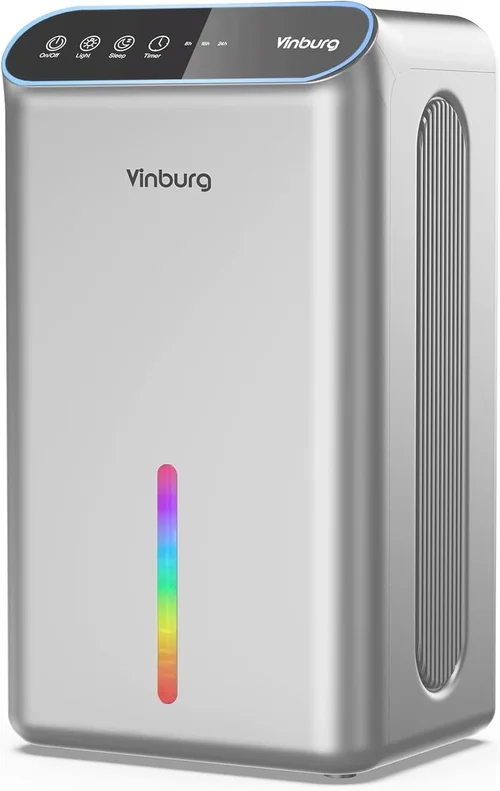
❌ Mistake: Placing the Dehumidifier in the Wrong Location
Why it’s bad: Even the best dehumidifier won’t work effectively if it’s placed in a corner, behind furniture, or in a poorly ventilated area. Restricted airflow prevents the unit from drawing in humid air, reducing efficiency and increasing run time. In basements, placing the unit near a wall or in a closed-off section can create humidity pockets that go untreated.
What to do instead: Position the dehumidifier in the center of the room or near the source of moisture (e.g., near a washing machine or water heater). Ensure at least 6–12 inches of clearance on all sides for optimal airflow. Avoid placing it directly against walls, furniture, or curtains.
❌ Mistake: Buying a Unit That’s Too Small for the Space
Why it’s bad: An undersized dehumidifier will run constantly, struggle to lower humidity, and wear out prematurely. It may also fail to prevent mold or mildew in high-moisture areas like basements or crawl spaces.
What to do instead: Calculate the square footage of the area and match it to the unit’s capacity. Use the AHAM rating as a guide: 20–30 pints for 500–1,000 sq ft, 30–50 pints for 1,000–2,000 sq ft, and 50+ pints for larger spaces. Consider humidity levels—high-humidity areas may need a larger unit.
❌ Mistake: Ignoring Drainage Options
Why it’s bad: If you rely solely on the water tank, you’ll need to empty it frequently—sometimes multiple times a day in humid conditions. This is inconvenient and can lead to overflow if forgotten.
What to do instead: Choose a model with continuous drainage via a hose or built-in pump. This allows the unit to run unattended for days or weeks, especially in basements or unattended spaces.
❌ Mistake: Overlooking Energy Efficiency
Why it’s bad: A power-hungry dehumidifier can significantly increase your electricity bill, especially if run 24/7. Inefficient models may also cycle on and off too frequently, reducing lifespan.
What to do instead: Look for Energy Star certification and check the energy factor (EF). Opt for models with auto-humidistats and eco-modes to reduce unnecessary runtime.
❌ Mistake: Not Considering Noise Levels
Why it’s bad: A noisy dehumidifier can be disruptive in bedrooms, home offices, or living rooms, leading to frustration and potential abandonment of use.
What to do instead: Check the decibel (dB) rating—aim for under 55 dB for quiet operation. Desiccant models are generally quieter than compressor-based units.
❌ Mistake: Skipping Maintenance
Why it’s bad: A dirty filter or clogged coils reduce efficiency, increase energy use, and can lead to mold growth inside the unit. Neglecting maintenance shortens the lifespan and compromises air quality.
What to do instead: Clean the air filter monthly, inspect coils for frost or dirt, and empty the tank regularly. Follow the manufacturer’s maintenance schedule for optimal performance.
❌ Mistake: Buying Based on Price Alone
Why it’s bad: The cheapest model may lack essential features, have poor build quality, or fail prematurely. You could end up spending more on replacements or repairs.
What to do instead: Balance price with performance, features, and warranty. Invest in a mid-range model from a reputable brand for the best long-term value.
Budget Guidelines: How Much Should You Spend?
- Entry-Level ($50 – $150): These are typically mini or compact desiccant dehumidifiers ideal for small spaces like closets, RVs, or bathrooms. They’re affordable and portable but have limited capacity (under 20 pints) and may lack advanced features like humidistats or continuous drainage. Best for occasional use or low-humidity areas.
- Mid-Range ($150 – $350): This is the sweet spot for most homeowners. These compressor-based units offer 30–50 pint capacity, Energy Star efficiency, auto-defrost, and built-in humidistats. Models in this range often include continuous drainage options and washable filters. Ideal for basements, garages, and medium-sized living areas.
- Premium ($350 – $600): Designed for high performance and durability, these units feature larger capacities (50–70 pints), smart connectivity, quiet operation, and robust build quality. Many include built-in pumps for upward drainage and advanced filtration systems. Perfect for large basements, humid climates, or allergy sufferers.
- Luxury ($600+): These include whole-house dehumidifiers and commercial-grade models. They integrate with HVAC systems, offer extreme capacity (70+ pints), and are built for 24/7 operation. Often used in new constructions, high-end homes, or commercial settings. While expensive, they provide unmatched consistency and control.
Expert Tips for Getting the Best Deal
- Buy During Off-Season: Dehumidifiers are in highest demand during summer and humid months. Purchase in late fall or winter (October–February) when retailers offer discounts to clear inventory. You can save 20–30% compared to peak season.
- Shop Online for Better Selection: Online retailers like Amazon, Home Depot, and Lowe’s often have wider selections, competitive pricing, and detailed customer reviews. Use filters to compare models by capacity, energy efficiency, and features.
- Look for Bundle Deals: Some retailers offer discounts when you buy a dehumidifier with other appliances (e.g., air purifiers or fans). Check for seasonal promotions or rebates from manufacturers.
- Check for Rebates and Incentives: Many utility companies offer rebates for Energy Star-certified dehumidifiers. Visit your provider’s website or the ENERGY STAR rebate finder to see if you qualify for savings.
- Read the Fine Print on Warranties: Don’t assume all warranties are equal. Some cover only parts, while others include labor and shipping. Register your product promptly to activate coverage.
- Test Before Committing: If buying in-store, ask to see a demonstration. Check noise levels, ease of tank removal, and control panel intuitiveness. For online purchases, choose retailers with generous return policies (30 days or more).
- Consider Refurbished or Open-Box Models: Certified refurbished units from reputable sellers often come with warranties and can save you 20–40%. Ensure they’re inspected and tested before purchase.
- Don’t Forget Installation Costs: Whole-house models may require professional installation, which can add $200–$500 to the total cost. Factor this into your budget if considering a ducted system.

Frequently Asked Questions
Q: Where is the best place to put a dehumidifier in a basement?
A: The ideal location is near the center of the basement or close to the source of moisture, such as a water heater, washing machine, or sump pump. Avoid corners or enclosed spaces. Ensure the unit has at least 6–12 inches of clearance on all sides for proper airflow. If the basement is large, consider using multiple units or a whole-house system.
Q: Should a dehumidifier be placed on the floor or elevated?
A: Most dehumidifiers are designed to sit on the floor. Elevating them can restrict airflow and reduce efficiency. However, if flooding is a concern, placing the unit on a sturdy platform or pallet can protect it from water damage. Never place it directly on carpet, as this can block intake vents.
Q: Can I run a dehumidifier 24/7?
A: Yes, especially in high-humidity areas. Modern units with auto-humidistats will cycle on and off as needed, reducing wear and energy use. Ensure the unit has continuous drainage or a large tank to avoid frequent emptying.
Q: How often should I empty the water tank?
A: It depends on humidity levels and tank size. In high-humidity conditions, you may need to empty it daily. Use continuous drainage or a built-in pump to avoid manual emptying.
Q: Will a dehumidifier help with mold?
A: Yes, by reducing moisture, it inhibits mold growth. However, it won’t remove existing mold. Clean affected areas with a mold-killing solution and ensure proper ventilation.
Q: Can I use a dehumidifier in winter?
A: Only if the temperature stays above 65°F. Most compressor models shut down below this threshold. Use a desiccant dehumidifier or a model with auto-defrost for colder environments.
Q: How do I know if my dehumidifier is working?
A: Check the humidity level with a hygrometer. If it’s not dropping, inspect for blocked vents, dirty filters, or low refrigerant. Listen for unusual noises or check if the compressor is running.
Q: Can I place a dehumidifier in a closet?
A: Only if it’s a mini dehumidifier designed for enclosed spaces. Full-sized units need airflow and should not be placed in closets or cabinets.
Q: Do dehumidifiers use a lot of electricity?
A: They can, especially older models. Choose an Energy Star-certified unit with a high energy factor to minimize costs. Running it only when needed also helps.
Q: Should I close doors and windows when using a dehumidifier?
A: Yes, to prevent humid outdoor air from entering. Treat the space as a sealed environment for maximum efficiency.
Our Final Recommendations
- Best for Budget-Conscious Buyers: hOmeLabs 30 Pint Dehumidifier – Affordable, Energy Star-rated, and reliable for small to medium spaces. Includes auto-humidistat and continuous drainage.
- Best Overall Value: Frigidaire FFAD7033R1 70 Pint – High capacity, quiet operation, and excellent performance in large basements. Features a built-in pump and washable filter.
- Best Premium Option: AprilAire E130 Pro – Whole-house dehumidifier with 130-pint capacity, ideal for large homes. Integrates with HVAC and offers precise humidity control.
- Best for Beginners: GE ADEL30LZ 30 Pint – Simple controls, compact design, and reliable performance. Great for first-time users or small spaces.
- Best for Advanced Users: AlorAir Sentinel HDi90 – Commercial-grade unit with 90-pint capacity, auto-defrost, and Wi-Fi connectivity. Perfect for large basements or professional use.
Conclusion: Making the Right Choice
Choosing the right dehumidifier isn’t just about picking the biggest or most expensive model—it’s about matching the right unit to your specific needs, space, and humidity challenges. From understanding performance specs and build quality to avoiding common placement mistakes, every decision impacts how effectively your dehumidifier will perform. Remember, even the best machine won’t deliver results if it’s placed in a corner with no airflow or used in a space far larger than its capacity. Take the time to assess your environment, set a realistic budget, and prioritize features that matter most—like energy efficiency, drainage options, and noise levels. With the insights from this guide, you’re now equipped to make a confident, informed purchase that will improve your home’s air quality, protect your belongings, and enhance your comfort for years to come. Don’t wait for mold to appear or allergies to flare—invest in the right dehumidifier today and breathe easier tomorrow.