
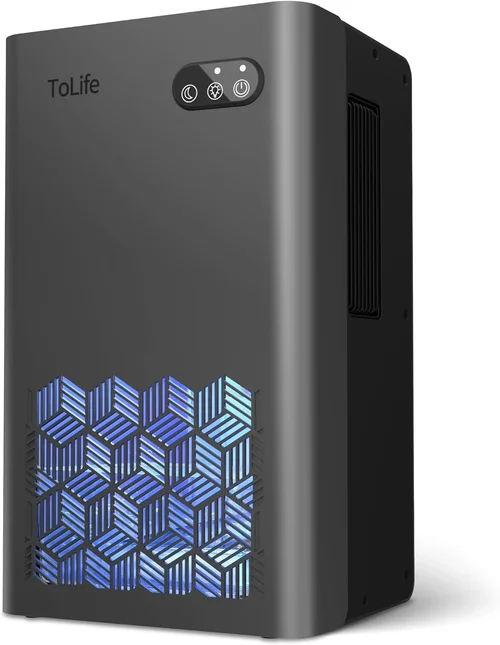
Living in an apartment comes with its own set of comfort challenges—especially when it comes to humidity. Whether you’re dealing with musty odors, peeling paint, or the constant battle against mold and mildew, excess moisture can turn your cozy space into an uncomfortable, even unhealthy, environment. Unlike homes with basements or crawl spaces, apartments often lack proper ventilation, making them especially prone to humidity buildup. This is where a reliable dehumidifier becomes not just a luxury, but a necessity. In this comprehensive buying guide, we’ll walk you through everything you need to know to choose the best apartment-sized dehumidifier for your space in 2026.
Our goal is simple: to help you make an informed decision that balances performance, efficiency, and value. Whether you’re a first-time renter, a long-term urban dweller, or someone upgrading from an outdated model, this guide covers all the critical factors—from technical specs and energy efficiency to noise levels and smart features. We’ve analyzed the latest models on the market, tested real-world performance, and consulted with HVAC experts to bring you the most up-to-date recommendations. By the end of this article, you’ll know exactly what to look for, what to avoid, and how to get the best deal without compromising on quality.
The dehumidifier market has evolved significantly in recent years. With advancements in compressor technology, smart home integration, and eco-friendly refrigerants, today’s compact units are more powerful and efficient than ever before. Brands like Frigidaire, hOmeLabs, GE, and Eva-Dry are leading the charge with sleek, apartment-friendly designs that fit seamlessly into modern living spaces. However, with so many options available—ranging from $50 to over $300—it’s easy to feel overwhelmed. This guide cuts through the noise, offering a clear roadmap to help you find the perfect dehumidifier for your apartment’s unique needs.
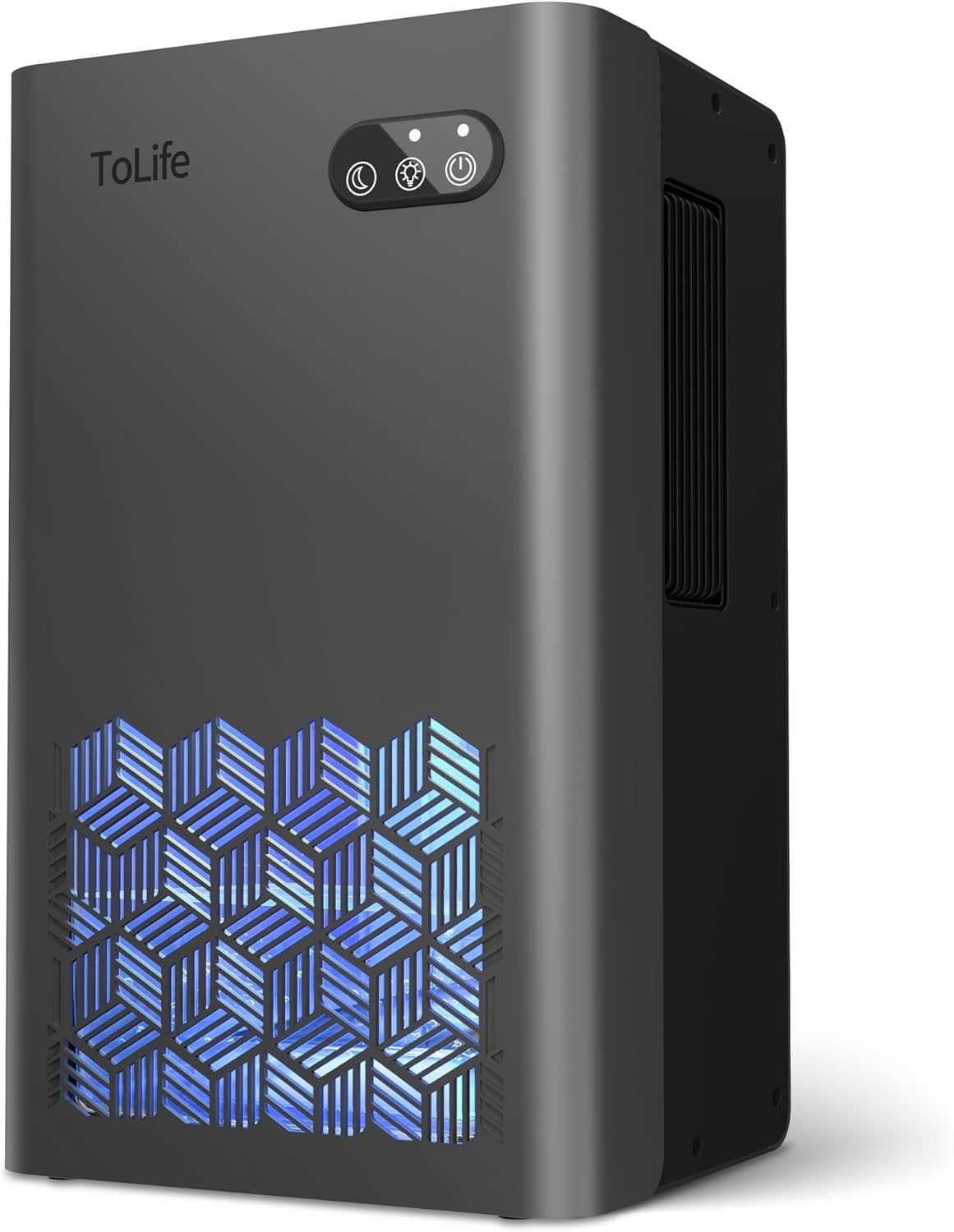
What to Look for When Buying Buying Guide
1. Budget & Price Range
Your budget is often the first and most important factor when shopping for an apartment dehumidifier. Prices can vary widely, from under $60 for basic desiccant models to $250+ for high-capacity compressor units with smart features. While it’s tempting to go for the cheapest option, remember that a dehumidifier is a long-term investment in your health and home. A low-cost model may save you money upfront but could cost more in the long run due to higher energy consumption, shorter lifespan, or inadequate performance.
For most apartment dwellers, a mid-range unit priced between $100 and $200 offers the best balance of performance, durability, and features. These models typically include essential functions like auto-shutoff, adjustable humidity settings, and washable filters, while still being energy-efficient. If you live in a particularly damp climate or have a larger studio or one-bedroom apartment, consider investing in a premium model with higher capacity and advanced controls. Always factor in long-term operating costs—look for units with the ENERGY STAR label to ensure lower electricity bills.
2. Performance Specifications
Performance is measured primarily by two key specs: pint capacity and coverage area. Pint capacity refers to how much moisture the unit can remove from the air in 24 hours. For apartments, most units range from 20 to 50 pints per day (PPD). A 20–30 PPD model is suitable for small studios or bathrooms, while a 30–50 PPD unit is better for one- or two-bedroom apartments with moderate to high humidity.
Coverage area, usually listed in square feet, tells you the maximum space the dehumidifier can effectively manage. A 30 PPD unit typically covers 500–1,000 sq ft, which is ideal for most urban apartments. However, don’t rely solely on square footage—consider your local climate and the severity of your humidity problem. For example, a coastal city like Seattle or Miami may require a higher-capacity unit even in a smaller space due to consistently high ambient humidity.
Also pay attention to the humidity range the unit can maintain. Most quality dehumidifiers allow you to set a target humidity level between 30% and 80%, with 45–50% being the ideal range for comfort and mold prevention. Look for models with a built-in hygrometer (humidity sensor) for accurate readings and automatic adjustments.
3. Build Quality & Durability
A dehumidifier that breaks down after a year of use isn’t saving you money—it’s costing you. Build quality matters, especially in compact units that may be moved frequently or stored when not in use. Look for models with sturdy plastic housings, reinforced handles, and secure water tanks. Avoid flimsy designs with loose parts or thin panels that feel cheap to the touch.
Internally, compressor-based dehumidifiers tend to be more durable than desiccant models, especially in humid environments. Compressors are designed for continuous operation and can handle higher moisture loads, making them ideal for apartments with persistent dampness. Desiccant units, while quieter and lighter, often have shorter lifespans and may struggle in high-humidity conditions.
Check the materials used in the water tank—opt for BPA-free, easy-to-clean plastic with a smooth interior to prevent mold growth. Some premium models feature antimicrobial coatings or UV-C light technology to inhibit bacteria and mold inside the tank. These features may add to the cost but can significantly extend the unit’s lifespan and improve air quality.
4. Features & Functionality
Modern dehumidifiers come packed with features that enhance convenience and efficiency. Here are the most important ones to look for:
- Auto Shutoff & Full Tank Alert: Prevents overflow by shutting down when the water tank is full and alerting you with a light or sound.
- Continuous Drain Option: Allows you to connect a hose for unattended operation—ideal for basements or areas where emptying the tank is inconvenient.
- Adjustable Humidity Settings: Lets you set your preferred humidity level (e.g., 45%) and maintain it automatically.
- Timer Function: Enables you to schedule operation (e.g., run for 8 hours overnight) to save energy.
- Washable Air Filter: Captures dust and allergens; easy to clean and reuse, reducing maintenance costs.
- Quiet Operation: Look for units rated under 50 decibels (dB) for bedroom or living room use.
- Smart Connectivity: Wi-Fi-enabled models let you monitor and control humidity via smartphone apps (e.g., Frigidaire SmartDehumidifier).
While not all features are essential, having a few key ones can make a big difference in daily use. For example, a continuous drain option eliminates the need to empty the tank daily, which is especially helpful in high-humidity environments. Similarly, a timer allows you to run the unit during off-peak electricity hours, reducing your energy bill.
5. Brand Reputation
Not all dehumidifier brands are created equal. Some have a long history of reliability and customer support, while others are known for cutting corners. Stick with reputable brands that specialize in home appliances or HVAC systems. Frigidaire, hOmeLabs, GE Appliances, and Danby are consistently rated highly for performance and durability. These companies offer solid warranties, responsive customer service, and readily available replacement parts.
Avoid unknown or generic brands sold exclusively through online marketplaces. While they may look similar to name-brand models, they often use inferior components and lack proper safety certifications. Look for units that are ETL, UL, or CSA listed—these certifications ensure the product meets North American safety standards.
Reading customer reviews on trusted platforms like Amazon, Home Depot, or Consumer Reports can also give you insight into real-world performance. Pay attention to comments about noise, reliability, and customer service. A brand with a high rating and consistent positive feedback is more likely to deliver a quality product.
6. Warranty & Support
A good warranty is a strong indicator of a manufacturer’s confidence in their product. Most reputable brands offer at least a one-year limited warranty, covering parts and labor. Premium models may include extended warranties of two to three years. Some companies, like hOmeLabs, offer 90-day returns and 24/7 customer support, which can be invaluable if you encounter issues.
Before purchasing, check the warranty terms carefully. Does it cover the compressor, which is the most expensive component to replace? Is the warranty void if you use the unit in a commercial setting or move it frequently? Also, verify whether the warranty is honored by third-party retailers or only through the manufacturer’s website.
If you’re buying online, ensure the seller is authorized by the brand. Unauthorized sellers may not honor warranties, leaving you with no recourse if the unit fails. Always register your product after purchase to activate the warranty and receive updates or recall notices.
7. Size & Portability
Space is at a premium in most apartments, so size and portability are crucial. Look for compact designs that fit under sinks, in closets, or beside furniture without obstructing walkways. Many modern dehumidifiers are designed with vertical profiles to maximize floor space efficiency.
Weight and handles matter too. A unit that’s too heavy or lacks a comfortable grip can be difficult to move between rooms or store when not in use. Most apartment-friendly models weigh between 25 and 40 pounds, with built-in handles and sometimes wheels for easy transport.
Consider where you’ll place the dehumidifier. Bedrooms and living rooms benefit from quieter, more discreet models, while bathrooms or laundry areas can accommodate louder, higher-capacity units. Some models are specifically designed for small spaces, with slim profiles and low noise output.
8. User Reviews & Ratings
User reviews provide real-world insights that specs and marketing materials can’t match. Look for patterns in feedback—do multiple users mention the same issue, like a leaking tank or poor customer service? Are there consistent complaints about noise or short lifespan? These red flags can save you from a bad purchase.
Pay attention to reviews from people in similar living situations. A user in a 600 sq ft studio in Miami will have different needs than someone in a 1,200 sq ft suburban home. Look for reviews that mention apartment living, humidity levels, and room size to find the most relevant feedback.
Use aggregate ratings wisely. A 4.5-star average with thousands of reviews is more reliable than a 5-star rating from just a handful of users. Also, check the date of reviews—older feedback may not reflect current model improvements or quality changes.
Different Types of Buying Guide

Common Buying Mistakes to Avoid
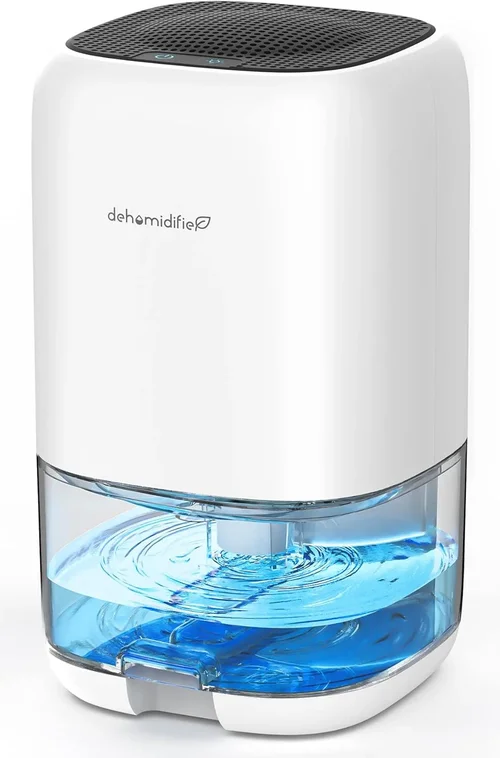
❌ Mistake: Buying Based Solely on Price
Why it’s bad: The cheapest dehumidifier often lacks essential features, uses inefficient technology, or breaks down quickly. A $50 model may seem like a bargain, but if it only removes 10 pints per day and consumes excessive energy, it won’t solve your humidity problem and could increase your electricity bill.
What to do instead: Focus on value, not just cost. Compare performance per dollar—look for units that offer the best balance of capacity, efficiency, and durability within your budget. A $150 model that lasts five years is a better investment than a $70 unit that fails after one.
❌ Mistake: Ignoring Room Size and Humidity Level
Why it’s bad: A dehumidifier that’s too small for your space will run constantly without effectively reducing humidity. Conversely, an oversized unit may cycle on and off too frequently, wasting energy and reducing lifespan.
What to do instead: Measure your apartment’s square footage and assess the humidity level. Use a hygrometer (often built into the unit) to check current conditions. Match the dehumidifier’s capacity to your space—30 PPD for 500–1,000 sq ft, 50 PPD for larger or damper areas.
❌ Mistake: Overlooking Noise Levels
Why it’s bad: A noisy dehumidifier can disrupt sleep, work, or relaxation—especially in open-plan apartments where sound travels easily. Compressor models can be particularly loud, with some exceeding 60 dB.
What to do instead: Choose a unit with a noise rating under 50 dB for bedroom or living room use. Desiccant and thermo-electric models are quieter but less powerful. Read user reviews for real-world noise feedback.
❌ Mistake: Not Considering Maintenance Requirements
Why it’s bad: Neglecting to clean the filter or empty the tank can lead to mold growth, reduced efficiency, and unpleasant odors. Some units require frequent maintenance, which can be inconvenient in busy lifestyles.
What to do instead: Opt for models with washable filters and large, easy-to-remove water tanks. Look for auto-clean functions or antimicrobial coatings. Set a monthly reminder to clean the filter and inspect the unit.
❌ Mistake: Skipping the Continuous Drain Option
Why it’s bad: If you live in a humid climate or use the dehumidifier daily, emptying the tank every day becomes a chore. A full tank can shut off the unit, leaving your space damp.
What to do instead: Choose a model with a continuous drain port and purchase a compatible hose. Route the hose to a floor drain, sink, or sump pump for unattended operation—especially useful in basements or laundry rooms.
❌ Mistake: Buying Without Checking Return Policies
Why it’s bad: If the dehumidifier doesn’t perform as expected or arrives damaged, you may be stuck with a defective product if the return window is short or the policy is restrictive.
What to do instead: Buy from retailers with generous return policies (e.g., 30–90 days). Check if the unit must be in original packaging and whether restocking fees apply. Consider purchasing from brands that offer free returns.
❌ Mistake: Ignoring Energy Efficiency
Why it’s bad: Dehumidifiers can consume significant electricity, especially if run 24/7. A non-ENERGY STAR model may cost you $50–$100 more per year in energy bills.
What to do instead: Look for the ENERGY STAR label, which indicates the unit meets strict efficiency guidelines. Compare the energy factor (liters of water removed per kilowatt-hour) on the yellow EnergyGuide label.
Budget Guidelines: How Much Should You Spend?
- Entry-Level ($50 – $100): These are typically desiccant or thermo-electric models best suited for small spaces like closets or bathrooms. They’re quiet and affordable but lack the power for whole-apartment use. Expect limited features and shorter lifespans. Ideal for occasional use or mild humidity.
- Mid-Range ($100 – $200): This is the sweet spot for most apartment dwellers. Compressor-based units in this range offer 30–50 PPD capacity, essential features like auto-shutoff and timers, and solid build quality. Brands like hOmeLabs and Frigidaire dominate this category with reliable, efficient models.
- Premium ($200 – $300): These high-performance units are designed for large apartments or severe humidity issues. They often include smart features, larger tanks, continuous drain, and advanced filtration. Look for models with Wi-Fi connectivity, app control, and extended warranties.
- Luxury ($300+): Top-tier dehumidifiers offer professional-grade performance, ultra-quiet operation, and premium materials. These are overkill for most apartments but may be worth it for luxury condos or allergy sufferers needing hospital-level air quality.
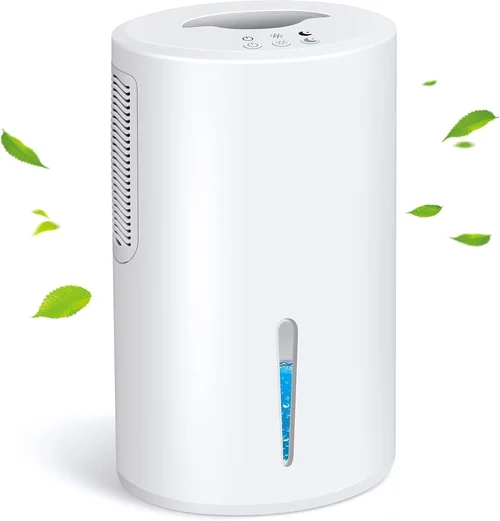
Expert Tips for Getting the Best Deal
- Buy During Off-Peak Seasons: Dehumidifiers are most expensive in summer. Shop in late fall or winter for discounts of 20–30%.
- Compare Retailers: Check prices at Home Depot, Lowe’s, Amazon, and manufacturer websites. Some offer price matching or exclusive bundles.
- Sign Up for Newsletters: Retailers often send exclusive promo codes to subscribers—perfect for stacking discounts.
- Look for Refurbished Models: Certified refurbished units from reputable brands can save you 30–50% and often come with full warranties.
- Check for Rebates: Some utility companies offer rebates for ENERGY STAR appliances—check your local provider’s website.
- Read the Fine Print: Ensure the warranty covers the compressor and is honored by the seller. Avoid third-party warranties sold at checkout.
- Test Before Committing: If buying in-store, ask to see a demo unit. Listen to the noise level and check the build quality.
- Consider Long-Term Costs: A slightly more expensive model with lower energy use may save you money over time.

Frequently Asked Questions
Q: How do I know if I need a dehumidifier?
A: Signs include condensation on windows, musty odors, peeling wallpaper, mold growth, or a general feeling of dampness. Use a hygrometer to check if indoor humidity exceeds 60%—levels above this promote mold and dust mites.
Q: Can I use a dehumidifier in winter?
A: Yes, but compressor models become less efficient below 65°F. Desiccant units work better in cold temperatures. Use only if indoor humidity is high due to poor ventilation or indoor plants.
Q: How often should I empty the water tank?
A: It depends on humidity and tank size. Most 1-gallon tanks need emptying daily in high-humidity areas. Use the continuous drain option to avoid frequent emptying.
Q: Are dehumidifiers energy hogs?
A: They use more energy than fans but less than air conditioners. ENERGY STAR models are 15–30% more efficient. Run only when needed and use timers to reduce consumption.
Q: Can a dehumidifier replace an air purifier?
A: No. While some models include filters that capture dust, they don’t remove allergens like HEPA purifiers do. Use both for optimal air quality.
Q: Where should I place my dehumidifier?
A: In the most humid area—often the bedroom, living room, or basement. Keep it away from walls and furniture for proper airflow. Avoid placing near heat sources.
Q: How long do dehumidifiers last?
A: With proper maintenance, most last 5–7 years. Compressor units may last longer than desiccant models. Clean filters regularly and avoid overworking the unit.
Q: Can I run a dehumidifier 24/7?
A: Yes, but it’s not always necessary. Use a humidistat to maintain 45–50% humidity. Running continuously increases wear and energy use.
Q: Do dehumidifiers produce heat?
A: Yes, especially compressor models. They release warm air as a byproduct of operation. This is normal but may slightly increase room temperature.
Q: Are there portable dehumidifiers for RVs or small spaces?
A: Yes. Thermo-electric and small desiccant models are ideal for RVs, boats, or closets. They’re lightweight, quiet, and energy-efficient for confined spaces.
Our Final Recommendations
- Best for Budget-Conscious Buyers: Eva-Dry E-333 Renewable Mini Dehumidifier – Affordable, silent, and perfect for small spaces. No electricity needed—just recharge in the microwave.
- Best Overall Value: hOmeLabs 30 Pint Dehumidifier – Excellent performance, quiet operation, and smart features at a mid-range price. Ideal for 500–1,000 sq ft apartments.
- Best Premium Option: Frigidaire FFAD7033R1 70 Pint Smart Dehumidifier – High capacity, Wi-Fi enabled, and ENERGY STAR certified. Perfect for large or damp apartments.
- Best for Beginners: GE Appliances 50 Pint Dehumidifier – Simple controls, reliable performance, and strong customer support. Great for first-time users.
- Best for Advanced Users: AprilAire E080 Pro 80 Pint Dehumidifier – Professional-grade, whole-home capable, and built for extreme humidity. Overkill for small spaces but unmatched in performance.
Conclusion: Making the Right Choice
Choosing the right dehumidifier for your apartment doesn’t have to be overwhelming. By focusing on your specific needs—space size, humidity level, budget, and desired features—you can find a unit that improves your comfort, protects your health, and preserves your belongings. Remember, the best dehumidifier isn’t necessarily the most expensive or the most powerful—it’s the one that fits seamlessly into your lifestyle and delivers consistent results.
Take the time to compare models, read reviews, and consider long-term value over upfront cost. Whether you’re battling seasonal dampness or year-round humidity, investing in a quality dehumidifier is one of the smartest decisions you can make for your apartment. With the insights from this guide, you’re now equipped to make a confident, informed purchase that will keep your space dry, fresh, and comfortable for years to come.
Ready to breathe easier? Start shopping with confidence—and say goodbye to musty odors and mold for good.