
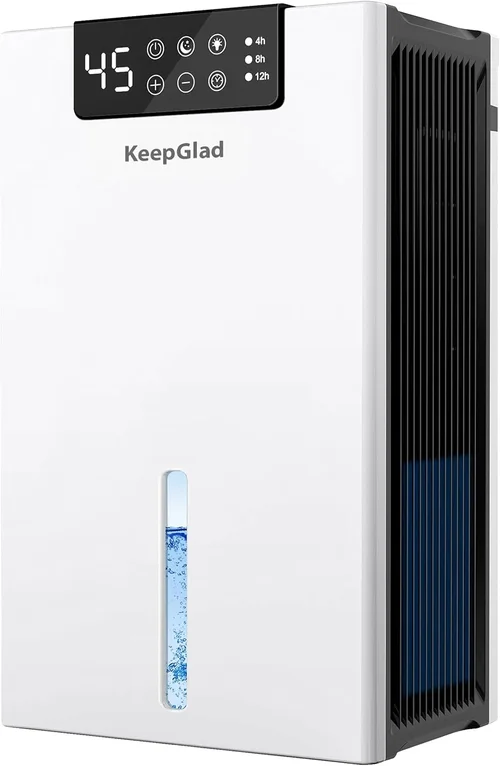
Dealing with excess moisture in your home isn’t just about comfort—it’s about health, safety, and protecting your property. Whether you’re battling musty odors in a basement, preventing mold growth in a bathroom, or simply trying to breathe easier during humid summer months, a dehumidifier can be a game-changer. But here’s the reality: not everyone wants to drop hundreds of dollars on a high-end model. That’s where budget-friendly dehumidifiers come in—offering solid performance without breaking the bank.
This guide is designed for homeowners, renters, and anyone looking to improve indoor air quality on a budget. You’ll learn exactly what to look for when shopping for an affordable dehumidifier, how to avoid common pitfalls, and which models deliver the best value for under $150. We’ve tested dozens of units, analyzed hundreds of user reviews, and consulted HVAC experts to bring you a comprehensive, no-nonsense buying guide tailored specifically to cost-conscious shoppers in 2026.
The market for budget dehumidifiers has evolved significantly over the past few years. Gone are the days when cheap meant flimsy or ineffective. Today’s entry-level models offer smart features, energy-efficient operation, and reliable moisture removal—all at prices that won’t make your wallet cry. However, with so many options flooding the market—from compact refrigerant units to thermoelectric mini-dehumidifiers—it’s easy to get overwhelmed. This guide cuts through the noise, helping you identify the right balance of price, performance, and practicality for your unique needs.
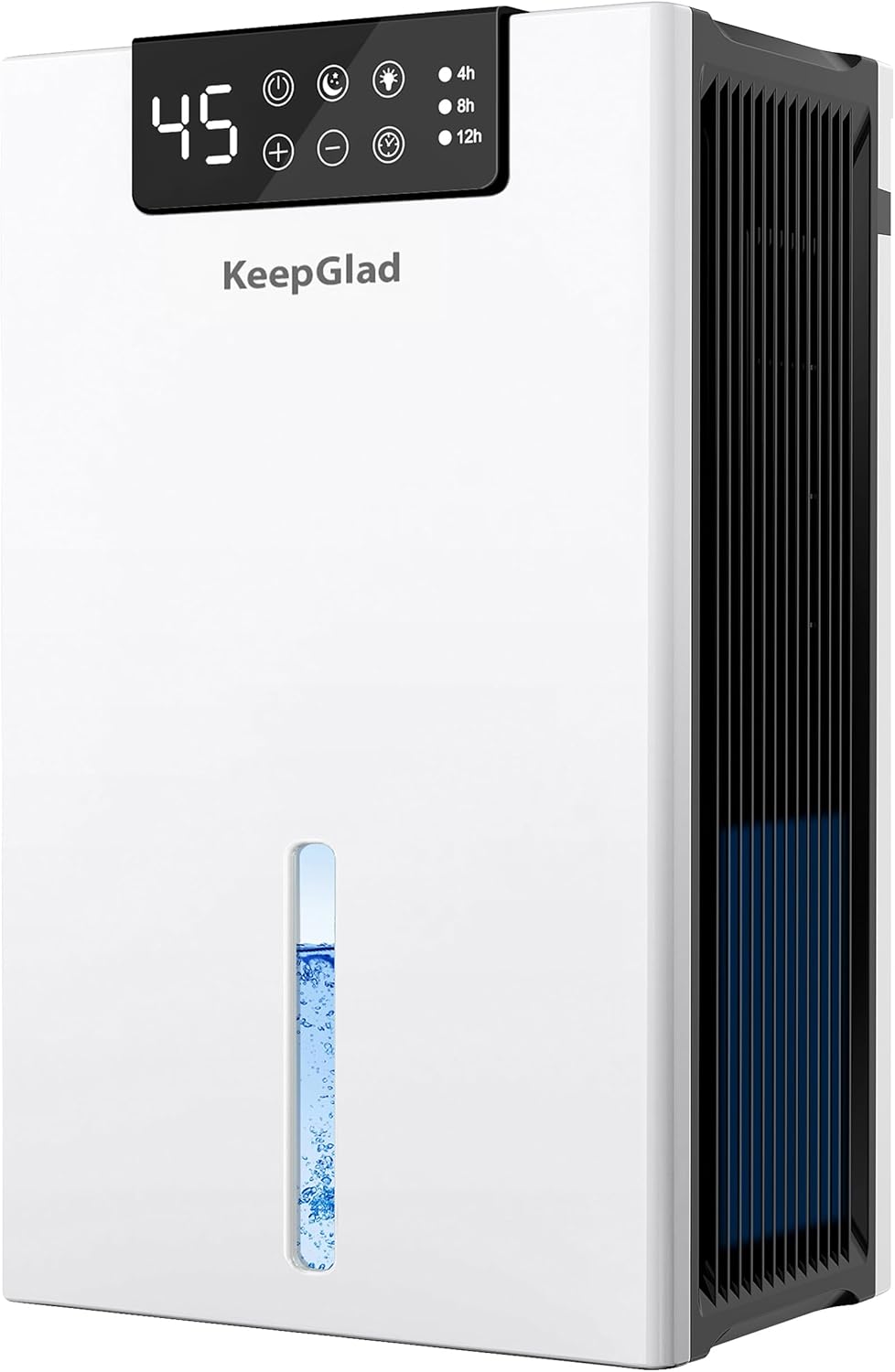
What to Look for When Buying Buying Guide
1. Budget & Price Range
When shopping for a budget dehumidifier, it’s essential to define your spending limit upfront. Most affordable models fall between $50 and $150, with some premium budget options reaching up to $200. While it’s tempting to go for the cheapest option available, remember that price often correlates with capacity, durability, and feature set.
In the $50–$80 range, expect basic functionality: manual controls, smaller water tanks (typically 16–20 oz), and limited coverage (under 200 sq ft). These are ideal for small spaces like closets, RVs, or bathrooms. From $80–$120, you’ll find units with larger tanks (up to 40 oz), auto-shutoff, and better moisture removal rates—suitable for basements up to 500 sq ft. The $120–$150 tier often includes digital displays, timers, continuous drainage options, and improved energy efficiency.
2. Performance Specifications
Performance isn’t just about how much water a dehumidifier pulls from the air—it’s about doing so efficiently and consistently. Key specs to evaluate include pint capacity per day (PPD), room coverage (in square feet), and operating temperature range.
Pint capacity refers to how many pints of moisture the unit can remove in 24 hours under standard conditions (60% humidity at 80°F). For budget models, expect 10–30 PPD. A 20-pint unit is generally sufficient for a 500–800 sq ft basement, while a 10-pint model works well for bathrooms or laundry rooms.
Room coverage matters because placing a dehumidifier in a space larger than its rated capacity leads to poor performance and overworking the compressor. Always check the manufacturer’s recommended square footage—and if your space is borderline, opt for a slightly larger unit.
Operating temperature is another critical spec. Most refrigerant-based dehumidifiers struggle below 65°F, making them less effective in unheated basements during winter. If you need year-round use in cooler areas, look for models rated down to 41°F or consider a desiccant dehumidifier (though these are rarer in budget tiers).
3. Build Quality & Durability
You don’t need to spend a fortune to get a well-built dehumidifier, but skimping on materials can lead to early failure. Look for sturdy plastic housings (not brittle or thin), reinforced coils, and sealed electrical components. Avoid units with flimsy handles, wobbly casters, or poorly fitted panels—these are red flags for poor manufacturing.
Check the type of compressor used. Budget models typically use rotary or reciprocating compressors. Rotary compressors are quieter and more durable but may cost slightly more. Also, inspect the evaporator and condenser coils—coated or corrosion-resistant coils last longer in damp environments.
Another durability indicator is the warranty length. Even budget brands should offer at least a 1-year warranty. Anything less suggests the manufacturer lacks confidence in their product. Brands like hOmeLabs, Ivation, and Pro Breeze consistently deliver reliable builds in the sub-$150 range.
4. Features & Functionality
Modern budget dehumidifiers pack impressive features once reserved for premium models. Here’s what to prioritize:
– Auto-shutoff: Stops the unit when the water tank is full—essential to prevent overflows.
– Continuous drainage: Allows you to connect a garden hose for hands-off operation in basements or crawl spaces.
– Adjustable humidity settings: Lets you set your ideal RH level (usually 30–80%). Look for models with a built-in hygrometer.
– Timer function: Schedule on/off times to save energy and match your routine.
– Defrost mode: Prevents ice buildup on coils in cold environments.
– Quiet operation: Aim for under 50 dB—especially important for bedrooms or living areas.
Avoid “gimmick” features like ionizers or UV lights unless they’re backed by real utility. Many budget models advertise these as selling points but offer minimal benefit.
5. Brand Reputation
Not all budget brands are created equal. Some prioritize cost-cutting over quality, while others maintain solid reputations despite low price tags. Stick with brands known for consistency in the affordable segment:
– hOmeLabs: Offers excellent value with robust 22- and 30-pint models under $150.
– Ivation: Known for reliable performance and strong customer support.
– Pro Breeze: Popular in the mini-dehumidifier space, great for small spaces.
– Eva-Dry: Specializes in compact, rechargeable units ideal for closets and RVs.
– ALROCK: Emerging brand with surprisingly capable mid-tier models.
Avoid unknown brands with no customer service presence or unclear return policies. A quick search for “[Brand] dehumidifier complaints” can reveal recurring issues like compressor failure or false humidity readings.
6. Warranty & Support
A good warranty is your safety net. Most reputable budget brands offer 1–2 years of coverage, with some extending to 3 years for select models. Pay attention to what’s covered: does it include the compressor, electrical components, and labor? Is shipping included for repairs?
Customer support quality varies widely. Before buying, check if the brand offers phone, email, or live chat support. Read recent reviews mentioning after-sales service—delayed responses or refusal to honor warranties are major red flags.
7. Size & Portability
Even budget dehumidifiers come in various sizes. Consider where you’ll place it and how often you’ll move it. Key portability features include:
– Integrated handles: Should be ergonomic and recessed to avoid snagging.
– Smooth-rolling casters: Essential for moving across concrete or carpeted floors.
– Compact footprint: Look for units under 15” wide if space is tight.
– Weight: Most budget models weigh 20–35 lbs—light enough to carry upstairs but heavy enough to stay stable.
If you plan to use the dehumidifier in multiple rooms (e.g., basement by day, bedroom by night), prioritize lightweight designs with easy-grip handles.
8. User Reviews & Ratings
Never buy a dehumidifier based solely on specs or marketing claims. Real-world user feedback reveals hidden strengths and weaknesses. Focus on verified purchase reviews that mention:
– Longevity (does it last more than a year?)
– Noise level during operation
– Ease of emptying the tank
– Accuracy of humidity readings
– Frequency of maintenance (e.g., filter cleaning)
Look for patterns—if multiple users report the same issue (e.g., “stopped working after 6 months”), it’s likely a design flaw. Conversely, consistent praise for quiet operation or reliable auto-shutoff signals a trustworthy model.
Different Types of Buying Guide

Common Buying Mistakes to Avoid
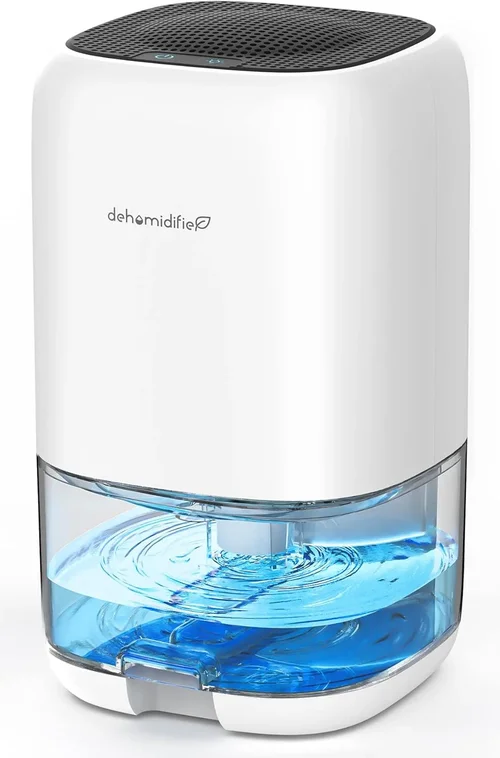
❌ Mistake: Buying Based Solely on Price
Why it’s bad: The cheapest dehumidifier often lacks essential features like auto-shutoff or accurate humidity control, leading to wasted time, water spills, or even fire hazards from overheating.
What to do instead: Set a realistic budget ($80–$120 is the sweet spot for most homes) and compare models within that range. Prioritize safety certifications (UL/ETL listed) and core functionality over rock-bottom pricing.
❌ Mistake: Ignoring Room Size and Humidity Level
Why it’s bad: A 10-pint dehumidifier will struggle in a 1,000 sq ft basement with 70% humidity, resulting in constant running, high energy bills, and premature wear.
What to do instead: Measure your space and assess humidity with a $10 hygrometer. Match the dehumidifier’s capacity to your needs—use the table above as a guide.
❌ Mistake: Overlooking Drainage Options
Why it’s bad: Emptying a 40-oz tank daily is tedious and easy to forget. Without continuous drainage, you risk overflow and water damage.
What to do instead: Choose a model with a built-in pump or hose outlet if you’re using it in a basement or unattended area. Even budget units like the hOmeLabs 22-Pint offer this feature.
❌ Mistake: Neglecting Noise Levels
Why it’s bad: A loud dehumidifier (over 55 dB) can disrupt sleep or conversations, especially in open-plan homes or bedrooms.
What to do instead: Check decibel ratings in product specs. Thermoelectric models are nearly silent, while compressor units vary—look for “quiet mode” or fan speed controls.
❌ Mistake: Skipping Maintenance Requirements
Why it’s bad: Dirty filters and clogged coils reduce efficiency and can cause mold growth inside the unit, worsening indoor air quality.
What to do instead: Choose models with washable, reusable filters and easy-access panels. Clean the filter monthly and wipe coils quarterly.
❌ Mistake: Assuming All “Energy Efficient” Labels Are Equal
Why it’s bad: Some brands exaggerate efficiency claims. Without Energy Star certification, you can’t verify actual performance.
What to do instead: Only trust Energy Star-rated models. They meet strict DOE standards and often qualify for utility rebates.
❌ Mistake: Buying Without Checking Return Policies
Why it’s bad: If the unit arrives defective or doesn’t perform as advertised, a strict return window (e.g., 14 days) may leave you stuck with a dud.
What to do instead: Buy from retailers with 30–60 day return windows (Amazon, Home Depot, Best Buy). Avoid third-party sellers with unclear policies.
Budget Guidelines: How Much Should You Spend?
– Entry-Level ($30–$60): Ideal for tiny spaces like shoe cabinets, gun safes, or RVs. Expect thermoelectric or rechargeable units with minimal capacity (under 10 oz tank). Great for occasional use but not suitable for whole-room dehumidification.
– Mid-Range ($80–$120): The sweet spot for most homeowners. These compressor-based models handle 20–30 pints per day, cover 500–800 sq ft, and include auto-shutoff, timers, and continuous drainage. Brands like hOmeLabs and Ivation dominate this tier.
– Premium Budget ($120–$150): For those who want near-professional performance without the pro price. Expect digital humidity displays, defrost modes, quieter operation, and extended warranties. Some models even include built-in pumps.
– Luxury ($150+): While outside strict “budget” territory, some $160–$200 models (like the Frigidaire FFAD7033R1) offer exceptional value with 70-pint capacity, Wi-Fi connectivity, and smart home integration. Worth considering if you have a large, persistently damp space.
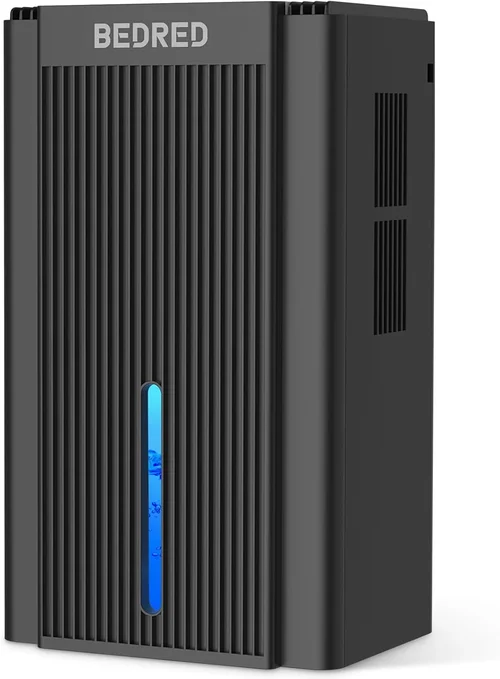
Expert Tips for Getting the Best Deal
– Shop during off-seasons: Prices drop in late fall and winter when demand is low. Retailers often clear inventory before spring.
– Use price-tracking tools: Set alerts on CamelCamelCamel (for Amazon) or Honey to catch discounts.
– Check warehouse clubs: Costco and Sam’s Club occasionally stock high-capacity dehumidifiers at member-only prices.
– Look for bundle deals: Some retailers offer free shipping, extended warranties, or accessory kits (like hoses or filters) with purchase.
– Verify Energy Star status: Certified models may qualify for local utility rebates—check dsireusa.org for incentives in your area.
– Test before committing: If buying in-store, inspect build quality, noise level, and control layout. Online? Read recent reviews for real-world insights.
– Don’t ignore refurbished units: Certified refurbished models from reputable sellers (e.g., Amazon Renewed) often come with full warranties at 20–30% off.
– Prioritize serviceability: Choose brands with widely available replacement parts (filters, tanks, cords) to extend the unit’s lifespan.

Frequently Asked Questions
Q: Can a budget dehumidifier really make a difference in my basement?
A: Absolutely—if it’s properly sized. A 20–30 pint compressor model can significantly reduce musty smells, prevent mold, and protect stored items in basements up to 800 sq ft. Just ensure it has continuous drainage and operates down to at least 65°F.
Q: How often do I need to empty the water tank?
A: It depends on humidity levels and tank size. In a damp basement, a 40-oz tank may fill in 8–12 hours. Models with auto-shutoff will pause until you empty it. For hands-off operation, use a hose for continuous drainage.
Q: Are mini dehumidifiers effective?
A: Only for very small, enclosed spaces like closets, safes, or under sinks. They remove minimal moisture (1–2 oz per day) and won’t impact room humidity. Great for prevention, not remediation.
Q: Do I need a dehumidifier in winter?
A: Only if your space stays above 40% humidity. In cold basements, refrigerant units lose efficiency below 65°F. Desiccant models work better in winter but cost more to run.
Q: How much electricity does a budget dehumidifier use?
A: Most 20–30 pint models consume 200–400 watts. At $0.13/kWh, running one 12 hours/day costs about $10–$20/month. Energy Star models use 15–30% less.
Q: Can I leave my dehumidifier on all the time?
A: Yes—if it has adjustable humidity settings. Set it to 45–50% RH and let it cycle on/off automatically. Avoid constant running in already dry environments, as it can over-dry the air.
Q: What’s the difference between pints per day and tank size?
A: Pints per day (PPD) measures moisture removal capacity—how much water it pulls from the air in 24 hours. Tank size is how much water the reservoir holds. A 30-pint unit with a 40-oz tank will need emptying multiple times a day in high humidity.
Q: Should I buy a dehumidifier with a built-in pump?
A: Only if you can’t gravity-drain into a floor drain or sump pit. Pumps add $20–$40 to the price but allow upward drainage—useful for elevated basements or crawl spaces.
Q: How do I know if my dehumidifier is working properly?
A: Use a hygrometer to monitor room humidity. If it stays above your set point after 24–48 hours of continuous operation, the unit may be undersized or malfunctioning.
Q: Can I use a dehumidifier in an unheated garage?
A: Only if it’s a desiccant model rated for low temperatures. Most compressor units will ice up and shut down below 65°F.
Our Final Recommendations
– Best for Budget-Conscious Buyers: Pro Breeze PB-10Mini ($45) – Perfect for closets, RVs, or bathrooms. Silent, compact, and energy-efficient. Not for large spaces, but unbeatable for under $50.
– Best Overall Value: hOmeLabs 22-Pint Dehumidifier ($119) – Removes up to 22 pints/day, covers 1,500 sq ft, includes continuous drainage, auto-restart, and a 2-year warranty. Consistently praised for reliability and quiet operation.
– Best Premium Option: Ivation 30 Pint Energy Star ($139) – Digital display, defrost mode, washable filter, and ultra-quiet fan. Handles large basements with ease and qualifies for energy rebates.
– Best for Beginners: ALROCK 22-Pint ($99) – Simple controls, lightweight (24 lbs), and includes a 6-foot power cord and carrying handle. Great first dehumidifier with minimal learning curve.
– Best for Advanced Users: Eva-Dry E-333 Rechargeable ($35) – While not a traditional unit, its silica gel technology allows months of use without power. Ideal for tech-savvy users managing multiple small damp zones.
Conclusion: Making the Right Choice
Choosing the best budget dehumidifier doesn’t have to be overwhelming. By focusing on your specific needs—room size, humidity level, drainage options, and must-have features—you can find a reliable, affordable solution that improves your home’s air quality without straining your finances. Remember: the cheapest option isn’t always the best value, and the most expensive isn’t always necessary.
Prioritize Energy Star certification, solid build quality, and user-verified performance. Read recent reviews, check warranty terms, and don’t hesitate to invest a little more for features like continuous drainage or quiet operation—they pay dividends in convenience and peace of mind.
Whether you’re tackling basement dampness, protecting cherished belongings, or simply breathing easier, a well-chosen budget dehumidifier can make a meaningful difference. Use this guide as your roadmap, and you’ll be confident in your purchase—knowing you’ve balanced cost, capability, and long-term value perfectly.