
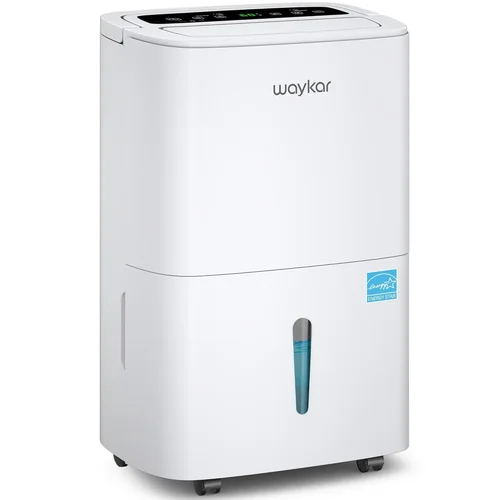
If you’ve ever walked into a damp basement and felt that heavy, musty air cling to your clothes, or noticed water droplets forming on your windows during humid summer months, you already understand why a dehumidifier matters. Excess moisture doesn’t just feel uncomfortable—it can lead to mold growth, structural damage, allergies, and even respiratory issues over time. For homes with high humidity levels, especially in basements, crawl spaces, or large living areas, a 70-pint dehumidifier is often the sweet spot: powerful enough to handle significant moisture removal without being oversized or inefficient.
This guide exists because choosing the right dehumidifier isn’t as simple as picking the cheapest model or the one with the most features. With dozens of brands, varying performance claims, and a wide range of prices, it’s easy to make a decision you’ll regret—either by overspending on unnecessary capabilities or underestimating your home’s needs and ending up with an underperforming unit. Whether you’re dealing with seasonal humidity spikes, chronic dampness, or preparing your home for year-round comfort, this comprehensive buying guide will walk you through everything you need to know to make a smart, informed choice.
By the end of this article, you’ll understand exactly what to look for in a 70-pint dehumidifier, how to compare models effectively, and which options deliver the best value for your specific situation. We’ll break down technical specs into plain English, highlight common pitfalls, and share expert tips to help you avoid buyer’s remorse. The market today offers more innovation than ever—from smart controls and energy-efficient compressors to washable filters and automatic defrost—but not all features are worth your money. Our goal is to equip you with the knowledge to cut through the noise and find a dehumidifier that works hard, lasts long, and fits your budget.

What to Look for When Buying a 70 Pint Dehumidifier
1. Performance Specifications
When shopping for a 70-pint dehumidifier, the first thing to understand is what “70 pints” actually means. This number refers to the unit’s moisture removal capacity under standard testing conditions—specifically, 80°F and 60% relative humidity, as defined by the Association of Home Appliance Manufacturers (AHAM). In real-world use, especially in cooler basements or during shoulder seasons, your dehumidifier may remove less than 70 pints per day. That’s why it’s crucial to match the unit’s rated capacity to your actual environment.
Look beyond the headline number and check the product’s performance at lower temperatures. Many manufacturers now provide data for 65°F or even 50°F environments. If you’re using the dehumidifier in an unheated basement, a model with strong low-temperature performance is essential. Also, pay attention to the airflow rate (measured in cubic feet per minute, or CFM)—higher CFM generally means better circulation and more efficient moisture extraction. A good rule of thumb: aim for a unit that can exchange the air in your space at least once per hour.
Another key spec is the tank size. While many 70-pint units offer continuous drainage via a hose (which we’ll cover later), the built-in bucket should still be large enough to minimize frequent emptying. Most models range from 1.5 to 2.5 gallons. If you don’t plan to use a drain hose, opt for a larger bucket—2 gallons or more—to reduce maintenance. Additionally, check the unit’s operating noise level, typically listed in decibels (dB). Anything below 55 dB is considered quiet; above 60 dB may become noticeable in living spaces.
2. Energy Efficiency & Operating Costs
Dehumidifiers run for hours each day, so energy consumption directly impacts your utility bill. The most reliable metric for comparing efficiency is the Energy Factor (EF), measured in liters of water removed per kilowatt-hour (L/kWh). Higher EF values mean more water removed per unit of electricity—so look for models with an EF of 1.5 or above. The U.S. Department of Energy also provides annual operating cost estimates for many appliances, which can help you compare long-term expenses.
ENERGY STAR-certified dehumidifiers meet strict efficiency guidelines set by the EPA and typically use 15–30% less energy than standard models. While they may cost slightly more upfront, the savings add up over time—especially if you run the unit daily. For example, a non-certified 70-pint unit might cost $80–$100 per year to operate, while an ENERGY STAR model could drop that to $60–$70. Over a 5-year lifespan, that’s $100–$150 in savings.
Also consider the compressor type. Most residential dehumidifiers use either rotary or reciprocating compressors. Rotary compressors are generally quieter, more compact, and more efficient at moderate humidity levels, making them ideal for home use. Reciprocating compressors are often found in heavier-duty or commercial units and may be louder but offer robust performance in extreme conditions.
3. Build Quality & Durability
A dehumidifier is a long-term investment, so build quality matters. Start by examining the materials: high-quality plastic housings should feel sturdy, not flimsy, and resist yellowing or cracking over time. Metal components—especially the evaporator and condenser coils—should be corrosion-resistant, ideally coated with an anti-rust treatment like copper or aluminum with protective layers. This is especially important in damp environments where moisture can accelerate wear.
Look for units with sealed bearings in the fan motor and fully enclosed electrical components to prevent dust and humidity from causing premature failure. The control panel should be intuitive and protected from accidental spills or splashes. Internal wiring and connections should appear neat and secure—avoid models where internal components look cramped or poorly assembled.
Brand reputation plays a role here, too. Established manufacturers like Frigidaire, GE, Honeywell, and LG have decades of experience in climate control and typically adhere to higher manufacturing standards. That said, some lesser-known brands now offer surprisingly durable units at competitive prices—just be sure to read detailed reviews and check warranty terms before committing.
4. Features & Functionality
Modern 70-pint dehumidifiers come packed with features, but not all are equally useful. Start with the basics: adjustable humidity settings (usually via a digital humidistat) allow you to set your desired humidity level (ideally between 45–50% for comfort and mold prevention). Auto-restart is another essential feature—it ensures the unit turns back on after a power outage, maintaining your set humidity without manual intervention.
Continuous drainage is a game-changer for convenience. Most 70-pint models include a threaded hose connection (often 5/16″ or 3/8″ inner diameter) that lets you attach a standard garden hose and route water directly to a floor drain, sump pump, or outside. This eliminates the need to empty the bucket entirely. If your space lacks a nearby drain, look for models with built-in pumps (sometimes called “pump-assisted drainage”) that can push water vertically—up to 15 feet in some cases—making it easier to reach elevated drains or windows.
Other useful features include:
– Auto-defrost: Prevents ice buildup on coils in cold environments (below 65°F), ensuring consistent operation.
– Washable air filter: Reduces allergens and extends the life of internal components; easy to clean with soap and water.
– Timer function: Lets you schedule operation (e.g., run only during peak humidity hours).
– Smart connectivity: Some newer models offer Wi-Fi and app control, allowing remote monitoring and adjustment via smartphone.
Be cautious of “gimmick” features like ionizers or UV lights—they may sound impressive but often provide minimal real-world benefit and can increase cost without meaningful improvement in performance.
5. Size, Weight & Portability
Even though 70-pint dehumidifiers are designed for larger spaces, they shouldn’t be immovable. Most weigh between 40 and 60 pounds, so wheels and handles are non-negotiable. Look for models with recessed or foldable handles and smooth-rolling casters (preferably two fixed and two swivel). This makes it easy to move the unit from the basement to a main floor or between rooms as needed.
Dimensions matter, too—especially if you’re placing it in a tight corner or near furniture. Measure your intended space and compare it to the unit’s footprint. Some models are taller and narrower, while others are shorter and wider. A compact design can make a big difference in usability.
Noise level also ties into portability. If you plan to move the dehumidifier to living areas or bedrooms, a quieter model (under 55 dB) is preferable. Basement-only units can tolerate slightly higher noise levels, but even there, excessive noise can be disruptive if the space doubles as a workshop or home gym.
6. Brand Reputation & Customer Support
Not all brands are created equal when it comes to reliability and post-purchase support. Stick with manufacturers known for consistent quality and responsive customer service. Brands like Frigidaire, GE Appliances, Honeywell, and LG have strong track records in the dehumidifier space, with widespread service networks and readily available replacement parts.
Check online forums, Reddit communities, and review sites like Consumer Reports or Wirecutter for real-user experiences. Pay attention to patterns: if multiple users report the same issue (e.g., compressor failure after 18 months), it’s a red flag. Conversely, consistent praise for durability or helpful tech support is a good sign.
Also consider availability of spare parts. Can you easily buy a new filter, hose adapter, or control board if needed? Some brands make this simple; others force you to replace the entire unit for minor repairs. A reputable brand should offer at least 5–7 years of parts availability.
7. Warranty & Return Policy
A solid warranty is your safety net against defects and premature failures. Most reputable 70-pint dehumidifiers come with a 1-year limited warranty covering parts and labor. However, some premium models offer extended coverage—up to 2 or even 5 years—on key components like the compressor.
Read the fine print carefully. Many warranties exclude damage from improper installation, lack of maintenance (like not cleaning the filter), or use in commercial settings. Also, check whether the warranty is honored by third-party retailers or only through authorized dealers.
Return policies are equally important, especially if you’re buying online. Aim for a retailer that offers at least a 30-day return window with free return shipping. This gives you time to test the unit in your actual environment and confirm it meets your expectations. Some stores, like Best Buy, also offer in-store returns for online purchases, adding flexibility.
8. User Reviews & Real-World Performance
Spec sheets tell part of the story, but user reviews reveal the rest. Look beyond star ratings and read detailed written reviews—especially those with photos or videos. Do users report consistent moisture removal? Are there complaints about leaks, noisy operation, or short lifespans? Pay special attention to reviews from people in similar climates or home setups as yours.
Be wary of fake or incentivized reviews. Genuine feedback often includes both pros and cons. For example, a reviewer might say, “It lowered my basement humidity from 70% to 48% in two days, but the bucket is tricky to remove without spilling.” That kind of balanced insight is invaluable.
Also check third-party testing organizations. While AHAM provides standardized ratings, independent labs like those behind Consumer Reports conduct real-world performance tests that can validate or challenge manufacturer claims.
Different Types of 70 Pint Dehumidifiers

Common Buying Mistakes to Avoid
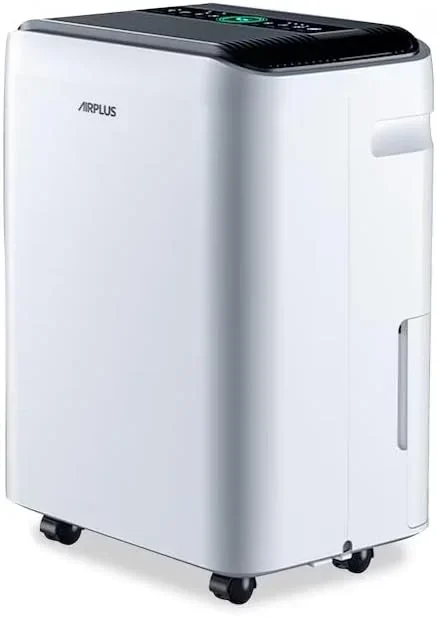
❌ Mistake: Ignoring Real-World Conditions
Why it’s bad: A 70-pint rating is based on ideal lab conditions (80°F, 60% RH). In a cool basement (55°F), your unit may only remove 30–40 pints per day—leaving you frustrated and underprotected.
What to do instead: Check the manufacturer’s performance data for lower temperatures. If unavailable, look for models specifically marketed for “cold space” or “basement use” with auto-defrost functionality.
❌ Mistake: Overlooking Drainage Options
Why it’s bad: Emptying a 2-gallon bucket multiple times a day is tedious and unsanitary. Many buyers assume they can just “deal with it” until they realize how often it fills.
What to do instead: Always plan for continuous drainage. Even if you don’t have a floor drain now, consider installing a simple sump pit or using a condensate pump. Choose a model with a built-in pump if vertical drainage is needed.
❌ Mistake: Prioritizing Price Over Efficiency
Why it’s bad: A $180 dehumidifier might seem like a bargain, but if it uses 50% more energy than a $280 ENERGY STAR model, you’ll lose money within two years.
What to do instead: Calculate annual operating costs using the Energy Factor and your local electricity rate. Aim for the best long-term value, not the lowest sticker price.
❌ Mistake: Skipping the Warranty Fine Print
Why it’s bad: Some warranties become void if you don’t register the product within 10 days or use non-approved filters. Others exclude compressor failures—the most expensive repair.
What to do instead: Read the full warranty document before buying. Register immediately after purchase and keep all maintenance records.
❌ Mistake: Buying Based Solely on Brand Name
Why it’s bad: Just because a brand makes great refrigerators doesn’t mean their dehumidifiers are reliable. Some well-known brands outsource production to lesser-known manufacturers with inconsistent quality.
What to do instead: Research the specific model, not just the brand. Look for independent reviews and check if the unit is manufactured by a reputable OEM (original equipment manufacturer).
❌ Mistake: Neglecting Maintenance Requirements
Why it’s bad: A clogged filter reduces airflow by up to 50%, forcing the compressor to work harder and shortening its lifespan. Many users don’t realize this until it’s too late.
What to do instead: Choose a model with a washable, easily accessible filter. Set a monthly reminder to clean it—it takes less than 5 minutes.
❌ Mistake: Assuming All 70-Pint Units Are Equal
Why it’s bad: Two units with the same pint rating can differ drastically in noise, efficiency, build quality, and feature set. Relying only on capacity leads to poor matches.
What to do instead: Compare side-by-side using a checklist of your priorities (e.g., quiet operation, pump drainage, smart features) and read detailed comparisons like this one.
Budget Guidelines: How Much Should You Spend?
– Entry-Level ($180–$250): These models offer basic 70-pint performance with minimal features. Expect plastic construction, smaller buckets (1.5 gallons), and limited low-temperature capability. Ideal for occasional use or mild humidity issues. Brands like hOmeLabs and Tosot often fall here. While affordable, they may lack durability and efficiency—best for short-term or backup use.
– Mid-Range ($250–$350): This is the sweet spot for most homeowners. You’ll find ENERGY STAR certification, larger buckets (2+ gallons), continuous drainage, auto-defrost, and reliable compressors. Models from Frigidaire, GE, and Honeywell dominate this tier. They balance cost, performance, and longevity—perfect for daily use in basements or large rooms.
– Premium ($350–$450): Designed for demanding environments, these units include pump-assisted drainage, smart controls, enhanced corrosion protection, and superior build quality. Look for brands like LG, AprilAire, or Santa Fe. They’re ideal for high-humidity regions, whole-house applications, or users who want minimal maintenance and maximum convenience.
– Luxury ($450+): Top-tier models offer industrial-grade components, ultra-quiet operation (under 50 dB), advanced air filtration, and integration with home automation systems. These are overkill for most residential needs but excel in luxury homes, wine cellars, or professional settings where precision and reliability are paramount.
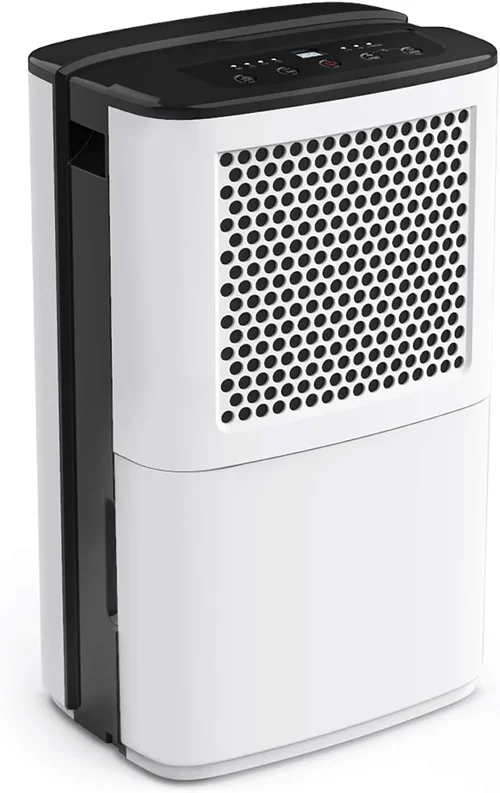
Expert Tips for Getting the Best Deal
– Buy during off-peak seasons: Dehumidifier demand peaks in spring and summer. Shop in late fall or winter (October–February) for discounts of 15–30%. Retailers clear inventory to make room for air conditioners.
– Check retailer return policies: Best Buy, Home Depot, and Lowe’s offer generous return windows (often 30–90 days). Amazon provides easy returns but may charge restocking fees for large items. Choose a retailer that allows in-store returns for online purchases.
– Sign up for price alerts: Use tools like Honey, CamelCamelCamel (for Amazon), or Best Buy’s deal notifications to track price drops. Many models see significant reductions during Black Friday or Prime Day.
– Consider refurbished or open-box units: Certified refurbished dehumidifiers from reputable sellers (like Best Buy Outlet or manufacturer-certified programs) often come with full warranties and sell for 20–40% less. Just ensure they include all accessories and haven’t been heavily used.
– Test before committing: If possible, run the unit for 48 hours in your target space. Monitor humidity levels with a separate hygrometer (many are under $20). If it can’t maintain 45–50% RH, it may be undersized or defective.
– Bundle with other purchases: Some retailers offer discounts when you buy a dehumidifier with an air purifier, humidifier, or HVAC service. Even if you don’t need the extras, the bundle price might still be lower than buying standalone.
– Register for extended warranties wisely: Retailers often push extended coverage, but manufacturer warranties usually suffice. Only consider third-party plans if they cover compressor replacement beyond the standard period.
– Recycle your old unit: Many states offer rebates or free pickup for old dehumidifiers. Best Buy and Home Depot also provide recycling programs—some even give gift cards for trade-ins.

Frequently Asked Questions
Q: Can a 70-pint dehumidifier handle my entire house?
A: Generally, no—unless your home is very small (under 1,000 sq ft) or you have severe humidity issues. A 70-pint unit is best suited for single large rooms, basements, or open-plan areas. For whole-house dehumidification, consider a whole-home system integrated with your HVAC or multiple units placed strategically.
Q: How often should I clean the filter?
A: Every 4–6 weeks during heavy use, or monthly as a rule of thumb. A dirty filter restricts airflow, reduces efficiency, and can cause the unit to overheat. Most filters are washable—just rinse with warm water and let dry completely before reinstalling.
Q: Will a dehumidifier help with mold?
A: Yes, but only if humidity is consistently kept below 50%. Mold thrives above 60% RH. A dehumidifier prevents new growth, but existing mold must be cleaned professionally. Use it alongside proper ventilation and leak repairs.
Q: Can I use a garden hose for drainage?
A: Absolutely—most 70-pint models include a threaded hose connection. Use a standard 5/16″ or 3/8″ vinyl hose. Ensure it slopes downward to avoid backflow, and secure it with zip ties to prevent disconnection.
Q: Is it safe to run a dehumidifier 24/7?
A: Yes, modern units are designed for continuous operation. Just ensure proper drainage and regular filter cleaning. Most have thermal overload protection to prevent overheating.
Q: Why is my dehumidifier freezing up?
A: This usually happens in temperatures below 65°F without auto-defrost. The coils ice over, blocking airflow. Solution: move the unit to a warmer area or choose a model with automatic defrost functionality.
Q: Do I need a dedicated circuit?
A: Most 70-pint dehumidifiers draw 5–7 amps, so they can run on a standard 15-amp household circuit. However, if other high-wattage appliances share the same outlet, consider a dedicated line to avoid tripping breakers.
Q: How do I know if 70 pints is right for me?
A: Measure your space: 70 pints suits areas up to 1,500–2,000 sq ft with moderate to high humidity. For smaller spaces, a 50-pint may suffice. For larger or extremely damp areas, consider 90+ pint models.
Q: Can I place the dehumidifier on carpet?
A: Yes, but ensure at least 6–12 inches of clearance around all sides for proper airflow. Use a piece of plywood or a dehumidifier stand to prevent moisture from seeping into the carpet and to stabilize the unit.
Q: What’s the average lifespan of a dehumidifier?
A: With proper maintenance, most quality units last 5–7 years. Compressor failure is the most common end-of-life issue. Regular filter cleaning and avoiding extreme temperatures can extend longevity.
Our Final Recommendations
– Best for Budget-Conscious Buyers: hOmeLabs 70 Pint Dehumidifier – At around $220, it delivers solid performance, a 2.5-gallon bucket, and continuous drainage. While not ENERGY STAR certified, it’s reliable for light to moderate use and includes auto-restart and a washable filter.
– Best Overall Value: Frigidaire FFAD7033W1 – Priced around $300, this ENERGY STAR model removes up to 70 pints, operates quietly (51 dB), and includes a built-in pump for vertical drainage. Its corrosion-resistant coils and digital humidistat make it ideal for basements.
– Best Premium Option: LG PuriCare 70-Pint Smart Dehumidifier (UD701KOG3) – At $420, it offers Wi-Fi control, voice assistant compatibility, and exceptional low-temperature performance. The sleek design, 2.5-gallon tank, and advanced filtration justify the price for tech-savvy users.
– Best for Beginners: GE APER70LW – Simple controls, clear indicators, and reliable operation make this $280 unit perfect for first-time buyers. It includes auto-defrost, a large bucket, and straightforward setup—no smart features to confuse you.
– Best for Advanced Users: AprilAire E70PRO – Though pricier ($450+), this professional-grade unit is built for harsh environments. It features a heavy-duty compressor, stainless steel coils, and optional ducting for whole-home use. Ideal for contractors or serious DIYers.
Conclusion: Making the Right Choice
Choosing the best 70-pint dehumidifier isn’t about finding the most powerful or feature-rich model—it’s about matching the right tool to your specific needs, environment, and budget. Whether you’re battling basement dampness, protecting valuables in a crawl space, or simply improving indoor air quality, the right dehumidifier can transform your home’s comfort and health.
Remember to prioritize real-world performance over marketing claims, invest in energy efficiency for long-term savings, and never underestimate the value of reliable drainage and build quality. Avoid common pitfalls like ignoring temperature effects or skipping maintenance, and take advantage of seasonal deals to stretch your dollar further.
Ultimately, the best dehumidifier is the one you’ll use consistently and maintain properly. With the insights from this guide, you’re now equipped to make a confident, informed decision—one that will keep your home dry, healthy, and comfortable for years to come. Don’t wait for mold to appear or your energy bills to spike. Take action today, and breathe easier tomorrow.