
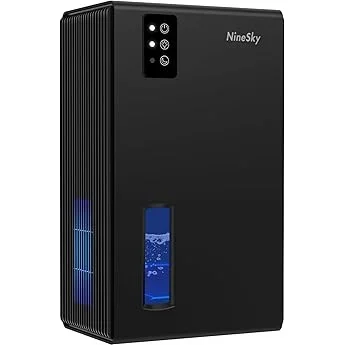
If you’ve ever walked into a basement that smells like damp socks, noticed mold creeping along your bathroom walls, or felt that sticky, heavy air in your home during humid summer months, you already know how vital a good dehumidifier can be. Excess moisture doesn’t just make your space uncomfortable—it can damage furniture, warp wood floors, trigger allergies, and even compromise your home’s structural integrity over time. That’s why investing in a reliable dehumidifier isn’t just a luxury; it’s a smart, health-conscious decision for any homeowner or renter.
But here’s the catch: not all dehumidifiers are created equal, and finding one that fits your budget without sacrificing performance can feel overwhelming. The market is flooded with options ranging from $50 mini units to $500+ industrial-grade machines, each claiming to be the “best.” Without expert guidance, it’s easy to overspend on features you don’t need—or worse, buy a cheap model that breaks down after a few months. This comprehensive buying guide cuts through the noise. Whether you’re dealing with a musty crawl space, a humid apartment, or seasonal moisture issues, we’ll walk you through everything you need to know to choose the right dehumidifier for your needs and budget. You’ll learn how to evaluate performance specs, avoid common pitfalls, understand different types of units, and get the most value for your money—all while staying within your financial comfort zone.
From compact units perfect for small bedrooms to powerful models designed for large basements, the dehumidifier market in 2026 offers more innovation and affordability than ever before. Brands like Frigidaire, hOmeLabs, GE, and Midea continue to dominate the budget and mid-tier segments, while newer players like AlorAir and AprilAire are gaining traction with eco-friendly designs and smart features. Energy efficiency standards have improved across the board, and many models now come with Wi-Fi connectivity, auto-defrost, and programmable timers. Yet despite these advancements, the core principles of choosing a dehumidifier remain the same: match the unit’s capacity to your space, prioritize durability over gimmicks, and always consider long-term operating costs. By the end of this guide, you’ll have the confidence and knowledge to make an informed purchase—one that keeps your home dry, healthy, and comfortable for years to come.

What to Look for When Buying Buying Guide
1. Budget & Price Range
Your budget is the foundation of your dehumidifier search—but it shouldn’t be the only factor. While it’s tempting to go for the cheapest option, remember that dehumidifiers are long-term investments in your home’s air quality and structural health. A well-chosen unit can last 5–10 years, so spending a little more upfront often pays off in durability, efficiency, and performance. That said, you don’t need to break the bank. Most households will find excellent value in the $150–$300 range, where you get reliable moisture removal, solid build quality, and essential features like automatic shutoff and continuous drainage. If you’re on a tight budget under $100, be cautious: these ultra-low-cost models often lack sufficient capacity, use lower-quality compressors, and may not include warranties longer than 90 days. Always ask: “What am I getting for my money?” rather than “What’s the lowest price?”
2. Performance Specifications
Performance boils down to two key metrics: pint capacity and coverage area. Pint capacity refers to how much moisture the unit can remove in 24 hours under standard testing conditions (typically 60% relative humidity at 80°F). For example, a 30-pint dehumidifier is ideal for a 500–1,000 sq. ft. moderately damp space like a basement, while a 50-pint model suits larger or wetter areas up to 2,000 sq. ft. Don’t just rely on manufacturer claims—look for AHAM (Association of Home Appliance Manufacturers) certification, which ensures standardized testing. Also check the unit’s energy factor (liters of water removed per kilowatt-hour), especially if you plan to run it daily. Higher efficiency means lower electricity bills over time. Lastly, consider the operating temperature range: if you’re using it in an unheated garage or crawl space, ensure it works effectively below 65°F—some budget models shut off in cold environments.
3. Build Quality & Durability
A dehumidifier isn’t something you want to replace every year. Look for sturdy construction: thick plastic casings, reinforced coils, and sealed compressors indicate better longevity. Check user reviews for mentions of leaks, compressor failure, or fan noise—these are red flags. Units with metal coils (rather than aluminum) tend to resist corrosion better in humid environments. Also, examine the water tank: a well-designed handle, secure lid, and easy-pour spout make emptying less messy. If you opt for a model with a hose drain option, ensure the port is well-sealed to prevent leaks. Durability also extends to internal components; reputable brands often use higher-grade capacitors and motors that withstand constant cycling. Remember, a slightly higher upfront cost for a well-built unit can save you hundreds in replacements and repairs down the line.
4. Features & Functionality
Modern dehumidifiers come packed with features, but not all are necessary. Focus on what matters for your use case. An automatic shutoff when the tank is full is essential—no one wants to come home to a flooded floor. A built-in pump (rather than just gravity drainage) allows you to drain water vertically or into a sink, which is crucial for basements without floor drains. Humidistats let you set your desired humidity level (ideally between 30–50%), and many models now include digital displays for real-time readings. Timer functions are great for running the unit only during peak humidity hours, saving energy. Smart models with Wi-Fi let you monitor and control humidity remotely via apps—useful if you travel frequently. However, avoid overspending on flashy extras like LED mood lighting or voice control unless they genuinely improve your experience. Prioritize practicality over novelty.
5. Brand Reputation
Not all brands are equal when it comes to reliability and customer service. Stick with established names like Frigidaire, hOmeLabs, GE, Midea, or Tosot—they’ve proven track records for consistent performance and responsive support. These companies often have widespread service networks, making repairs or replacements easier. Avoid obscure brands sold exclusively through third-party Amazon sellers with no verifiable history; they may disappear overnight, leaving you without warranty coverage. Research brand reputation by reading long-term user reviews (look for 1–2 year usage reports) and checking ratings on sites like Consumer Reports or the Better Business Bureau. A trusted brand might cost slightly more, but the peace of mind and reduced risk of defects are worth it.
6. Warranty & Support
Warranty length and terms speak volumes about a manufacturer’s confidence in their product. Aim for at least a 1-year full warranty, with some premium models offering 2–5 years. Pay attention to what’s covered: does it include the compressor, which is the most expensive component to replace? Is labor included, or do you pay out of pocket? Also, check if the warranty is voided by improper use (e.g., operating in freezing temps without auto-defrost). Customer support matters too—can you reach a human quickly? Are replacement parts readily available? Brands with U.S.-based support centers typically resolve issues faster than those relying on overseas partners. Before buying, visit the brand’s website and test their contact forms or phone lines. A responsive support team can turn a frustrating issue into a minor inconvenience.
7. Size & Portability
Dehumidifiers vary widely in size, weight, and mobility. If you need to move the unit between rooms (e.g., from basement to bathroom), look for models under 40 lbs with recessed handles and smooth-rolling casters. Compact units (around 12” x 15” x 20”) fit easily in tight spaces but may have smaller tanks requiring frequent emptying. Larger units (50+ pints) are heavier but often include larger tanks or continuous drainage, reducing maintenance. Consider where you’ll store it when not in use—some models have foldable handles or stackable designs. Noise level (measured in decibels) also affects portability; if you’re placing it near a bedroom, choose a quiet model (under 50 dB). Balance convenience with performance: a highly portable unit won’t help if it can’t handle your space’s moisture load.
8. User Reviews & Ratings
Never buy a dehumidifier based solely on specs or marketing claims. Real-world user feedback reveals hidden flaws and strengths. Look for reviews that mention specific scenarios: “Worked great in my 800 sq. ft. basement during rainy season” or “Stopped working after 3 months in my garage.” Filter for verified purchases and recent reviews (within the last 6–12 months) to ensure relevance. Pay attention to patterns: if multiple users report the same issue (e.g., leaking tanks or loud fans), it’s likely a design flaw. Conversely, consistent praise for quiet operation or easy maintenance signals a winner. Use aggregate ratings wisely—4.0+ stars with hundreds of reviews is a strong indicator of reliability. But don’t dismiss a 3.8-star model if the negatives are minor (e.g., “tank is a bit small”) and the positives align with your needs.
Different Types of Buying Guide
Common Buying Mistakes to Avoid
❌ Mistake: Buying Based Solely on Price
Why it’s bad: The cheapest dehumidifier often lacks the capacity, durability, or safety features needed for effective moisture control. You might end up with a unit that struggles to reduce humidity, breaks within months, or even poses a fire risk due to substandard wiring.
What to do instead: Set a realistic budget that balances cost with essential features. Aim for the mid-tier range ($150–$300) where you’ll find the best combination of performance, reliability, and value. Think of it as an investment in your home’s health.
❌ Mistake: Ignoring Room Size and Humidity Level
Why it’s bad: A 20-pint dehumidifier will constantly run and still fail to control moisture in a large, damp basement. Conversely, a 70-pint unit in a small closet wastes energy and money.
What to do instead: Measure your space and assess moisture severity. Use a hygrometer to check humidity levels. Match the unit’s pint capacity to your square footage and dampness level using AHAM guidelines. When in doubt, size up slightly—better to have extra capacity than insufficient power.
❌ Mistake: Overlooking Drainage Options
Why it’s bad: If your dehumidifier only has a small tank and no continuous drain option, you’ll be emptying it multiple times a day—especially in high-humidity areas. This quickly becomes tedious and impractical.
What to do instead: Choose a model with a hose drain port (standard on most mid-range units) so you can connect a garden hose for hands-free drainage into a floor drain, sink, or sump pump. For basements, consider models with built-in pumps for vertical drainage.
❌ Mistake: Skipping the Warranty Check
Why it’s bad: A dehumidifier with a 90-day warranty offers little protection if the compressor fails after four months—a common issue with budget models. You could be stuck with a costly repair or replacement.
What to do instead: Always verify warranty length and coverage before purchasing. Look for at least a 1-year comprehensive warranty. Register your product immediately after purchase to activate coverage.
❌ Mistake: Assuming All “Energy Star” Models Are Equal
Why it’s bad: While Energy Star certification ensures efficiency, not all certified models perform equally. Some may have high energy factors but low actual moisture removal in real-world conditions.
What to do instead: Compare the energy factor (L/kWh) alongside pint capacity. A unit with a higher energy factor removes more moisture per kilowatt-hour, saving you money long-term. Check the yellow EnergyGuide label for annual operating cost estimates.
❌ Mistake: Neglecting Noise Levels
Why it’s bad: A loud dehumidifier (over 55 dB) can disrupt sleep, work, or relaxation—especially if placed near living areas. Many buyers don’t realize how noisy some models are until it’s too late.
What to do instead: Check decibel ratings in product specs or user reviews. Look for models labeled “quiet” or “low-noise.” For bedrooms or offices, aim for under 50 dB. Some brands offer “sleep mode” settings that reduce fan speed at night.
❌ Mistake: Buying Without Reading Real User Reviews
Why it’s bad: Marketing materials highlight only the positives. Real users reveal flaws like leaking tanks, faulty humidistats, or poor customer service—issues that specs won’t show.
What to do instead: Spend time reading detailed, verified purchase reviews on retailer sites. Look for long-term feedback (6+ months of use) and photos of actual setups. This gives you a realistic picture of reliability and usability.
Budget Guidelines: How Much Should You Spend?
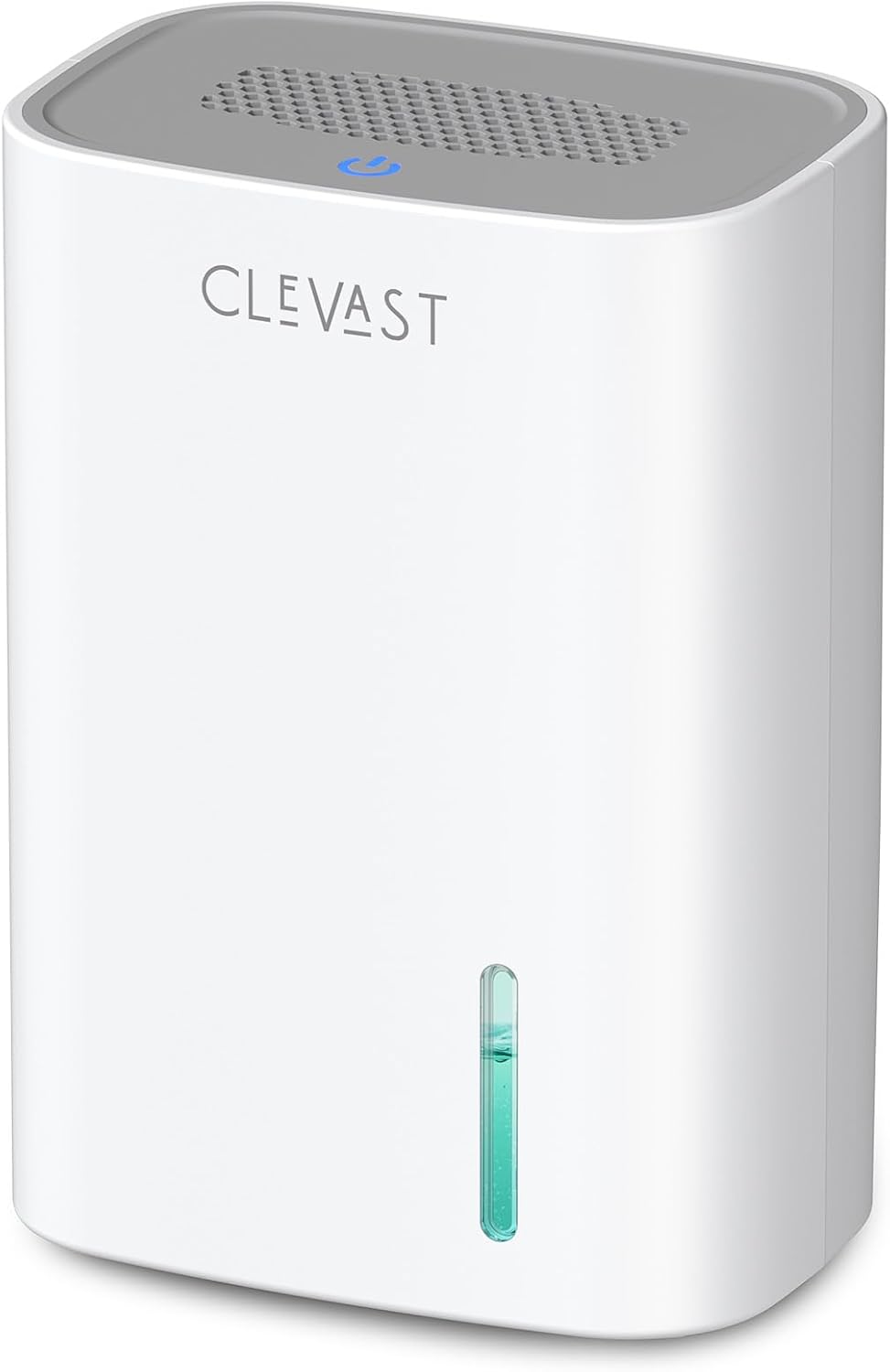
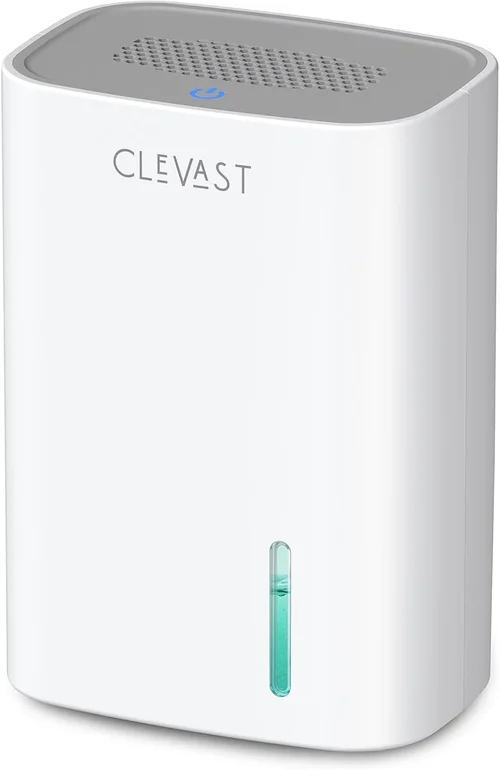
Entry-Level ($50–$120): These are typically compact refrigerant or desiccant units best suited for small, mildly damp spaces like closets, RVs, or single rooms under 500 sq. ft. Expect basic functionality—manual controls, small tanks (1–2 liters), and limited durability. While they can help with minor moisture issues, they’re not ideal for basements or high-humidity environments. Many lack automatic shutoff or drainage options, requiring frequent monitoring. If you’re on a very tight budget and only need occasional use, this tier can work—but temper your expectations.
Mid-Range ($120–$250): This is the sweet spot for most homeowners. Units in this range offer 30–50 pint capacities,覆盖 1,000–2,000 sq. ft., and include essential features like digital humidistats, auto-restart after power outages, continuous drainage, and larger tanks (1.5–2 gallons). Brands like hOmeLabs, Tosot, and Frigidaire dominate here with reliable performance and 1–2 year warranties. Energy efficiency is solid, and build quality is noticeably better than entry-level models. If you have a moderately damp basement, large bedroom, or whole-apartment humidity issues, this tier delivers the best balance of price and performance.
Premium ($250–$400): Designed for serious moisture problems, these dehumidifiers boast 50–70+ pint capacities, advanced sensors, built-in pumps, Wi-Fi connectivity, and robust metal construction. They’re ideal for large basements, crawl spaces, or homes in humid climates. Features like auto-defrost (for cold environments), programmable timers, and app-based controls add convenience. Models from GE, Midea, and AlorAir in this range often come with 2–5 year warranties and superior energy efficiency. If you run your dehumidifier daily or have persistent mold/mildew concerns, the extra investment pays off in peace of mind and longevity.
Luxury ($400+): Reserved for whole-house systems or commercial-grade applications, these units integrate with HVAC ductwork or offer industrial-strength moisture removal. They include professional installation, multi-zone control, and advanced filtration. While overkill for most households, they’re worth considering if you live in a high-humidity region, have a large custom home, or suffer from severe respiratory conditions triggered by mold. For typical buyers, however, the mid-to-premium range provides all the functionality needed without unnecessary complexity or cost.
Expert Tips for Getting the Best Deal
– Buy During Off-Peak Seasons: Dehumidifiers are most expensive in summer when demand peaks. Shop in late fall or winter (October–February) for discounts of 20–30%. Retailers often clear inventory to make room for air conditioners.
– Check Retailer Return Policies: Even the best-reviewed model might not suit your space. Choose retailers with generous return windows (30–90 days) and free return shipping. Amazon, Home Depot, and Lowe’s typically offer flexible policies.
– Look for Bundle Deals: Some brands offer free accessories (hoses, filters, hygrometers) with purchase. These can save $20–$50 and enhance usability.
– Sign Up for Price Alerts: Use tools like Honey, CamelCamelCamel (for Amazon), or Google Shopping to track price drops. Set alerts for your desired model and buy when it hits your target price.
– Consider Refurbished or Open-Box Units: Certified refurbished models from reputable sellers (e.g., manufacturer websites, Best Buy Outlet) often come with full warranties at 20–40% off retail. They’re thoroughly tested and like new.
– Test Before Committing Long-Term: Run the unit for a week in your intended space. Monitor humidity levels with a separate hygrometer. If it’s not maintaining your target range (30–50%), consider exchanging for a higher-capacity model.
– Factor in Operating Costs: A cheaper unit that uses more electricity can cost more over time. Calculate annual energy use: (watts × hours/day × days/year × local kWh rate). Choose Energy Star models with high energy factors.
– Register Your Warranty Immediately: Don’t wait! Many warranties require registration within 10–30 days of purchase. Keep your receipt and serial number handy.
Frequently Asked Questions
Q: How do I know what size dehumidifier I need?
A: Start by measuring your room’s square footage. Then assess moisture level: slightly damp (30-pint), moderately damp (50-pint), or extremely wet (70-pint+). Use AHAM’s sizing chart: for example, a 1,500 sq. ft. moderately damp basement needs a 50-pint unit. When in doubt, choose the next size up.
Q: Can I run a dehumidifier all the time?
A: Yes, but it’s not always necessary. Most models have humidistats that automatically turn the unit on/off to maintain your set humidity level. Running it continuously in a dry climate wastes energy. Use a timer or smart features to operate only during humid periods (e.g., mornings or after showers).
Q: Do dehumidifiers use a lot of electricity?
A: It depends on the model and usage. A typical 50-pint unit uses about 500–700 watts. Running it 8 hours/day could cost $15–$25/month, depending on your electricity rate. Energy Star models are 15–20% more efficient, saving you money long-term.
Q: Should I get a dehumidifier with a built-in pump?
A: If you’re draining into a sink, toilet, or elevated location (not a floor drain), a built-in pump is essential. Gravity drainage only works downward. Pumps add $30–$80 to the price but offer much greater flexibility, especially in basements.
Q: Can a dehumidifier help with allergies?
A: Absolutely. By reducing humidity below 50%, dehumidifiers inhibit mold, dust mites, and mildew—common allergens. Pair it with an air purifier for maximum relief, especially if you have asthma or respiratory sensitivities.
Q: What’s the difference between refrigerant and desiccant dehumidifiers?
A: Refrigerant models (most common) cool air to condense moisture—best for warm, humid climates. Desiccant units use a moisture-absorbing material and work better in cold environments (like garages) but are less energy-efficient in warm rooms.
Q: How often should I clean my dehumidifier?
A: Clean the air filter monthly with mild soap and water. Wipe the water tank weekly to prevent mold buildup. Deep-clean coils and interior every 3–6 months if used frequently. Regular maintenance extends lifespan and ensures optimal performance.
Q: Can I use a dehumidifier in winter?
A: Only if it has auto-defrost or is rated for low temperatures (below 65°F). Standard refrigerant models may ice up and stop working in cold spaces. Desiccant or cold-climate models are better for unheated areas like garages or crawl spaces.
Q: Is it safe to leave a dehumidifier on overnight?
A: Yes, as long as it has safety features like auto-shutoff, tilt protection, and overheat protection. Modern units are designed for continuous operation. Just ensure it’s placed on a stable, level surface away from flammable materials.
Q: Do I need a dehumidifier if I have central air conditioning?
A: Not always—AC removes some moisture—but in humid climates or poorly insulated homes, AC alone may not maintain ideal humidity. A standalone dehumidifier gives you precise control and can reduce AC runtime, saving energy.
Our Final Recommendations
Best for Budget-Conscious Buyers: hOmeLabs 30 Pint Dehumidifier – At around $130, this compact yet powerful unit covers up to 1,500 sq. ft. and includes a digital humidistat, auto-restart, and continuous drain option. It’s Energy Star certified, quiet (48 dB), and backed by a 2-year warranty. Perfect for apartments, small basements, or bedrooms.
Best Overall Value: Frigidaire FFAD5033W1 50 Pint Dehumidifier – Priced around $220, this workhorse handles large damp spaces with ease. It features a large 1.7-gallon tank, built-in pump, washable filter, and smart humidity control. Reliable, efficient, and built to last—ideal for most homeowners.
Best Premium Option: GE APER50LZ 50 Pint Smart Dehumidifier – At $320, this Wi-Fi-enabled model offers app control, voice compatibility (Alexa/Google), and precise humidity monitoring. With a 2-year warranty and excellent build quality, it’s perfect for tech-savvy users who want convenience and performance.
Best for Beginners: Tosot 30 Pint Dehumidifier – Simple controls, intuitive display, and straightforward setup make this $150 unit ideal for first-time buyers. It’s quiet, efficient, and includes all essential features without overwhelming complexity.
Best for Advanced Users: AlorAir Sentinel HDi90 – For those with serious moisture issues or cold environments, this $380 desiccant hybrid works down to 33°F and removes up to 90 pints/day. It’s ductable, has a built-in pump, and is built like a tank—ideal for professionals or extreme conditions.
Conclusion: Making the Right Choice
Choosing the right dehumidifier doesn’t have to be stressful—or expensive. By focusing on your specific needs—room size, humidity level, budget, and desired features—you can find a unit that delivers reliable performance without overspending. Remember, the cheapest option isn’t always the best value, and the most expensive model may offer features you’ll never use. Prioritize capacity, durability, and essential functionality like automatic shutoff and drainage. Read real user reviews, check warranties, and consider long-term operating costs. Whether you’re tackling a musty basement, protecting cherished belongings, or improving your family’s health, the right dehumidifier is an investment that pays dividends in comfort, safety, and peace of mind. Take your time, do your research, and choose wisely—your home (and your lungs) will thank you.