
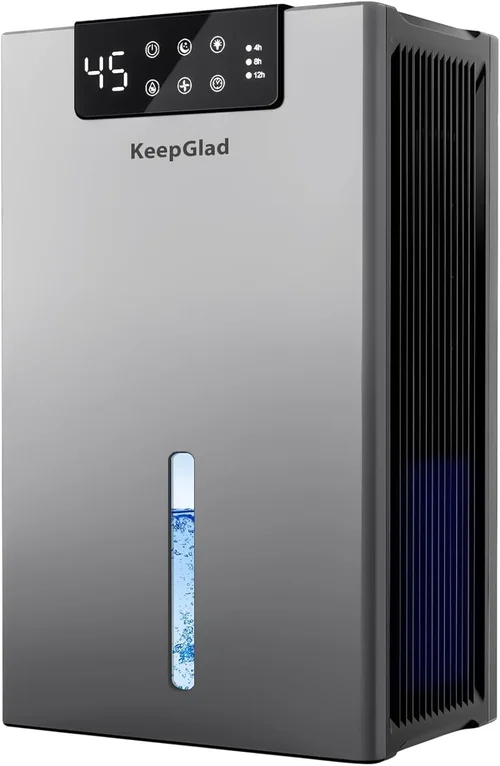
Dehumidifiers have evolved from niche appliances into essential home systems, especially as climate patterns shift and indoor air quality becomes a growing concern. Whether you’re battling persistent basement dampness, trying to prevent mold in a humid climate, or simply aiming to improve comfort during sticky summer months, choosing the right dehumidifier can make a dramatic difference in your living environment. Yet, with dozens of models flooding the market—each boasting different capacities, features, and price points—it’s easy to feel overwhelmed. That’s where this comprehensive buying guide comes in.
This guide is designed to cut through the noise and deliver expert-level insights tailored for real-world use. You’ll learn how to match a dehumidifier to your specific needs, whether you’re outfitting a 500-square-foot apartment or a sprawling 3,000-square-foot home with a finished basement. We’ll break down technical specifications in plain language, compare types and technologies, highlight common pitfalls, and provide actionable advice based on performance testing, user feedback, and industry trends. By the end, you won’t just know which models are popular—you’ll understand why they work (or don’t work) for certain situations, empowering you to make a confident, informed decision.
The dehumidifier market in 2026 is more competitive than ever, with brands like Frigidaire, hOmeLabs, GE, Midea, and AprilAire pushing innovation in energy efficiency, smart connectivity, and noise reduction. Meanwhile, new entrants are leveraging eco-friendly refrigerants and advanced filtration systems. With options ranging from under $100 to over $1,000, there’s something for every budget—but value doesn’t always correlate with price. This guide will help you navigate that complexity and find the best fit for your home, health, and wallet.

What to Look for When Buying a Dehumidifier
1. Capacity & Pint Rating
The most critical specification when selecting a dehumidifier is its capacity, measured in pints per day (PPD). This number tells you how much moisture the unit can remove from the air in a 24-hour period under standard test conditions (80°F and 60% relative humidity). For example, a 30-pint dehumidifier can extract up to 30 pints of water daily—ideal for a moderately damp basement or large living area.
However, don’t rely solely on the advertised pint rating. Manufacturers often test under ideal lab conditions that don’t reflect real-world environments. A space that’s consistently hot and humid (like a Florida garage) may require a higher-capacity unit than the square footage alone suggests. As a general rule:
- Up to 500 sq. ft., mild dampness: 20–30 pints
- 500–1,500 sq. ft., moderate humidity: 30–50 pints
- 1,500–3,000+ sq. ft., severe dampness or high humidity: 50–70+ pints
Also consider the unit’s performance at lower temperatures. Most compressor-based dehumidifiers lose efficiency below 65°F, so if you’re using it in an unheated basement during winter, look for models labeled “low-temperature operation” or those using desiccant technology.
2. Energy Efficiency & Operating Costs
Dehumidifiers run continuously in many homes, especially during humid seasons, making energy consumption a major long-term cost factor. Look for units with the ENERGY STAR® certification, which indicates they meet strict efficiency guidelines set by the U.S. Environmental Protection Agency. ENERGY STAR dehumidifiers use 15–30% less energy than standard models, translating to significant savings over time.
Check the unit’s Energy Factor (EF), measured in liters of water removed per kilowatt-hour (L/kWh). Higher EF values mean better efficiency. For example, a model with an EF of 1.8 is more efficient than one with 1.2. Also review the annual operating cost estimate, usually provided in the product specs or on the ENERGY STAR website.
Keep in mind that larger-capacity units aren’t always less efficient. A single 70-pint ENERGY STAR model may consume less power than running two smaller 35-pint units simultaneously. Additionally, features like auto-humidistat, timer functions, and defrost cycles can further reduce energy use by preventing unnecessary runtime.
3. Humidity Control & Sensors
Precise humidity control is essential for both comfort and mold prevention. The ideal indoor relative humidity range is between 30% and 50%. Too low, and you risk dry skin and respiratory irritation; too high, and you invite mold, dust mites, and musty odors.
Look for dehumidifiers with built-in humidistats that allow you to set and maintain your desired humidity level. Basic models may only offer “low,” “medium,” and “high” settings, while premium units provide digital displays with 1% increments (e.g., 45% RH). Some advanced models even include hygrometers that continuously monitor ambient humidity and adjust fan speed or compressor operation accordingly.
Smart dehumidifiers take this further by connecting to Wi-Fi and integrating with home automation systems like Alexa or Google Home. These allow remote monitoring via smartphone apps, alerts when the tank is full, and scheduling based on weather forecasts. While not essential, these features add convenience and can prevent overflows or inefficiencies.
4. Drainage Options & Tank Management
All dehumidifiers collect water, but how they handle it varies significantly. Most units come with a removable water tank, typically ranging from 1 to 2 gallons. While convenient for small spaces, tanks require manual emptying—a hassle if the unit runs frequently.
For continuous operation, especially in basements or unattended areas, opt for models with built-in pumps or gravity drainage. Gravity drain models include a hose connection at the bottom; simply attach a standard garden hose and route it to a floor drain, sink, or sump pump. Pump-equipped units (often called “condensate pumps”) can push water vertically up to 15 feet, making them ideal for spaces without nearby drains.
Consider the tank’s design: wide openings make cleaning easier, and splash guards reduce spills during removal. Some high-end models feature auto-shutoff when the tank is full, preventing overflows. If you choose a tank-based model, ensure it has a float switch or sensor that halts operation when full—this is a basic but crucial safety feature.
5. Noise Level & Placement Flexibility
Dehumidifiers aren’t silent appliances. Compressor-based models generate noise from the compressor, fan, and refrigerant flow, typically ranging from 45 to 65 decibels (dB). For context, 50 dB is similar to a quiet conversation, while 65 dB resembles normal office chatter.
If you plan to place the unit in a bedroom, living room, or home office, prioritize low-noise models. Look for specifications like “quiet operation” or decibel ratings below 55 dB. Desiccant dehumidifiers tend to be quieter than compressor types because they lack a loud compressor, though they may have higher-pitched fan noise.
Placement also affects perceived noise. Units with rear or side vents allow for closer wall placement without blocking airflow, reducing the need to position them in the center of a room where sound carries more. Rubber feet or vibration dampeners can minimize rattling on hard floors. Always check the manufacturer’s recommended clearance (usually 6–12 inches) to ensure optimal performance and noise control.
6. Build Quality & Durability
A dehumidifier is a long-term investment, so durability matters. Look for sturdy construction with metal coils (rather than aluminum), reinforced plastic housings, and sealed electrical components. Coils are especially vulnerable to corrosion in humid environments; galvanized or epoxy-coated coils offer better resistance.
Check the warranty length—most reputable brands offer 1–2 years, while premium models may include 5-year compressor warranties. Longer warranties often indicate confidence in build quality. Also consider the availability of replacement parts and service centers in your area.
Portability features like recessed handles, caster wheels, and lightweight designs (under 40 lbs for mid-sized units) make moving the unit between rooms or storing it offseason much easier. However, don’t sacrifice stability for portability—units should feel solid and not tip easily.
7. Additional Features & Smart Capabilities
Beyond core functionality, modern dehumidifiers offer a range of convenience and performance-enhancing features. Auto-defrost is critical for cold-weather operation—it prevents ice buildup on coils, which can halt dehumidification and damage the unit. This feature is non-negotiable for unheated spaces.
Timer functions let you schedule operation (e.g., run only at night or during off-peak electricity hours). Washable or reusable air filters improve indoor air quality by trapping dust, pollen, and mold spores—look for MERV 8 or higher ratings. Some models include UV-C lights or ionizers to kill bacteria and odors, though their effectiveness varies.
Smart features are increasingly common. Wi-Fi-enabled units allow remote control via apps, integration with smart thermostats, and usage tracking. While not necessary for everyone, these can be valuable for vacation homes, rental properties, or tech-savvy users who want granular control.
8. Brand Reputation & Customer Support
Not all dehumidifier brands are created equal. Established names like Frigidaire, GE, and AprilAire have decades of experience and robust customer support networks. Newer brands like hOmeLabs and Midea offer competitive pricing and innovative designs but may have shorter track records.
Research customer service responsiveness before buying. Read reviews about warranty claims, repair times, and replacement part availability. Brands with U.S.-based support centers typically resolve issues faster than those relying on overseas partners.
Also consider ecosystem compatibility. If you already use smart home devices from a particular brand (e.g., Google Nest or Amazon Alexa), choosing a compatible dehumidifier simplifies setup and control.
Different Types of Dehumidifiers

Common Buying Mistakes to Avoid
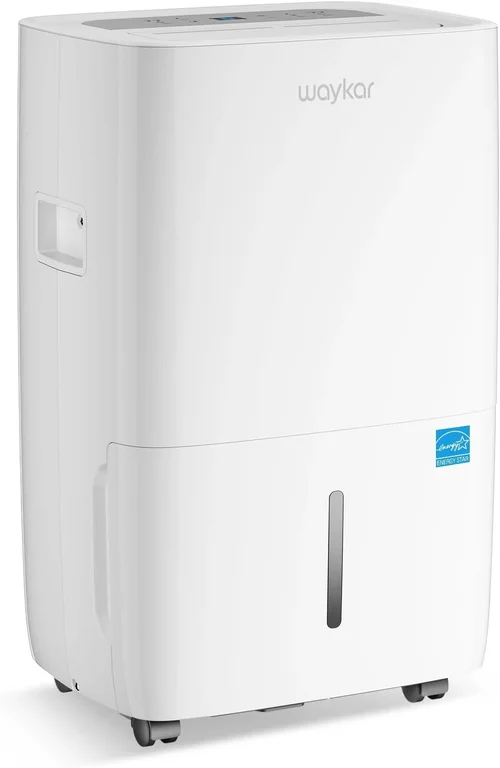
❌ Mistake: Buying Based Solely on Square Footage
Why it’s bad: Square footage alone doesn’t account for humidity sources like poor ventilation, water leaks, or high occupancy. A 1,000-square-foot basement with a chronic leak may need a 70-pint unit, while a dry 1,500-square-foot attic might only need 30 pints.
What to do instead: Assess your space’s moisture level. Use a hygrometer to measure current humidity. If it’s consistently above 60%, size up. Also consider seasonal variations—what works in spring may fail in summer.
❌ Mistake: Ignoring Drainage Needs
Why it’s bad: Relying on a small tank in a high-moisture area leads to frequent emptying, overflow risks, and interrupted operation. This is especially problematic in basements or vacation homes.
What to do instead: Choose a model with continuous drainage (gravity or pump) if you can’t empty the tank daily. Even if you start with a tank, ensure the unit has a drain hose option for future flexibility.
❌ Mistake: Overlooking Noise in Living Spaces
Why it’s bad: A loud dehumidifier can disrupt sleep, work, or relaxation, leading to users turning it off—defeating its purpose.
What to do instead: Check decibel ratings and read user reviews about noise. Place the unit away from bedrooms if possible, or opt for a desiccant model known for quieter operation.
❌ Mistake: Skipping ENERGY STAR Certification
Why it’s bad: Non-certified models may save money upfront but cost significantly more in electricity over time. Some inefficient units also struggle to maintain target humidity.
What to do instead: Always prioritize ENERGY STAR models. Use the EPA’s calculator to compare annual operating costs between models.
❌ Mistake: Assuming All “Smart” Features Are Useful
Why it’s bad: Wi-Fi and app controls add cost and complexity. If you won’t use remote monitoring or scheduling, you’re paying for unused features.
What to do instead: Only buy smart features if they solve a real problem (e.g., monitoring a remote cabin). Otherwise, stick to models with reliable manual controls and humidistats.
❌ Mistake: Neglecting Filter Maintenance
Why it’s bad: Clogged filters reduce airflow, strain the motor, and decrease efficiency. Dirty filters can also circulate mold spores.
What to do instead: Choose models with washable, reusable filters. Set a reminder to clean them monthly during peak usage seasons.
❌ Mistake: Buying the Cheapest Option Without Research
Why it’s bad: Ultra-low-cost models often use inferior components, lack safety features, and fail within a year. They may also be significantly louder and less efficient.
What to do instead: Set a realistic budget based on your needs. Sometimes spending $50 more buys a unit that lasts twice as long and uses half the energy.
Budget Guidelines: How Much Should You Spend?
Dehumidifiers span a wide price range, and understanding what you get at each tier helps avoid overspending or underbuying.
Entry-Level ($80–$180): These are typically 20–30 pint compressor or thermo-electric models suited for small spaces like closets, RVs, or mild dampness in apartments. Expect basic controls, smaller tanks, and limited durability. ENERGY STAR options are rare here, and noise levels may be higher. Ideal for occasional use or tight budgets, but not recommended for chronic moisture issues.
Mid-Range ($180–$350): This is the sweet spot for most homeowners. You’ll find 30–50 pint ENERGY STAR-certified compressor models with digital humidistats, auto-defrost, and continuous drainage options. Brands like hOmeLabs, Frigidaire, and GE dominate this segment with reliable performance and decent warranties. These units balance cost, efficiency, and features effectively.
Premium ($350–$600): Designed for demanding environments, these 50–70+ pint models offer advanced humidity control, low-noise operation, condensate pumps, and smart connectivity. Look for robust build quality, extended warranties, and superior coil protection. Ideal for large basements, high-humidity climates, or users prioritizing long-term reliability.
Luxury ($600+): This tier includes whole-house ducted systems and commercial-grade portable units. They integrate with HVAC systems, offer zoning capabilities, and provide hospital-level air filtration. While overkill for most, they’re essential for large estates, historic homes, or individuals with severe mold allergies. Expect professional installation and ongoing maintenance.

Expert Tips for Getting the Best Deal
- Buy off-season: Prices drop significantly in late fall and winter when demand is low. Retailers often clear inventory before new models arrive in spring.
- Shop refurbished or open-box: Certified refurbished units from reputable sellers (like Amazon Renewed or manufacturer outlets) offer near-new performance at 20–40% off.
- Compare total cost of ownership: Use online calculators to compare purchase price + estimated annual energy cost over 5–10 years. A $50 cheaper unit that uses 30% more energy may cost more long-term.
- Check return policies: Ensure the retailer offers at least a 30-day return window. Dehumidifiers can behave differently in your specific environment.
- Look for bundle deals: Some HVAC companies offer discounts when purchasing a dehumidifier with an air purifier or smart thermostat.
- Read recent reviews: Product performance can change with firmware updates or manufacturing shifts. Focus on reviews from the past 6–12 months.
- Verify warranty coverage: Confirm what’s included (compressor, parts, labor) and whether registration is required. Some brands void warranties if not registered within 30 days.
- Test placement before committing: If possible, run the unit in your intended location for a few days. Monitor noise, airflow, and humidity levels to ensure it meets expectations.

Frequently Asked Questions
Q: How do I know if I need a dehumidifier?
A: Signs include persistent musty odors, condensation on windows, peeling paint or wallpaper, visible mold growth, or a hygrometer reading consistently above 60% RH. If you notice any of these, a dehumidifier is likely beneficial.
Q: Can a dehumidifier replace an air conditioner?
A: No. While both remove moisture, only an AC cools the air. A dehumidifier makes air feel more comfortable by reducing humidity but doesn’t lower temperature. They complement each other in humid climates.
Q: How often should I clean my dehumidifier?
A: Clean the water tank weekly during peak use and wash the air filter monthly. Wipe down the exterior and coils every 3–6 months to prevent mold and maintain efficiency.
Q: Will a dehumidifier help with allergies?
A: Yes. By keeping humidity below 50%, it inhibits mold, dust mites, and mildew—common allergens. Pair it with a HEPA air purifier for maximum relief.
Q: Can I run a dehumidifier all the time?
A: It’s safe to run continuously if set to a proper humidity level (30–50%). Modern units have safety shutoffs and are designed for 24/7 operation. Just ensure proper drainage.
Q: What’s the difference between a 30-pint and 50-pint dehumidifier?
A: The 50-pint model removes more moisture per day and is better suited for larger or wetter spaces. In a small, dry room, a 30-pint unit may cycle too frequently, while a 50-pint might be overkill and waste energy.
Q: Do dehumidifiers use a lot of electricity?
A: It depends. A typical 50-pint ENERGY STAR model uses about 500–700 watts. Running it 10 hours a day could cost $15–$25 per month, depending on local electricity rates. Efficient models and proper sizing minimize this.
Q: Can I use a dehumidifier in winter?
A: Only if it has auto-defrost or is a desiccant type. Standard compressor models may ice up below 65°F. Desiccant dehumidifiers work well in cold garages or crawl spaces.
Q: Should I buy a dehumidifier with a built-in pump?
A: If you can’t drain via gravity (e.g., no floor drain), a pump is worth the extra cost. It allows flexible placement and prevents overflows in unattended areas.
Q: Are smart dehumidifiers worth it?
A: If you value remote monitoring, scheduling, or integration with smart home systems, yes. For others, a basic model with a good humidistat suffices.
Our Final Recommendations
Best for Budget-Conscious Buyers: hOmeLabs 30 Pint Dehumidifier – At under $200, it offers ENERGY STAR efficiency, a 2-gallon tank, and quiet operation. Perfect for apartments or mild dampness.
Best Overall Value: Frigidaire FFAD7033R1 70 Pint – Combines high capacity, excellent humidity control, continuous drainage, and a 1-year warranty. Ideal for large basements and humid climates.
Best Premium Option: AprilAire E080 Pro 80 Pint – A whole-house capable unit with a condensate pump, MERV 11 filter, and 5-year warranty. Built for serious moisture challenges.
Best for Beginners: GE ADEL50LZ 50 Pint – Simple controls, reliable performance, and strong customer support. Great for first-time buyers unsure of their needs.
Best for Advanced Users: Midea MAD50C1ZWS Smart Dehumidifier – Wi-Fi enabled, app-controlled, with precise humidity settings and energy tracking. Perfect for tech-savvy homeowners.
Conclusion: Making the Right Choice
Choosing the right dehumidifier isn’t just about picking the biggest or cheapest model—it’s about matching the right technology, capacity, and features to your unique environment and lifestyle. From battling basement mold to improving indoor air quality for allergy sufferers, the benefits of proper humidity control are tangible and long-lasting. By focusing on key factors like pint rating, energy efficiency, drainage, and noise, and avoiding common pitfalls, you can invest wisely in an appliance that delivers comfort, health, and peace of mind for years to come.
Remember, the best dehumidifier is the one you’ll actually use consistently. Prioritize your specific needs—whether that’s silent operation for a bedroom, continuous drainage for a basement, or smart controls for a vacation home—and don’t be swayed by flashy extras that don’t add real value. With the insights from this guide, you’re equipped to navigate the 2026 market with confidence. Take the time to measure your space, assess your humidity levels, and compare models thoughtfully. Your home—and your health—will thank you.