
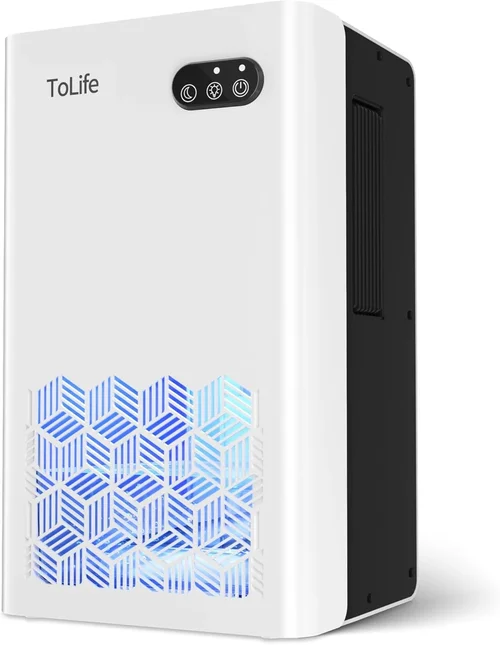
If you’ve ever walked into a basement that smells like a damp towel left in a gym bag for a week, you already know how crucial a good dehumidifier can be. Whether you’re dealing with musty odors, peeling paint, warped wood, or allergy flare-ups from mold and dust mites, excess moisture in your home isn’t just uncomfortable—it’s a health and structural hazard. For spaces around 600 square feet—a common size for basements, single-story apartments, or small to medium-sized living areas—choosing the right dehumidifier is a balancing act between performance, efficiency, noise level, and long-term reliability.
This comprehensive buying guide is designed to cut through the noise and help you make a confident, informed decision. Whether you’re a first-time buyer or upgrading from an older unit, you’ll learn exactly what to look for, which features truly matter, and how to avoid common pitfalls. We’ll break down technical specs in plain English, compare real-world performance across different models, and offer expert-backed recommendations tailored to your needs and budget. By the end of this guide, you won’t just know which dehumidifier to buy—you’ll understand why it’s the best fit for your space.
The market for dehumidifiers has evolved significantly over the past few years. Gone are the days when bulky, inefficient units were your only option. Today’s models are smarter, quieter, more energy-efficient, and packed with features like auto-humidistats, continuous drainage, and even Wi-Fi connectivity. However, with so many options flooding the market—from budget-friendly units under $150 to high-end systems exceeding $500—it’s easy to feel overwhelmed. This guide cuts through the marketing hype and focuses on what actually matters for a 600-square-foot area: effective moisture removal, durability, ease of use, and value for money.

What to Look for When Buying Buying Guide
1. Moisture Removal Capacity (Pints per Day)
The single most important specification when choosing a dehumidifier is its moisture removal capacity, measured in pints per day (PPD). For a 600-square-foot space, you’ll generally want a unit rated between 30 and 50 pints per day, depending on humidity levels and climate. Light dampness (like a slightly humid basement) may only require a 30-pint model, while moderate to heavy moisture—common in flood-prone areas or homes with poor ventilation—calls for a 40- to 50-pint unit.
Why does this matter? A dehumidifier that’s too small will run constantly, struggle to keep up, and wear out faster. One that’s too large may cycle on and off too frequently, wasting energy and failing to maintain consistent humidity levels. The ideal unit should maintain relative humidity between 30% and 50%, which is the sweet spot for comfort and mold prevention.
Look for the AHAM (Association of Home Appliance Manufacturers) certification on the label. AHAM-tested units provide standardized performance data under controlled conditions, so you can compare apples to apples. For example, a 30-pint AHAM-rated dehumidifier removes 30 pints of moisture per day at 60% relative humidity and 80°F—conditions typical of many homes.
2. Energy Efficiency (Energy Star Rating)
Dehumidifiers can be energy hogs, especially if they run for 8–12 hours a day. That’s why energy efficiency isn’t just about saving the planet—it’s about saving money on your utility bill. Look for models with the Energy Star certification. These units use up to 15% less energy than standard models, which can translate to $20–$50 in annual savings depending on usage and local electricity rates.
Energy efficiency is measured by the Integrated Energy Factor (IEF), expressed in liters of water removed per kilowatt-hour (L/kWh). Higher IEF values mean better efficiency. For example, an Energy Star-certified 50-pint dehumidifier typically has an IEF of 1.8 or higher, while non-certified models may fall below 1.5.
Also consider the wattage of the unit. A 50-pint dehumidifier usually draws between 500 and 700 watts. If you’re running it continuously, that’s a significant load. Some newer models use inverter compressors or variable-speed fans to adjust power usage based on humidity levels, further improving efficiency.
3. Tank Size & Drainage Options
Every dehumidifier collects water in an internal tank. For a 600-square-foot space, a tank size of 10 to 16 pints is typical. However, tank size directly affects how often you’ll need to empty it. A 10-pint tank may need emptying twice a day in high-humidity conditions, while a 16-pint tank might last 24 hours or more.
Emptying the tank manually is a chore—especially if you’re not home during the day. That’s why drainage options are critical. Most mid- to high-end models offer a continuous drainage port, allowing you to attach a standard garden hose and route water to a floor drain, sump pump, or outside. This is a game-changer for basements or unattended spaces.
Some units also include a built-in pump (often called “pump-assisted drainage”), which can push water vertically—up to 15 feet—making it possible to drain into a sink or utility tub on an upper floor. This feature is especially useful in finished basements without floor drains.
4. Noise Level (Decibel Rating)
Dehumidifiers aren’t silent. They use compressors and fans, which generate noise. For a 600-square-foot living space—especially if it’s a bedroom, home office, or family room—noise can be a dealbreaker. Look for models with a noise level below 50 decibels (dB). For reference, 50 dB is about as loud as a quiet conversation or a refrigerator humming.
Most manufacturers list noise levels in their specifications, but real-world performance can vary. Some units are quieter at lower fan speeds but get noticeably louder when running at full capacity. If noise is a top concern, consider models with “quiet mode” or “sleep mode” settings that reduce fan speed and compressor activity.
Also pay attention to the type of compressor. Inverter compressors tend to be quieter and more efficient than traditional on/off compressors because they ramp up gradually instead of cycling abruptly.
5. Humidity Control & Sensors
A dehumidifier without precise humidity control is like a car without a speedometer—you’re driving blind. Look for models with a built-in hygrometer (humidity sensor) and digital humidistat that lets you set your desired humidity level (e.g., 45%). The unit will then automatically turn on and off to maintain that level.
Avoid units that only have “low,” “medium,” and “high” settings—these are imprecise and can lead to over-drying or under-drying. A digital display showing current humidity is a huge plus, especially if you’re monitoring for mold or allergen control.
Some advanced models include auto-defrost functionality, which prevents ice buildup on the coils in cold environments (below 65°F). This is essential if you’re using the dehumidifier in an unheated basement or garage during winter.
6. Build Quality & Durability
A dehumidifier is a long-term investment. You don’t want to replace it every two years. Build quality matters—especially in humid environments where corrosion and mold can degrade components over time.
Look for units with rust-resistant coatings on the coils and stainless steel or reinforced plastic housings. The compressor should be housed in a sturdy casing, and the fan blades should be balanced to reduce wear.
Check the warranty: a 2-year warranty is standard, but some premium brands offer 3 to 5 years. Longer warranties often indicate confidence in the product’s durability. Also, avoid models with flimsy water tanks or poorly sealed gaskets—these can crack or leak over time.
7. Portability & Design
Even though it’s stationary most of the time, you’ll want to move your dehumidifier occasionally—for cleaning, seasonal storage, or relocating it to a different room. Look for models with integrated handles and swivel casters (wheels that turn 360 degrees). Four wheels are better than two for stability.
Weight matters too. A 50-pint dehumidifier typically weighs 40 to 60 pounds. If you’re moving it up and down stairs, lighter is better—but don’t sacrifice performance for portability.
Design also affects usability. A top-mounted control panel is easier to read than one on the front. A removable, dishwasher-safe water tank makes cleaning simpler. And a cord wrap or storage compartment keeps things tidy.
8. Smart Features & Connectivity
Modern dehumidifiers are getting smarter. Some models now offer Wi-Fi connectivity via apps like Google Home, Amazon Alexa, or proprietary apps. This lets you monitor humidity levels, adjust settings, and receive alerts (like a full tank or filter change) from your phone.
Other smart features include:
– Auto-restart after a power outage
– Filter change indicator
– Timer functions (e.g., run for 2, 4, or 8 hours)
– Remote sensors that detect humidity in another room
While not essential, these features add convenience—especially if you’re away from home often or managing multiple properties.
Different Types of Buying Guide
For a 600-square-foot space, compressor dehumidifiers are the most practical choice. They offer the best balance of performance, efficiency, and price. Desiccant models are better suited for cold environments, while whole-house systems are overkill unless you’re integrating with HVAC. Mini and Peltier units lack the capacity for anything beyond a closet or small bathroom.
Common Buying Mistakes to Avoid
❌ Mistake: Buying Based on Square Footage Alone
Why it’s bad: Square footage is only one factor. A 600-square-foot basement in Florida with high humidity needs a much more powerful unit than a 600-square-foot basement in Arizona. Ignoring climate, ventilation, and moisture sources leads to underpowered or oversized units.
What to do instead: Assess your humidity level with a hygrometer. If it’s above 60%, opt for a higher-capacity model (40–50 pints). Also consider whether the space has poor airflow, water intrusion, or frequent use (like a home gym).
❌ Mistake: Ignoring Drainage Options
Why it’s bad: A unit with only a manual tank requires daily emptying—especially in humid conditions. This is inconvenient and can lead to neglect, causing overflows or mold growth.
What to do instead: Choose a model with continuous drainage or a built-in pump. Even if you don’t use it immediately, having the option saves hassle later.
❌ Mistake: Overlooking Energy Efficiency
Why it’s bad: A cheap, inefficient dehumidifier can cost more in electricity over time than a pricier, Energy Star model. Running a 700-watt unit for 10 hours a day at $0.15/kWh adds up to over $300 per year.
What to do instead: Calculate annual operating costs using the wattage and local electricity rates. Prioritize Energy Star models with high IEF ratings.
❌ Mistake: Choosing the Cheapest Option
Why it’s bad: Budget dehumidifiers often use inferior components, lack essential features, and fail within 1–2 years. You end up spending more on replacements.
What to do instead: Aim for the mid-range ($200–$350). These models offer the best value—good performance, durability, and features without premium pricing.
❌ Mistake: Not Checking Warranty & Support
Why it’s bad: A short or limited warranty suggests the manufacturer doesn’t stand behind the product. Repair costs can exceed the price of a new unit.
What to do instead: Choose brands with at least a 2-year warranty and accessible customer support. Read reviews about repair experiences.
❌ Mistake: Forgetting About Noise
Why it’s bad: A loud dehumidifier can disrupt sleep, work, or relaxation—especially in open-plan spaces.
What to do instead: Check decibel ratings and look for “quiet mode” options. Test the unit in-store if possible.
❌ Mistake: Not Considering Maintenance
Why it’s bad: Filters get clogged, coils collect dust, and tanks grow mold. Neglecting maintenance reduces efficiency and lifespan.
What to do instead: Choose models with washable filters and easy-access tanks. Set a reminder to clean the unit every 1–2 months.
Budget Guidelines: How Much Should You Spend?
– Entry-Level ($100–$180): Basic 30-pint models with manual tanks, limited humidity control, and no drainage port. Best for light dampness in dry climates. Expect shorter lifespans and higher energy use.
– Mid-Range ($180–$350): The sweet spot for most buyers. 40- to 50-pint units with digital humidistats, continuous drainage, auto-defrost, and Energy Star ratings. Reliable, efficient, and durable.
– Premium ($350–$500): High-end models with inverter compressors, Wi-Fi connectivity, pump-assisted drainage, and advanced sensors. Ideal for large basements, rental properties, or tech-savvy users.
– Luxury ($500+): Whole-house or commercial-grade systems. Overkill for 600 square feet unless integrated with HVAC or used in extreme conditions.
For most 600-square-foot spaces, the mid-range tier offers the best balance of performance, features, and longevity.

Expert Tips for Getting the Best Deal
– Buy in Spring or Early Summer: Dehumidifier sales peak before the humid season. Retailers often discount older models to clear inventory.
– Shop Online for Better Selection: Amazon, Home Depot, and Lowe’s offer detailed specs, user reviews, and frequent discounts. In-store options are limited.
– Check for Rebates: Some utility companies offer rebates for Energy Star appliances. Search your provider’s website.
– Read Real User Reviews: Look for patterns—repeated complaints about noise, leaks, or compressor failure are red flags.
– Test Before Committing: If buying in-store, ask to see the unit powered on. Listen for noise and check the control panel.
– Understand Return Policies: Ensure you can return the unit if it doesn’t perform as expected. Some retailers charge restocking fees.
– Consider Refurbished Models: Certified refurbished units from reputable sellers often come with warranties and cost 20–30% less.
– Don’t Skip the Manual: Proper setup (like placing it away from walls) maximizes efficiency and lifespan.
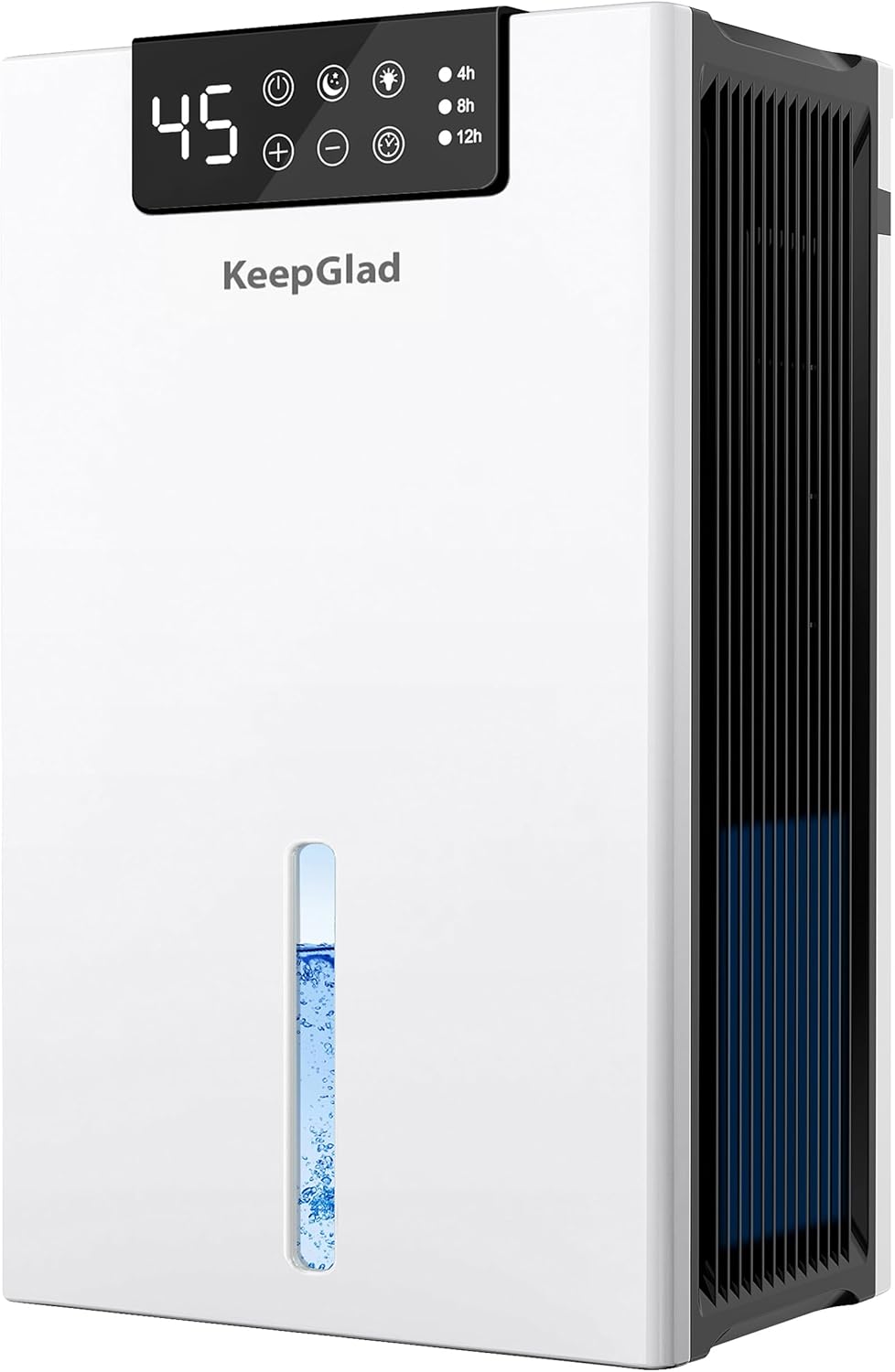
Frequently Asked Questions
Q: How often should I run my dehumidifier?
A: Run it continuously during humid months or set it to maintain 40–50% humidity. In drier seasons, use it only when needed.
Q: Can I use a dehumidifier in winter?
A: Yes, but only if the temperature stays above 60°F. Below that, ice can form on the coils. Use a desiccant model or one with auto-defrost.
Q: Will a dehumidifier help with allergies?
A: Yes. By reducing humidity, it inhibits mold, dust mites, and mildew—common allergens.
Q: How do I clean my dehumidifier?
A: Unplug it, remove and wash the tank with soap and water, clean the filter with a vacuum or brush, and wipe the coils gently.
Q: Can I place my dehumidifier anywhere?
A: No. Keep it at least 6–12 inches from walls and furniture for proper airflow. Avoid carpeted areas if possible.
Q: What’s the ideal humidity level?
A: 30–50% is ideal. Below 30% can dry out skin and wood; above 50% promotes mold.
Q: Do I need a dehumidifier if I have air conditioning?
A: Possibly. AC removes some moisture, but not enough in very humid climates or poorly insulated spaces.
Q: How long do dehumidifiers last?
A: 5–10 years with proper maintenance. Compressor failure is the most common end-of-life issue.
Q: Can I use a dehumidifier in a crawlspace?
A: Yes, but choose a model rated for low temperatures and consider a condensate pump for drainage.
Q: Are smart dehumidifiers worth it?
A: Only if you value remote monitoring and alerts. For most users, basic models are sufficient.
Our Final Recommendations
– Best for Budget-Conscious Buyers: Frigidaire FFAD7033R1 – A 70-pint Energy Star model (overkill for 600 sq ft but excellent value at ~$250). Includes continuous drainage and digital controls.
– Best Overall Value: hOmeLabs 50 Pint Dehumidifier – Reliable, efficient, and feature-rich. Perfect for 600 sq ft with auto-humidistat, pump option, and quiet operation.
– Best Premium Option: GE APER50LZ – Wi-Fi enabled, inverter compressor, and sleek design. Ideal for tech lovers and large basements.
– Best for Beginners: TOSOT 30 Pint Dehumidifier – Simple controls, easy maintenance, and compact size. Great for first-time users.
– Best for Advanced Users: AprilAire E080 – Whole-house capable with remote monitoring. Overkill for 600 sq ft but unmatched control.
Conclusion: Making the Right Choice
Choosing the best dehumidifier for a 600-square-foot space isn’t about finding the most powerful or most expensive model—it’s about matching the right combination of capacity, efficiency, features, and durability to your specific needs. Whether you’re battling basement dampness, protecting your home from mold, or simply improving indoor air quality, the right dehumidifier can make a dramatic difference in comfort and health.
Remember to prioritize moisture removal capacity, energy efficiency, and drainage options. Avoid common pitfalls like overspending on unnecessary smart features or undersizing for your climate. And always consider long-term costs—not just the purchase price, but electricity use, maintenance, and lifespan.
With the insights from this guide, you’re equipped to make a smart, confident decision. Take your time, compare models, and don’t hesitate to invest in quality. Your home—and your lungs—will thank you.