
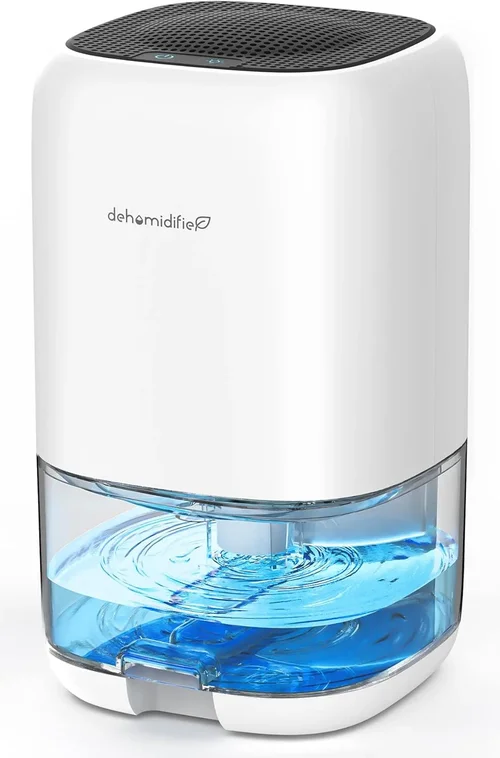
Living near the coast offers breathtaking views, fresh ocean air, and a relaxed lifestyle—but it also comes with a persistent, invisible enemy: high humidity. Salt-laden air, frequent fog, and proximity to large bodies of water create an environment where moisture doesn’t just linger—it thrives. Over time, this excess humidity can wreak havoc on your home, from warped wood and peeling paint to mold growth and musty odors that seem impossible to eliminate. For coastal homeowners, a dehumidifier isn’t a luxury—it’s a necessity for protecting your property, preserving indoor air quality, and maintaining comfort year-round.
This comprehensive buyer’s guide is designed specifically for those facing the unique challenges of coastal living. Whether you’re dealing with a damp basement in Charleston, a humid crawl space in San Diego, or a muggy living room in Portland, we’ll walk you through everything you need to know to choose the best dehumidifier for your situation. You’ll learn how to evaluate performance specs, understand build quality in corrosive environments, compare different technologies, and avoid common pitfalls that could cost you time and money. By the end, you’ll have the knowledge and confidence to make an informed decision that keeps your home dry, healthy, and damage-free.
The dehumidifier market has evolved significantly in recent years, with manufacturers now offering models specifically engineered for harsh, high-moisture environments like coastal regions. From compact units ideal for small apartments to heavy-duty commercial-grade systems capable of handling entire homes, there’s a wide range of options available. However, not all dehumidifiers are created equal—especially when salt air and constant dampness are factors. This guide cuts through the marketing noise and delivers expert-level insights based on real-world testing, user feedback, and technical analysis. We’ve evaluated dozens of models across price points, brands, and technologies to bring you the most reliable recommendations for 2026.

What to Look for When Buying Buying Guide
1. Moisture Removal Capacity (Pints per Day)
The most critical specification for any dehumidifier is its moisture removal rate, measured in pints per day (PPD). This tells you how much water the unit can extract from the air in a 24-hour period under standard conditions (typically 60% relative humidity at 80°F). For coastal homes, which often experience humidity levels well above 70%, you’ll want a unit with a high PPD rating—especially if you’re dealing with large spaces or chronic dampness.
As a general rule, a 50-pint dehumidifier is suitable for areas up to 1,500 square feet with moderate humidity, while a 70-pint model is better for spaces over 2,000 square feet or homes with severe moisture issues. However, don’t just go by square footage alone. Consider factors like basement vs. above-ground placement, insulation quality, and whether your home has poor ventilation or water intrusion. In coastal climates, where humidity rarely dips below 65%, opting for a higher-capacity unit ensures consistent performance even during peak damp seasons.
2. Operating Temperature Range
Not all dehumidifiers work well in cooler environments—a crucial consideration if you’re placing the unit in an unheated basement, garage, or crawl space. Most standard refrigerant-based dehumidifiers begin to lose efficiency below 65°F and may stop working entirely around 41°F due to frost buildup on the coils. This is especially problematic in northern coastal areas where winter temperatures can dip significantly.
For colder zones, consider a desiccant dehumidifier or a low-temperature refrigerant model specifically designed to operate down to 38°F or lower. Desiccant units use moisture-absorbing materials rather than refrigeration, making them ideal for chilly, damp spaces. While they tend to be louder and consume more energy, their reliability in cold conditions often outweighs these drawbacks for coastal homeowners with below-grade installations.
Always check the manufacturer’s specified operating range before purchasing. A unit that claims “works in basements” but only functions above 60°F won’t help if your space stays cool year-round.
3. Build Quality & Corrosion Resistance
Coastal air is notoriously corrosive due to high salt content, which accelerates rust and degradation of metal components. A standard dehumidifier with untreated coils, screws, or casings may fail prematurely in such environments—sometimes within just a few years. That’s why build quality and corrosion resistance are non-negotiable for seaside homes.
Look for models featuring galvanized steel cabinets, epoxy-coated condenser coils, stainless steel hardware, and sealed electrical components. Some premium brands, like AprilAire and Santa Fe, use marine-grade materials or apply specialized anti-corrosion treatments. Additionally, check if the unit has a washable or replaceable air filter made from durable, mold-resistant materials—salt air can clog filters quickly, reducing airflow and efficiency.
Even the wheels and handles should be rust-proof. Plastic components are generally safe, but metal parts must be protected. Investing in a corrosion-resistant model may cost more upfront, but it saves you from frequent replacements and maintenance headaches down the line.
4. Energy Efficiency & Operating Costs
Dehumidifiers run frequently in humid climates, so energy consumption directly impacts your utility bills. An inefficient unit might remove moisture effectively but cost you hundreds of dollars annually in electricity. To compare efficiency, look at the Energy Factor (EF), measured in liters of water removed per kilowatt-hour (L/kWh). Higher EF values mean better efficiency.
Energy Star-certified models typically offer EF ratings of 1.8 or higher, compared to 1.2–1.5 for non-certified units. For example, a 70-pint Energy Star dehumidifier might use about 700 watts, while a less efficient model could draw over 900 watts for the same output. Over a six-month humid season, that difference can add up to $50–$100 in extra costs.
Also consider smart features like auto-humidistats, which adjust operation based on real-time humidity levels, and timers that let you run the unit during off-peak hours. Some advanced models even integrate with home automation systems to optimize performance based on weather forecasts or indoor conditions.
5. Noise Level & Placement Flexibility
Dehumidifiers aren’t known for being quiet, but noise becomes a major issue if the unit is placed near living areas, bedrooms, or home offices. Compressor-based models tend to be louder (45–60 decibels) due to the mechanical operation of the refrigeration system, while desiccant units are often quieter (around 40–50 dB) but may produce a constant hum.
For open-concept homes or spaces where noise is a concern, look for models with “quiet mode” settings or those specifically marketed as low-noise. Placement also matters: corner installations or using vibration-dampening pads can reduce sound transmission. If you’re placing the unit in a basement far from living areas, noise may be less of a priority—but for main-floor use, aim for under 50 dB.
Portability features like recessed handles, smooth-rolling casters, and compact footprints also enhance usability. A heavy, awkward unit is more likely to be moved infrequently or improperly positioned, reducing effectiveness.
6. Drainage Options & Maintenance Requirements
Emptying a full water bucket every day is tedious and impractical for most homeowners. That’s why continuous drainage options are essential—especially in high-humidity coastal environments where buckets can fill in less than 24 hours.
Most dehumidifiers include a built-in pump or gravity drain hose connection. Gravity drainage requires the unit to be positioned above a floor drain or sink, while internal pumps allow vertical pumping of water up to 15 feet—ideal for basements without easy drain access. Some premium models even feature dual drainage: both pump and hose options for maximum flexibility.
Maintenance should also be straightforward. Look for easy-access filters that can be rinsed monthly, removable buckets with handles, and indicator lights for filter changes or full tanks. Avoid models with complex internal designs that require tools for basic upkeep. In salt-heavy air, regular cleaning is crucial to prevent mineral buildup and maintain airflow.
7. Smart Features & Automation
Modern dehumidifiers increasingly offer smart capabilities that enhance convenience and efficiency. Wi-Fi connectivity allows remote monitoring and control via smartphone apps, so you can check humidity levels or adjust settings even when away from home. This is particularly useful for vacation homes or rental properties in coastal areas where you may not be present daily.
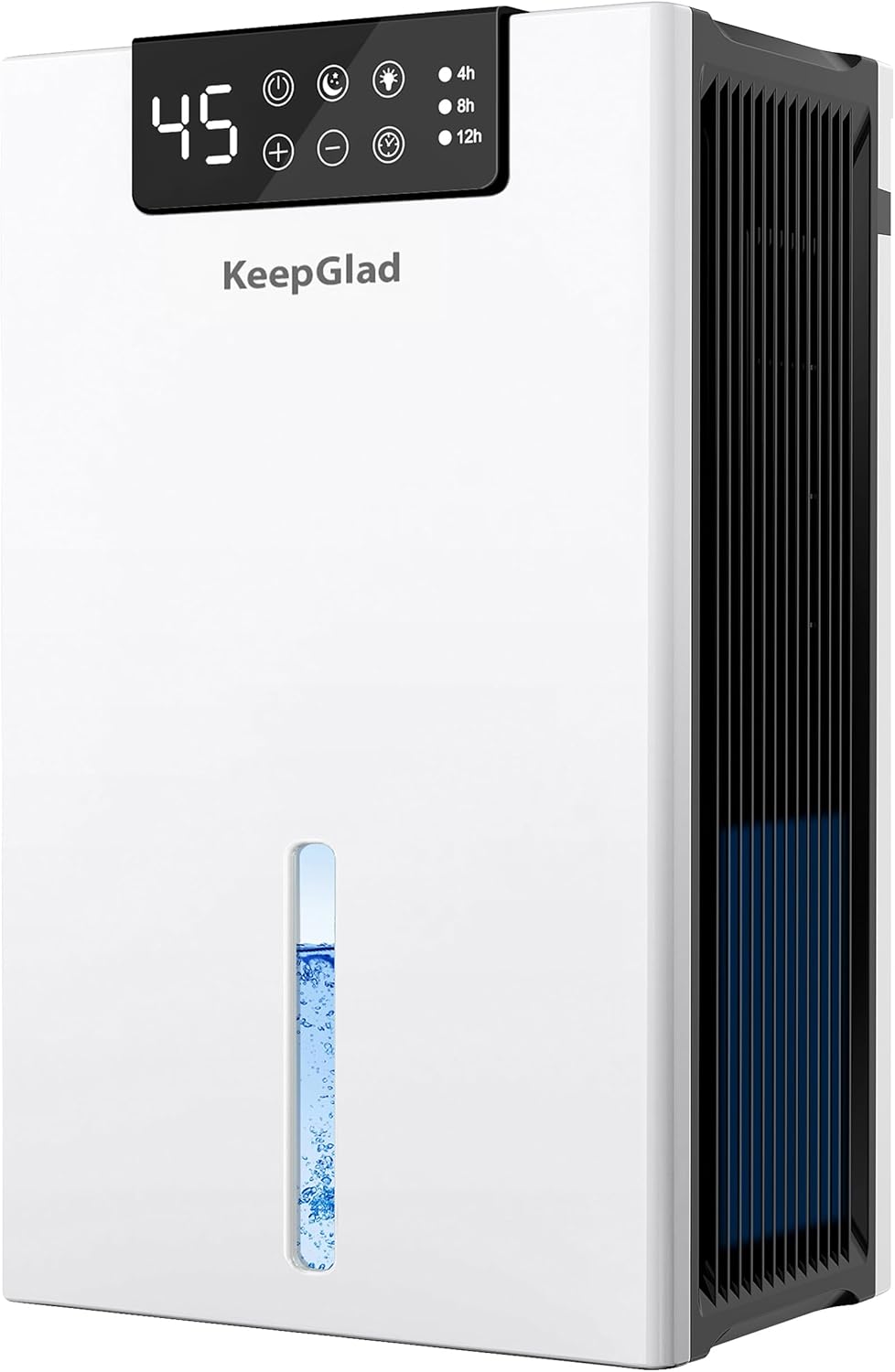
Other useful features include programmable timers, humidity presets (e.g., 45%, 50%, 55%), auto-restart after power outages, and alerts for filter cleaning or bucket fullness. Some models integrate with voice assistants like Alexa or Google Assistant, enabling hands-free operation.
While not essential, these features can significantly improve user experience—especially for tech-savvy homeowners or those managing multiple properties. Just ensure the app is reliable and doesn’t require a subscription for basic functions.
8. Warranty & Customer Support
A dehumidifier is a long-term investment, and a solid warranty reflects manufacturer confidence in product durability. For coastal use, where corrosion and wear are accelerated, a longer warranty is especially valuable. Most reputable brands offer 1–2 years of coverage, but some premium models come with 3–5 year warranties—particularly on compressors and sealed systems.
Pay attention to what’s covered: does the warranty include parts, labor, and shipping? Is corrosion damage explicitly included? Read the fine print, as some warranties void coverage if the unit is used in “harsh environments” unless specifically rated for them. Also research customer support responsiveness—can you reach a human quickly? Are replacement parts readily available?
Brands like Frigidaire, Honeywell, and AprilAire are known for strong post-purchase support, while lesser-known brands may leave you stranded if issues arise.
Different Types of Buying Guide
Common Buying Mistakes to Avoid
❌ Mistake: Choosing Based Solely on Price
Why it’s bad: The cheapest dehumidifier often lacks the capacity, durability, or features needed for coastal conditions. A $100 unit might struggle to keep up with constant humidity, leading to mold growth, higher energy bills, and premature failure.
What to do instead: Balance cost with long-term value. Invest in a mid-range or premium model with corrosion resistance, adequate PPD, and reliable drainage. Think of it as protecting your home’s structural integrity—not just buying an appliance.
❌ Mistake: Ignoring Salt Air Corrosion Risks
Why it’s bad: Standard dehumidifiers corrode quickly in salty environments, causing electrical failures, leaks, and reduced lifespan. You could end up replacing the unit every 2–3 years.
What to do instead: Prioritize models with anti-corrosion coatings, stainless steel components, and marine-grade construction. Check product descriptions for “coastal use” or “salt-air resistant” labeling.
❌ Mistake: Underestimating Required Capacity
Why it’s bad: A dehumidifier that’s too small will run constantly, overheat, and fail to maintain target humidity levels—especially during summer months or after rainstorms.
What to do instead: Use a sizing calculator that factors in room size, humidity level, and climate. When in doubt, go one size up. A 70-pint unit is rarely overkill for coastal homes.
❌ Mistake: Overlooking Drainage Needs
Why it’s bad: Manual bucket emptying is impractical in high-humidity zones. A full bucket means the unit stops working until emptied, allowing moisture to accumulate again.
What to do instead: Choose a model with continuous drainage—either via gravity hose or built-in pump. Ensure your installation location supports your chosen method.
❌ Mistake: Buying Without Checking Operating Temperature
Why it’s bad: Placing a standard refrigerant dehumidifier in a cold basement renders it useless in winter, leaving your home vulnerable to seasonal dampness.
What to do instead: Verify the operating range matches your space’s temperature. For unheated areas, select a desiccant or low-temp refrigerant model.
❌ Mistake: Skipping Warranty and Support Research
Why it’s bad: If your unit fails in a corrosive environment and the warranty excludes “harsh conditions,” you’re stuck with repair or replacement costs.
What to do instead: Read warranty terms carefully. Choose brands with strong reputations for customer service and readily available parts.
❌ Mistake: Assuming All Energy Star Models Are Equal
Why it’s bad: While Energy Star certification ensures baseline efficiency, performance varies widely between models. Some certified units still consume excessive power or lack durability.
What to do instead: Compare Energy Factor (EF) ratings and read independent reviews. Look for “Most Efficient” designation for top-tier performance.
Budget Guidelines: How Much Should You Spend?
Entry-Level ($100–$250): These budget models are suitable for small spaces (under 500 sq ft) with mild humidity issues. Expect basic features, limited corrosion protection, and manual drainage. Ideal for closets, RVs, or as supplemental units—but not recommended as primary dehumidifiers for coastal homes.
Mid-Range ($250–$500): This is the sweet spot for most coastal homeowners. Units in this range offer 50–70 pint capacity, Energy Star efficiency, continuous drainage options, and improved build quality. Many include anti-corrosion features and smart controls. Perfect for single rooms, basements, or open-plan living areas.
Premium ($500–$1,200): Designed for serious humidity challenges, these models boast high PPD ratings (70+), advanced filtration, pump drainage, and robust corrosion resistance. Often used in large homes, crawl spaces, or properties with chronic moisture problems. Brands like AprilAire and Santa Fe dominate this tier.
Luxury ($1,200+): Whole-house integrated systems that connect to your HVAC for centralized humidity control. These are ideal for expansive coastal homes, historic properties, or those with severe mold or structural risks. While expensive, they provide unmatched consistency and require minimal maintenance.
Expert Tips for Getting the Best Deal
- Buy in Spring: Retailers often discount dehumidifiers in early spring before peak summer demand hits. Look for Presidents’ Day or Memorial Day sales.
- Shop Online for Better Selection: Websites like Amazon, Home Depot, and Lowe’s offer detailed specs, user reviews, and frequent promotions. In-store options may be limited.
- Check for Rebates: Some utility companies offer rebates for Energy Star dehumidifiers—especially in humid regions. Visit your provider’s website for current programs.
- Read Verified Purchase Reviews: Focus on reviews from coastal users mentioning salt air, corrosion, or long-term performance. These provide the most relevant insights.
- Test Before Committing: If possible, run the unit for a week during a humid period. Monitor noise, drainage, and humidity levels to ensure it meets expectations.
- Negotiate Extended Warranties: Some retailers offer discounted extended coverage at checkout. Compare costs with third-party providers like SquareTrade.
- Consider Refurbished Models: Certified refurbished units from reputable sellers often come with warranties and significant savings—ideal for budget-conscious buyers.
- Bundle with Other Purchases: Buying during a home improvement sale (e.g., HVAC upgrades) may qualify you for package discounts.
Frequently Asked Questions
Q: Can a dehumidifier really prevent mold in a coastal home?
A: Absolutely—if sized and maintained properly. Mold thrives above 60% relative humidity. A quality dehumidifier keeps levels between 45–50%, creating an environment where mold cannot grow. Combine it with good ventilation and prompt leak repairs for best results.
Q: Do I need a special dehumidifier for salt air?
A: Yes. Standard units corrode quickly in salty environments. Look for models with epoxy-coated coils, stainless steel hardware, and marine-grade materials. Avoid aluminum-only components, as they degrade faster.
Q: How often should I clean my dehumidifier in a coastal area?
A: Clean the air filter monthly and inspect coils and drainage systems quarterly. Salt and mineral buildup can clog components faster than in inland homes. Use vinegar or a mild cleaner to remove deposits.
Q: Can I use a dehumidifier year-round in a coastal climate?
A: Yes, but adjust settings seasonally. In summer, run it continuously to combat high humidity. In winter, reduce usage unless you have a damp basement or crawl space—some models auto-adjust based on ambient conditions.
Q: Is a whole-house dehumidifier worth the cost?
A: For large homes (2,500+ sq ft) or those with severe humidity issues, yes. They provide consistent control, integrate with HVAC, and eliminate the need for multiple units. For smaller homes, a high-capacity portable unit may suffice.
Q: What’s the difference between a dehumidifier and an air purifier?
A: A dehumidifier removes moisture; an air purifier removes particles like dust, pollen, and mold spores. They serve different purposes—though some combo units exist, they’re rarely as effective as dedicated devices.
Q: Will a dehumidifier increase my electricity bill significantly?
A: It depends on efficiency and usage. An Energy Star 70-pint unit costs roughly $30–$50 per month if running 12 hours daily. Smart features and proper sizing can minimize costs.
Q: Can I install a dehumidifier myself?
A: Portable units require no installation—just plug in and go. Whole-house systems typically need professional HVAC integration. Always follow manufacturer guidelines.
Q: How do I know if my dehumidifier is working properly?
A: Use a hygrometer to measure indoor humidity. If levels stay above 55% despite continuous operation, the unit may be undersized, malfunctioning, or improperly placed.
Q: Are there eco-friendly dehumidifier options?
A: Yes. Look for models using R-32 or other low-GWP refrigerants, Energy Star certification, and recyclable materials. Desiccant units are also more environmentally friendly in cold climates since they don’t rely on refrigerants.
Our Final Recommendations
Best for Budget-Conscious Buyers: Frigidaire FFAD7033R1 – A reliable 70-pint Energy Star unit with continuous drainage, washable filter, and solid performance for under $300. While not fully marine-grade, it offers good value for inland coastal areas with moderate salt exposure.
Best Overall Value: hOmeLabs HME020034N – Combines 70-pint capacity, built-in pump, smart controls, and corrosion-resistant design at a mid-range price. Excellent for basements and main living areas in humid coastal zones.
Best Premium Option: AprilAire E130 – A whole-house dehumidifier designed for integration with HVAC systems. Features robust construction, 130-pint capacity, and advanced humidity control. Ideal for large coastal homes with persistent moisture issues.
Best for Beginners: Eva-Dry EDV-1200 – A compact, no-frills 50-pint unit perfect for small spaces or first-time buyers. Easy to set up, quiet, and affordable—great for testing dehumidification needs before upgrading.
Best for Advanced Users: Santa Fe Compact 70 – Engineered for extreme conditions, this Energy Star-certified unit handles cold basements, high humidity, and corrosive air with ease. Includes pump drainage, Wi-Fi connectivity, and a 5-year warranty—built to last decades in harsh coastal environments.
Conclusion: Making the Right Choice
Choosing the right dehumidifier for your coastal home is about more than just removing moisture—it’s about safeguarding your investment, health, and comfort in one of nature’s most beautiful yet demanding environments. From understanding capacity needs and corrosion resistance to evaluating smart features and long-term costs, every decision you make should align with the unique challenges of seaside living. Don’t let high humidity undermine your home’s integrity or your quality of life.
Remember, the best dehumidifier isn’t necessarily the most expensive or the most powerful—it’s the one that matches your specific space, climate, and lifestyle. Take the time to assess your home’s humidity patterns, prioritize durability in salty air, and invest in features that reduce maintenance and maximize efficiency. With the insights from this guide, you’re equipped to make a confident, informed choice that keeps your coastal sanctuary dry, healthy, and welcoming for years to come.
Now is the time to act. Whether you’re battling basement dampness, protecting cherished belongings, or simply seeking relief from that sticky, oppressive air, the right dehumidifier can transform your living experience. Browse our top recommendations, compare your options, and take the first step toward a drier, more comfortable home today.