
[FEATURED_IMAGE_PLACEGOER]
Dealing with excess moisture in cold environments isn’t just about comfort—it’s a matter of health, safety, and long-term property preservation. Whether you’re managing humidity in an unheated basement during winter, maintaining a climate-controlled garage, or protecting sensitive equipment in a cold storage facility, choosing the right dehumidifier for cold temperatures can make all the difference. Standard dehumidifiers often struggle—or even shut down—when ambient temperatures drop below 65°F (18°C), leaving you with damp walls, musty odors, and the ever-present threat of mold and mildew. That’s why investing in a unit specifically engineered for low-temperature operation isn’t just smart—it’s essential.
This comprehensive buying guide is designed to cut through the noise and help you make an informed, confident decision. We’ll walk you through the critical factors that separate cold-weather dehumidifiers from their standard counterparts, explain how different technologies perform in chilly conditions, and highlight common pitfalls that even experienced buyers overlook. By the end of this guide, you’ll understand exactly what to look for, how much to budget, and which models deliver reliable performance when the mercury dips. Whether you’re a homeowner, property manager, or DIY enthusiast, this expert-level resource will equip you with the knowledge to choose a dehumidifier that works as hard as you do—even when it’s freezing outside.
The market for dehumidifiers has evolved significantly in recent years, with manufacturers now offering specialized units capable of operating efficiently in temperatures as low as 38°F (3°C) or even lower. However, not all “cold-climate” claims are created equal. Some units use basic compressor technology that falters in the cold, while others incorporate advanced defrost systems, low-temperature refrigerants, or hybrid designs that maintain performance across a wide thermal range. With so many options—and so much at stake—it’s easy to overspend on unnecessary features or end up with a unit that fails when you need it most. This guide demystifies the technical details, compares real-world performance, and delivers actionable advice tailored to your specific needs.
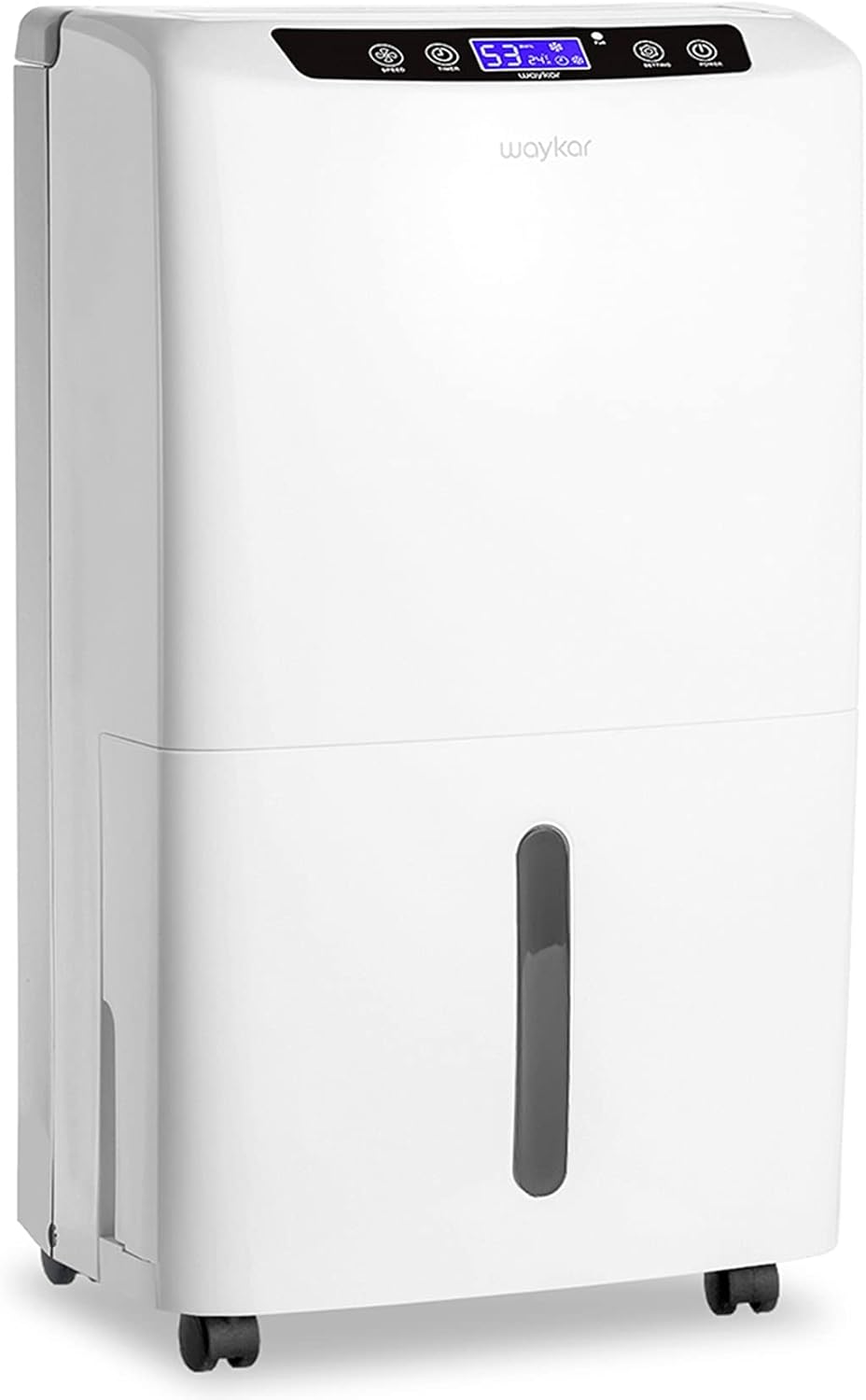
What to Look for When Buying a Dehumidifier for Cold Temperatures
1. Low-Temperature Operating Range
The single most important specification for a cold-weather dehumidifier is its minimum operating temperature. Most conventional dehumidifiers are rated to work down to around 65°F (18°C), but in unheated spaces like basements, garages, or crawl spaces during winter, temperatures can easily fall below 50°F (10°C)—and sometimes even into the 30s°F (-1 to 4°C). A true cold-climate dehumidifier should be capable of functioning reliably at 40°F (4°C) or lower. Look for models explicitly labeled as “low-temperature,” “cold-climate,” or “basement-rated” with clear specifications indicating performance down to at least 38°F (3°C).
Why does this matter? Because when the air gets cold, moisture condenses on cold surfaces—including the dehumidifier’s evaporator coils. If the unit isn’t designed to handle this, ice builds up, blocking airflow and eventually causing the compressor to overheat or shut down. Units built for cold environments use specialized components like hot-gas bypass defrost systems or low-temperature refrigerants (such as R-410A or R-32) that prevent freezing and maintain efficiency even in sub-50°F conditions.
2. Defrost Technology
Defrost capability is what separates a decent dehumidifier from a great one in cold climates. As mentioned, ice accumulation on evaporator coils is the Achilles’ heel of standard units in low temperatures. Advanced cold-weather dehumidifiers employ automatic defrost mechanisms that detect ice buildup and temporarily reverse the refrigeration cycle (or use electric heaters) to melt it without interrupting operation.
There are two main types: hot-gas defrost and electric defrost. Hot-gas defrost is more energy-efficient and common in premium models—it redirects hot refrigerant gas to warm the coils. Electric defrost uses heating elements and consumes more power but is simpler and often found in mid-range units. Either way, ensure the model you choose has automatic, sensor-driven defrost—not manual or time-based systems, which are unreliable and inefficient.
3. Moisture Removal Capacity (Pints per Day)
Dehumidifier capacity is measured in pints of moisture removed per day at standard conditions (80°F and 60% relative humidity). However, in cold environments, actual performance drops significantly—sometimes by 50% or more—because colder air holds less moisture. Therefore, you must look beyond the advertised “AHAM rating” and check the manufacturer’s performance data at lower temperatures.
For example, a 50-pint dehumidifier rated at 80°F might only remove 25–30 pints at 50°F. To compensate, many experts recommend oversizing your unit for cold spaces. A good rule of thumb: choose a model with at least 1.5x the capacity you’d need in a warm room. So if your space typically requires a 30-pint unit in summer, opt for a 50-pint cold-climate model for winter use. Always verify the “low-temp performance” chart in the product specs or user manual.
4. Energy Efficiency & Operating Cost
Running a dehumidifier 24/7 in a cold basement can spike your energy bill—especially if the unit isn’t optimized for low-temperature efficiency. Look for models with the ENERGY STAR® certification for dehumidifiers, which ensures they meet strict efficiency guidelines set by the U.S. Environmental Protection Agency. However, note that ENERGY STAR ratings are based on standard test conditions (80°F), so real-world efficiency in cold environments may vary.
Pay attention to the Energy Factor (EF), measured in liters of water removed per kilowatt-hour (L/kWh). Higher EF values mean better efficiency. Cold-climate units often have slightly lower EF ratings than their warm-weather counterparts due to the extra energy needed for defrost cycles, but top-tier models still achieve EF ratings above 1.5 L/kWh even at 50°F. Also consider units with variable-speed compressors or adaptive humidity controls that adjust output based on actual conditions, reducing unnecessary runtime.
5. Build Quality & Durability
Cold, damp environments are harsh on appliances. Metal components can corrode, seals can degrade, and electronics can fail prematurely if the unit isn’t built to withstand prolonged exposure to moisture and temperature swings. Look for dehumidifiers with rust-resistant coatings, sealed electrical compartments, and robust casings made from high-impact plastic or powder-coated steel.
Additionally, check the quality of internal components. Units with copper coils (instead of aluminum) tend to last longer and resist corrosion better. Sealed bearings in fans and motors reduce wear in dusty or damp conditions. If you’re using the dehumidifier in a garage or workshop, consider models with reinforced wheels and handles for easier mobility, as well as washable or replaceable air filters that won’t clog quickly in dirty environments.
6. Humidity Control & Smart Features
Precise humidity control is crucial for preventing mold growth and protecting belongings. Aim for a dehumidifier with a built-in hygrometer and adjustable humidity settings (typically between 30% and 80% RH). Digital displays with real-time humidity readings are far more accurate than analog dials. Some advanced models offer programmable timers, auto-restart after power outages, and even Wi-Fi connectivity for remote monitoring via smartphone apps.
For cold spaces, features like “continuous drain” mode are invaluable. Instead of relying on a small internal bucket that needs frequent emptying (a hassle in freezing conditions), you can connect a hose to drain water directly into a floor drain or sump pump. Look for models with built-in pumps (often called “pump-assisted drainage”) if your drain is located above the unit level—this eliminates the need for gravity drainage and allows flexible placement.
7. Noise Level
While noise may seem like a secondary concern, it becomes significant if your dehumidifier runs near living areas or bedrooms—even in basements directly below. Cold-climate dehumidifiers often run longer and more frequently than standard units, so a noisy motor or fan can be disruptive. Check the decibel (dB) rating; most residential models range from 45 dB to 60 dB. Anything below 50 dB is considered quiet (similar to a library), while 55+ dB approaches normal conversation volume.
Look for units with insulated compressor compartments, vibration-dampening mounts, and multi-speed fans that operate at lower speeds when full power isn’t needed. Some premium models even include “night mode” settings that reduce fan speed and mute indicator lights for undisturbed sleep.
8. Warranty & Customer Support
A dehumidifier operating in extreme conditions deserves strong backing. A longer warranty period—typically 2 to 5 years—signals manufacturer confidence in durability. Pay special attention to what’s covered: does the warranty include the compressor, defrost system, and electronic controls? Many budget units offer only 1-year coverage, which may not suffice for a device subjected to year-round cold exposure.
Equally important is customer support accessibility. Can you easily reach a technician? Are replacement parts available? Brands with dedicated cold-climate product lines (like AprilAire, Santa Fe, or Dri-Eaz) often provide better technical support and service networks than generic appliance makers. Read user reviews specifically mentioning post-purchase support—delayed repairs or unresponsive客服 can turn a good purchase into a frustrating ordeal.
Different Types of Dehumidifiers for Cold Temperatures

Common Buying Mistakes to Avoid
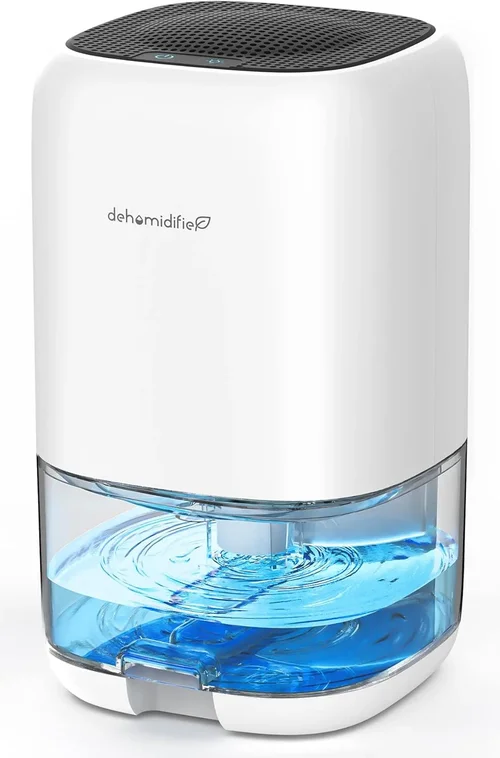
❌ Mistake: Buying a Standard Dehumidifier for Cold Spaces
Why it’s bad: Most off-the-shelf dehumidifiers are not designed to operate below 65°F. In cold environments, they ice up, lose efficiency, or shut down completely—leaving your space vulnerable to mold and structural damage.
What to do instead: Always verify the minimum operating temperature before purchasing. Look for explicit “cold-climate” or “low-temperature” labeling and check performance specs at 40–50°F.
❌ Mistake: Ignoring Defrost Capability
Why it’s bad: Without automatic defrost, ice buildup will clog the coils within hours in cold conditions, forcing the unit into protective shutdown and requiring manual intervention.
What to do instead: Prioritize models with hot-gas or electric defrost systems. Avoid units that rely solely on manual defrost or lack defrost features altogether.
❌ Mistake: Relying Solely on AHAM Ratings
Why it’s bad: AHAM (Association of Home Appliance Manufacturers) ratings are measured at 80°F and 60% RH—conditions rarely found in cold basements. A 70-pint AHAM-rated unit may perform like a 30-pint unit in winter.
What to do instead: Request or research the manufacturer’s low-temperature performance data. Use this to size your unit appropriately—oversizing is better than underperformance.
❌ Mistake: Overlooking Drainage Options
Why it’s bad: Emptying a water bucket in a freezing basement is inconvenient and risky (slipping on ice, exposure to cold). If the bucket overflows, it can cause water damage.
What to do instead: Choose a model with continuous drain capability. If your drain is elevated, invest in a unit with a built-in pump for hassle-free operation.
❌ Mistake: Choosing Based on Price Alone
Why it’s bad: Cheap dehumidifiers often use inferior components that fail quickly in harsh conditions, leading to higher long-term costs from replacements and repairs.
What to do instead: Balance upfront cost with durability, warranty, and energy efficiency. A $400 unit that lasts 5 years is better value than a $200 unit that fails in 18 months.
❌ Mistake: Neglecting Airflow and Placement
Why it’s bad: Dehumidifiers need adequate airflow to function. Placing them in corners, behind furniture, or near walls restricts intake and exhaust, reducing efficiency and increasing wear.
What to do instead: Position the unit at least 6–12 inches from walls and obstructions. Ensure vents are unobstructed and consider using a fan to circulate air in stagnant spaces.
❌ Mistake: Skipping Regular Maintenance
Why it’s bad: Dirty filters, clogged coils, and neglected drainage lines reduce performance and can lead to bacterial growth or mechanical failure—especially in damp, cold environments.
What to do instead: Clean the air filter monthly, inspect coils quarterly, and flush the drain line annually. Keep the unit elevated off concrete floors to prevent dust intake.
Budget Guidelines: How Much Should You Spend?
- Entry-Level ($150–$300): These are typically basic compressor units with limited low-temperature capability (down to 50–55°F). They may lack automatic defrost or continuous drain options. Best for occasional use in mildly cool spaces or as supplemental units. Expect shorter lifespans and higher noise levels.
- Mid-Range ($300–$500): This is the sweet spot for most homeowners. Units in this range offer reliable operation down to 40°F, include automatic defrost, digital humidity controls, and continuous drain hoses. Many are ENERGY STAR certified and come with 2–3 year warranties. Ideal for basements, garages, and crawl spaces.
- Premium ($500–$900): Designed for demanding applications, these models feature robust build quality, advanced defrost systems, pump-assisted drainage, and smart connectivity. They maintain high efficiency even at 38°F and often include corrosion-resistant components. Perfect for year-round use in extreme climates or commercial settings.
- Luxury ($900+): Top-tier whole-house or hybrid systems that integrate with HVAC or offer dual-technology (compressor + desiccant) operation. These provide unparalleled performance, ultra-quiet operation, and extensive smart features. Best for large properties, museums, or environments requiring precise climate control.

Expert Tips for Getting the Best Deal
- Buy in Spring or Early Summer: Retailers often discount dehumidifiers after the winter season to clear inventory. You’ll find the best deals between March and June, before humidity spikes drive demand back up.
- Shop Online for Better Selection: Websites like Amazon, Home Depot, and specialty HVAC retailers offer detailed specs, customer reviews, and price comparisons that in-store shopping can’t match. Plus, you can often find exclusive online discounts.
- Look for Bundled Offers: Some manufacturers bundle dehumidifiers with replacement filters, drain hoses, or extended warranties at a reduced price. These packages can save you 10–20% compared to buying items separately.
- Check for Rebates and Incentives: Many utility companies offer rebates for ENERGY STAR certified dehumidifiers—especially in regions with high humidity. Visit the ENERGY STAR rebate finder tool to see what’s available in your area.
- Read the Fine Print on Warranties: A “5-year warranty” might only cover the cabinet, not the compressor. Always verify what components are included and whether labor costs are covered during the warranty period.
- Test Before Committing (If Possible): If buying in-store, ask to see a demo unit running. Listen for excessive noise, check the display clarity, and inspect build quality. For online purchases, prioritize retailers with generous return policies (30+ days).
- Consider Refurbished or Open-Box Models: Certified refurbished units from reputable sellers often come with full warranties and can cost 20–40% less than new. Just ensure they’re from the manufacturer or authorized dealer.
- Negotiate with Local HVAC Pros: If you’re installing a whole-house system, local contractors may offer package deals that include equipment, installation, and maintenance at a bundled rate.

Frequently Asked Questions
Q: Can I use a regular dehumidifier in my cold basement?
A: Technically yes, but it’s not recommended. Most standard dehumidifiers shut down below 65°F due to ice buildup. Even if they run, their moisture removal capacity drops drastically, making them ineffective and potentially damaging to the unit over time.
Q: How low can cold-climate dehumidifiers really go?
A: High-quality models can operate efficiently down to 38°F (3°C), with some industrial-grade units working at 33°F (0.5°C). Always check the manufacturer’s published low-temperature performance chart—not just marketing claims.
Q: Do desiccant dehumidifiers work better in cold weather?
A: Yes, desiccant units don’t rely on refrigeration cycles, so they don’t ice up. They excel in very cold environments (<40°F) but are generally less energy-efficient and have lower moisture removal rates than compressor-based models in milder cold conditions.
Q: Should I get a dehumidifier with a built-in pump?
A: Absolutely, if your drain is above the unit level or you lack a floor drain. A built-in pump allows flexible placement and eliminates the need for gravity drainage, which is especially useful in basements with sump pits or elevated laundry sinks.
Q: How often should I run my dehumidifier in winter?
A: Run it continuously during cold, damp months—even if the space feels dry. Mold can grow at humidity levels above 60%, and cold air holds less moisture, making consistent operation key to prevention.
Q: Will a dehumidifier heat up my cold basement?
A: Slightly. All dehumidifiers release heat as a byproduct of operation, but it’s minimal—typically raising room temperature by 2–5°F. Don’t rely on it for heating, but it can help take the chill off a damp space.
Q: Can I leave my dehumidifier running unattended in winter?
A: Yes, as long as it has automatic defrost, continuous drain (or a large bucket), and auto-restart after power outages. Modern cold-climate units are designed for 24/7 operation with minimal supervision.
Q: What’s the ideal humidity level for a cold basement?
A: Aim for 30–50% relative humidity. Below 30%, you risk dry air and static electricity; above 50%, mold and mildew can thrive—even in cold temperatures.
Q: Are there dehumidifiers that work in freezing temperatures?
A: Yes, but only specialized desiccant or industrial-grade units. Most residential compressor-based models stop working below 38°F. For sub-freezing environments, consider portable desiccant units or consult an HVAC professional.
Q: How do I know if my dehumidifier is working properly in the cold?
A: Monitor the humidity reading on the display. If it’s holding steady at your setpoint and you’re not seeing ice on the coils or frequent shutdowns, it’s likely functioning correctly. Also check the drain output—consistent water flow indicates active dehumidification.
Our Final Recommendations
- Best for Budget-Conscious Buyers: Frigidaire FAD704DWD – Reliable 70-pint capacity, operates down to 41°F, includes continuous drain and auto-defrost. Priced under $350, it’s a solid entry into cold-climate dehumidification.
- Best Overall Value: hOmeLabs 50 Pint Dehumidifier – Combines strong low-temperature performance (down to 38°F), ENERGY STAR efficiency, built-in pump, and a 2-year warranty. Excellent balance of price, features, and durability.
- Best Premium Option: AprilAire E130 – A whole-home solution designed for basements and crawl spaces, operating efficiently from 40°F to 100°F. Features a corrosion-resistant coil, integrated condensate pump, and 5-year warranty. Ideal for serious moisture control.
- Best for Beginners: Eva-Dry EDV-1200 – Compact desiccant unit perfect for small cold spaces like RVs or closets. No compressor means quiet operation and reliable performance below 40°F. Easy plug-and-play setup.
- Best for Advanced Users: Dri-Eaz F500 – Industrial-grade portable dehumidifier with hybrid technology, capable of extreme moisture removal in sub-40°F environments. Used by restoration professionals, it’s overkill for most homes but unmatched in performance.
Conclusion: Making the Right Choice
Choosing the best dehumidifier for cold temperatures isn’t just about picking the most powerful or cheapest model—it’s about matching the right technology to your specific environment, needs, and budget. From understanding the critical role of defrost systems to recognizing the importance of low-temperature performance data, every detail matters when the mercury drops. Avoid the common pitfalls of oversizing based on AHAM ratings, ignoring drainage needs, or sacrificing build quality for a lower price tag.
Remember, a well-chosen cold-climate dehumidifier does more than remove moisture—it protects your health, preserves your property, and provides peace of mind through the harshest months of the year. Whether you’re safeguarding a family home, maintaining a rental property, or managing a commercial space, investing in the right unit pays dividends in comfort, safety, and long-term savings.
Take the time to assess your space, prioritize must-have features, and consult this guide whenever you need clarity. And when you’re ready to buy, use our expert tips to secure the best deal without compromising on quality. Your future self—and your basement—will thank you.