
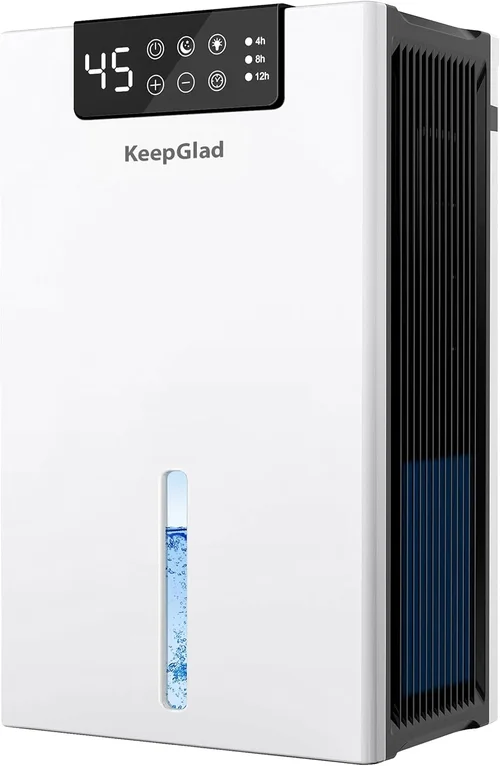
Maintaining optimal humidity levels in a greenhouse is one of the most critical—and often overlooked—aspects of successful plant cultivation. Whether you’re growing delicate orchids, robust tomatoes, or medicinal herbs, excess moisture in the air can quickly lead to mold, mildew, root rot, and fungal diseases that can devastate an entire crop. At the same time, too little humidity can stress plants, stunt growth, and reduce yields. This is where a high-quality dehumidifier becomes not just a luxury, but a necessity for serious growers.
In recent years, the market for greenhouse-specific dehumidifiers has expanded significantly. Manufacturers now offer units designed to handle the unique challenges of enclosed growing environments—high ambient humidity, fluctuating temperatures, and the need for consistent, energy-efficient operation over long periods. However, with so many options available, choosing the right dehumidifier can feel overwhelming. That’s why this comprehensive guide exists: to cut through the noise, clarify your options, and help you make a confident, informed decision based on your specific needs, budget, and greenhouse setup.
By the end of this guide, you’ll understand exactly what to look for in a greenhouse dehumidifier, how different types compare, common pitfalls to avoid, and which models deliver the best performance for your situation. We’ll break down technical specifications into plain language, offer real-world insights from experienced growers, and provide actionable advice to ensure you get the most value from your investment. Whether you run a small hobby greenhouse or manage a commercial operation, this guide will equip you with the knowledge to maintain a healthy, productive growing environment year-round.
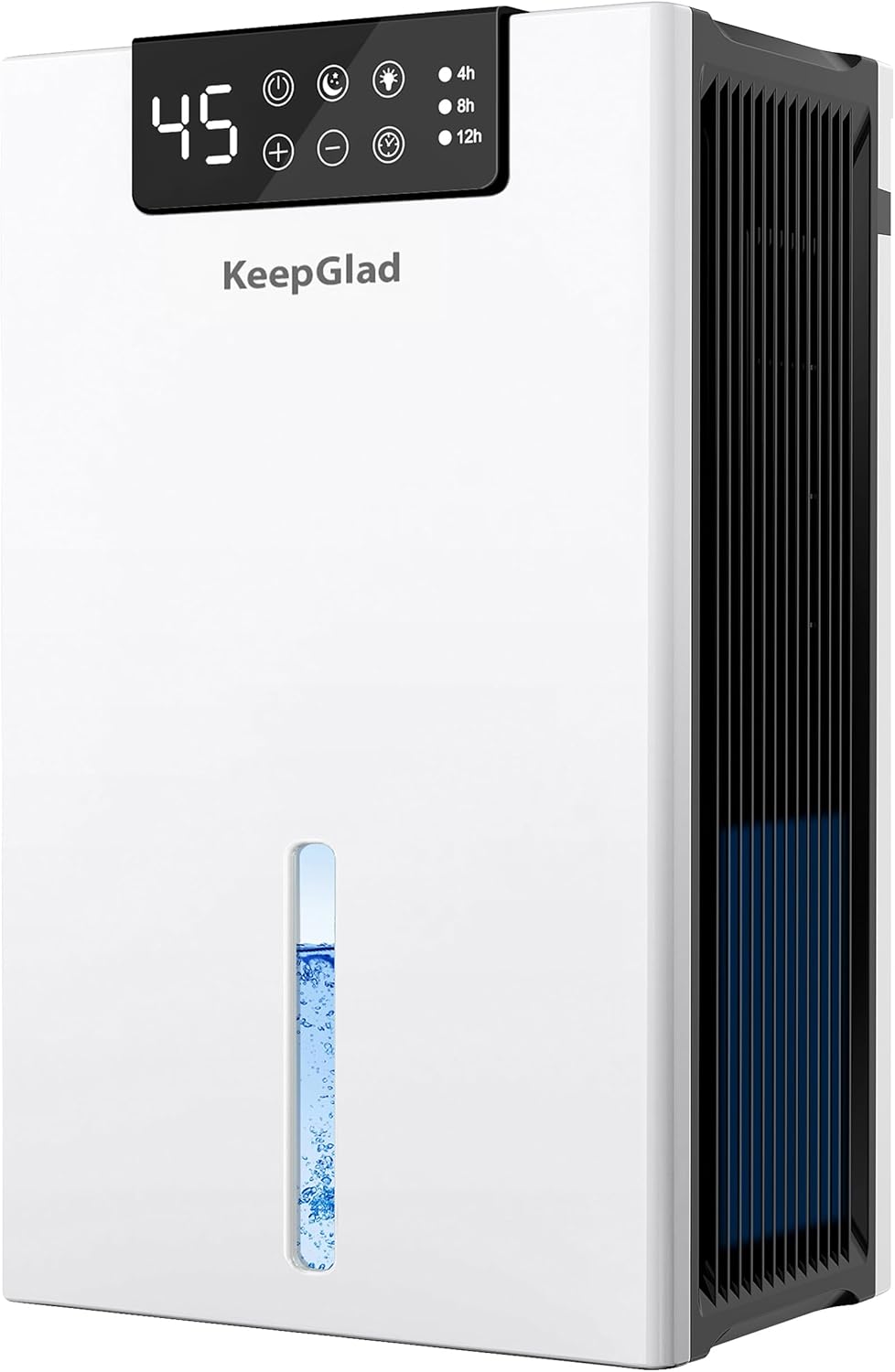
What to Look for When Buying Buying Guide
1. Moisture Removal Capacity (Pints per Day)
The most important specification when selecting a dehumidifier for your greenhouse is its moisture removal capacity, typically measured in pints per day (PPD). This tells you how much water vapor the unit can extract from the air within a 24-hour period under standard conditions (usually 80°F and 60% relative humidity). For greenhouses, which often experience much higher humidity levels—especially during watering cycles or in humid climates—you’ll need a unit with robust capacity.
As a general rule, calculate your greenhouse’s square footage and consider its climate zone. A small 10′ x 12′ hobby greenhouse may only require a 30–50 PPD unit, while a larger 20′ x 40′ commercial setup might need 70–100+ PPD. Keep in mind that plants release significant moisture through transpiration—tomatoes, for example, can release up to 1 gallon of water per plant per day during peak growth. If you’re growing dense crops or using misting systems, factor in additional moisture load. Always choose a dehumidifier rated for at least 20–30% more capacity than your estimated needs to account for peak conditions and ensure efficient operation.
2. Energy Efficiency & Operating Costs
Greenhouse dehumidifiers often run continuously or for extended periods, especially in humid regions or during rainy seasons. This means energy consumption can quickly become a major operating expense. Look for units with high energy efficiency ratings, ideally those certified by ENERGY STAR or similar programs. Efficiency is usually expressed as liters of water removed per kilowatt-hour (L/kWh) or pints per kilowatt-hour (pints/kWh).
For example, a highly efficient model might remove 3.5 liters of moisture using just 1 kWh of electricity, while a less efficient one might only manage 2.0 liters. Over time, this difference adds up. A mid-sized greenhouse running a dehumidifier 12 hours a day could see annual electricity costs range from $150 to $400 depending on efficiency and local utility rates. Additionally, consider models with variable-speed compressors or humidity-sensing auto modes that adjust output based on real-time conditions, reducing unnecessary runtime and saving energy.
3. Humidity Control Precision & Automation
Precise humidity control is essential for plant health. Most plants thrive within a narrow relative humidity (RH) range—typically between 50% and 70%, though some species have specific requirements. A good greenhouse dehumidifier should allow you to set and maintain a target RH level within ±5%. Look for units with built-in hygrometers and digital controls that enable automatic on/off cycling based on ambient humidity.
Advanced models may include programmable timers, remote monitoring via smartphone apps, or integration with environmental control systems (like those from Argus, Priva, or Autogrow). These features allow you to maintain consistent conditions even when you’re not physically present. For commercial growers, this level of automation can prevent costly crop losses due to humidity spikes during weekends or holidays. Avoid basic models that only offer manual on/off switches or fixed settings—they lack the responsiveness needed for dynamic greenhouse environments.
4. Durability & Environmental Resistance
Greenhouses are harsh environments for electronics. High humidity, temperature swings, dust, and exposure to fertilizers or pesticides can degrade components over time. Therefore, durability is non-negotiable. Look for dehumidifiers built with corrosion-resistant materials such as coated coils, stainless steel housings, or powder-coated finishes. Sealed electrical compartments and moisture-resistant circuit boards are also important.
Additionally, consider the unit’s operating temperature range. Many residential dehumidifiers shut down below 65°F, but greenhouses can drop to 50°F or lower at night, especially in winter. Commercial-grade units are designed to function efficiently in temperatures as low as 41°F, making them far more reliable for year-round use. Check the manufacturer’s specifications carefully—don’t assume a “heavy-duty” label means it’s suitable for greenhouse conditions unless explicitly stated.
5. Drainage Options & Maintenance Requirements
Continuous operation means continuous water collection. Most dehumidifiers come with a built-in bucket that needs manual emptying—a impractical solution for greenhouses where you may not check the unit daily. Instead, prioritize models with gravity drain hoses or built-in condensate pumps. A gravity drain allows you to route water directly to a floor drain, sump pit, or irrigation system, enabling fully automated operation.
For larger installations, a condensate pump is essential. These small devices automatically pump collected water vertically (up to 15 feet) and horizontally (up to 100 feet), giving you flexibility in placement. Maintenance is another key consideration. Filters should be easily accessible and washable, and coils should be designed for simple cleaning to prevent mold buildup. Some premium models include self-cleaning functions or alert systems when maintenance is due. Neglecting maintenance not only reduces efficiency but can also introduce contaminants into your growing space.
6. Noise Level & Placement Flexibility
While noise may seem like a minor concern, it becomes significant in smaller greenhouses or those located near living spaces. Residential dehumidifiers often produce 50–60 decibels (dB), comparable to a quiet conversation or background music. In a confined greenhouse, this can be distracting or disruptive, especially if you spend long hours working inside.
Commercial units tend to be louder (60–70 dB), but many are designed for remote placement in utility sheds or equipment rooms. If you plan to install the dehumidifier inside the greenhouse, look for models with sound-dampening features or low-noise compressors. Alternatively, consider placing the unit outside with ducting to move humid air in and dry air out—this requires a model with ducting ports and sufficient fan power. Always verify the unit’s CFM (cubic feet per minute) rating to ensure it can move air effectively through ducts without losing efficiency.
7. Size, Portability & Installation
Dehumidifiers vary widely in physical size and weight. Smaller units (under 50 lbs) are easier to move and reposition, which is useful for seasonal adjustments or cleaning. However, they often lack the capacity needed for larger greenhouses. Larger commercial models can weigh 100+ pounds and may require permanent installation.
Consider your available space and access points. Can the unit fit through doors or vents? Is there clearance for airflow around all sides? Most manufacturers recommend at least 6–12 inches of space around the unit for optimal performance. Wheels or handles can make a big difference in maneuverability. For permanent installations, ensure the unit is mounted securely and protected from direct water exposure (e.g., from overhead sprinklers).
8. Brand Reputation & Customer Support
Not all dehumidifier brands are created equal. Some specialize in residential appliances, while others focus on industrial or agricultural applications. For greenhouse use, prioritize brands with proven experience in horticulture or commercial dehumidification. Companies like Quest, AprilAire, Dri-Eaz, and EcoSeb have strong reputations for reliability and customer service in this niche.
Research user reviews on trusted platforms like Growers Network, Reddit’s r/hydroponics, or agricultural forums. Pay attention to comments about long-term durability, ease of repair, and responsiveness of customer support. A brand that offers readily available replacement parts and technical assistance can save you weeks of downtime if something goes wrong. Avoid unknown brands with vague specifications or no verifiable track record—your crops depend on consistent performance.
Different Types of Buying Guide

Common Buying Mistakes to Avoid
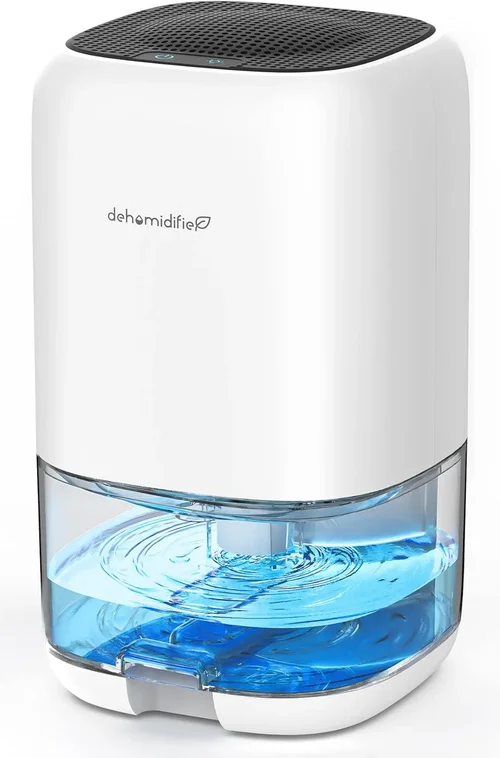
❌ Mistake: Buying a Residential Dehumidifier for a Greenhouse
Why it’s bad: Most residential dehumidifiers are not built to handle the high humidity loads, temperature fluctuations, or continuous runtime required in greenhouses. They often lack proper drainage options, shut off in cooler temperatures, and have shorter lifespans under agricultural conditions. Using one can lead to frequent breakdowns, mold growth inside the unit, and inconsistent humidity control.
What to do instead: Invest in a commercial-grade or horticulture-specific dehumidifier designed for 24/7 operation in high-moisture environments. These units feature reinforced components, better corrosion resistance, and advanced controls tailored for plant growth.
❌ Mistake: Ignoring Drainage Needs
Why it’s bad: A full water bucket can cause the dehumidifier to shut off, leaving your greenhouse vulnerable to humidity spikes. Manually emptying a bucket daily is impractical and easily forgotten, especially during busy growing seasons.
What to do instead: Choose a model with a continuous drain hose or condensate pump. Route the drain line to a floor drain, sump, or even back into your irrigation system (if permitted by local regulations). This ensures uninterrupted operation and reduces maintenance.
❌ Mistake: Overlooking Temperature Operating Range
Why it’s bad: Many dehumidifiers stop working below 65°F. In winter or unheated greenhouses, nighttime temperatures can drop significantly, rendering the unit useless when humidity control is still needed.
What to do instead: Select a unit rated for low-temperature operation (down to 41°F or lower). Desiccant dehumidifiers are ideal for cold environments, while some refrigerant models include defrost cycles to prevent coil freezing.
❌ Mistake: Underestimating Moisture Load
Why it’s bad: Choosing a dehumidifier with insufficient capacity leads to constant runtime, high energy bills, and failure to maintain target humidity levels. Plants will suffer from fungal diseases, poor transpiration, and stunted growth.
What to do instead: Calculate your total moisture input: number of plants × transpiration rate + watering frequency + ambient humidity. Add a 25–30% safety margin. When in doubt, go bigger—not smaller.
❌ Mistake: Neglecting Airflow and Placement
Why it’s bad: Placing a dehumidifier in a corner or behind obstacles restricts airflow, reducing efficiency and creating dead zones with high humidity. Poor placement can also lead to short-cycling or overheating.
What to do instead: Position the unit centrally with at least 12 inches of clearance on all sides. Use fans to circulate air if necessary. For large greenhouses, consider multiple units or ducted systems to ensure even coverage.
❌ Mistake: Skipping Regular Maintenance
Why it’s bad: Dirty filters and coils reduce efficiency, increase energy use, and can harbor mold or bacteria that spread into your growing space. Neglected units may fail prematurely.
What to do instead: Clean filters monthly, inspect coils quarterly, and wipe down the exterior regularly. Follow the manufacturer’s maintenance schedule and keep spare filters on hand.
❌ Mistake: Focusing Only on Upfront Cost
Why it’s bad: A cheaper unit may seem like a bargain, but if it’s inefficient, breaks often, or lacks essential features, it can cost more in the long run through repairs, replacements, and lost crops.
What to do instead: Consider total cost of ownership—including energy use, maintenance, and lifespan. A mid-range or premium model with better efficiency and durability often provides greater value over 5–10 years.
Budget Guidelines: How Much Should You Spend?
Greenhouse dehumidifiers span a wide price range, and your budget should align with your greenhouse size, crop value, and operational goals. Here’s a breakdown of what to expect at each tier:
- Entry-Level ($200 – $500): These are typically compact refrigerant dehumidifiers suited for small hobby greenhouses (under 400 sq ft). They offer basic humidity control, manual drainage, and limited durability. Ideal for beginners or seasonal use, but may struggle in high-humidity or cold conditions. Expect 20–40 PPD capacity and moderate energy efficiency.
- Mid-Range ($500 – $1,200): This is the sweet spot for most growers. Units in this range offer 50–80 PPD, digital humidity controls, continuous drain options, and improved build quality. Many include auto-defrost, washable filters, and ENERGY STAR certification. Perfect for medium-sized greenhouses (400–1,000 sq ft) and year-round cultivation.
- Premium ($1,200 – $3,000): Designed for serious hobbyists and small commercial operations, these models feature high-capacity removal (80–150 PPD), condensate pumps, remote monitoring, and robust construction. Often ductable and compatible with environmental controllers. Excellent for greenhouses up to 2,000 sq ft or those in challenging climates.
- Luxury ($3,000+): Reserved for large commercial greenhouses, research facilities, or high-value crop producers. These include industrial desiccant systems, whole-facility HVAC integration, and advanced automation. Capable of managing multiple zones, extreme humidity loads, and sub-40°F temperatures. Justified only when crop value and consistency are paramount.

Expert Tips for Getting the Best Deal
- Buy During Off-Season: Prices on dehumidifiers often drop in late fall and winter when demand is lowest. Stock up before spring planting season when prices rise and inventory shrinks.
- Shop Specialty Retailers: While big-box stores carry basic models, specialty suppliers like Hydrofarm, Growers Supply, or online horticulture retailers (e.g., HTG Supply, Amazon Business) often offer better selection, expert advice, and bundled deals.
- Look for Rebates and Incentives: Some utility companies offer rebates for ENERGY STAR-certified dehumidifiers, especially in regions with high humidity. Check your local provider’s website for current programs.
- Compare Total Cost of Ownership: Use online calculators to compare annual energy costs between models. A $200 cheaper unit that uses 30% more electricity could cost you $100+ extra per year.
- Check Return and Warranty Policies: Ensure the seller offers at least a 30-day return window and the manufacturer provides a minimum 1–2 year warranty. Extended warranties are worth considering for premium units.
- Test Before Committing (If Possible): For large investments, ask if the supplier offers a trial period or demo unit. Some commercial vendors will loan equipment for a week to verify performance in your specific environment.
- Bundle with Other Equipment: Purchasing a dehumidifier alongside heaters, fans, or controllers may qualify you for package discounts or free shipping.
- Read the Fine Print on Specs: Manufacturers sometimes quote PPD under ideal lab conditions. Look for “AHAM certified” ratings, which are standardized and more reliable for real-world comparisons.

Frequently Asked Questions
Q: Can I use a regular home dehumidifier in my greenhouse?
A: While technically possible, it’s not recommended for anything beyond very small, temporary setups. Home units lack the durability, drainage options, and low-temperature performance needed for reliable greenhouse use. They’re more likely to fail prematurely and won’t handle high moisture loads effectively.
Q: How do I calculate the right size dehumidifier for my greenhouse?
A: Start with your greenhouse square footage, then factor in plant density, watering frequency, and local climate. A rough estimate: 10–15 PPD per 100 sq ft for moderate conditions, 20–30 PPD for high-humidity or dense crops. Always round up and add a safety margin.
Q: Should I run my dehumidifier continuously?
A: Not necessarily. Most modern units have humidistats that turn them on only when humidity exceeds your set point. This saves energy and extends component life. However, during peak growing seasons or rainy periods, near-continuous operation may be needed.
Q: Can I drain the dehumidifier into my irrigation system?
A: Generally, yes—but check local regulations. Condensate water is typically clean and free of chemicals, making it safe for reuse. Avoid mixing it with nutrient solutions unless tested for pH and mineral content.
Q: What’s the difference between refrigerant and desiccant dehumidifiers?
A: Refrigerant units cool air to condense moisture—efficient in warm, humid conditions but less effective in cold temps. Desiccant units use a moisture-absorbing material and work well in low temperatures and for precise humidity control, but consume more energy.
Q: How often should I clean my dehumidifier?
A: Clean the air filter every 2–4 weeks during heavy use. Wipe down the coil and interior every 3–6 months. Inspect the drain line monthly to prevent clogs.
Q: Will a dehumidifier lower the temperature in my greenhouse?
A: Slightly, yes—dehumidifiers release heat as a byproduct. However, the effect is minimal compared to heating or cooling systems. In most cases, the benefit of reduced humidity outweighs any minor temperature increase.
Q: Can I use multiple small dehumidifiers instead of one large unit?
A: Yes, and this can be a smart strategy for zoning or redundancy. Just ensure they’re coordinated to avoid over-drying or conflicting humidity settings.
Q: Are there solar-powered dehumidifiers for greenhouses?
A: Not yet for full-scale use. While solar-assisted systems exist, most greenhouse dehumidifiers require too much power for current solar technology to support alone. Hybrid setups with battery storage are emerging but remain experimental.
Q: How do I know if my greenhouse has a humidity problem?
A: Signs include condensation on walls/roof, mold on leaves or soil, wilting despite adequate water, and slow growth. Use a digital hygrometer to monitor RH levels regularly—ideally at multiple locations and times of day.
Our Final Recommendations
- Best for Budget-Conscious Buyers: hOmeLabs 50 Pint Dehumidifier – A reliable mid-tier option with good capacity, auto-humidistat, and continuous drain hose compatibility. Great for small to medium greenhouses under 600 sq ft.
- Best Overall Value: Quest 55 Overhead Dehumidifier – Specifically designed for horticulture, this ductable unit offers 55 PPD, low-temperature operation, and seamless integration with environmental controls. Ideal for serious growers seeking professional performance without luxury pricing.
- Best Premium Option: Dri-Eaz F500 Desiccant Dehumidifier – Exceptional precision and performance in cold or variable conditions. With 100+ PPD equivalent and whisper-quiet operation, it’s perfect for high-value crops or research applications.
- Best for Beginners: AprilAire E080 Pro – User-friendly, Energy Star certified, and built to last. Features automatic drainage, digital controls, and a 5-year warranty. Excellent entry point for new greenhouse owners.
- Best for Advanced Users: EcoSeb DCS12 Split-System Dehumidifier – A ductable, commercial-grade solution with remote condenser placement, programmable logic, and compatibility with building management systems. Built for scalability and automation.
Conclusion: Making the Right Choice
Choosing the best dehumidifier for your greenhouse isn’t just about picking the most powerful or cheapest model—it’s about matching the right tool to your specific environment, crop needs, and operational style. From understanding moisture removal capacity and energy efficiency to avoiding common pitfalls like poor drainage or inadequate temperature range, every decision impacts your plants’ health and your long-term success.
Remember, a dehumidifier is an investment in consistency, quality, and yield. The right unit will pay for itself many times over by preventing disease, improving growth rates, and reducing labor. Take the time to assess your greenhouse’s unique challenges, prioritize features that matter most to you, and don’t hesitate to consult with experienced growers or professionals.
Whether you’re nurturing a backyard hobby plot or managing a commercial operation, the principles remain the same: precise control, reliable performance, and smart planning. Use this guide as your roadmap, and you’ll be well-equipped to create a thriving, humidity-optimized growing space that delivers results season after season. Your plants—and your harvest—will thank you.