
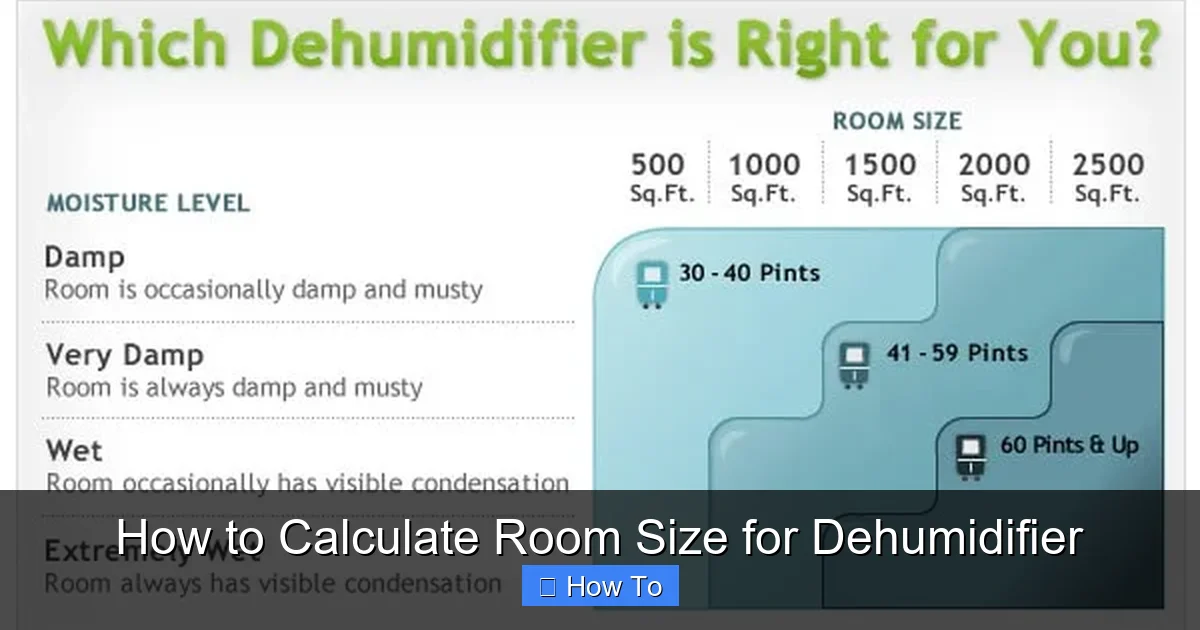
Choosing the right dehumidifier starts with knowing your room size. This guide walks you through measuring square footage, assessing humidity levels, and matching them to the correct dehumidifier capacity—ensuring efficient moisture control and better indoor air quality.
Quick Answers to Common Questions
Tip/Question?
Can I use one dehumidifier for multiple rooms?
Yes, but only if the rooms are connected and have similar humidity levels. Open floor plans work well, but closed-off rooms may need separate units.
Tip/Question?
Should I run the dehumidifier all the time?
Not necessarily. Use a built-in humidistat to maintain 40–50% humidity. Running it continuously wastes energy unless humidity is consistently high.
Tip/Question?
What’s the difference between pints and square footage?
Pints measure moisture removal capacity; square footage measures room size. Both are needed to choose the right dehumidifier.
Tip/Question?
Do dehumidifiers cool the room?
No, they don’t cool like air conditioners. They may slightly warm the air as a byproduct of operation, but their main job is removing moisture.
Tip/Question?
Can I calculate room size without a measuring tape?
You can estimate using your stride (about 2.5 feet per step), but a tape measure is far more accurate for proper dehumidifier sizing.
How to Calculate Room Size for Dehumidifier
Choosing the right dehumidifier isn’t just about picking the biggest or most expensive model on the shelf. It’s about matching the unit’s capacity to your room’s size, humidity level, and environmental conditions. If your dehumidifier is too small, it will struggle to remove moisture efficiently. If it’s too large, you’ll waste energy and money without added benefit. That’s why knowing how to calculate room size for a dehumidifier is the first and most important step in creating a comfortable, healthy indoor environment.
In this comprehensive guide, you’ll learn exactly how to measure your space, assess moisture levels, and select a dehumidifier that fits your needs. Whether you’re tackling a damp basement, a humid bathroom, or a musty closet, these step-by-step instructions will help you make an informed decision. We’ll also cover common pitfalls, troubleshooting tips, and expert advice to ensure your dehumidifier works effectively year-round.
Why Room Size Matters for Dehumidifiers
Dehumidifiers work by pulling in moist air, removing the water vapor, and releasing drier air back into the room. The amount of moisture they can remove in 24 hours is measured in pints. But this capacity only matters if it matches the size and humidity level of the space it’s serving.
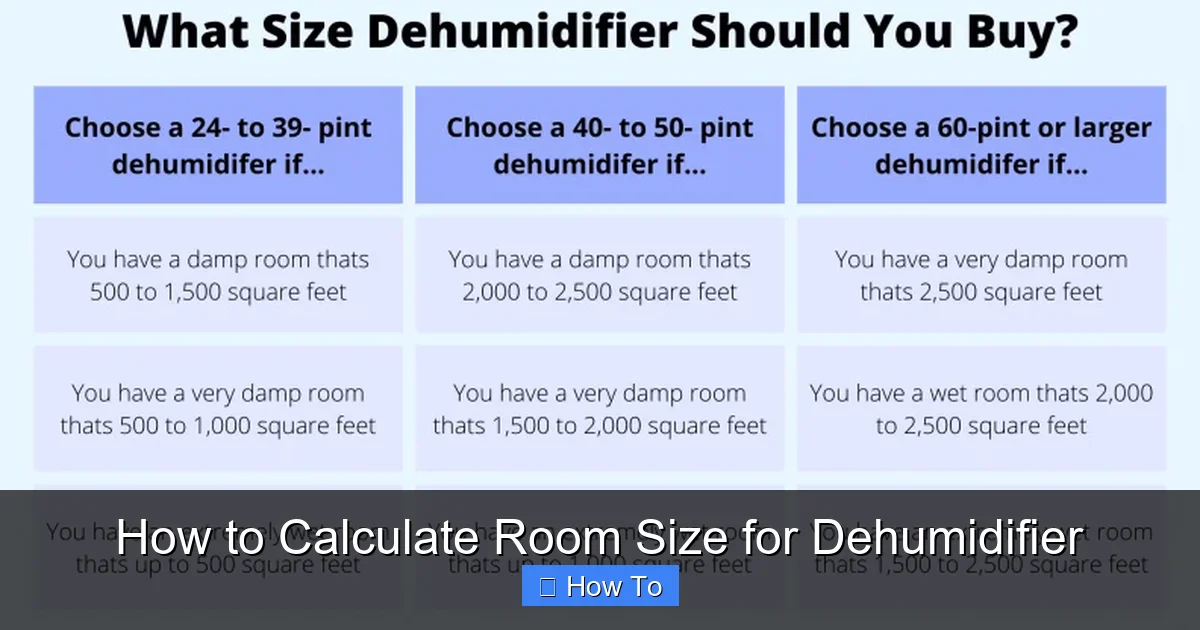
Visual guide about How to Calculate Room Size for Dehumidifier
Image source: reviewed-com-res.cloudinary.com
For example, a 30-pint dehumidifier might be perfect for a 500-square-foot basement with moderate dampness, but it would be overwhelmed in a 1,000-square-foot crawl space with standing water. Conversely, a 20-pint unit in a small, dry bedroom would cycle too frequently, increasing wear and energy use.
Understanding your room size ensures you select a unit that can handle the workload without overworking or underperforming. It also helps prevent mold growth, musty odors, and structural damage caused by excess moisture.
Step 1: Measure Your Room’s Square Footage
The foundation of calculating room size for a dehumidifier is determining the square footage. This tells you the physical space the unit needs to cover. Here’s how to do it accurately.
Use a Measuring Tape
Grab a reliable measuring tape—preferably one that extends at least 25 feet. Measure the length and width of the room in feet. For rectangular rooms, this is straightforward. For irregular shapes, break the space into smaller rectangles, measure each, and add them together.
Example: A room that’s 12 feet long and 10 feet wide has a square footage of 120 square feet (12 × 10 = 120).
Include All Usable Space
Don’t forget closets, alcoves, or built-in shelves that are part of the living area. If your bedroom has a walk-in closet that’s always open, include it in your calculation. However, exclude areas that are sealed off or rarely accessed, like a sealed attic or garage.
Convert Inches to Feet
If your measurements include inches, convert them to decimal feet. For example, 12 feet 6 inches becomes 12.5 feet (6 ÷ 12 = 0.5). This ensures precision in your final calculation.
Use an Online Calculator (Optional)
If math isn’t your strong suit, use a free online square footage calculator. Simply input length and width, and it does the rest. Some home improvement apps also include built-in measuring tools using your phone’s camera.
Step 2: Assess the Humidity Level
Room size alone isn’t enough—you also need to know how damp the space is. A 500-square-foot room with high humidity needs a stronger dehumidifier than the same size room with low moisture.
Use a Hygrometer
A hygrometer is a small, inexpensive device that measures relative humidity (RH). You can find digital models for under $20 at hardware stores or online. Place it in the room for 24 hours, checking readings at different times of day.
Ideal indoor humidity is between 30% and 50%. Here’s how to interpret your results:
- Below 30%: Too dry—may cause dry skin or static. A dehumidifier isn’t needed.
- 30%–50%: Comfortable and healthy. A small or medium unit may suffice.
- 50%–60%: Moderately humid. Look for a mid-range dehumidifier.
- Above 60%: High humidity. You need a high-capacity unit, especially if you see condensation, mold, or musty smells.
Look for Visual Clues
Even without a hygrometer, you can estimate humidity levels:
- Damp or wet spots: Water stains, peeling paint, or warped wood indicate serious moisture issues.
- Condensation: Foggy windows, especially in winter, suggest high indoor humidity.
- Mold or mildew: Black spots on walls, ceilings, or behind furniture are red flags.
- Musty odors: A persistent earthy smell often means hidden moisture.
Consider the Room’s Function
Some rooms naturally have higher humidity:
- Bathrooms: Frequent showers increase moisture. Even small bathrooms may need a dedicated unit.
- Basements: Often cool and poorly ventilated, making them prone to dampness.
- Laundry rooms: Wet clothes and dryers release steam.
- Kitchens: Cooking and dishwashing add moisture.
Step 3: Determine the Right Dehumidifier Capacity
Now that you know your room size and humidity level, it’s time to match them to a dehumidifier’s capacity. This is measured in pints per day (PPD)—the amount of moisture the unit can remove in 24 hours.
Use a Sizing Chart
Most manufacturers provide sizing charts based on square footage and humidity. Here’s a general guideline:
| Room Size (sq ft) | Low Humidity (30–50%) | Moderate Humidity (50–60%) | High Humidity (60%+) |
|---|---|---|---|
| Up to 500 | 10–20 pints | 20–30 pints | 30–50 pints |
| 500–1,000 | 20–30 pints | 30–50 pints | 50–70 pints |
| 1,000–1,500 | 30–50 pints | 50–70 pints | 70+ pints |
| 1,500+ | 50+ pints | 70+ pints | Commercial-grade unit |
Note: These are estimates. Always check the manufacturer’s recommendations for your specific model.
Factor in Room Conditions
Even with the right size, certain conditions affect performance:
- Poor insulation: Drafty windows or uninsulated walls let in humid air, requiring a stronger unit.
- Limited airflow: Furniture blocking vents or closed doors reduce circulation. Choose a model with a built-in fan or consider a ductable unit.
- High ambient temperature: Dehumidifiers work best between 65°F and 80°F. In colder basements, look for units with auto-defrost.
- Frequent water exposure: If you run a humidifier, have a fish tank, or do laundry in the room, increase capacity by 10–20%.
Choose the Right Type of Dehumidifier
Not all dehumidifiers are created equal. Consider these types:
- Compressor (refrigerant) dehumidifiers: Most common. Effective in warm, humid climates. Best for homes and basements.
- Desiccant dehumidifiers: Use moisture-absorbing materials. Work well in cold environments (like garages) but are less energy-efficient.
- Whole-house dehumidifiers: Integrated with HVAC systems. Ideal for large homes or severe humidity issues.
- Mini or portable units: For small spaces like closets or RVs. Limited capacity but convenient.
Step 4: Check Manufacturer Guidelines
Every dehumidifier model has specific recommendations. Always consult the user manual or product specifications before purchasing.
Look for Sizing Charts
Most brands (like Frigidaire, hOmeLabs, or GE) include a chart showing recommended room sizes and conditions. Some even have online calculators where you input your square footage and humidity level.
Verify Energy Efficiency
Check the Energy Factor (EF) rating—measured in liters of water removed per kilowatt-hour (L/kWh). Higher EF means better efficiency. ENERGY STAR-certified models use 15–20% less energy.
Consider Noise Levels
If the dehumidifier will run in a bedroom or living area, check the decibel (dB) rating. Look for units under 50 dB for quiet operation.
Review Drainage Options
Most dehumidifiers collect water in a tank that needs emptying. For continuous use, choose a model with a built-in pump or hose connection for direct drainage.
Step 5: Install and Test Your Dehumidifier
Once you’ve selected the right unit, proper installation ensures optimal performance.
Place It Correctly
Position the dehumidifier in the center of the room or near the source of moisture. Keep it at least 6–12 inches away from walls and furniture to allow airflow. Avoid placing it on carpet, which can restrict intake.
Close Doors and Windows
For best results, run the dehumidifier with doors and windows closed. This prevents humid outdoor air from entering and overworking the unit.
Set the Humidity Level
Use the built-in humidistat to set your desired humidity (usually 40–50%). The unit will automatically turn on and off to maintain this level.
Monitor Performance
Check the water tank daily (or connect a hose). Use your hygrometer to verify humidity levels drop within 24–48 hours. If not, the unit may be undersized or there could be a leak.
Troubleshooting Common Issues
Even with the right size, dehumidifiers can underperform. Here’s how to fix common problems.
Unit Runs Constantly but Doesn’t Remove Moisture
This usually means the room is too large or too humid for the unit. Check your calculations and consider upgrading. Also, ensure the air filter is clean—clogged filters reduce efficiency.
Water Tank Fills Too Quickly
If the tank fills in just a few hours, the humidity is extremely high. This could indicate a water leak, poor ventilation, or a malfunctioning unit. Inspect for cracks, check seals, and consider a larger model.
Unit Freezes Up
In cold environments (below 65°F), refrigerant dehumidifiers can ice over. Switch to a desiccant model or one with auto-defrost. Keep the room warmer if possible.
Musty Smell Persists
Even with low humidity, odors may linger if mold is already present. Clean affected areas with a mold-killing solution and run the dehumidifier continuously until the smell fades.
High Energy Bills
If your electricity usage spikes, the unit may be oversized or inefficient. Check the EF rating and ensure it’s not running unnecessarily. Use a timer or smart plug to limit operation during low-humidity periods.
When to Upgrade or Replace
Dehumidifiers typically last 5–10 years. Consider upgrading if:
- You’ve added square footage (e.g., finished basement).
- Humidity levels have increased due to climate or home changes.
- The unit is noisy, leaks, or fails to maintain settings.
- Newer models offer better efficiency or smart features (like Wi-Fi control).
Regular maintenance—cleaning filters, checking coils, and emptying tanks—can extend lifespan and improve performance.
Conclusion
Calculating room size for a dehumidifier is a simple but essential process that ensures you get the right unit for your needs. Start by measuring your space accurately, then assess humidity levels with a hygrometer or visual inspection. Use sizing charts to match your square footage and moisture conditions to the appropriate pint-per-day capacity. Don’t forget to consider room function, insulation, and climate.
By following these steps, you’ll choose a dehumidifier that effectively controls moisture, prevents mold, and improves indoor air quality. Remember to install it correctly, monitor performance, and troubleshoot issues promptly. With the right setup, your home will stay comfortable, healthy, and dry—no matter the season.