
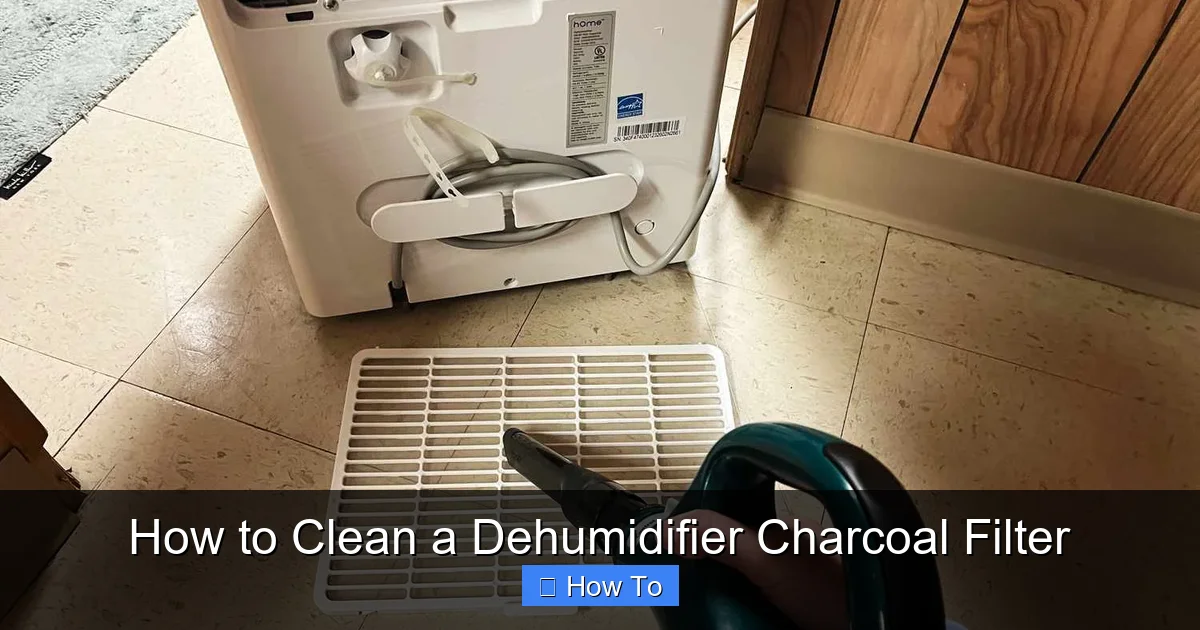
Cleaning your dehumidifier’s charcoal filter is essential for maintaining air quality and appliance performance. This guide walks you through the entire process—from safety prep to reassembly—so your unit runs efficiently and odor-free.
Quick Answers to Common Questions
How often should I clean my dehumidifier charcoal filter?
Clean it every 2–4 weeks depending on usage. Homes with pets, smokers, or high humidity may need more frequent cleaning.
Can I wash the charcoal filter with vinegar?
No, avoid vinegar and other strong cleaners. They can damage the charcoal and reduce its odor-absorbing ability.
What if my filter is glued in place?
If the filter isn’t removable, it’s not washable. You’ll need to replace it when it becomes dirty or stops working effectively.
Can I speed up drying with a hair dryer?
No, heat can warp or crack the filter. Always air-dry it at room temperature for at least 24 hours.
Why does my dehumidifier still smell after cleaning?
The filter may be too old and need replacing. Also, check the water tank and coils for mold or residue.
How to Clean a Dehumidifier Charcoal Filter: A Complete Step-by-Step Guide
If you’ve noticed your dehumidifier isn’t pulling moisture from the air as effectively as it used to—or if there’s a musty smell coming from the unit—it might be time to clean the charcoal filter. Many people overlook this small but crucial component, yet it plays a big role in keeping your indoor air fresh and your dehumidifier running efficiently.
In this comprehensive guide, you’ll learn exactly how to clean a dehumidifier charcoal filter the right way. We’ll cover everything from identifying your filter type and preparing your workspace to safely removing, cleaning, drying, and reinstalling the filter. You’ll also get practical tips for troubleshooting common issues and maintaining your dehumidifier for long-term performance. Whether you’re a first-time cleaner or just need a refresher, this guide will help you keep your home’s air clean, dry, and odor-free.
Why Cleaning Your Dehumidifier Charcoal Filter Matters
The charcoal filter in your dehumidifier does more than just trap dust—it absorbs odors, volatile organic compounds (VOCs), and other airborne pollutants. Over time, this filter becomes saturated with contaminants and can start to emit smells instead of eliminating them. A clogged or dirty filter also restricts airflow, forcing your dehumidifier to work harder and use more energy. This not only increases your electricity bill but can also shorten the lifespan of your appliance.
Visual guide about How to Clean a Dehumidifier Charcoal Filter
Image source: homeviable.com
Regular cleaning—typically every 2 to 4 weeks, depending on usage and environment—ensures optimal performance. Homes in humid climates, basements, or areas with pets or smokers may require more frequent attention. By keeping the charcoal filter clean, you’re not just maintaining your dehumidifier—you’re also improving your indoor air quality and creating a healthier living space.
What You’ll Need
Before you begin, gather these supplies to make the cleaning process smooth and safe:
- Soft-bristled brush (like an old toothbrush)
- Mild dish soap or gentle cleaner
- Clean cloth or sponge
- Warm water
- Vacuum cleaner with a brush attachment (optional)
- Gloves (to protect your hands from dust and debris)
- User manual (to locate the filter and confirm cleaning instructions)
You don’t need any special tools or expensive cleaners. The key is using gentle methods that won’t damage the delicate charcoal material. Avoid bleach, ammonia, or abrasive scrubbers—they can break down the filter and reduce its effectiveness.
Step 1: Turn Off and Unplug the Dehumidifier
Safety always comes first. Before touching any part of your dehumidifier, make sure it’s completely powered down and unplugged from the electrical outlet. This prevents accidental startup and reduces the risk of electric shock.
Why This Step Is Critical
Even if the unit appears off, internal components may still be energized. Unplugging ensures there’s no residual power. It’s also a good habit to develop—treating every cleaning session as if the unit could turn on at any moment keeps you safe.
Pro Tip
If your dehumidifier has a removable water tank, empty it first. This prevents spills and makes the unit lighter and easier to handle. Wipe the tank with a damp cloth to remove any mold or residue—this is a great time to give it a quick clean.
Step 2: Locate the Charcoal Filter
The charcoal filter is usually found behind the front or side grille of the dehumidifier. It’s often positioned near the air intake, where incoming air is first filtered before passing over the cooling coils.
How to Find It
Look for a removable panel or grille on the front or side of the unit. Most models have a latch, clip, or screw holding it in place. Gently press the latch or remove the screw to open the panel. Inside, you should see a flat, rectangular filter—often black or dark gray—with a mesh or fabric backing.
Consult Your Manual
If you’re unsure where the filter is located, check your user manual. Manufacturers like Frigidaire, Honeywell, or GE often include diagrams showing filter placement. Some models have multiple filters (a pre-filter and a charcoal filter), so make sure you’re cleaning the right one.
Example
On a typical Honeywell dehumidifier, the charcoal filter sits behind the front grille, just above the water tank. You’ll need to lift the grille slightly to slide the filter out. In contrast, some LG models have a side-access panel that swings open like a door.
Step 3: Remove the Filter Carefully
Once you’ve located the filter, gently pull it out. Most charcoal filters slide in and out on a track or slot. Avoid forcing it—if it’s stuck, double-check for hidden clips or screws.
Handling Tips
- Wear gloves to protect your hands from dust and trapped particles.
- Hold the filter by the edges to avoid crushing the charcoal material.
- If the filter is very dirty, tap it lightly over a trash can to remove loose debris before cleaning.
What If the Filter Is Glued or Sealed?
Some dehumidifiers come with sealed or non-removable charcoal filters. In these cases, you cannot clean them—only replace them. Check your manual to confirm whether your filter is washable. If it’s not, skip to the replacement section below.
Step 4: Vacuum Loose Debris (Optional but Recommended)
Before washing, use a vacuum cleaner with a soft brush attachment to remove surface dust and hair. This step prevents clogging your sink or shower drain and makes the washing process more effective.
How to Do It
Hold the filter over a trash can or outside, and gently run the vacuum over both sides. Focus on areas with visible buildup. Don’t press too hard—you don’t want to damage the filter’s structure.
When to Skip This Step
If your filter is only lightly soiled, you can go straight to washing. But for filters in high-traffic areas or pet-heavy homes, vacuuming first saves time and effort.
Step 5: Wash the Filter with Mild Soap and Water
Now it’s time to clean the filter properly. Fill a sink or basin with lukewarm water and add a few drops of mild dish soap. Avoid hot water—it can damage the charcoal and reduce its absorbency.
Submerging the Filter
Place the filter in the soapy water and let it soak for 10–15 minutes. This helps loosen embedded dirt and odors. After soaking, gently agitate the water to release trapped particles.
Scrubbing Gently
Use a soft-bristled brush (like an old toothbrush) to lightly scrub both sides of the filter. Focus on areas with visible grime, but avoid vigorous scrubbing—charcoal is porous and can crumble if handled roughly.
Rinsing Thoroughly
Rinse the filter under cool, running water until all soap residue is gone. Hold it up to the light to check for suds. Any leftover soap can leave a film or attract more dirt later.
What Not to Do
- Don’t use bleach, vinegar, or disinfectants—they can degrade the charcoal.
- Don’t wring or twist the filter—this can damage the internal structure.
- Don’t use a pressure washer or high-pressure hose—it can tear the filter.
Step 6: Dry the Filter Completely
Drying is one of the most important steps. A damp filter can grow mold or mildew, which defeats the purpose of cleaning it. Plus, installing a wet filter can damage your dehumidifier’s internal components.
Air-Drying Method
Place the filter on a clean, dry towel in a well-ventilated area away from direct sunlight or heat sources. Let it air-dry for at least 24 hours. Flip it over halfway through to ensure both sides dry evenly.
Speeding Up Drying (Safely)
If you’re in a hurry, you can use a fan to circulate air around the filter. Never use a hair dryer, heater, or place it near a radiator—excessive heat can warp or crack the filter.
Check for Moisture
Before reinstalling, press the filter gently. If it feels cool or damp, it’s not ready. Wait until it’s completely dry to the touch.
Step 7: Reinstall the Filter
Once the filter is dry, carefully slide it back into its slot. Make sure it’s oriented correctly—most filters have a directional arrow or label indicating airflow direction.
Securing the Panel
Close the front or side grille and secure any latches or screws. Ensure the panel is firmly in place to prevent air leaks, which can reduce efficiency.
Test the Unit
Plug the dehumidifier back in and turn it on. Listen for normal operation and check that air is flowing smoothly through the vents. If you notice reduced airflow or unusual noises, double-check that the filter is seated properly.
Step 8: Clean Surrounding Components
While the filter is out, take the opportunity to clean other parts of the dehumidifier:
Wipe the Air Intake Grille
Use a damp cloth to remove dust and debris from the grille. This improves airflow and reduces strain on the fan.
Inspect the Water Tank
Empty and rinse the tank with warm, soapy water. Use a brush to scrub away any slime or mold. Rinse thoroughly and dry before replacing.
Check the Coils (If Accessible)
Some models allow access to the evaporator coils. If yours does, use a soft brush or vacuum to remove dust. Never spray water directly on the coils.
How Often Should You Clean the Charcoal Filter?
The ideal cleaning frequency depends on your environment:
- Every 2 weeks: High humidity, pets, smoking, or heavy use.
- Every 3–4 weeks: Moderate use in average homes.
- Every 6–8 weeks: Light use in dry climates or seasonal use.
Set a reminder on your phone or calendar to stay consistent. Regular cleaning prevents buildup and keeps your dehumidifier running smoothly.
When to Replace the Charcoal Filter
Cleaning extends the life of your filter, but it won’t last forever. Over time, the charcoal loses its ability to absorb odors and pollutants. Replace the filter if you notice:
- Persistent musty or chemical smells
- Visible cracks, tears, or crumbling
- Reduced airflow despite cleaning
- The filter is more than 6–12 months old
Replacement filters are widely available online or at hardware stores. Always buy the exact model recommended by the manufacturer.
Troubleshooting Common Issues
Filter Still Smells After Cleaning?
If odors persist, the charcoal may be saturated beyond recovery. This is a sign it’s time to replace the filter. Also, check for mold in the water tank or coils—these can emit smells even with a clean filter.
Dehumidifier Not Working After Reinstallation?
Double-check that the filter is properly seated and the panel is securely closed. Some units have safety switches that prevent operation if the grille isn’t fully attached.
Reduced Airflow?
Besides a dirty filter, clogged coils or a faulty fan can cause poor airflow. Clean the coils and listen for unusual fan noises. If problems continue, consult a technician.
Water Leaking?
Ensure the water tank is properly seated and not cracked. Also, check that the drain hose (if used) isn’t kinked or blocked.
Tips for Maintaining Your Dehumidifier
- Place the unit at least 6 inches away from walls for proper airflow.
- Use a timer or smart plug to run it during peak humidity hours.
- Keep windows and doors closed while the dehumidifier is running.
- Empty the water tank regularly to prevent overflow and mold.
- Store the unit in a dry place during off-seasons.
Conclusion
Cleaning your dehumidifier’s charcoal filter is a simple yet powerful way to maintain air quality and appliance efficiency. By following these steps—turning off the unit, removing the filter, washing it gently, drying it thoroughly, and reinstalling it correctly—you’ll keep your dehumidifier running like new. Regular maintenance not only saves energy and money but also creates a healthier, more comfortable home environment.
Remember, a clean filter means cleaner air. Make this task part of your routine, and you’ll enjoy the benefits of fresher air, reduced odors, and a longer-lasting dehumidifier. With just a few minutes of effort every few weeks, you’re investing in your home’s comfort and your family’s well-being.